
Last updated: August 19, 2026
The Irish Sport Horse is proof that a well-planned cross can produce a serious performance horse. Traditional Irish Draught and Thoroughbred breeding gave it the substance, athleticism, and jumping ability that helped make the Irish Sport Horse one of the most respected competition-horse studbooks in the world.
The Irish Sport Horse (ISH) is Ireland’s performance-horse studbook. It developed from Irish Draught–Thoroughbred breeding and now includes other approved sport-horse bloodlines. Irish Sport Horses are known for versatility, athletic ability, and success in disciplines such as eventing and show jumping.
Below, I’ll explain how the Irish Sport Horse developed, why horses within the studbook can vary so much, and what I would look for before buying one.
Table of Contents

Where the Irish Sport Horse Came From
The original idea was practical, not fashionable. Irish breeders needed horses that could carry a rider across country, hunt, work, travel, and still have enough athletic ability to perform when the work got demanding. Crossing Irish Draught stock with Thoroughbreds gave them a lighter, quicker horse without losing the substance and practical mind that made the Irish Draught valuable.
Irish Draught–Thoroughbred crossing began in the 1920s. The Irish Sport Horse Studbook itself was established in 1974, and the studbook later opened to approved foreign-breed and crossbred horses in 1982. That history matters because a modern Irish Sport Horse is not always a simple Irish Draught–Thoroughbred cross; many now carry continental sport-horse or Warmblood influence as well.
The Traditional Irish Horse (TIH) is the more traditionally bred subset within the ISH studbook. In practical terms, it preserves the older Irish breeding influence rather than adding foreign ancestry farther back in the pedigree. For a buyer, this is useful background, but it is still only background. It does not replace looking carefully at the horse in front of you.

Size, Build, and Colors
| Trait | Detail |
|---|---|
| Origin | Ireland; traditional Irish Draught–Thoroughbred crosses date to the 1920s |
| Studbook | Irish Sport Horse Studbook, established in 1974 and maintained by Horse Sport Ireland |
| Bloodlines | Traditional Irish Draught and Thoroughbred breeding, with approved sport-horse and Warmblood influence in many modern horses |
| Height | Often about 15.3 to 17 hands, though individuals vary |
| Colors | Any color is accepted; bay, gray, chestnut, and black are common |
| Common uses | Eventing, show jumping, hunting, dressage, and leisure riding |
There is more variation in this breed than in many closed registries because pedigree has a real effect on type. A horse carrying more Irish Draught influence may look and feel quite different from a lighter, more blooded horse with heavy Thoroughbred or continental sport-horse breeding. Two horses can carry Irish Sport Horse papers and still feel completely different under saddle.
In general, I expect to see a useful sport-horse frame: enough bone for the horse’s size, a strong coupling, a decent shoulder, good depth through the heartgirth, and hindquarters that can push a horse forward and up. But I would not buy one on a pretty outline. For a jumping or eventing prospect, I would rather see balance, correct movement, feet that have been managed well, and a horse that stays comfortable in his work than a fashionable color or an impressive neck.
Temperament: Good for Beginners, or Just Good?
Irish Sport Horses have a well-earned reputation for being willing, brave, and sensible. The traditional cross was valued because it could put enough blood and athleticism into a horse without necessarily losing the practical temperament people wanted for hunting, riding, and competition.
I would still be careful calling any breed universally beginner-safe. An older, well-schooled 16.1-hand Irish Sport Horse with quiet amateur miles is a completely different ride from a young, green horse with a lot of Thoroughbred blood and plenty of engine. Training, handling, confidence, physical comfort, and the rider’s own ability matter more than a breed label.
For a novice rider, I would put more weight on safe ground manners, dependable brakes, a history of quiet rides, and an honest trainer’s assessment than on how much Irish Draught blood shows in the pedigree. The right horse is one that fits the rider’s present skill and gives that rider room to improve without constantly being overfaced.

Irish Sport Horses in Competition
This breed’s real credibility comes from its competition record, not marketing copy. When I look at a breed’s reputation, I care less about advertising and more about what keeps showing up when the pressure is on. Irish Sport Horses have repeatedly proven themselves in eventing and show jumping, where gallop, bravery, jumping technique, sound management, and a good mind all matter.
The Irish Sport Horse Studbook has one of the strongest historical records in the World Breeding Federation for Sport Horses eventing rankings. That success is not an accident. The traditional Irish type was built to cover ground, think for itself, and stay useful over varied country; those traits transfer well to the demands of eventing and jumping when the individual horse has the right conformation, training, and management.
Irish Sport Horses also appear in dressage, hunting, and leisure riding, but I would not assume every ISH is automatically a high-level prospect in every discipline. The useful question is not, “What can the breed do?” It is, “What is this horse bred, trained, and physically suited to do?”

An interesting studbook detail: The Irish Sport Horse breeding system permits registered clones. Cruising Encore and Cruising Arish, clones of the influential show-jumping stallion Cruising, were born in 2012 and later became eligible for breeding. It is an unusual feature of a sport-horse registry, though it should not distract a buyer from the basics: the horse’s body, mind, training, and veterinary history.
Care and Health Considerations
Feed the work, not the breed label. A horse doing light hacking does not need to be fed like one schooling hard for eventing, and a horse in serious work needs more careful attention to forage quality, body condition, hydration, recovery, and overall calories. Start with good-quality forage, then adjust concentrates and supplements to the individual horse’s workload and condition with guidance from your veterinarian or qualified nutrition professional when needed.
Soundness is a management job. Irish Sport Horses are often asked to jump, gallop, turn, and work on varied footing. Over time, the practical risks usually come down to workload, conditioning, footing, shoeing, conformation, and the individual horse’s old injuries—not simply what is printed on the passport. Stay on top of hoof care, dental care, routine veterinary work, turnout, conditioning, and changes in how the horse moves or feels under saddle.
Use your veterinarian for individual questions. If a pedigree, clinical history, or performance issue raises a concern about an inherited condition, ask your veterinarian what testing or evaluation is appropriate for that horse. PSSM is a muscle disease involving abnormal glycogen storage, and genetic testing is available for PSSM1, but a breed name alone is not a diagnosis.
What I’d Look For Before Buying an Irish Sport Horse
The Irish Sport Horse’s range is both its strength and the reason buyers need to slow down. I would not shop this breed by appearance, papers, or a seller’s “quiet enough for anyone” description. I would match the individual horse to the job and rider first.
| Before you buy | What I would check |
|---|---|
| Pedigree and type | Ask what is behind the horse: more Irish Draught, Thoroughbred, or Warmblood influence? Then decide whether that type fits your goals instead of treating one pedigree style as automatically better. |
| Feet and lower limbs | Look at hoof balance, shoeing history, limb filling, old scars, and how the horse moves before and after work. A good foot and a horse that stays comfortable are worth more than a fashionable head or color. |
| Movement under saddle | Watch the horse walk, trot, canter, transition, stand quietly, load, and deal with ordinary rider mistakes. Do not judge him only by a polished jumping round. |
| Record and gaps | Review the actual competition or work history. Ask whether the horse has hunted, competed, or only schooled, and ask about long gaps in activity. |
| Mind and manners | See how the horse behaves in the stall, on the crossties, being tacked up, around other horses, and after time off. Ask what he does when worried or fresh. |
| Pre-purchase exam | Use your own veterinarian and discuss the horse’s intended job before deciding what level of examination or imaging makes sense for the purchase. |
| Trial ride | When the price and intended use justify it, ride more than once and try to see the horse in conditions close to your normal use. |
A reputable seller should be willing to discuss the horse’s medical history, training, shoeing, quirks, and current routine directly. They should also be comfortable with a legitimate pre-purchase examination. Nobody can guarantee a horse will stay sound forever, but evasive answers, an unexplained gap in work, or pressure to skip the vetting are reasons to slow down.
Miles’s take: Don’t shop the Irish Sport Horse breed name. Shop the individual horse’s soundness, training, and temperament, then let the pedigree explain what you are seeing rather than substitute for it. That approach will keep a buyer out of more trouble than trying to find the “perfect” cross on paper.
Key takeaways: Irish Sport Horse
- A proven performance population — Traditional Irish Draught–Thoroughbred breeding produced horses valued for athleticism, substance, and usefulness, while the modern studbook includes wider approved sport-horse bloodlines.
- Eventing and jumping are the headline strengths — The Irish Sport Horse Studbook has a long record of success in international eventing rankings.
- There is real variation within the studbook — A Draught-influenced horse may be very different from a blooded Thoroughbred- or Warmblood-influenced individual.
- Temperament must be judged horse by horse — Quiet miles, training, physical comfort, and ground manners matter more than a general breed reputation.
- Buy the horse in front of you — Match soundness, training, mind, and athletic ability to the work you actually plan to do.
Irish Sport Horse FAQs
What is an Irish Sport Horse?
The Irish Sport Horse is a performance-horse breed and studbook from Ireland. It grew from Irish Draught–Thoroughbred crosses, with approved sport-horse bloodlines added to the studbook over time. Irish Sport Horses are especially known for eventing and show jumping, but individual horses vary widely in type and suitability.
Are Irish Sport Horses good for beginners?
Some are, but the breed is not universally beginner-safe. A quiet, well-schooled Irish Sport Horse with safe ground manners and proven amateur experience may suit a beginner well. A young, green, or heavily blooded competition prospect may not. Evaluate the individual horse’s training, temperament, and physical comfort rather than relying on the breed name.
What disciplines are Irish Sport Horses used for?
Irish Sport Horses are especially well known for eventing and show jumping. They are also used in hunting, dressage, trail and leisure riding, depending on the individual horse’s build, training, and temperament.
Can an amateur own an Irish Sport Horse?
Yes. Many Irish Sport Horses make excellent amateur mounts, but the match depends on the individual. An amateur should prioritize a horse with suitable training, quiet manners, physical soundness, and a proven record at the rider’s level over a fashionable pedigree or big movement.
How much does an Irish Sport Horse cost?
Price depends far more on the individual horse than on the breed name. Age, soundness, training, temperament, pedigree, location, and verified competition results can make the difference between an affordable project and a six-figure upper-level performer. Budget separately for a pre-purchase exam, transport, insurance, tack, and ongoing care.
Sources:
1. Irish Sport Horse Studbook, Horse Sport Ireland.
2. The Irish Sport Horse, Irish Horse Board.
3. WBFSH Studbook Rankings.
4. Polysaccharide Storage Myopathy (PSSM), UC Davis Center for Equine Health.
About Miles Henry
Racehorse Owner & Author | 30+ Years in Thoroughbred Racing
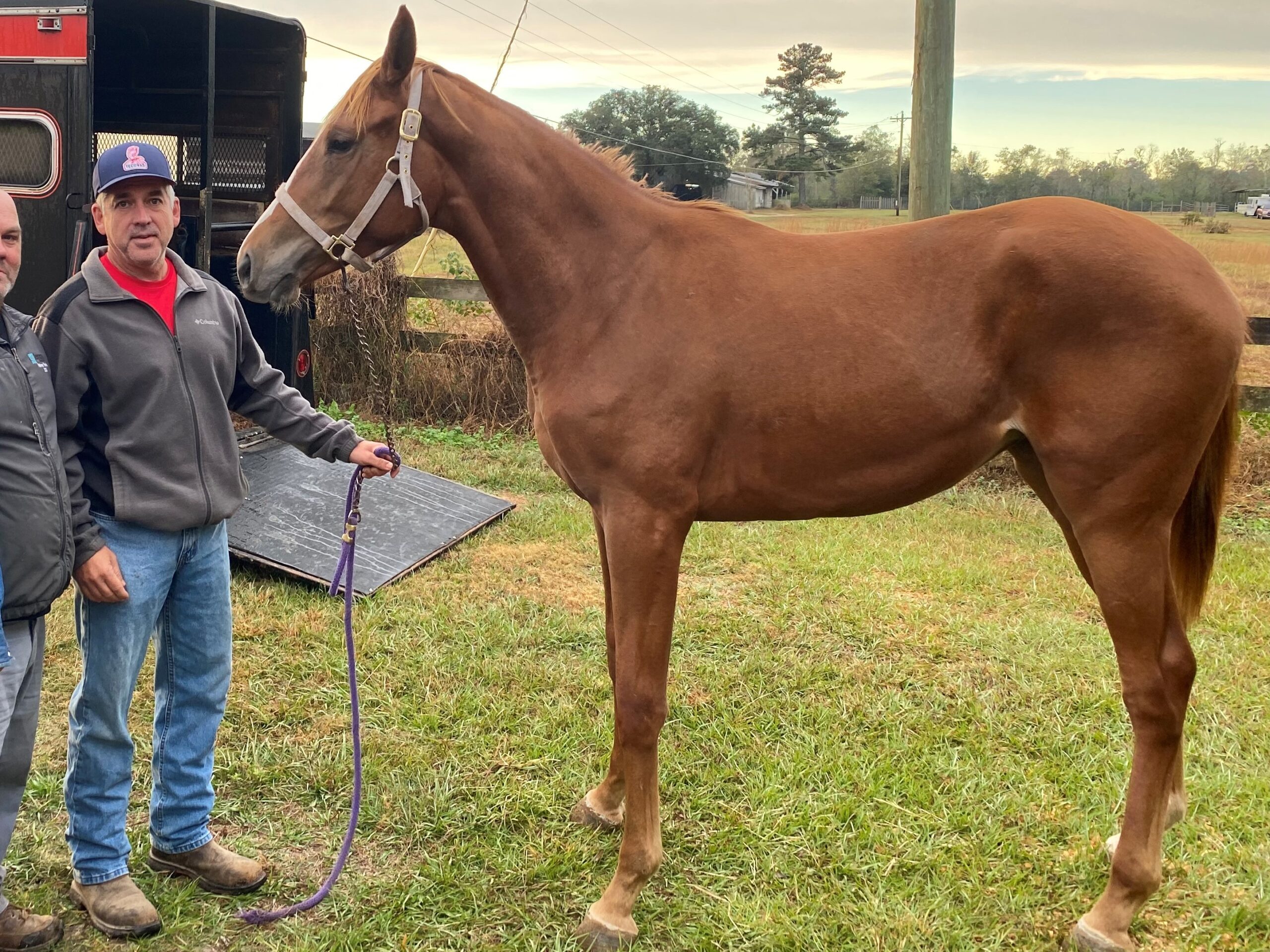
Miles Henry (legal name: William Bradley) is a professional horseman based in Folsom, Louisiana. He holds Louisiana Racing License #67012 and has spent over three decades managing Thoroughbreds at premier tracks including Fair Grounds, Delta Downs, and Evangeline Downs.
Expertise & Hands-On Experience: Beyond the track, Miles has decades of experience in specialized equine care, covering everything from hoof health and nutrition to training protocols for Quarter Horses, Friesians, and Paints. Every guide on Horse Racing Sense is rooted in this “boots-on-the-ground” perspective.
30 of their last 90 starts
Equibase Profile.

Connect with Miles: