
Last updated: September 22, 2026
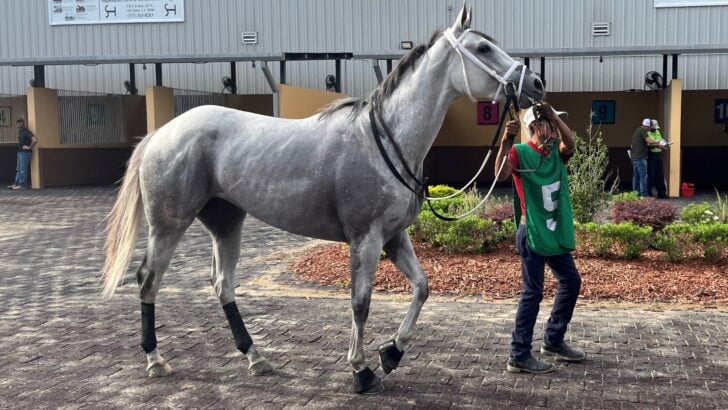
Maybe you’ve seen an ad offering shares in a racehorse. Or perhaps you’ve always wanted to own one but didn’t want to take on the full cost, and someone suggested joining a syndicate. Either way, it’s worth understanding exactly what you’re buying before you invest.
A horse syndicate allows several people to share ownership of a racehorse while dividing the related costs. You purchase an interest in the horse or the syndicate, and the manager typically handles the trainer, paperwork, bills, and day-to-day decisions. It can make racehorse ownership more accessible, but it does not eliminate the financial risk that comes with the sport.
Before joining a syndicate, you need to understand what your share actually represents, which expenses you may be responsible for, how earnings are handled, and who controls major decisions about the horse. This guide explains how horse syndicates work, what they can cost, the risks to consider, and the questions worth asking before you become a member.
What Is a Horse Syndicate?
A horse syndicate is a group ownership arrangement in which several people buy interests in one racehorse. Rather than one owner carrying the full purchase price and every ongoing bill, expenses are divided according to each member’s share.
The structure varies from one syndicate to another. Some members may have a direct ownership interest, while others own a share of the syndicate entity or receive contractual rights to certain benefits or proceeds. A share may include trainer updates, race-day access, owner badges, invitations to events, or a portion of eligible purse earnings and sale proceeds. It may also come with limited or no voting rights.
That distinction matters. Don’t assume every share gives you the same ownership status, access, or control. Read the written agreement before you send money. For another overview of shared Thoroughbred ownership, see Thoroughbred OwnerView’s guide to getting started as an owner.
How Does a Racehorse Syndicate Work?
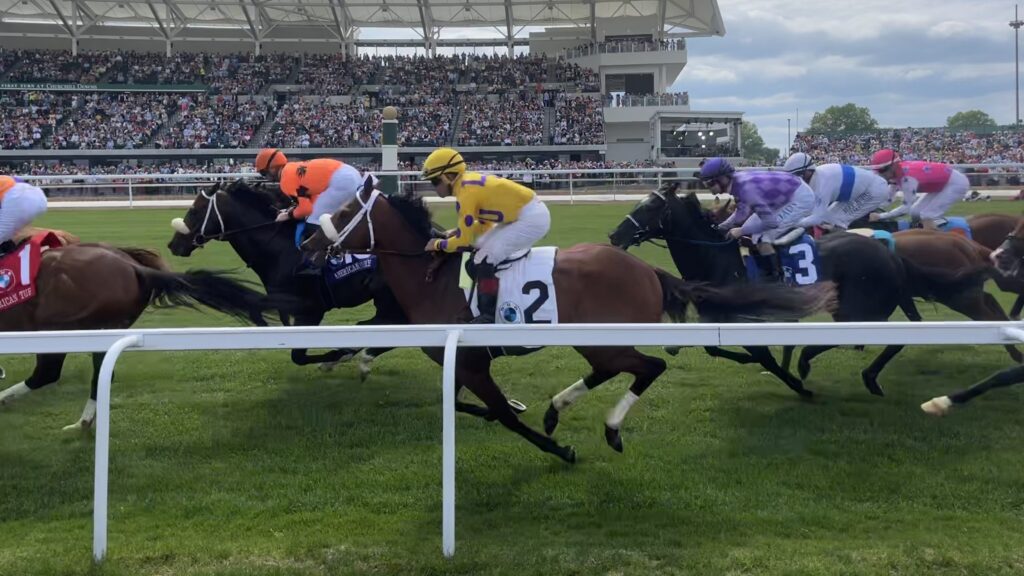
A syndicate manager or managing partner usually puts the group together, buys or leases the horse, selects the trainer, handles ownership paperwork, pays bills, and communicates with members. The manager may also decide where the horse races, whether to accept a claiming offer, and when to sell, retire, or change the horse’s program. Those powers should be clearly stated in the agreement.
Members buy a stated percentage or unit. Depending on the group, they may pay a one-time amount that includes a reserve for expenses, a monthly fee, or additional bills as they arise. If the horse earns purse money or is sold, the agreement should explain how proceeds are handled after expenses and management fees.
One lesson every new owner learns is that the race itself is only a small part of the process. A lot happens before a horse ever reaches the starting gate: decisions about training, soundness, timing, entries, and expenses are made behind the scenes. A good syndicate gives members a clear view of that process and communicates when the plan changes.
Before joining, ask how often members receive updates and what access comes with the share. Access to the barn, paddock, backside, owner events, and winner’s circle varies by track rules and by the syndicate’s policies, so it should never be assumed.
What Do You Actually Own in a Horse Syndicate?
This is the question many first-time buyers overlook. Buying a share does not always mean you are listed as an owner on the horse’s racing papers or have a direct legal ownership interest in the horse. In some arrangements, the syndicate entity owns the horse and members own an interest in that entity. In others, members have contractual rights to a percentage of income or to specific benefits.
Ask the manager to explain, in writing, whether you are a registered owner, what percentage you own, whether you can vote on major decisions, and whether you share in purse money, sale proceeds, breeding income, or none of those things. The answer should be in the agreement—not just in a sales conversation.
Also ask what happens if the horse is claimed, injured, retired, sold, or dies. A good agreement addresses these possibilities before they occur, including who controls the decision and how any money or remaining obligations are handled.
How Much Does It Cost to Join a Horse Syndicate?
There is no standard price. A share in a modest racing prospect can cost far less than a share in a high-priced yearling, a proven runner, or a horse trained by a prominent stable. The initial price is only one part of the commitment.
Ongoing expenses may include training day rates, veterinary care, insurance, farrier work, shipping, entry fees, licensing, administrative charges, and a reserve fund. Some syndicates include a stated period of expenses in the purchase price; others bill members monthly or when costs exceed the reserve.
A low buy-in does not automatically mean a low total cost. Ask for a written estimate of normal monthly expenses, a list of included and excluded charges, and an explanation of whether the manager can request additional money later.
Why People Join Racehorse Syndicates
For many racing fans, a syndicate provides a practical first look at ownership without having to manage a horse alone. The manager handles the paperwork and daily communication with the trainer, while members get to follow a horse through training, entries, and race days.
There is also a side of ownership that is hard to duplicate from the grandstand. Standing in the paddock and knowing the horse walking in front of you is partly yours feels different. Whether the horse wins or not, being involved in the process is why many people stay in the game.
Still, convenience and access are the main benefits—not a promise of profit. Most experienced owners get involved because they love racing first and understand that any financial upside is uncertain.
Can You Make Money in a Horse Syndicate?
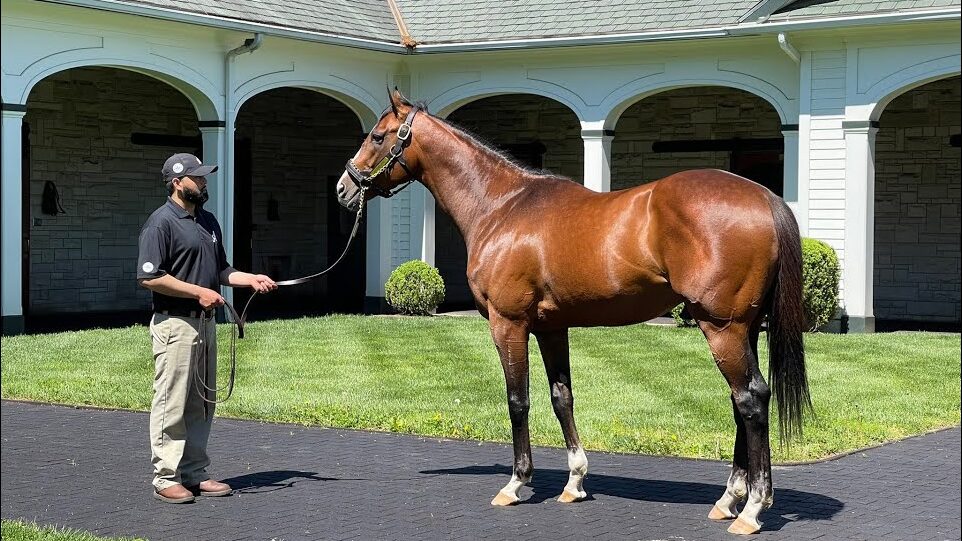
It is possible for a horse to earn purses or sell for more than its purchase price, but that should not be the reason to join a syndicate. Many racehorses do not earn enough to cover their purchase price, training bills, and other expenses. A horse can be talented and still lose time to injury, illness, bad racing luck, unsuitable conditions, or a campaign that simply does not work out.
Treat a syndicate share as discretionary spending for a racing experience. If the horse earns money, that is a welcome result. You should still be comfortable if you never recover what you spend.
For a broader look at the economics of the sport, read Can You Make Money Owning a Racehorse?.
Risks to Understand Before Buying a Share
The biggest risk is financial. Shared ownership reduces the amount each member pays, but it does not remove the possibility of losing the full amount spent. Horses can need extended time off, expensive veterinary care, or retirement before they earn enough to cover their costs.
You also give up control. In most syndicates, members do not choose the trainer, jockey, veterinary treatment, race placement, sale terms, or retirement plan. That is not necessarily a problem—clear management is often why people join—but you need to be comfortable with the manager’s authority.
Finally, understand the exit rules. Shares may be difficult to sell or transfer, and you may remain responsible for expenses until the agreement ends. If a horse is claimed, sold, or retired, the arrangement should explain what happens next.
Questions to Ask Before Joining a Horse Syndicate
As a licensed racing owner, I would not join any ownership arrangement until I knew exactly what I owned, what I could owe after the first payment, and who had the final say over the horse. Use these questions when you speak with a syndicate manager:
Before you sign
- What does my share represent: a registered ownership interest, an interest in an entity, or a contractual right to benefits or proceeds?
- What is the full upfront price, and what expenses are included?
- Will I pay monthly fees, periodic bills, or additional capital calls?
- Are expenses capped, and what happens if the horse needs surgery or prolonged rehabilitation?
- How are purse earnings, sale proceeds, insurance payments, and any breeding income divided?
- Who makes decisions about the trainer, races, jockeys, veterinary care, sale, claiming, retirement, or a trainer change?
- What happens if the horse is injured, claimed, sold, retired, or dies?
- Can I transfer or sell my share, and are there restrictions or fees?
- What updates and race-day access are included?
- Can I review the complete written agreement before paying?
If the manager can’t answer these questions clearly or doesn’t provide the agreement in advance, move on. A reputable group should be comfortable explaining its structure and fees in plain language. For terms you do not understand, consult a qualified attorney or tax professional before signing.
You can also research managed groups through Thoroughbred OwnerView’s racing syndicate directory, which includes comparative syndicate information and member ratings in areas such as communication, integrity, billing, and staff.
Are Horse Syndicates Worth It?
A syndicate can be worth it if you want a managed, lower-entry way to experience racehorse ownership and can afford to lose what you spend. It may be a good fit for someone who wants regular updates, a connection to the stable, and occasional race-day access without running the entire operation.
It is not a good fit if you expect predictable returns, want final control over every decision, or would be uncomfortable with unforeseen expenses. The right group is one that communicates well, puts its terms in writing, and sets realistic expectations from the start.
A Realistic Example
Dream Alliance is one of racing’s best-known shared-ownership stories. A group from a Welsh village pooled modest weekly contributions to buy, train, and race the horse, which went on to win the Welsh Grand National. It is a good example of how a group can share the ownership experience.
The lesson is not that every syndicate finds a champion. Stories like Dream Alliance are unusual, and that is exactly why expectations matter. The value of a syndicate often comes from being involved in racing, not from trying to own the next stakes winner.
Frequently Asked Questions About Horse Syndicates
Do horse syndicate members make money?
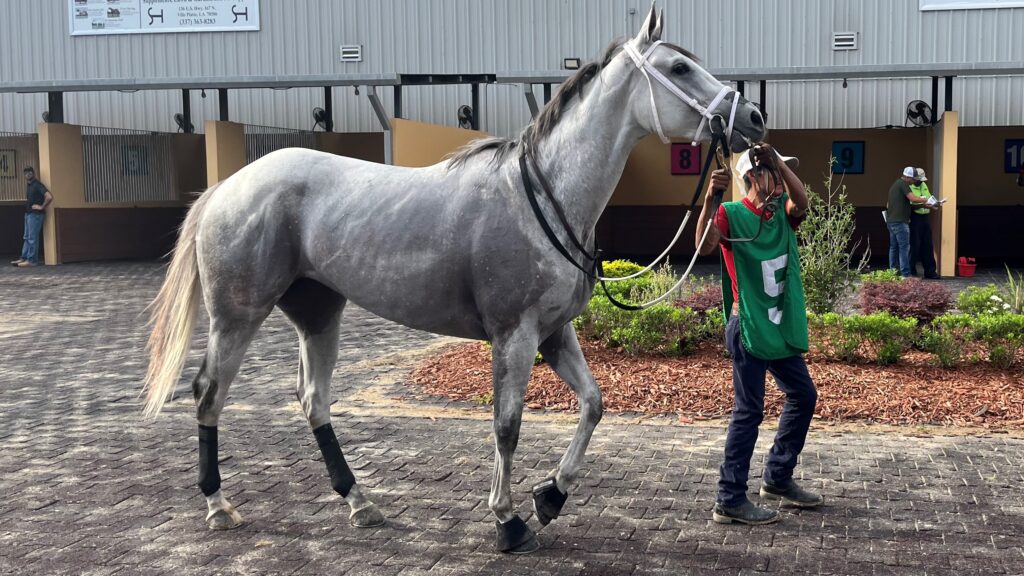
They can if the horse earns purses or sells well, but there is no guarantee. Many horses do not earn enough to cover all purchase and ongoing costs, so a syndicate share is better viewed as discretionary spending than a dependable investment.
Do syndicate owners get to visit the horse?
It depends on the group, trainer, and track rules. Some syndicates arrange barn visits, paddock access, owner events, or race-day hospitality. Ask what access is included before you join.
Can you sell your share in a racehorse syndicate?
Sometimes, but it depends on the agreement. Shares can be difficult to transfer, and some groups restrict sales, charge transfer fees, or keep members responsible for expenses until the arrangement ends.
Are horse syndicates regulated?
Requirements can vary by jurisdiction and by how the ownership arrangement is structured. Ask the manager how the horse and ownership group are registered where the horse races, and review the agreement carefully before participating.
Bottom Line
A horse syndicate will not guarantee a trip to the winner’s circle or a financial return. It can, however, give racing fans a more manageable way to experience what ownership is really like. Before you buy a share, read the agreement, understand every recurring cost, confirm what rights come with your interest, and choose a manager whose communication and track record you trust.
If you are still weighing ownership against other ways to enjoy the sport, you may also find this helpful: Is Buying a Horse a Good Investment?
About Miles Henry
Racehorse Owner & Author | 30+ Years in Thoroughbred Racing
Miles Henry (legal name: William Bradley) is a professional horseman based in Folsom, Louisiana. He holds Louisiana Racing License #67012 and has spent over three decades managing Thoroughbreds at premier tracks including Fair Grounds, Delta Downs, and Evangeline Downs.
Expertise & Hands-On Experience: Beyond the track, Miles has decades of experience in specialized equine care, covering everything from hoof health and nutrition to training protocols for Quarter Horses, Friesians, and Paints. Every guide on Horse Racing Sense is rooted in this “boots-on-the-ground” perspective.
30 of their last 90 starts
Equibase Profile.

Connect with Miles: