Last updated: September 10, 2026
Spend time around horses, and it’s easy to see why they have inspired stories and traditions for centuries. Few animals have lived so closely alongside people—carrying kings and soldiers, farmers and travelers, heroes and gods. That long partnership made horses enduring figures in religion, mythology, art, literature, and culture, though what they symbolize depends on the tradition and context.
Horses most often symbolize freedom, strength, power, and nobility. Because they carried people into battle, across long distances, and through daily work for thousands of years, horses also commonly represent adventure, endurance, status, and the bond between people and animals. The meaning changes with the setting: a white horse may suggest victory or spiritual purity, while a horse in war art, a dream, or a particular religious story can carry a very different message. Here’s how horse symbolism appears in mythology, religion, the Bible, literature, art, and popular culture.
What Horses Commonly Symbolize
| Common meaning | Why horses carry that meaning | Example contexts |
|---|---|---|
| Freedom | Their speed, mobility, and association with open country | A running horse in art, fiction, and popular culture |
| Strength and power | Horses performed demanding farm, transport, and military work | Royal portraits, war imagery, and sport |
| Nobility and status | Horse ownership was historically expensive and socially significant | Kings, cavalry, and ceremonial riding |
| Journey and transformation | Horses move people from one place or stage of life to another | Folklore, pilgrimage, dreams, and coming-of-age stories |
| Spiritual or divine connection | Some traditions associate horses with gods, messengers, or the afterlife | Pegasus, Epona, biblical imagery, and Asian traditions |
| War, conflict, and death | Cavalry and apocalyptic imagery made horses symbols of danger and fate | Revelation’s Four Horsemen and battle art |
Why Horse Symbolism Changes by Context
A horse’s meaning usually depends on what it’s doing, who’s riding it, its color, and the tradition behind the image. A rearing horse in an equestrian portrait may signal authority; a loose horse running through a landscape may suggest freedom; and a horse in an apocalyptic religious scene may represent judgment or catastrophe. That’s why there isn’t one universal “horse meaning”—context does most of the work.
What Horses Symbolize to Horse Owners
For many horse owners, symbolism goes beyond mythology. A horse represents responsibility, patience, and partnership. You can’t force trust with a horse—you earn it, one consistent interaction at a time. That relationship helps explain why horses so often become symbols of freedom, trust, power, and connection, even though the stories people tell about them differ from culture to culture.
Anyone who has handled horses knows why they became such durable symbols. A horse can feel both powerful and sensitive—strong enough to pull, carry, or run hard, yet alert to a rider’s balance, mood, and small changes in the environment. Cultures turned those qualities into different stories, but anyone who has stood beside a horse understands where those ideas began.

What Horse Colors Symbolize
Color meanings aren’t fixed across every culture, but white, black, red, and pale horses have taken on recurring associations in religious texts, folklore, art, and modern storytelling.
- White: victory, purity, hope, or divine favor, depending on the source and tradition.
- Black: mystery, mourning, night, and the unknown; in Revelation specifically, the black horse is tied to famine rather than death.
- Red: war, conflict, heat, and danger; in Revelation, the red horse represents war.
- Pale: in Revelation, the pale horse is the one associated with death.
Bay, chestnut, and other common coat colors don’t carry a widely documented cross-cultural symbolic meaning in the way white, black, red, and pale horses do in religious and mythological texts. Claims such as “bay horses symbolize stability” are more often modern popular interpretation than established tradition. For a fuller breakdown, see my guide to horse color symbolism across cultures.
Horses in Mythology and Religion
Long before modern riding sports, horses were indispensable working animals, military mounts, and status symbols. Their speed, strength, and willingness to work alongside people made them natural figures in myths and religions around the world.
Greek Mythology: Pegasus and Divine Horses
In Greek mythology, horses often appear as powerful, beautiful, and sometimes divine beings. Pegasus, the winged horse born of Poseidon and the Gorgon Medusa, is associated with flight, heroic adventure, and poetic inspiration. His hoofprint was said to have created the spring Hippocrene, whose waters inspired poets. Poseidon, god of the sea and earthquakes, was also honored as a god of horses in Greek tradition. See Britannica’s entry on Pegasus for more.
Celtic and Welsh Traditions: Epona and Rhiannon
Epona was honored across Celtic and Gallo-Roman territory as a protector of horses and riders, and she is often associated with fertility, protection, and prosperity. Rhiannon is a major figure in Welsh mythology who is closely associated with horses in the Mabinogion. She is often read as a figure of sovereignty and otherworldly guidance, but she should not be treated as a simple Welsh equivalent of Epona. The two figures come from different traditions, even though scholars and readers have long noticed parallels in their horse imagery.
Indigenous Traditions of North America
Horses transformed life for many Indigenous peoples of North America after their reintroduction through Spanish colonial expansion. Their importance differed significantly by nation and region, but in several Plains traditions, horses became closely tied to mobility, hunting, wealth, warfare, ceremony, and social standing. Some Indigenous languages used names for horses that compared the unfamiliar animal to dogs or described it in spiritual terms, but the exact words and meanings belong to particular nations and languages—not to one universal Native American tradition. Learn more from the Smithsonian National Museum of the American Indian’s resources on horses and Plains nations.
Eastern Traditions: Buddhism and the Chinese Zodiac
Buddhist traditions include specific horse symbols rather than one universal horse meaning. In the story of Xuanzang’s journey to retrieve Buddhist scriptures, a white horse carries the sutras. In Tibetan Buddhism, the wind horse, or lungta, appears on prayer flags and is associated with good fortune and the swift carrying of prayers. In the Chinese zodiac, the horse is commonly associated with energy, speed, sociability, and independence. See Britannica’s entry on the Chinese zodiac for more.
Horse Symbolism in the Bible
In the Bible, horses often carry associations with strength, war, royal power, judgment, and divine intervention. Their meaning depends on the passage, so it is better to read each image in its biblical setting than to assign one fixed spiritual meaning to every horse.
War and Power in Scripture
In the ancient world, horses were closely associated with military might and royal authority. Deuteronomy 17:16 warns Israel’s king not to acquire great numbers of horses, a warning commonly understood in the context of reliance on military power rather than on God.
The Four Horsemen of the Apocalypse
One of the best-known uses of horse symbolism appears in Revelation 6:1–8. Riders on white, red, black, and pale horses are commonly interpreted as representing conquest, war, famine, and death. Biblical interpreters have debated the meaning of the rider on the white horse for centuries, so that first association should be understood as a common interpretation rather than an uncontested fact.
The White Horse in Revelation 19
A separate white horse appears in Revelation 19:11, ridden by a figure widely interpreted as Christ. In that scene, the image is associated with righteousness, justice, and victorious return—not with the same meaning as the white horse in Revelation 6.
For more about horses in Scripture, you can search the King James Version of the Bible hosted by the University of Michigan. Horse dreams are a separate subject from biblical horse imagery. If you’re looking for common dream interpretations specifically, see my guide to what horses may symbolize in dreams.
Horses in Literature, Art, and Modern Culture
Black Beauty: Compassion and Responsibility
In Black Beauty, the horse isn’t simply a symbol of freedom. Anna Sewell gives Beauty a voice, using his changing circumstances under different owners to ask readers to consider cruelty, responsibility, and humane treatment of animals.
Homer’s Iliad: Heroism and Loss
In Homer’s Iliad, Achilles’ immortal horses, Xanthos and Balius, emphasize both heroic status and the sorrow surrounding Achilles’ fate. When Xanthos speaks and foretells his rider’s death, the horses become part of the poem’s larger sense of loss and mortality.
All the Pretty Horses: Freedom and a Fading West
In Cormac McCarthy’s All the Pretty Horses, horses are tied to John Grady Cole’s ideal of ranch life and horsemanship as the modern world closes in around him. They carry the novel’s longing for freedom, skill, independence, and a fading version of the American West.
Modern Symbolism
Today, horses still carry associations with strength, freedom, healing, and partnership. Therapeutic and learning programs may use interactions with horses to support specific goals under qualified professional oversight. See my guide to equine therapy and how these programs work for more.
In show jumping, racing, dressage, and other equestrian sports, horses remain visible symbols of athleticism, discipline, partnership, and excellence.
Horses in Cultural Celebrations
In living traditions, horses can still signal celebration, heritage, skill, prestige, and community identity—but the meaning depends on the people and occasion.
In Spain, the Feria del Caballo (Horse Fair) celebrates Andalusian horse culture through parades, competitions, and flamenco performances. The event reflects the long connection between horses, horsemanship, and regional identity in southern Spain. Learn more about the breed in my guide to Andalusian horses.
In parts of India, Marwari horses are decorated for weddings, processions, and religious festivals. Their ceremonial role can reflect local ideas about prestige, celebration, bravery, and protection. See my overview of native horse breeds of India for more background.
In several West African traditions, including among Hausa communities, horses and skilled riders have long been associated with prestige, wealth, political authority, and ceremonial display. The exact role varies by place and festival.
Across the Middle East, the Arabian horse has been valued as a riding and war horse, a companion, and a subject of poetry. Those traditions reflect a long relationship between horsemanship, mobility, hospitality, lineage, and cultural memory. Learn more in my Arabian horse breed profile.

FAQ
What does riding a horse symbolize?
Riding a horse often symbolizes agency, confidence, travel, or the relationship between instinct and control. The meaning depends on the setting: a ruler on horseback may represent authority, while a lone rider on an open trail may suggest independence or adventure.
What does a white horse symbolize?
A white horse often symbolizes purity, victory, freedom, hope, or spiritual authority, depending on the cultural or religious tradition. In some stories it represents triumph and renewal; in others it carries a more specific religious meaning.
What do horses symbolize in dreams?
In popular dream interpretation, horses are often associated with freedom, drive, emotion, or a major life transition. Dream meanings are personal rather than fixed, so the horse’s behavior, setting, and your own experience with horses matter more than any one universal explanation. See my full guide to interpreting horse dreams for more.
How does a horseshoe relate to luck?
In many European and North American folk traditions, horseshoes are associated with good luck and protection. Whether the open end should face up or down varies by local tradition, so there’s no single rule shared everywhere. See my full guide to horseshoe symbolism and folklore.
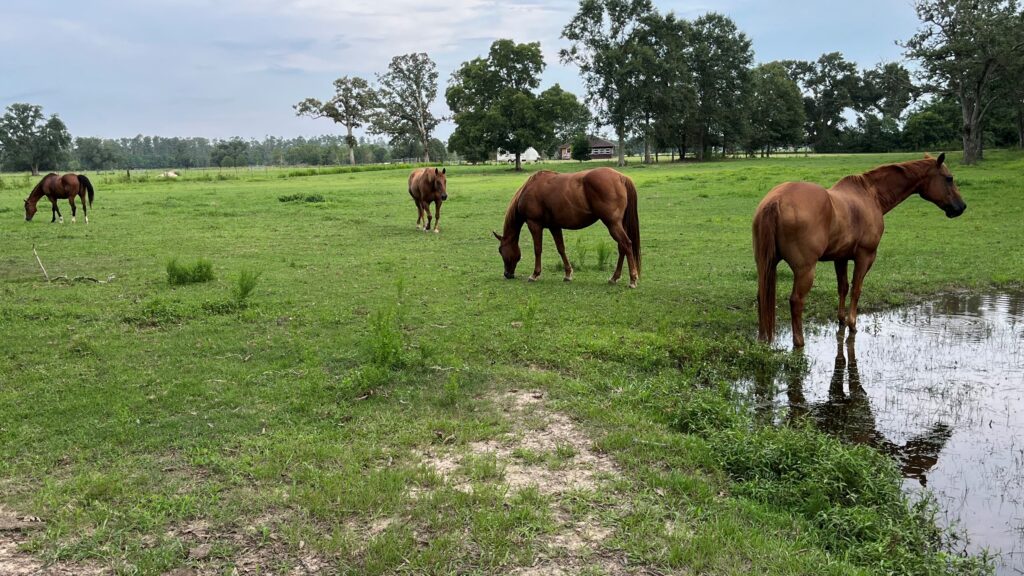
As a horse owner, I don’t see symbolism as separate from the real animal. The speed, courage, sensitivity, and partnership people associate with horses are still easy to recognize when you spend time around them. It’s no surprise that freedom, power, and connection appear again and again in mythology, literature, scripture, and living tradition.
For the practical side of that relationship, I also write about horse ownership, racing, care, and everyday horsemanship. If you’re interested in deeper meanings behind specific horse symbols, see my guides to horse color symbolism, horses in dreams, and the long connection between horses and spirituality.
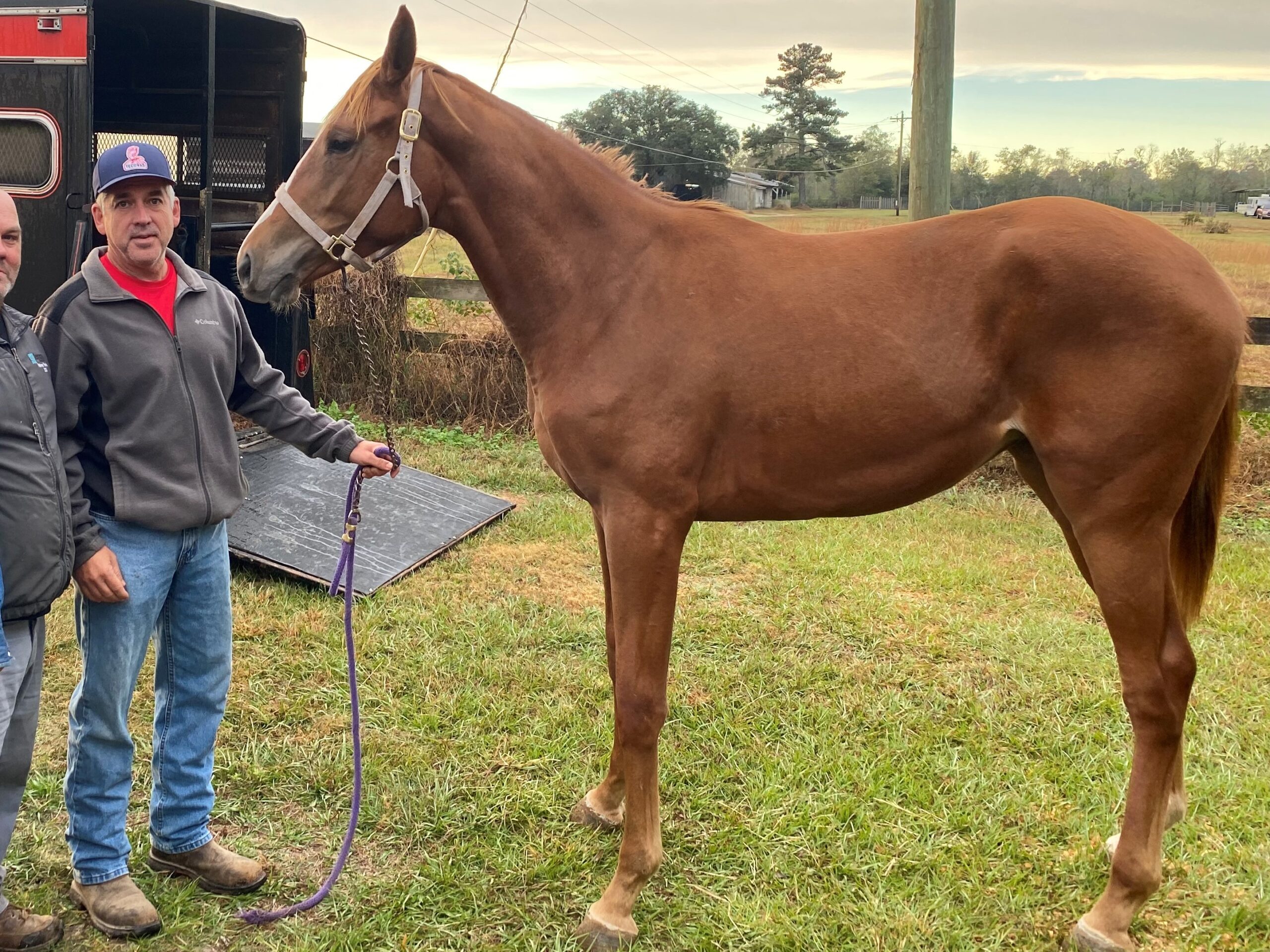
About Miles Henry
Racehorse Owner & Author | 30+ Years in Thoroughbred Racing
Miles Henry (legal name: William Bradley) is a professional horseman based in Folsom, Louisiana. He holds Louisiana Racing License #67012 and has spent over three decades managing Thoroughbreds at premier tracks including Fair Grounds, Delta Downs, and Evangeline Downs.
Expertise & Hands-On Experience: Beyond the track, Miles has decades of experience in specialized equine care, covering everything from hoof health and nutrition to training protocols for Quarter Horses, Friesians, and Paints. Every guide on Horse Racing Sense is rooted in this “boots-on-the-ground” perspective.
30 of their last 90 starts
Equibase Profile.

Connect with Miles: