
Last updated: September 4, 2026
Any links on this page that lead to products on Amazon are affiliate links and I earn a commission if you make a purchase. Thanks in advance – I really appreciate it!
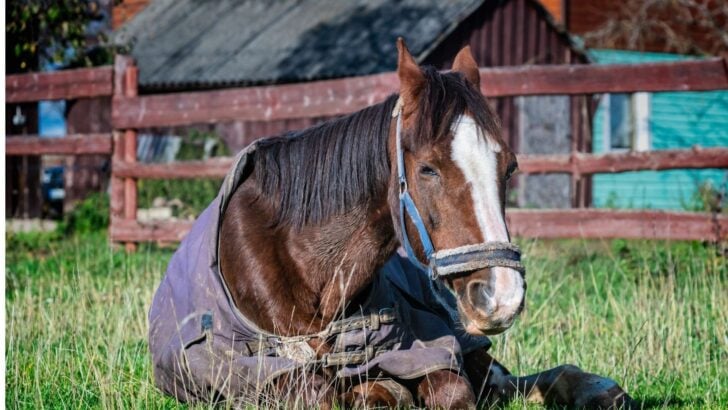
A horse owner rarely forgets the day they have to make the decision to let a horse go. After a trainer friend of mine lost one of his best horses, my granddaughter asked the questions many owners eventually face: how are horses euthanized? Does it hurt? What happens afterward?
Most horses are euthanized by a veterinarian using medication given through an IV. When performed properly, the process is intended to be quick and painless. Afterward, your veterinarian confirms death, and you arrange aftercare such as burial, cremation, or another legal local option.
Below, I’ll explain the methods a vet actually uses, what to expect during and after, what happens to a horse’s remains, and how to put a plan in place before you ever need one – so you can make a clear decision when emotions are running high.
How Veterinarians Euthanize Horses
Making this decision is hard, and most owners lean on their vet’s honest read of the horse’s condition to make the call. The American Veterinary Medical Association’s euthanasia guidelines set the standard veterinarians follow for humane methods, including a dedicated section for horses. After enough years around horses, I’ve found that owners usually don’t struggle with understanding the decision once suffering becomes clear. The harder part is accepting that the horse you’ve cared for, fed, trained, and watched grow may need you to make that final call for them.
Intravenous Euthanasia (the Standard Method)
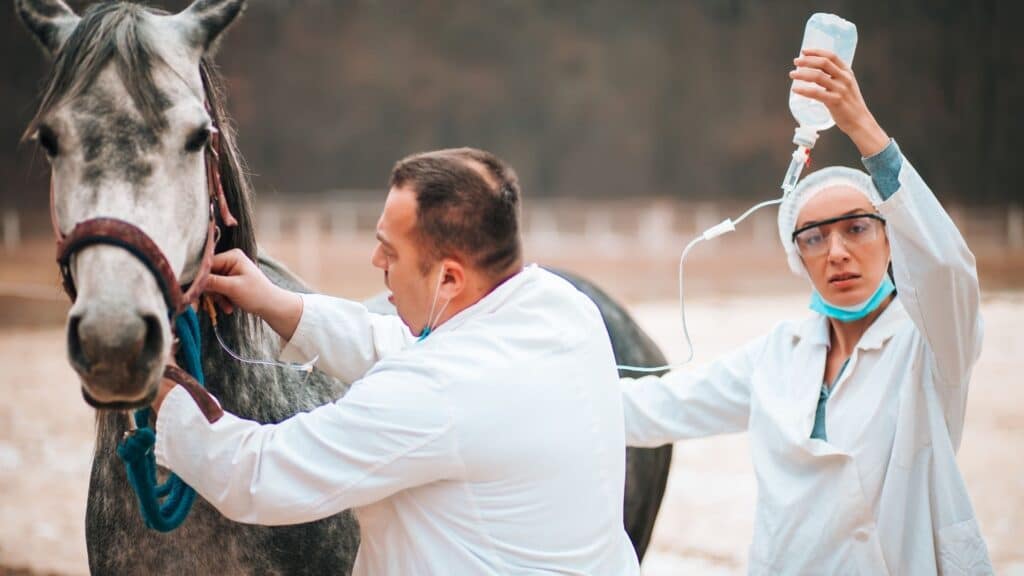
The standard veterinary method uses a barbiturate, usually pentobarbital or a pentobarbital-based solution, given through an IV catheter in the jugular vein. Depending on the horse and the situation, the veterinarian may sedate the horse beforehand to make the process quieter and safer for both the horse and the people handling it. Your veterinarian will choose the drugs and sequence that fit the horse’s condition, temperament, and the setting.
Emergency Methods, When a Veterinarian Isn’t Available
In a genuine field emergency – no vet reachable, no drugs on hand, a horse in immediate, severe distress – a penetrating captive bolt or gunshot may be used instead. These aren’t alternatives to plan around; they exist because sometimes there’s no time to wait for anything else, and they should only ever be carried out by someone trained to do it correctly.
This isn’t a method to attempt without training, and it isn’t something to view as a normal option. Situations like this happen when someone attempts emergency euthanasia without understanding equine anatomy, and the result can be prolonged suffering rather than a quick end. The real takeaway isn’t the mechanics – it’s this: talk to your vet now about what your emergency plan looks like, and know who you’d call if you’re ever in a situation where a vet can’t get there in time.
I know of a case where a horse suffered a life-threatening injury and someone tried to end the suffering with a firearm. The intention was compassionate, but without understanding equine anatomy, the attempt didn’t provide the quick ending the horse needed. It’s exactly the kind of outcome having a real plan ahead of time is meant to prevent.
What to Expect During and After Euthanasia
Ask your veterinarian to walk you through the plan before it begins. Some owners want to stay with the horse until the end; others prefer to say their goodbyes beforehand and step away. There’s no right choice – do whatever you think you can handle.
After the horse loses consciousness, the body may make involuntary movements or take a few reflex breaths. Those moments can be upsetting to witness, but they don’t mean the horse is aware or in pain. Your veterinarian will confirm death before any aftercare arrangements begin.
For the harder question of why a serious leg fracture can lead to euthanasia – especially in a racehorse – see my guide to why racehorses are euthanized after a leg fracture. It walks through the fracture types, the infection and weight-bearing problems, and the actual veterinary decision-making, including cases like Barbaro and Ruffian.
What Happens to the Horse’s Remains
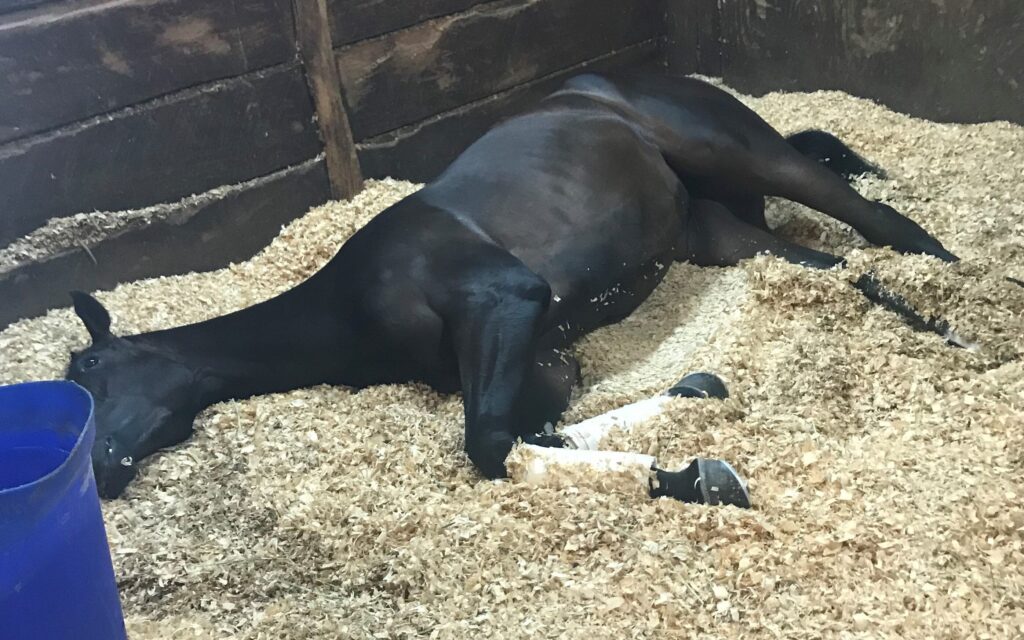
Once your horse has been euthanized, the body has to be dealt with, and that decision is worth thinking through in advance rather than in the moment. Options and availability vary a lot by where you live.
If your horse was euthanized with pentobarbital or a related barbiturate, tell any burial contractor, renderer, landfill, cremation service, or aftercare provider. Drug residue can remain in the carcass, and it’s dangerous to dogs, wildlife, and other scavengers that might get access to it.
Burial
Burial isn’t simple unless you have real digging equipment, like a backhoe, along with enough land and a plan that follows your state and local ordinances – typically a set distance from any water source and a minimum depth of soil cover, though exact requirements vary by jurisdiction. Contact your local parish or county, environmental-health office, animal-control office, or extension office before you bury a horse to confirm what’s actually required where you live.
Cremation
Equine cremation is available in many areas, either through a dedicated horse-aftercare company or through veterinary referral. It’s usually one of the more expensive options, especially once transport is factored in, but it lets you keep the ashes if that matters to you. Ask whether a service offers private cremation, where you get your own horse’s ashes back, or communal cremation, where ashes aren’t returned individually.
Rendering
Rendering is available in some regions. These facilities process animal remains under controlled conditions into industrial products like fats, protein meals, and other materials. Availability varies a lot, and many facilities won’t accept a horse euthanized with pentobarbital, since residue can remain in the tissue and poses a poisoning risk to any animal that later consumes it. Call ahead – don’t assume a facility will take an equine carcass.
Landfill Disposal
Some licensed landfills accept large-animal remains, but plenty don’t take horses at all, and some won’t accept a carcass from a horse euthanized with pentobarbital. Fees are usually based on weight, and transport can end up being the bigger expense of the two. Costs vary widely by location, so call your local landfill directly and ask specifically about horse carcasses and chemically euthanized animals before you count on this option.
Composting
Large-animal composting is another option in some agricultural areas, though it isn’t legal everywhere, and it takes real planning: enough space, a large supply of carbon material like wood chips or manure bedding, and ongoing management over time. It’s not the same thing as leaving a horse in the woods or covering it with a little dirt. Check your local rules and talk to your county extension office before considering it.
When I was young and we lost a large animal on our farm, my grandfather would haul it deep into the woods with his tractor and let wildlife and insects take care of the rest. Years later I actually found the spot – just like he said, the bones were picked clean and scattered across roughly the space of a football field. That’s not a legal option in most places today, which is exactly why it’s worth knowing your actual local options ahead of time rather than figuring it out in the moment.
This video gives an overview of common aftercare choices when a horse dies.

Plan for Horse Euthanasia and Aftercare Before an Emergency
The best time to figure out your aftercare option is before your horse is sick or hurt, not in the middle of an emergency. Call your vet, your county extension office, and any nearby rendering or cremation services now, find out what’s actually available and legal where you live, and know who you’d call at 2 a.m. if you ever needed to. It won’t make the day any easier, but it means you won’t be making those calls for the first time while you’re also grieving.
Humans and horses often develop a deep bond, and burial has historically been one way people expressed that – archaeological sites across the world, from ancient China to Ireland to the Central Asian steppe, show horses buried with real ceremony, sometimes alongside their owners. Today, though, burial mostly comes down to practical questions: land, equipment, and local law.
About Miles Henry
Racehorse Owner & Author | 30+ Years in Thoroughbred Racing
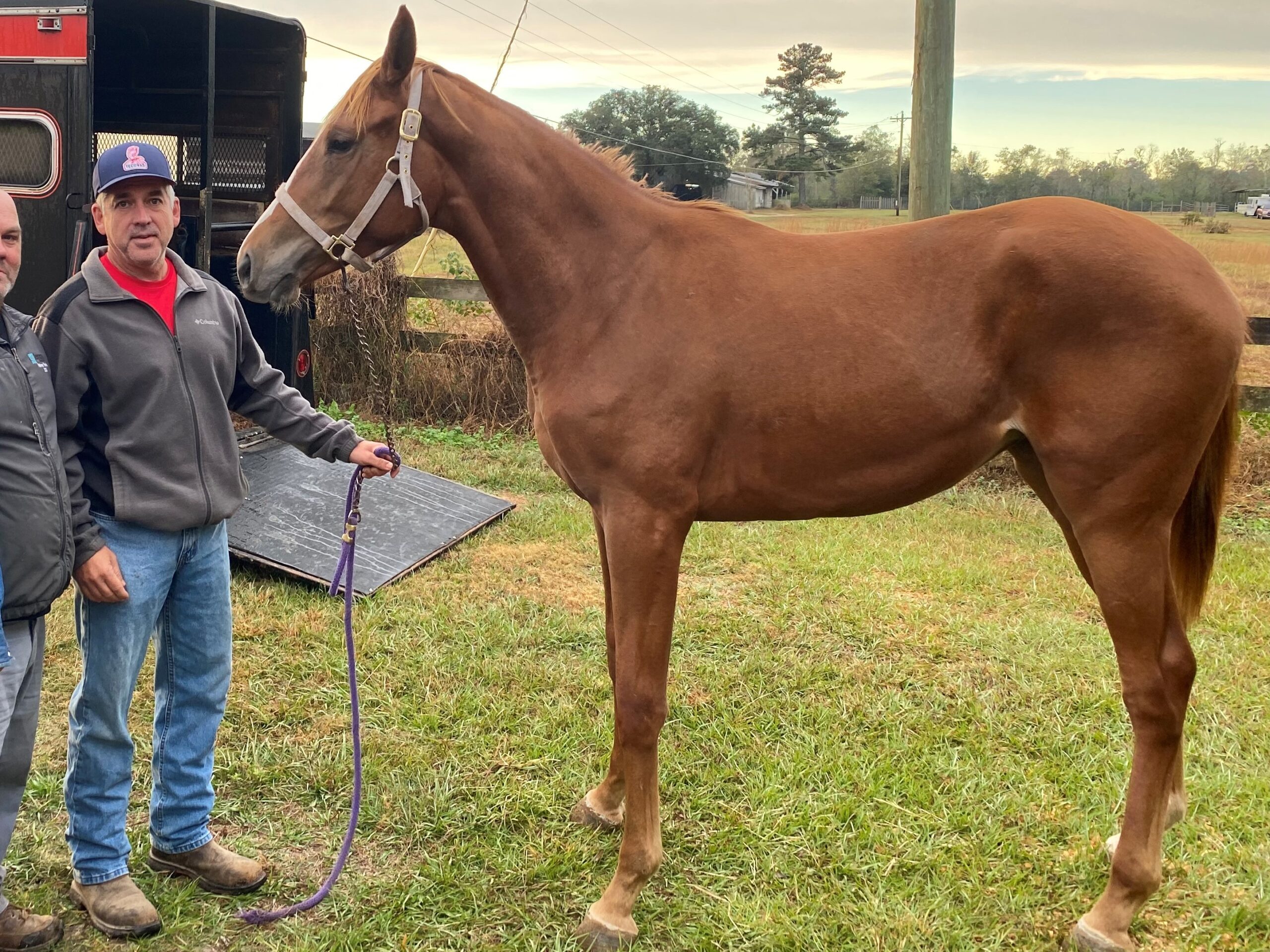
Miles Henry (legal name: William Bradley) is a professional horseman based in Folsom, Louisiana. He holds Louisiana Racing License #67012 and has spent over three decades managing Thoroughbreds at premier tracks including Fair Grounds, Delta Downs, and Evangeline Downs.
Expertise & Hands-On Experience: Beyond the track, Miles has decades of experience in specialized equine care, covering everything from hoof health and nutrition to training protocols for Quarter Horses, Friesians, and Paints. Every guide on Horse Racing Sense is rooted in this “boots-on-the-ground” perspective.
30 of their last 90 starts
Equibase Profile.

Connect with Miles: