

Last updated: June 14, 2026
Is horse racing cruel? It is not accurate to call modern horse racing uniformly cruel. It is also not accurate to call it risk-free or fully resolved. The honest answer is that it depends on the track, the trainer, and the level of oversight — and the data shows those variables matter enormously.
- HISA-regulated tracks (Q1 2025): 0.85 race fatalities per 1,000 starts — a historic low since uniform national rules took effect in 2022
- Non-HISA tracks: 1.76 per 1,000 starts — a gap that shows how much standardized oversight changes outcomes
- Retirement: The Thoroughbred Aftercare Alliance has granted $36M+ to 86 nonprofits since 2012
- Persistent concerns: whip use, overbreeding, gaps in post-retirement tracking, and non-HISA track safety remain unresolved
- The verdict: Under modern welfare standards, the sport is not systematically cruel — but parts of it still can be, and the gap between best and worst practice is wide enough that it matters where you’re looking
I’ve been asked some version of this question for more than 30 years — usually by people who already feel strongly about the answer before they ask it. As a licensed Louisiana racehorse owner with horses currently in active training, I have a stake in the answer — and precisely because of that, I want to give you an honest one rather than a defensive one.
The sport I’ve lived in is not clean. It is also not the caricature it is sometimes made out to be. Neither the “racing is inherently cruel” position nor the “critics just don’t understand” position is accurate, and both make it harder to have the conversation the sport actually needs.
About this article: The observations here draw on direct ownership experience and publicly available welfare data — not secondhand reporting.
Table of Contents
Cruelty vs “Does the Horse Like It” Aren’t the Same Question
People usually ask this question like it has one answer. In the barns, it never does. There are really two different questions underneath it. The first is straightforward: are horses being managed in a way that causes unnecessary harm or avoidable risk?
The second is harder: do horses actually experience racing as something they would avoid if they had a choice? Those are not the same question — and they don’t have the same kind of answer. On welfare, we can look at data, vet work, and outcomes. On experience, we’re reading behavior — gate behavior, recovery, training patterns, stress signals — and trying not to overinterpret what we see.
I’ve seen horses light up at the track and I’ve seen horses that clearly never wanted to be there. Most sit somewhere in between. If you want the deeper breakdown of that behavioral side, I cover it here: Do horses enjoy racing?
Historical Context: What the Sport Had to Fix

Horse racing’s past had real problems. Inconsistent regulation across states allowed medication overuse — Lasix being the most debated example — and limited oversight of training practices. Veterinary care and track surfaces were less advanced, and fracture rates reflected that. Organizations like PETA documented abuses including the use of illegal electric shock devices (jiggers), which caused direct harm. These weren’t fringe incidents. They were the consequences of a sport that, for too long, relied on self-regulation in an environment where the incentives didn’t always align with horse welfare.
The trainers I worked with in the 2000s mostly prioritized horse health — but “mostly” wasn’t good enough as a system. Inconsistent rules across jurisdictions created gaps that bad actors exploited. Overbreeding produced more horses than the industry could responsibly absorb. These challenges are what drove the regulatory overhaul that followed. The question is whether that overhaul has actually addressed them — and the answer is mixed in ways worth understanding carefully.
Current Welfare Standards: Where Things Stand Now
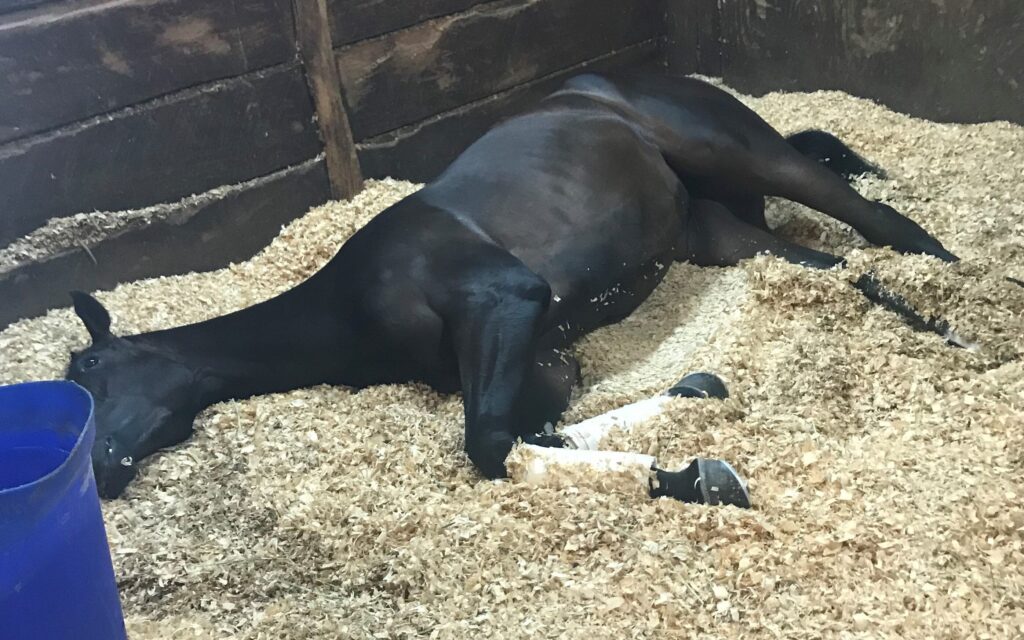
Today’s welfare standards are materially better than they were ten years ago. Dr. Larry Bramlage, one of the leading equine surgeons in American racing, has noted that modern diagnostics now catch issues before they become serious — a claim that matches what I’ve experienced personally. When my gelding Corked tweaked a tendon, imaging identified the extent of the strain early and a rest protocol ensured a full recovery. That level of diagnostic access wasn’t available to owners at the same price point twenty years ago.
Key welfare indicators — horse racing, 2025:
- Race fatalities: 0.85 per 1,000 starts at HISA-regulated tracks (Q1 2025) — a historic low since uniform national rules took effect in 2022 (HISA Q1 2025 Metrics Report)
- Training fatalities: 0.50 per 1,000 workouts under HISA oversight
- Non-HISA tracks: 1.76 per 1,000 starts — a strong indicator of how much standardized oversight changes outcomes
- Veterinary oversight: Daily health checks with X-ray and ultrasound diagnostics are standard at major tracks; horses showing lameness are scratched
- Drug testing: HISA’s Horseracing Integrity and Welfare Unit (HIWU) oversees testing through multiple accredited labs with standardized banned-substance lists
- Track safety: Synthetic surfaces and improved design at venues like Keeneland have reduced certain injury types; BHA-reported padded hurdle redesigns since 2014 have reduced faller rates by 15%
- Aftercare: The Thoroughbred Aftercare Alliance has granted over $36 million to 86 accredited nonprofits since 2012
The gap between HISA-regulated and non-HISA tracks — 0.85 versus 1.76 per 1,000 starts — is among the clearest indicators in the current welfare picture. It reflects real differences in enforcement, track standards, and veterinary intervention. The sport’s welfare story in 2025 is not one story. It’s two stories depending on which tracks you’re looking at.
What 30 Years at the Track Actually Looks Like
I’ve owned horses that were handled exactly the way the public hopes all racehorses are handled. And I’ve also been around long enough to see where that standard breaks down. Horses like Corked were scratched when something wasn’t right — not because it was convenient, but because it wasn’t safe. I’ve had horses treated as long-term athletes, not short-term entries.
Silver Dollar retired in 2020 and moved into a second career as a show horse through a structured aftercare pathway. That’s the version of this sport people don’t always see, but it absolutely exists. But I’ve also seen the other side. I’ve seen horses run when they probably shouldn’t have. I’ve seen recovery pushed too fast. I’ve seen corners cut — not everywhere, but enough to know it happens.
That tension — between good horsemanship and bad decisions — is where most of the real story lives.
I’m describing best practices, not the average. Not every owner plans for aftercare. Not every barn operates the way mine does. Equine welfare researcher Dr. Karen Luke has observed that even within the industry, significant variation exists between operations — and that public trust in the sport depends on transparency about both the best practices and the gaps. She’s right. Citing my own horses as evidence that racing is fine would be the same dishonesty I’m trying to avoid.
Miles’s take: The horses I’ve owned have been well cared for. But I’ve also been around this game long enough to know that care is not evenly distributed across the sport.
The uncomfortable truth is that horse racing contains both exceptional horsemanship and situations that don’t meet that standard. Both exist in the same ecosystem.
If you’re trying to understand this sport honestly, you can’t look at only one side of that reality.

Safety Reforms: 2020–2025 Milestones
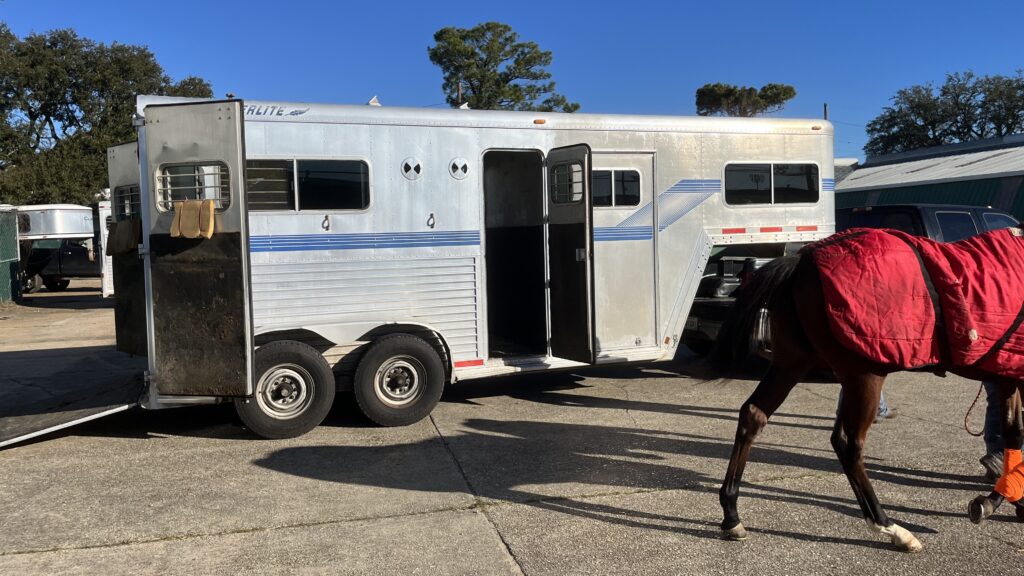
The regulatory changes since 2020 represent the most significant structural shift in American racing’s welfare framework in decades. HISA has driven substantial progress by replacing the patchwork of state-by-state rules with a national framework. The key milestones:
| Reform | When | What Changed |
|---|---|---|
| HISA Racetrack Safety Program | 2022 | Uniform standards for track maintenance, inspection, and safety protocols across participating tracks — ended the state-by-state regulatory gap |
| HIWU Anti-Doping Program | 2023 | Standardized banned-substance list and testing through multiple accredited labs; full nationwide enforcement continues to develop |
| Whip regulations | Ongoing | Softer, padded whips and strict strike limits with penalties for excessive use; whip-free trials underway in Australia |
| Injury transparency | Ongoing | HISA publicly reports injury and fatality data by track, enabling accountability that didn’t exist under state-level systems |
| Microchipping | Recent | HISA microchipping requirements improve post-racing traceability — a key step toward lifecycle reporting advocates have long sought |
The contrast within American racing — non-HISA tracks at 1.76 per 1,000 starts against 0.85 at HISA-regulated venues — is the number that should drive the next round of reform conversations. Globally, the British Horseracing Authority maintains one of the most transparent racing safety frameworks in the world, and France’s France Galop and Australia’s racing bodies have introduced stricter whip rules and additional safety protocols. The direction is consistent across jurisdictions even where the pace differs.
Retirement and Aftercare
The industry’s treatment of horses after their racing careers has historically been its most vulnerable point. “Wastage” — horses leaving the sport without structured transition planning — contributed significantly to the slaughter and neglect concerns that welfare advocates raised most urgently. That picture has changed, though unevenly.
Since 2012, the Thoroughbred Aftercare Alliance has granted over $36 million to 86 accredited nonprofits for retraining and rehoming retired Thoroughbreds. Japan’s Horse Community and France’s Au-Delà des Pistes represent similar international commitments. My mare Silver Dollar’s transition to a show career through a TAA-supported facility is an example of how the system works when it works. The RSPCA’s concern — that not all horses are reliably tracked post-retirement — is also accurate. HISA’s microchipping requirements address the traceability gap directly, but lifecycle reporting remains an area where mandatory standards would make a real difference.
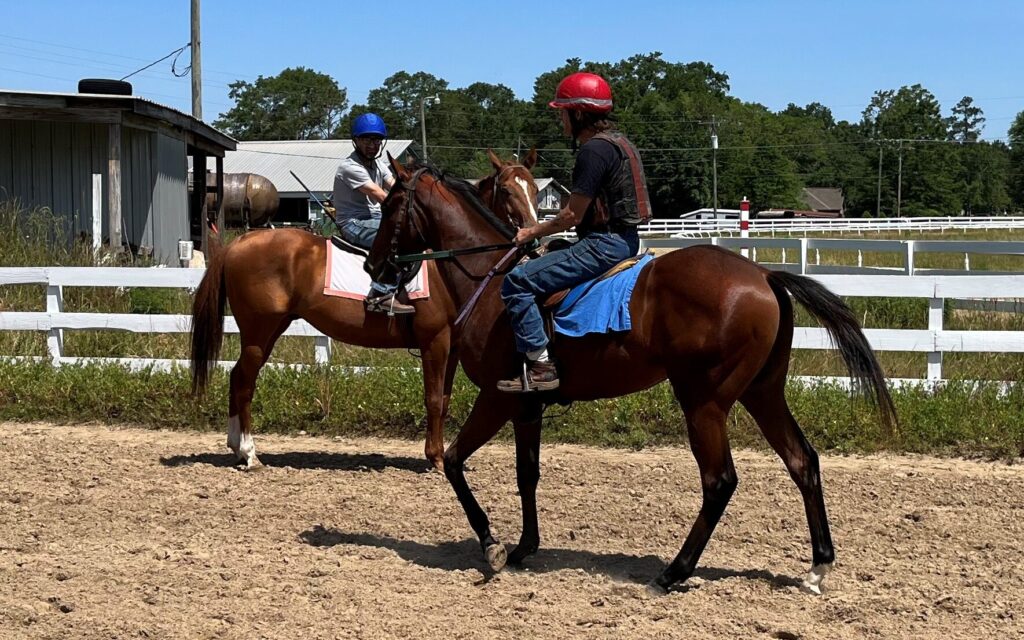
The Ethical Debate: What Critics Get Right and Where the Sport Has Improved
PETA’s position is that horse racing is inherently risky and that the structural incentives of the sport work against genuine welfare. Their concerns center on injury rates, short competitive careers, and overbreeding — which produces more horses than the industry can responsibly place. A 2023 Racing Post analysis estimated that only 60% of Thoroughbreds entering training ever compete in a race, leaving a substantial population without clear futures.
In Britain, Animal Aid reported 214 racecourse deaths and 598 Thoroughbreds sent to slaughter in England in 2024. High-profile tragedies — Eight Belles’ fatal injury in the 2008 Kentucky Derby being the most widely referenced — keep public attention on the gap between the sport’s best practices and its worst outcomes.
The proponents’ case is also real. Dr. Camie Heleski’s research shows that appropriately managed early training helps strengthen developing bones, potentially reducing long-term injury risk. The £27 million in veterinary research funded by the Horserace Betting Levy Board in the UK contributes to health outcomes for racehorses and the wider equine population. Whip-free racing trials in Australia demonstrate that alternatives are viable, even where industry pushback exists.
The real question isn’t whether racing is good or bad. It’s this: how much risk is acceptable in a sport built around equine athletic performance? That’s not a data question. That’s a values question — and reasonable people land in different places on it.
What the critics are right about — and what the industry still needs to answer:
- Overbreeding is a structural problem. The industry produces more horses than it can responsibly place, and no welfare reform addresses that until the supply side changes
- Non-HISA track safety is unacceptable. A fatality rate of 1.76 per 1,000 starts versus 0.85 at HISA tracks isn’t a small gap — it’s a different sport in terms of risk
- Post-retirement traceability gaps are real. Microchipping is a start; mandatory lifecycle reporting would close the gap that allows horses to disappear from the record after their last race
- Whip research has produced a clear finding. Evidence that whipping doesn’t meaningfully increase speed while causing discomfort is a challenge the sport needs to answer with more than regulation — it needs a philosophical shift on whether the tool belongs at all

The Future: What’s Actually Changing
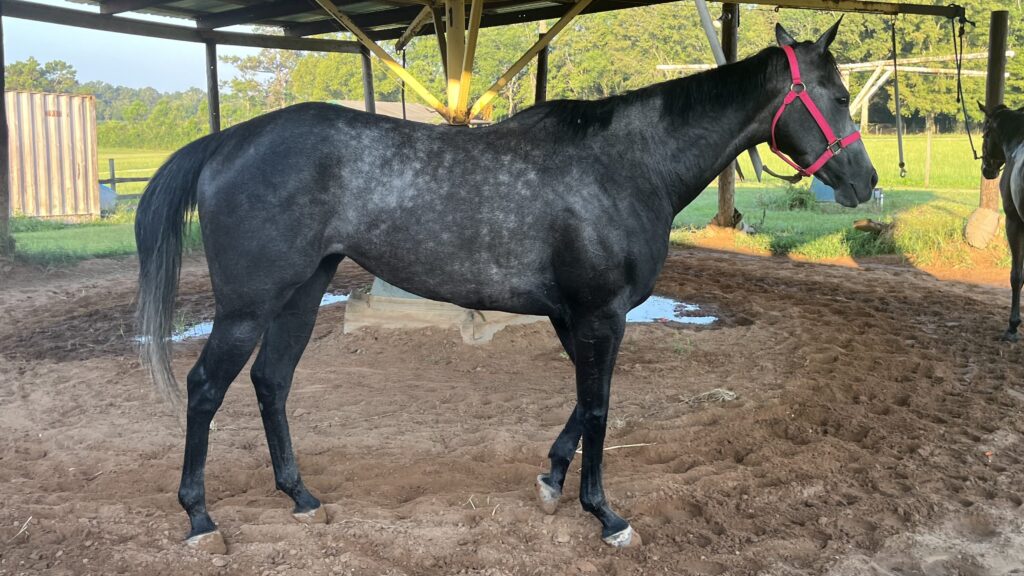
Emerging technology is beginning to change what’s possible in welfare monitoring. AI algorithms that analyze movement patterns and health data can flag horses at elevated injury risk before a problem becomes clinical. Applied at scale, this shifts the intervention point from post-injury treatment to pre-injury prevention — a different category of welfare outcome entirely.
Synthetic track surfaces, now in use at venues including Keeneland and Japan’s Hanshin Racecourse, have been shown to reduce certain injury types compared to traditional dirt. Research from the International Federation of Horseracing Authorities emphasizes the benefits of social housing and enriched environments in reducing stress and improving welfare outcomes. Australia’s Racing Victoria continues pushing for consistent international welfare policies, though universal adoption remains a challenge.
As Dr. Karen Luke has emphasized, public trust in the sport hinges on open data. The accountability that HISA’s injury transparency reporting creates — publishing fatality rates by track — is the structural condition under which genuine improvement becomes possible. You can’t manage what you don’t measure, and you can’t build trust with numbers you won’t share.
Key Takeaways: Is Horse Racing Cruel?
- It is not accurate to call modern horse racing uniformly cruel — and not accurate to call it risk-free. The honest answer is a spectrum shaped by oversight, management, and accountability. Where you look determines what you see
- Cruelty and preference are separate questions. Whether the industry causes unnecessary harm is a welfare question answered by data. Whether horses experience racing positively is a behavioral question answered by observation — and the two don’t resolve the same way
- The data reflects genuine improvement. HISA-regulated track fatalities fell to 0.85 per 1,000 starts in Q1 2025, and training fatalities sit at 0.50 per 1,000 workouts
- The gap between HISA and non-HISA tracks (0.85 vs. 1.76) is among the clearest indicators in the current welfare picture — it shows what oversight achieves and where the next reform effort needs to focus
- Critics are right about overbreeding, post-retirement traceability, and whip research. These aren’t fringe concerns — they’re structural problems the sport hasn’t fully answered
- Aftercare has improved substantially — the TAA’s $36M+ to 86 nonprofits represents a real commitment — but mandatory lifecycle reporting would close the traceability gap that remains
- The future is technology and transparency. AI injury prediction, synthetic surfaces, and public fatality data are the levers that will determine whether the sport’s next decade looks better than its last
- Individual choices matter. The gap between best and worst practice in this sport is wide — choose HISA-accredited trainers, support TAA aftercare programs, and hold the industry to its own stated standards
Frequently Asked Questions
Is horse racing cruel?
It is not accurate to call modern horse racing uniformly cruel — and not accurate to call it risk-free or fully resolved. Under modern welfare standards at HISA-regulated tracks with ethical trainers and planned aftercare, the sport is not systematically cruel. At non-HISA tracks and in operations that cut corners on welfare, the answer is different. The 2025 fatality gap between HISA (0.85 per 1,000 starts) and non-HISA tracks (1.76) reflects how much standardized oversight changes outcomes.
Are racehorses abused?
Most racehorses are not abused. The majority receive quality veterinary care, and harmful practices like electric shock devices (jiggers) are banned and penalized under current rules. However, abuse does occur — the undercover footage that welfare organizations have documented reflects practices that are illegal, which is precisely why enforcement and public transparency matter. For more, see our article on horse abuse in racing.
What are the current safety standards in horse racing?
At HISA-regulated tracks, standards include daily veterinary health checks, mandatory pre-race examinations, uniform drug testing through HIWU’s accredited lab network, and public reporting of injury and fatality data. Track surfaces and design standards are also part of HISA’s program. The Q1 2025 fatality rate at HISA tracks was 0.85 per 1,000 starts — the lowest on record since uniform national rules took effect in 2022.
How are retired racehorses cared for?
The Thoroughbred Aftercare Alliance has granted over $36 million to 86 accredited nonprofits since 2012, supporting retraining and rehoming into second careers including show jumping, dressage, trail riding, and therapy work. International programs include Japan’s Horse Community and France’s Au-Delà des Pistes. HISA’s microchipping requirements are improving post-retirement traceability, though mandatory lifecycle reporting remains an unresolved gap.
Why do horses die in races?
Fatal injuries — most commonly fractures — occur despite safety measures because racing places extreme physical demands on horses. The fatality rate at HISA-regulated tracks (0.85 per 1,000 starts in Q1 2025) reflects meaningful improvement from earlier rates, but the inherent physical demands of the sport mean risk cannot be eliminated entirely — only reduced through better track surfaces, veterinary oversight, and pre-race screening.
Are whips cruel to racehorses?
Research from the University of Sydney found the first conclusive evidence that whips cause discomfort while not meaningfully increasing race speed. Under HISA rules, whips are limited to padded designs with strict strike limits. Australia’s whip-free racing trials demonstrate that alternatives are viable. The weight of evidence increasingly challenges the instrument’s justification beyond basic safety guidance. For the full evidence, see our article: Does Whipping Make Horses Race Faster?
What is being done to improve horse racing welfare?
The most significant reforms since 2020 include HISA’s national safety program, the HIWU anti-doping framework, public injury data reporting, and microchipping for post-retirement tracking. Emerging technology includes AI injury prediction systems and expanded use of synthetic track surfaces. The Thoroughbred Aftercare Alliance has substantially expanded its network. The clearest remaining need is bringing non-HISA tracks under equivalent standards.

About Miles Henry
Racehorse Owner & Author | 30+ Years in Thoroughbred Racing
Miles Henry (legal name: William Bradley) is a professional horseman based in Folsom, Louisiana. He holds Louisiana Racing License #67012 and has spent over three decades managing Thoroughbreds at premier tracks including Fair Grounds, Delta Downs, and Evangeline Downs.
Expertise & Hands-On Experience: Beyond the track, Miles has decades of experience in specialized equine care, covering everything from hoof health and nutrition to training protocols for Quarter Horses, Friesians, and Paints. Every guide on Horse Racing Sense is rooted in this “boots-on-the-ground” perspective.
30 of their last 90 starts
Equibase Profile.

Connect with Miles: