
Last updated: September 14, 2026
Are you thinking about playing polo and wondering whether the sport is as expensive as it looks?
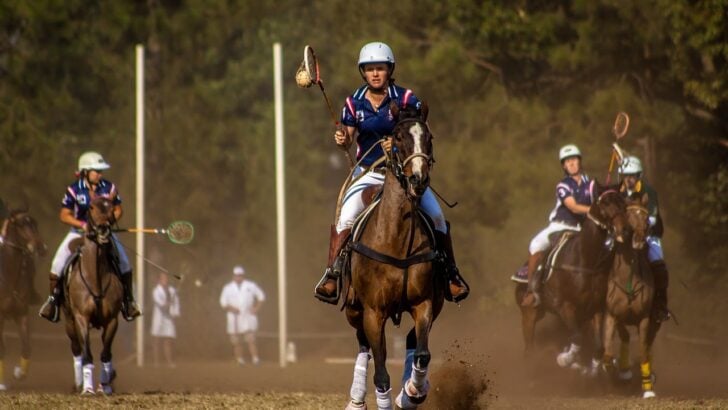
Polo can be an expensive sport – especially if you own horses. The biggest costs are the horses themselves, along with their care, transport, equipment, club fees, and training. But you don’t need to buy a string of polo ponies to get started. Many beginners learn through lessons, clinics, or club-owned horses.
What polo costs depends largely on how you choose to participate. In this article, I’ll break down what it costs to learn the sport, lease or buy polo horses, keep them playing, and see how a beginner budget compares with the high-goal polo world most people see.
What It Costs to Get Started, By How You Play
Searching “how expensive is polo” usually isn’t about a single number – it’s about which financial lane applies to you. Those lanes look very different:
| How you play | What you’re paying for | Realistic budget framing |
|---|---|---|
| One introductory lesson or clinic | Instruction, a borrowed horse, basic gear | Your lowest-commitment way to find out if you like it |
| Regular beginner or arena program | Lessons, horse hire or lease, chukker fees, basic gear, membership | A real seasonal hobby expense, but no horse purchase |
| Club player with owned horses | Several horses or a shared string, plus care, travel, equipment, membership | Ownership turns polo into a serious annual horsekeeping commitment |
| High-goal patron or team program | Elite horses, professional players, staff, travel, tournament costs | A business-scale or patron-funded budget – not a useful benchmark for a beginner |
How Much Does a Polo Pony Cost?
The horse is where the money starts disappearing. Despite the name, modern polo ponies are full-sized horses, typically 15 to 16 hands, most often Thoroughbreds, Argentine-bred Criollo crosses, or a mix of the two. A polo pony can cost anywhere from a few thousand dollars for an older, less-proven school horse to well into six figures for a proven tournament mount.
There isn’t a reliable national price sheet – a horse’s age, soundness, training, playing record, breeding, and location all matter – but these ranges are a useful starting point for buyers shopping the U.S. market. These are buying ranges, not guarantees: a bargain-priced pony can get expensive fast if it needs heavy maintenance, doesn’t suit your level, or can’t stay sound enough to play regularly.
A good polo pony isn’t expensive just because it’s fast. It’s expensive because it has a very specific job: it has to accelerate hard, stop on a dime, turn under pressure, stay mentally settled with other horses running alongside it, and tolerate mallets swinging and contact happening right next to its head. A horse that’s athletic but gets nervous in traffic, ignores the rider, or loses focus around the ball isn’t worth much as a polo horse. That combination of speed, athleticism, training, and a rock-solid mind is hard to find – and hard to replace.
| Type of horse | Typical price | What you’re buying |
|---|---|---|
| School horse / entry-level | $3,000 – $20,000 | Often an older or less-proven horse suited to lessons or lower-level play; inspect soundness, fitness, and rideability carefully |
| Club-level playing horse | $20,000 – $60,000 | A trained, match-ready horse for regular club play, with value shaped by age, soundness, training, and playing record |
| Proven high-goal horse | $60,000 into six figures | A highly trained, competitive horse with a proven record; exceptional horses can bring substantially more |
In a full outdoor match, players commonly change horses between chukkers so no one mount carries the whole game – a player who owns and plays their own horses may keep several in a string, while beginners and many low-goal players lease, share a string, or play only part of a match. Among the people I know who play regularly, four horses is a common working number once someone gets serious about field polo.
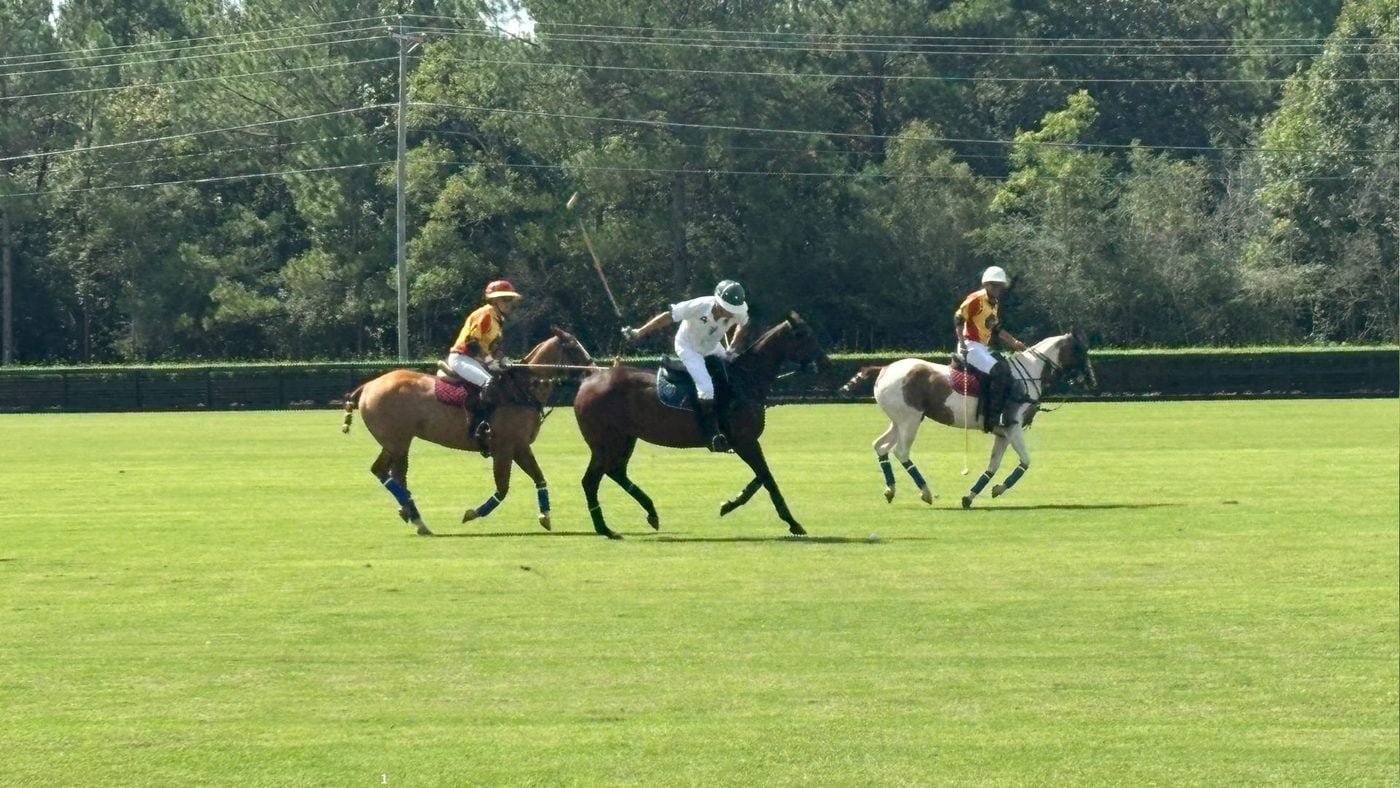
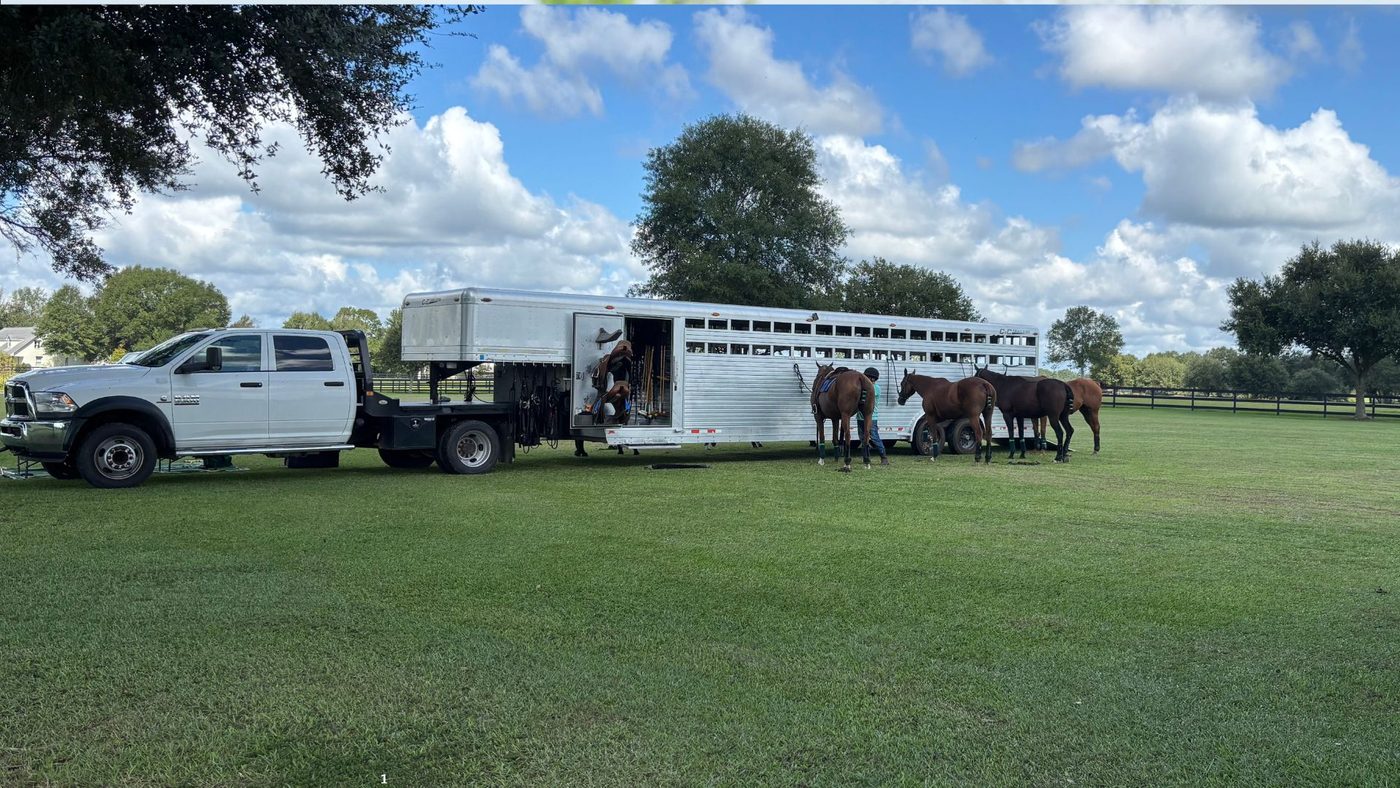
I watched a match this past weekend at Summerfield Farm in Folsom, Louisiana, home of the New Orleans Polo Club – the only active USPA club in the state – and paid attention to the parts a casual spectator might miss. The truck-and-trailer side of it is genuinely where a lot of the expense hides. A dependable rig capable of moving several horses to matches and tournaments can become one of the biggest capital costs in the sport, especially for anyone buying newer equipment rather than using an existing truck, hauling with friends, or hiring transport.
Leasing or riding a club horse is a common route into the game, especially for beginners who aren’t ready to commit to ownership. Rates vary sharply by club, location, horse quality, and whether the fee includes instruction – ask the club directly for its current horse-hire and chukker rates rather than assuming a number. As a rough starting point, hire fees in the low hundreds per chukker are typical at many U.S. clubs, with outdoor grass matches generally running more than arena play. For more on the breeds and skills behind these prices, see my guide to what horses are used for polo.
Other Costs of Playing Polo
The pony is the biggest line item, but it’s far from the only one:
- Transport: A truck and trailer capable of hauling multiple horses to matches and tournaments – depending on whether you already own suitable equipment, buy used, share a rig, or hire transport, hauling can become a major added cost before you ever count the horses
- Lessons: Instruction rates vary by club and region; expect real money for a solid block of lessons before your first chukker, since most beginners need more than one or two sessions to feel safe in traffic
- Equipment: A mallet, helmet, boots, whip, and knee guards for a full starter kit – see my polo equipment guide for a full breakdown
- Club membership and chukker fees: Varies enormously by club prestige and location, from modest seasonal dues at a smaller club to a serious annual commitment at an exclusive one
- Ongoing horse care: Board, feed, farrier, and veterinary care for a string of polo ponies adds up fast on top of purchase price – the same costs that apply to owning any horse, multiplied by however many you keep
- Grooms: Serious players, especially at the tournament level, typically hire grooms to condition, tack up, and manage horses on match day
It’s genuinely hard to pin down a single “cost of polo” number, because it depends entirely on how committed you are. A once-a-month arena chukker on a leased pony and a full club season with your own string of ponies are two completely different budgets.
How to Play Polo Without Buying a String of Horses
Polo has a reputation as a sport for the wealthy, and at the top level that reputation is earned. But many polo clubs and polo schools offer lessons, clinics, or programs designed specifically for beginners, so getting a first taste of the game doesn’t require owning anything:
- Introductory clinics. Many clubs offer mounted beginner lessons or clinics with a horse and basic equipment included. Prices vary by location and format, but a single group lesson is typically far cheaper than buying or even leasing a horse for a season
- Lease before you buy. Leasing a club horse for a season is far cheaper than purchasing, and it’s a common way amateur players start – no long-term commitment, and you can try different clubs before settling in
- Play arena polo. Indoor or arena polo uses a smaller field, fewer players per side, and typically lower fees than full grass-field polo, while still using real horses and real gameplay
- Half-slot arrangements. Some clubs let a player bring one horse and split chukkers with another rider, cutting the number of ponies you personally need to field
- Skip ownership at the club level. Many amateur and low-goal players never own a horse at all – clubs supply and maintain them for a fee, which is often far more practical than owning
Miles’ take: A lot of horse sports have this same on-ramp problem – people assume you need to own the horse to try the sport. Polo clubs generally know this scares people off, which is part of why so many run beginner nights and lease programs. If you’re curious, the cheapest way to find out if you actually like the game is a club clinic, not a horse purchase.
One unusual exception is entering polo through horsemanship rather than ownership. I know a rodeo rider who transition to polo because his existing horse skills translated well. He now plays for teams that provide the horses. It’s uncommon, but it shows that ability can open doors in a sport often associated with wealth.
What High-Goal Polo Actually Costs
The million-dollar reputation comes from high-goal polo, where a patron-backed team may carry an elite string, hire professionals and grooms, travel extensively, and pay substantial tournament costs. At that level, a season can run into seven figures – which is why high-goal teams are almost always backed by a wealthy patron rather than funded by the players themselves.
That’s not the budget a beginner should use to decide whether to try polo. For most newcomers, the real question is whether a nearby club offers instruction and horses to lease – not what a patron spends chasing high-goal tournaments.
FAQ
Is polo expensive?
Yes, especially once you own horses. Trying polo through a lesson or leased club horse is far more affordable than most people assume, but a season of regular club play adds up, and buying a string of trained horses is a serious ongoing commitment on top of the purchase price.
How much does a polo pony cost?
A trained polo horse can range from several thousand dollars for an entry-level horse to tens of thousands for a competitive club horse, with proven high-goal horses reaching six figures. Price depends on training, age, soundness, playing record, and local market conditions, so treat any range as a starting point, not a substitute for evaluating the individual horse.
Can you play polo without owning a horse?
Yes. Many amateur and club-level players lease or ride club horses rather than owning a complete string, and many clubs offer beginner clinics with a horse included – the cheapest way to find out if you like the sport before committing to a lease or ownership.
Why do trained polo horses cost so much?
A good polo horse needs more than athletic ability. It has to be trained to stop, turn, accelerate, carry a rider safely in traffic, follow the ball, and stay manageable in a fast, physical game. A proven horse with that skill set, soundness, fitness, and a real playing record commands more than an untrained prospect.
A note on these costs: Polo prices vary more than most newcomers expect. The ranges in this guide are broad U.S. estimates based on current sale listings, club programs, and the level of horse or service involved – not a fixed price sheet. Before committing, get current numbers directly from clubs in your area, and price a full season, not just the horse or the first lesson.
Polo earns its reputation as an expensive sport at the top level, but that reputation shouldn’t scare off someone just curious to try it. A beginner clinic and a leased horse cost a fraction of what team owners spend chasing high-goal tournaments. Start with a lesson before you start pricing ponies.
About Miles Henry
Racehorse Owner & Author | 30+ Years in Thoroughbred Racing
Miles Henry (legal name: William Bradley) is a professional horseman based in Folsom, Louisiana. He holds Louisiana Racing License #67012 and has spent over three decades managing Thoroughbreds at premier tracks including Fair Grounds, Delta Downs, and Evangeline Downs.
Expertise & Hands-On Experience: Beyond the track, Miles has decades of experience in specialized equine care, covering everything from hoof health and nutrition to training protocols for Quarter Horses, Friesians, and Paints. Every guide on Horse Racing Sense is rooted in this “boots-on-the-ground” perspective.
30 of their last 90 starts
Equibase Profile.

Connect with Miles: