Last updated: August 14, 2026
There is no single best horse breed. The right one depends on what you want the horse to do, how much experience you have, and – just as important – which individual horse you’re actually looking at.
A Thoroughbred that’s brilliant on the track may be the wrong match for a nervous first-time rider, while a quiet, seasoned Quarter Horse may not have the training someone wants for competitive dressage. After years around horses, I’ve learned that breed can point you in the right direction, but temperament, training, soundness, and suitability decide whether a horse is truly right for you.
Written by Miles Henry, a longtime Thoroughbred and Quarter Horse owner and licensed racehorse owner.
What’s the best horse breed? There is no single best breed for every rider. For many beginners and all-around riders, a mature, well-trained American Quarter Horse or Morgan can be a strong place to start. Thoroughbreds and Quarter Horses are built for speed; Arabians are the breed most closely associated with endurance; and purpose-bred sport-horse Warmbloods are common choices for dressage, show jumping, and eventing. But breed is only the starting point – choose an individual horse whose temperament, training, soundness, and size fit the job and the rider.
Table of Contents
Best Breeds by Riding Goal
Skip straight to your situation – each section below covers the breeds I’d actually recommend, and links to a full profile for anything you want to go deeper on.
| Goal | Breeds to Consider | Horseman’s Note |
|---|---|---|
| Beginner / general riding | American Quarter Horse, Morgan | Look first for a mature, quiet, sound horse with proven training – not a breed label. |
| Flat or Quarter Horse racing | Thoroughbred, American Quarter Horse | Thoroughbreds are the primary breed for flat racing; Quarter Horses specialize in short sprint races. |
| Endurance riding | Arabian, Arabian-cross | Arabians are the breed most closely associated with endurance, but conditioning, soundness, and management matter enormously. |
| Dressage | Sport-horse Warmbloods, Andalusians, other suitable crosses | The horse’s training, movement, and rideability matter more than a breed list alone. |
| Jumping and eventing | Sport-horse Warmbloods, Irish Sport Horses, Thoroughbred crosses | These sports demand athleticism, soundness, bravery, and training across different phases. |
| Trail and Western riding | American Quarter Horse, American Paint Horse, Appaloosa | A seasoned individual with good manners and a safe trail history matters more than color or registry. |
| Driving | Friesian, Morgan, draft and draft-cross horses | Choose for training, temperament, soundness, and the type of vehicle work planned. |
Best Overall Breeds for Beginners
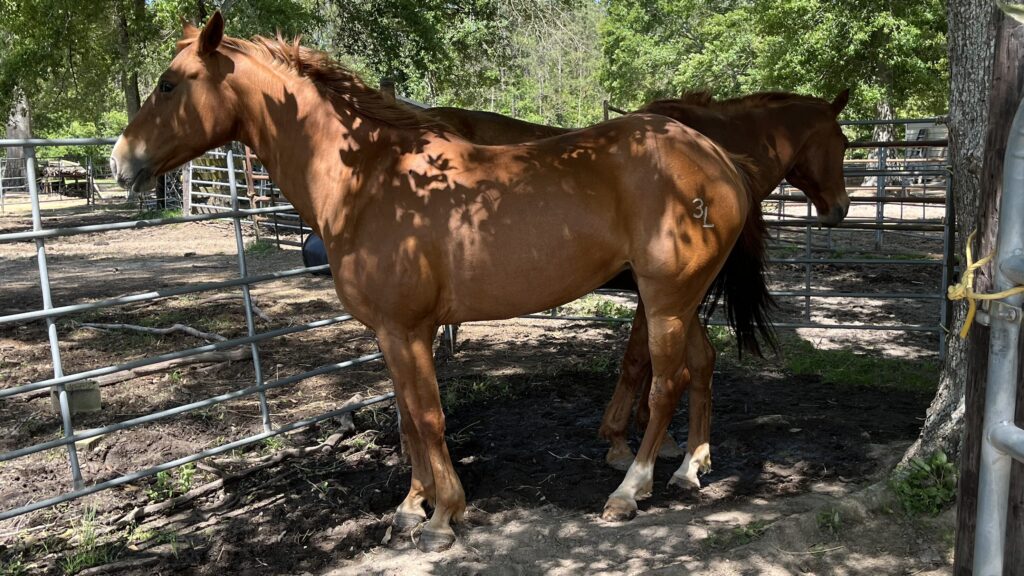
American Quarter Horse: This is one of the first breeds I would consider when helping a beginner narrow the search – but I’d still tell you to buy the individual horse, not the label. A mature, well-trained Quarter Horse can be a forgiving, versatile partner for Western riding, trail riding, and plenty else. This is my own background breed, and their compact, muscular build and genuine versatility are real strengths – but bloodlines, training, age, and the horse’s individual mind matter just as much as breed reputation.
A well-bred Quarter Horse can still be green, forward, sore, poorly trained, or simply unsuitable for the person buying it. That is why I would always judge the horse in front of me before relying on the breed’s reputation. For more on the breed’s history, registry standards, and disciplines, see the American Quarter Horse Association.
Morgan: Compact, muscular, and often genuinely easy-going, Morgans are one of the earliest breeds developed in the US and remain genuinely all-around – equally comfortable in a dressage arena, on a trail, or in harness. A reasonable pick for a family horse that needs to do a little bit of everything, though as with any breed, an individual horse’s temperament and training still matter more than the breed name.
Best Breeds for Speed and Racing
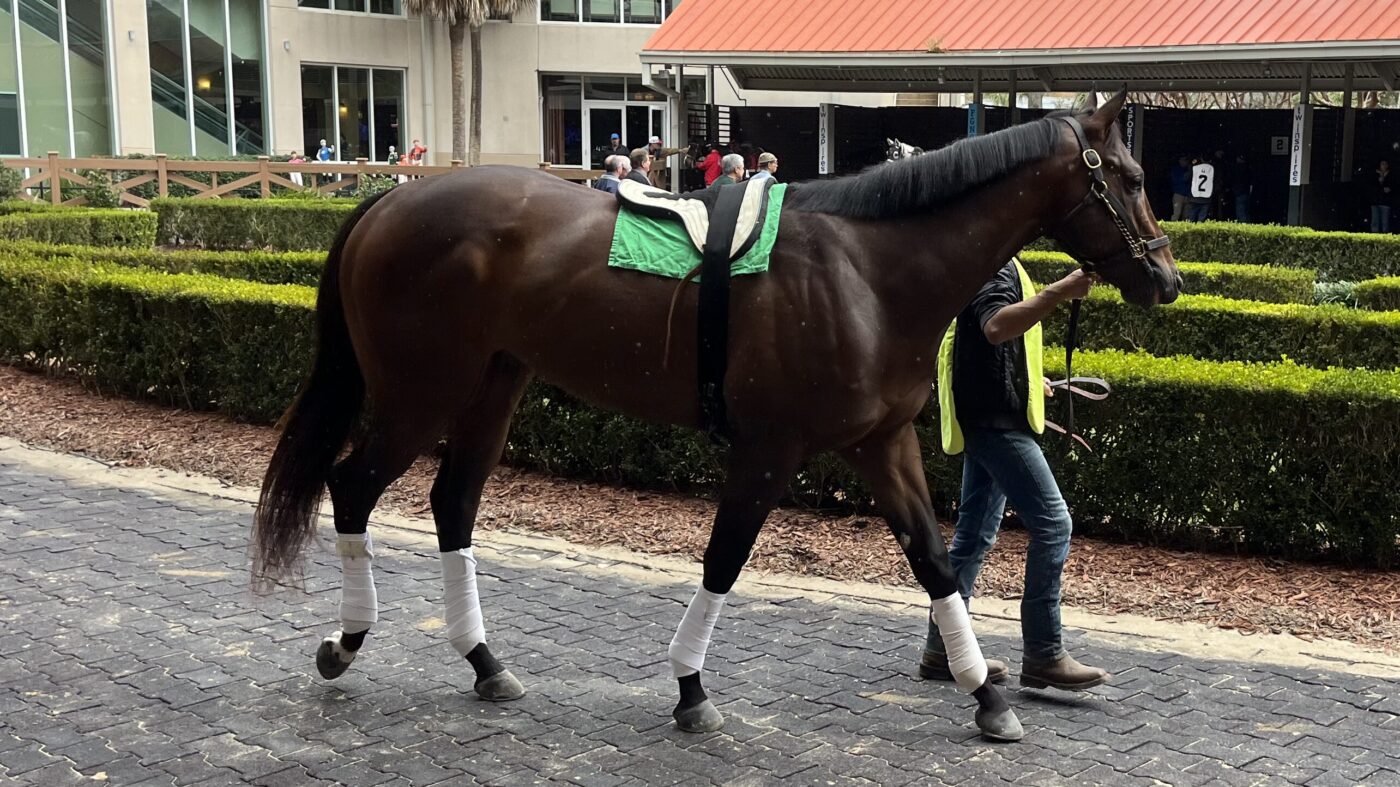
Thoroughbred: Thoroughbreds are the breed that defines modern flat racing, selected for generations for speed and athleticism across many distances, from sprints to classic routes. I’ve spent most of my horse life around them, and I think they’re one of the most misunderstood breeds out there. People see the speed and intensity on the track and assume every Thoroughbred is too much horse. The truth is more nuanced – their intelligence, sensitivity, and work ethic can make them outstanding athletes when matched with the right rider, but those same qualities can make a green or poorly matched Thoroughbred genuinely too much horse for an inexperienced one. More on what makes them fast.
Quarter Horse: Named for its dominance at exactly a quarter mile, where its explosive acceleration beats a Thoroughbred over that short a distance. That same quickness and agility carries over into reining, cutting, and rodeo events – though as with any breed, the individual horse’s training and soundness matter more than the name on its papers.
Best Breeds for Endurance
Arabian: Arabians have been selected for generations for efficiency, toughness, and stamina, which is why the breed has long dominated competitive endurance riding. They’re bright, athletic horses that often form strong bonds with their people. But I wouldn’t recommend one to a first-time buyer simply because the breed has a good reputation – an Arabian’s energy level, training, and handling history still need to match the rider standing in front of it. The Arabian Horse Association has additional information on the breed’s history, characteristics, and uses.
Best Breeds for Dressage and Show
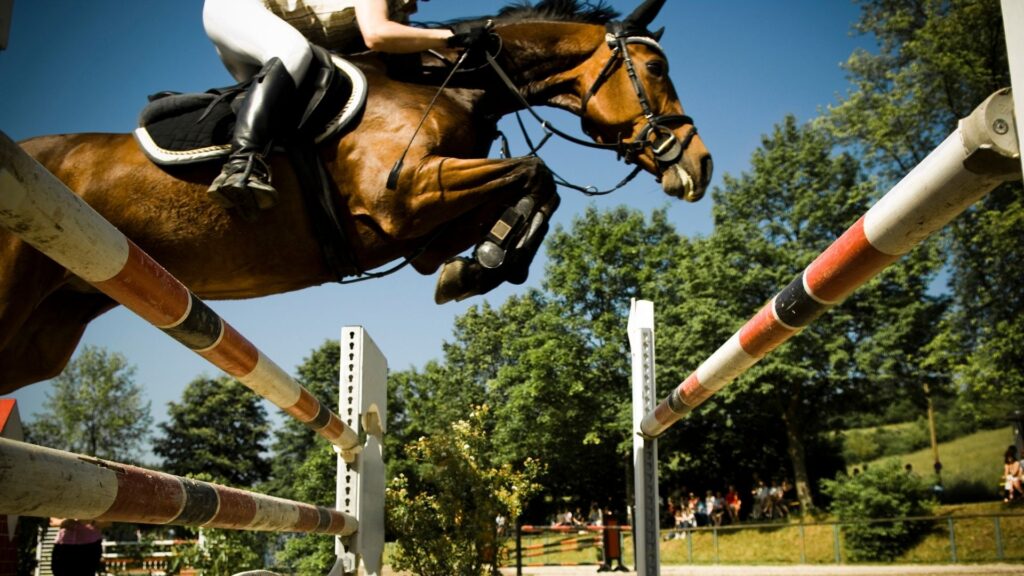
Sport-horse Warmbloods: When someone’s goal is modern competitive dressage, show jumping, or eventing, purpose-bred sport-horse Warmbloods are often the most obvious starting point. Their breeding emphasizes athletic movement, scope, rideability, and soundness for sport, though individual quality varies widely from horse to horse.
Irish Sport Horse (Warmblood cross): A cross of Irish Draught and Thoroughbred bloodlines that produces real power and stamina without losing trainability – a common sight at the top of eventing and show jumping specifically because it can handle all three eventing phases well.
Andalusian: Andalusians have a long connection to classical riding, working equitation, and collected work. Their presence, agility, and expressive movement appeal to riders who want that style of horse, but they aren’t the dominant type in elite modern international dressage the way sport-horse Warmbloods are – their suitability still depends on conformation, training, and the level of competition you plan to pursue.
Friesian: Instantly recognizable – jet black, heavily maned, with a strong following in driving, exhibitions, and lower-level dressage. Many are known for a willing, people-oriented disposition, but temperament varies by individual, and a horse this large and powerful still demands experienced, confident handling regardless of breed reputation.
Best Breeds for Trail and Western Riding
American Quarter Horse: Already covered above, and worth repeating here – this is the default Western and trail breed for a reason.
American Paint Horse: Genetically closely related to the Quarter Horse (many are eligible for both registries), with the same sensible Western temperament plus the distinctive pinto coloring. A real, capable working and show horse, not just a color breed.
Appaloosa: Hardy, versatile, and independent-minded but trainable, with the spotted coat that makes them instantly recognizable. Originally bred by the Nez Perce for exactly this kind of demanding, all-purpose work.
How to Actually Choose
Breed can narrow the search, but it shouldn’t make the final decision. If I were helping someone buy a horse, I’d judge the individual in this order: safety and temperament, training for the intended job, soundness, and only then breed, color, or pedigree. I’ve seen people buy a horse because the breed checked every box on paper, only to realize the individual horse standing in front of them wasn’t the right match. The horse in front of you matters more than the registry certificate.
Buy the training level you need
Most first-time and recreational buyers are better served by a mature horse with real miles in the exact job they want to do. A horse that has safely carried riders on trails, stood for the farrier, loaded in a trailer, and handled time off is usually a safer prospect than a talented young horse from the “perfect” breed.
See the horse handled and ridden first
Watch the owner or trainer catch, groom, tack up, mount, and ride the horse before you get on. If trail riding is the goal, ask to see the horse outside the arena. If you expect to haul, compete, or ride alone, ask honest questions about how the horse handles those exact situations.
Get a pre-purchase veterinary exam
Breed reputation does not replace a pre-purchase veterinary examination. Discuss the intended use with your veterinarian, and make sure the exam is appropriate for the horse’s age, price, history, and the work you plan to ask of it.
Ask about the ordinary days, not just the good ones
Ask whether the horse stands tied, loads, clips, bathes, behaves for the farrier, handles turnout, and returns to work well after time off. These everyday details often affect ownership satisfaction more than a breed’s reputation ever will. Size and care needs matter too – larger breeds like the Clydesdale and Friesian need more stabling space, feed, and grooming attention (especially feathered legs) than a compact Quarter Horse or Morgan, and any breed can carry its own known health considerations worth discussing with a vet familiar with it.
For most recreational buyers, a safe, sound, trained individual is usually a better choice than an unsuitable or difficult horse from the “ideal” breed on paper.
Other Horse Breeds Worth Knowing
The breeds above cover many of the most common riding goals, but they are far from the only horses worth considering. The following breeds can be excellent matches when their natural abilities line up with the rider’s needs.
Tennessee Walking Horse: A popular choice for riders who value a naturally smooth gait and long, comfortable hours in the saddle. As with any gaited breed, ride the individual horse and make sure its way of going feels comfortable and safe to you.
Standardbred: Bred for harness racing, many Standardbreds make sensible second-career riding and driving horses after leaving the track. Their temperament, prior handling, retraining, and soundness determine whether they are a fit.
Mustang: Mustangs can be hardy, athletic horses, but adopted horses may need a patient and capable handler, especially early in the gentling and training process.
Haflinger: Sturdy, compact, and versatile, Haflingers can fit family, driving, and recreational riding homes when the individual horse has the right training and temperament.
Paso Fino: Known for a smooth four-beat lateral gait, Paso Finos appeal to riders who prioritize comfort in the saddle over long distances.
Clydesdale: The classic heavy draft breed – enormous size and strength paired with a temperament that’s often more manageable than you’d expect given their scale. Programs that use drafts for driving or therapeutic work still select individual horses for temperament, soundness, and training, not breed alone. Not a beginner’s first riding horse, but a real workhorse in the true sense.
FAQs About the Best Horse Breeds
What is the best horse breed for beginners?
American Quarter Horses and Morgans are often good breeds for beginners to consider because many individuals are versatile and sensible.. However, the safest choice is usually a mature, sound, well-trained horse with a proven history carrying riders at your level – not simply a horse from a “beginner-friendly” breed.
What is the fastest horse breed?
Quarter Horses are generally considered the fastest horses over very short distances, including the quarter-mile sprint that gave the breed its name. Thoroughbreds are the dominant breed in flat racing over longer distances. The right answer depends on the distance being measured.
What is the best horse breed for trail riding?
American Quarter Horses, American Paint Horses, and Appaloosas are the most common choices for trail riding, valued for their sensible temperament, sturdy build, and stamina over variable terrain.
Should a beginner buy a young horse?
Usually, no. Most beginner riders are better off with a mature, experienced horse that has already proven it can safely do the work they want to do. Young horses can be rewarding projects, but they require consistent training, confident handling, and a real tolerance for the unexpected.
Is there really one single best horse breed?
No. The right breed depends entirely on what you plan to do with the horse – the breed that dominates racing isn’t the same one you’d want for a calm first riding horse or a driving horse. Match the breed to your actual goal, then match the individual horse to your actual skill level, rather than looking for one universal answer.
About Miles Henry
Racehorse Owner & Author | 30+ Years in Thoroughbred Racing
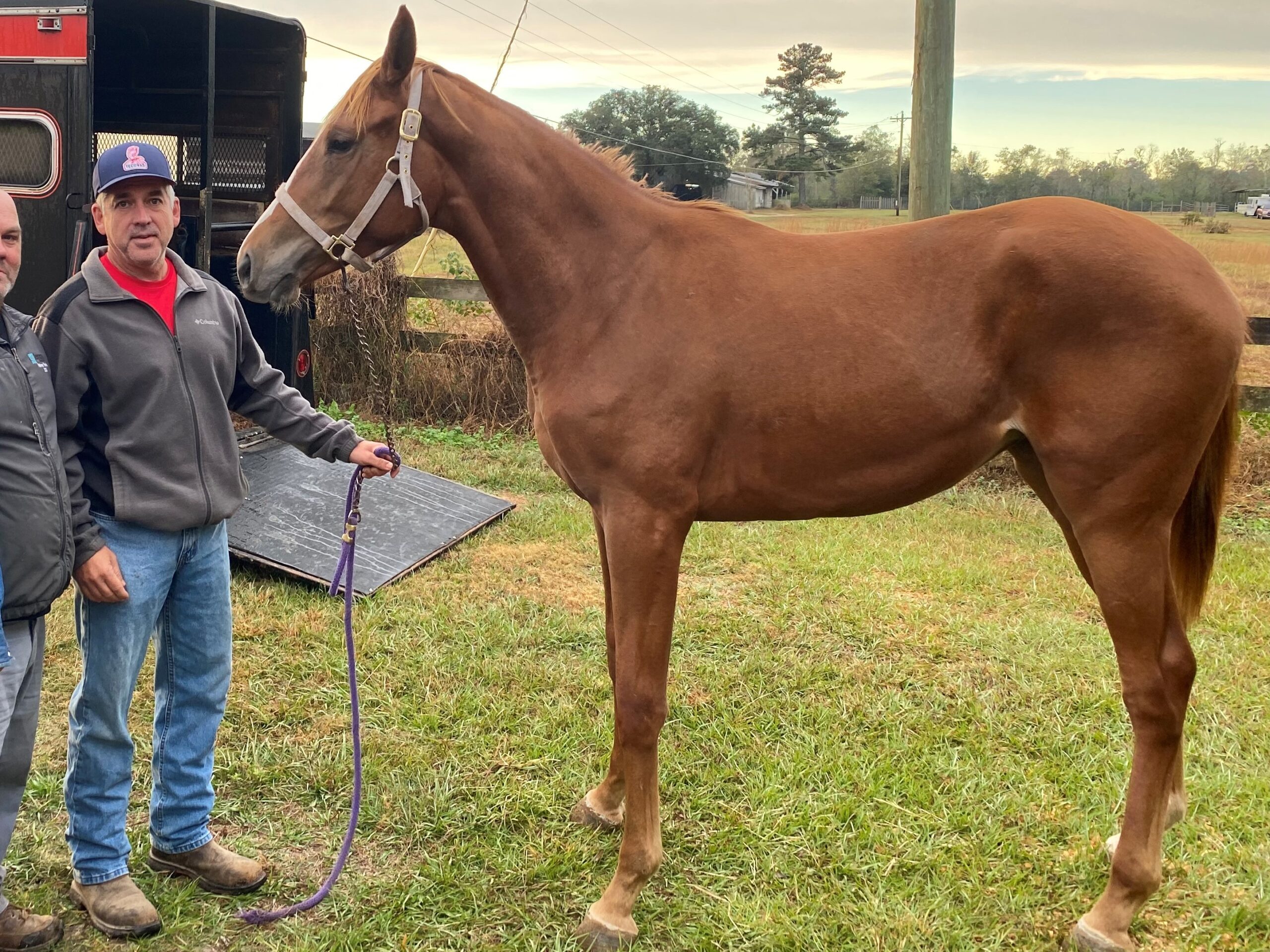
Miles Henry (legal name: William Bradley) is a professional horseman based in Folsom, Louisiana. He holds Louisiana Racing License #67012 and has spent over three decades managing Thoroughbreds at premier tracks including Fair Grounds, Delta Downs, and Evangeline Downs.
Expertise & Hands-On Experience: Beyond the track, Miles has decades of experience in specialized equine care, covering everything from hoof health and nutrition to training protocols for Quarter Horses, Friesians, and Paints. Every guide on Horse Racing Sense is rooted in this “boots-on-the-ground” perspective.
30 of their last 90 starts
Equibase Profile.

Connect with Miles: