

Last updated: November 23, 2026
Your horse lives in a pasture, eats hay, and costs more than your truck payment, but you’d still call him family. So is a horse a pet, or is he livestock?
Here’s how that distinction works, what it means for taxes, and what to think about before keeping a horse as a companion.
Table of Contents

Is a Horse a Pet or Livestock?
Calling a horse a pet describes the place he has in your life. Calling him livestock describes how a particular law or program treats him. One label doesn’t rule out the other.
A retired horse kept for companionship is different from a racehorse or broodmare used in a business. But calling either one a pet doesn’t, by itself, settle how the law or the IRS treats him.

What the 2018 Farm Bill Said About Horses
The 2018 Farm Bill addressed horses in its Pet and Women Safety (PAWS) Act provisions, which protect the pets, service animals, and emotional support animals of domestic violence victims. An earlier Senate version included horses in its definition of pets. Within those provisions, the final law lists horses separately rather than including them in the pet category.
The American Horse Council supported that change because it helped preserve horses’ recognition as livestock for agricultural programs, including certain federal livestock and animal health programs. That’s a specific distinction within one law, not a rule that a horse can never be someone’s pet.
Are Horses Considered Livestock for Tax Purposes?
Yes. The IRS includes horses in its livestock rules for business property, but simply owning a horse doesn’t make him a business asset or make his care deductible.
Certain horses used for breeding, work, or sport may qualify for Section 1231 treatment when sold after being held for at least 24 months. Horses held mainly for sale to customers don’t qualify, and depreciation can affect how a gain is taxed.
A horse kept only for personal riding doesn’t become a business asset just because you call him livestock, so his feed and vet bills aren’t deductible. For activities that consist mainly of breeding, training, showing, or racing horses, a profit in at least two of seven consecutive tax years generally creates a presumption that the activity is carried on for profit. Missing that test doesn’t automatically make it a hobby, since how you run the operation also matters. Talk to a tax professional who knows horse businesses. I’m not one, and this isn’t tax advice.
Is a Horse a Farm Animal?
Yes. Horses have worked on farms and ranches for centuries, pulling plows and wagons, hauling logs, and working cattle. Large draft breeds like the Belgian were bred for heavy pulling, and Quarter Horses are still widely used for ranch work, especially handling cattle.
On my grandfather’s cattle ranch, the Quarter Horses were there to work cattle, plain and simple. Nobody called them pets, but they were well cared for, because a good ranch horse was worth a lot to that operation.

Are Horses Exotic Pets?
No. Horses aren’t generally considered exotic pets. They’re domesticated animals with a long history of farm, sport, and recreational use. Definitions of exotic animals vary by state and city, but horses are usually treated separately from the wild or nontraditional species people call exotic pets.
Local rules still matter, though. Many cities and subdivisions treat horses as livestock under zoning codes, which can limit or ban them on residential lots. Check your zoning and any HOA rules before you bring a horse home.
Can You Keep a Horse as a Pet?
You can, and lots of people do, especially with retired horses, minis, and old family horses. But a horse isn’t a dog. Even when you keep one strictly for companionship, he still needs:
- Land and shelter. Room to move, safe fencing, and a run-in shed or barn
- Company. Horses are herd animals and do best with a compatible companion, such as another horse or a donkey
- Daily care. Forage, clean water, and someone checking on them every day
- Regular costs. Hoof trims, vaccinations, deworming, dental care, and vet visits. Horses can live 25 to 30 years, so keeping a horse at home is a long-term commitment
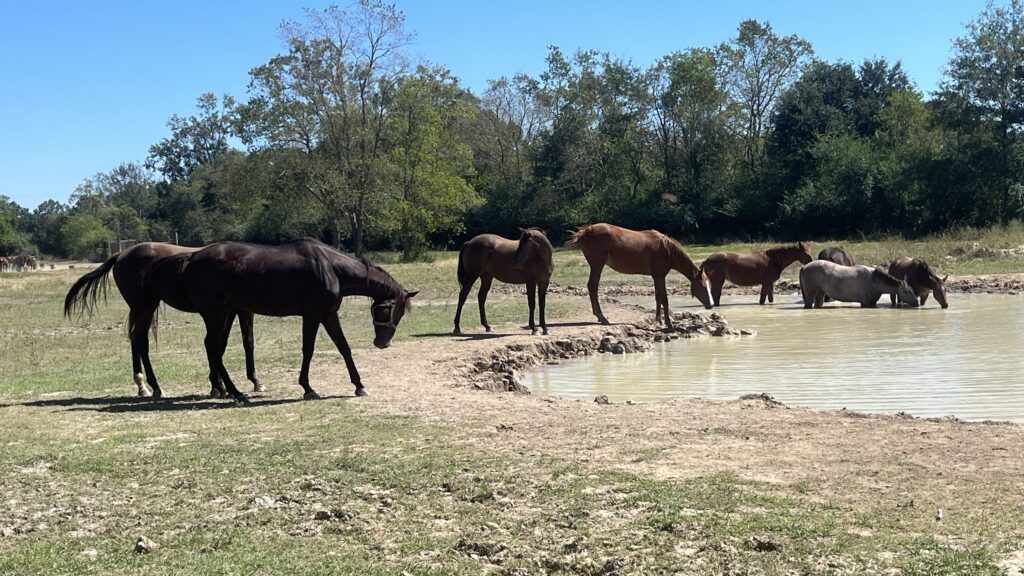
If you have dogs, they can share the farm with a horse too. Some breeds settle around horses better than others, and dogs and horses can get along with the right introduction. I’ve had Jack Russells and Mountain Curs do well around my horses, and there’s a list of the best dog breeds for horse farms if you’re picking one.

Horses as Pets FAQs
Do horses like being petted?
Many do, but it depends on the horse and where you touch him. A relaxed horse may lower his head, soften his eyes, or lean into a scratch on the withers. If he pins his ears, swishes his tail, or moves away, he’s had enough.
Are horses considered livestock in every state?
Not necessarily for every purpose. Horses are commonly treated as livestock under farm and tax rules, but state and local definitions can differ. Zoning, property taxes, and animal-control rules may each use their own definition, so check the rules where you live.
About Miles Henry
Racehorse Owner & Author | 30+ Years in Thoroughbred Racing
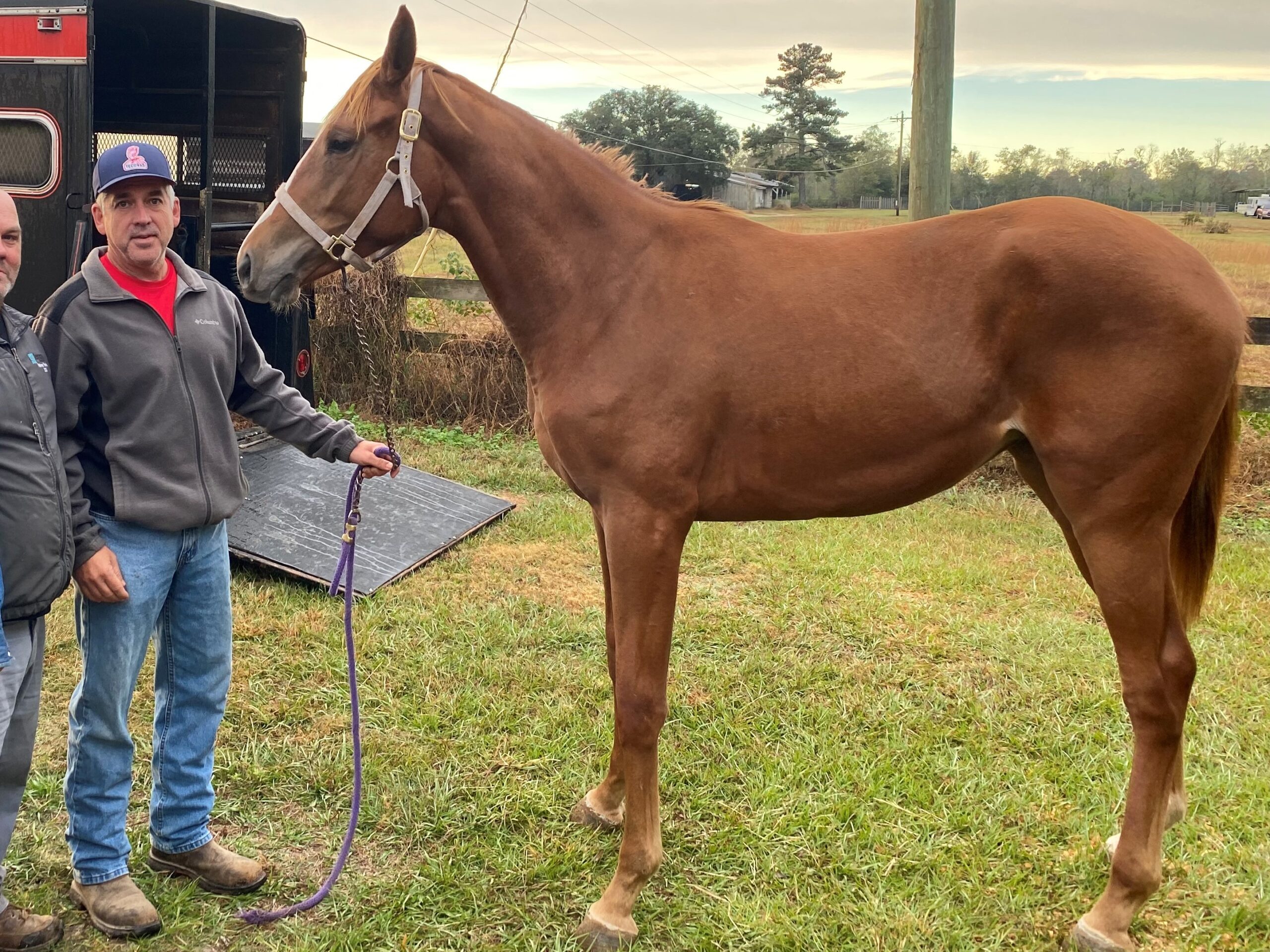
Miles Henry (legal name: William Bradley) is a professional horseman based in Folsom, Louisiana. He holds Louisiana Racing License #67012 and has spent over three decades managing Thoroughbreds at premier tracks including Fair Grounds, Delta Downs, and Evangeline Downs.
Expertise & Hands-On Experience: Beyond the track, Miles has decades of experience in specialized equine care, covering everything from hoof health and nutrition to training protocols for Quarter Horses, Friesians, and Paints. Every guide on Horse Racing Sense is rooted in this “boots-on-the-ground” perspective.
30 of their last 90 starts
Equibase Profile.

Connect with Miles:
Thanks for the kind words.