Skip to Content

Miles Henry: A Lifelong Journey in Horse Racing and Equine Care

About Miles Henry

Racehorse Owner & Author | 30+ Years in Thoroughbred Racing

Miles Henry (legal name: William Bradley) is a professional horseman based in Folsom, Louisiana. He holds Louisiana Racing License #67012 and has spent over three decades managing Thoroughbreds at premier tracks including Fair Grounds, Delta Downs, and Evangeline Downs.
Expertise & Hands-On Experience: Beyond the track, Miles has decades of experience in specialized equine care, covering everything from hoof health and nutrition to training protocols for Quarter Horses, Friesians, and Paints. Every guide on Horse Racing Sense is rooted in this "boots-on-the-ground" perspective.
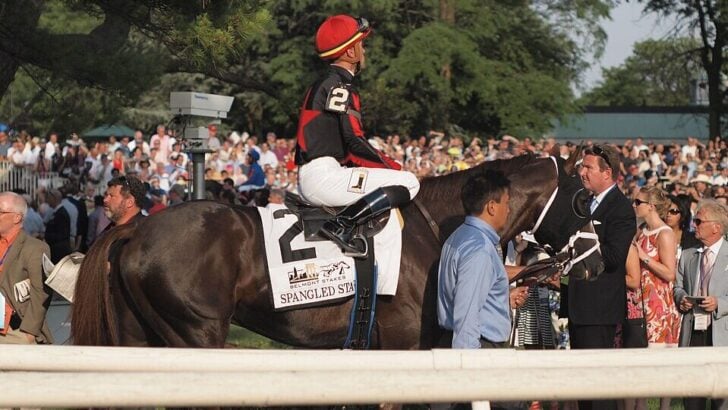
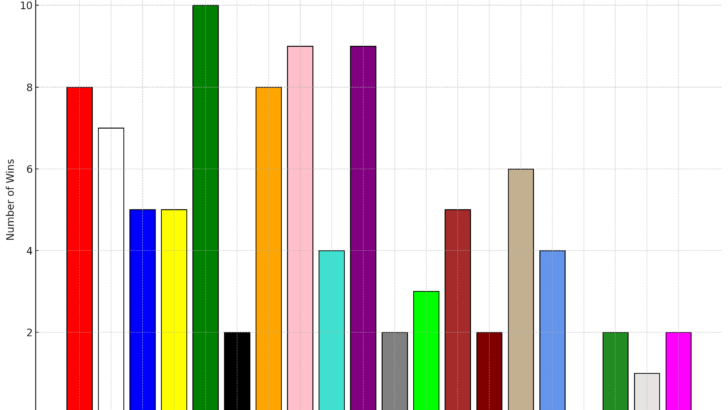
30 of their last 90 starts
Equibase Profile.

Hemp plant used to produce CBD oil for horses.

Is Equine CBD Helpful for Competition Horses? A Comprehensive Guide

The buzz around cannabidiol (CBD) in equine care has increased dramatically, particularly among competitive horse owners seeking new ways to enhance performance and comfort. But can CBD truly benefit competitive horses, or are the risks and regulatory concerns too significant? With over 25 years of experience as a horse owner and trainer, I’ve learned to …

Read More about Is Equine CBD Helpful for Competition Horses? A Comprehensive Guide
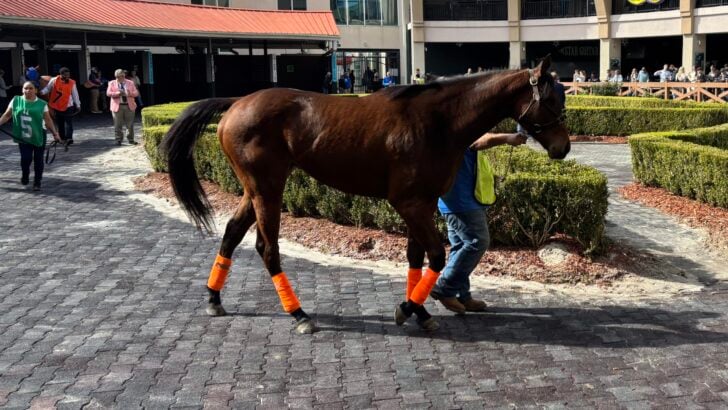
Three-year-old Thoroughbred wearing leg wraps while walking in the paddock before her first race.

Mental Conditioning for Competitive Horses: Build Focus and Confidence

In competitive equine sports, physical ability alone doesn’t guarantee success. A horse’s mental state is pivotal, impacting focus, trainability, and performance under pressure. This guide explores the concept of mental conditioning—why it matters, how it works, and what strategies horse owners and trainers can use to help their horses thrive mentally and emotionally. Drawing on …

Read More about Mental Conditioning for Competitive Horses: Build Focus and Confidence
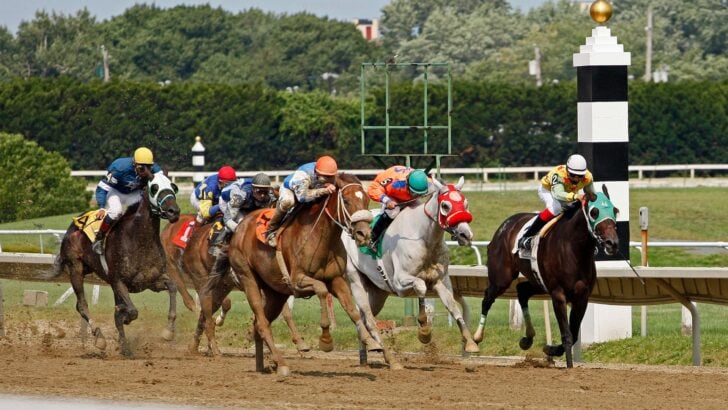
Thoroughbred racehorse competing in a race, demonstrating the importance of considering distance aptitude in handicapping.

Does a Longer Stride Make a Racehorse Faster? The Truth About Stride Efficiency

A long stride can help a racehorse be fast, but only when the horse can repeat it with enough frequency, balance, and efficiency to make it work over the race distance. The best horses combine stride length, stride frequency, balance, and efficient movement to turn every step into forward motion. After decades around Thoroughbreds, I’ve …

Read More about Does a Longer Stride Make a Racehorse Faster? The Truth About Stride Efficiency
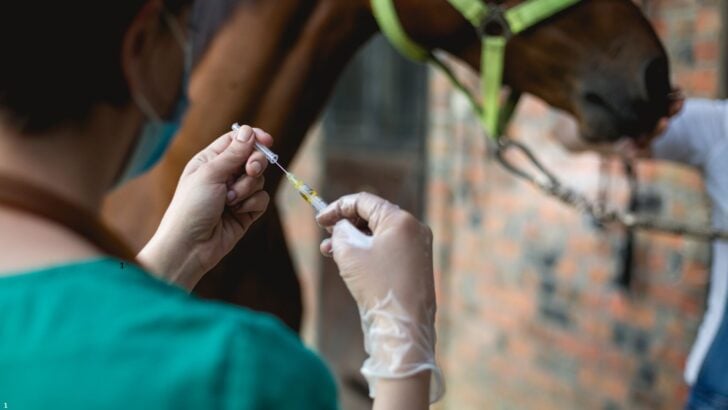
Racehorse receiving Lasix injection from veterinarian

Lasix in Horse Racing: Science, Economics, and the 2026 HISA Turning Point

Lasix — the brand name for furosemide — is the most debated drug in American horse racing. It has been administered to racehorses before competition for decades, used primarily to control Exercise-Induced Pulmonary Hemorrhage (EIPH): the lung bleeding that affects an estimated 90% of Thoroughbreds under race conditions. It reduces that bleeding by 50–70%. It …

Read More about Lasix in Horse Racing: Science, Economics, and the 2026 HISA Turning Point
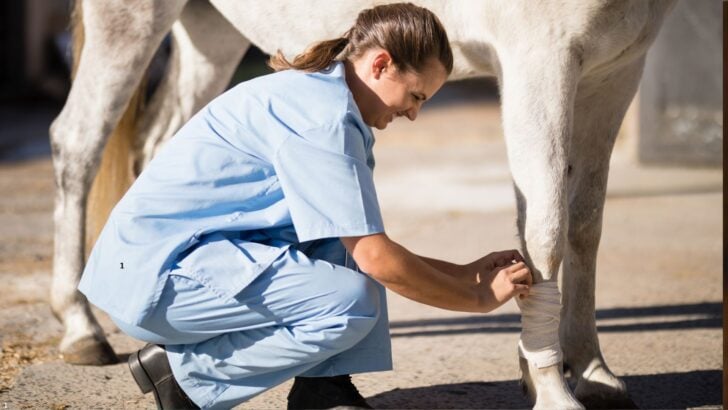
A veterinarian examines a horse’s leg to diagnose lameness.

Why Racehorses Break Down—and the Hidden Warning Signs Before It Happens

Racehorses break down for several reasons. Here are the most common ones: Usually not sudden: Catastrophic injuries are often the final stage of stress injuries that built up over weeks or months before race day. Main drivers: Pre-existing stress injuries, insufficient recovery time, hard or inconsistent track surfaces, and conformational vulnerabilities that concentrate force on …

Read More about Why Racehorses Break Down—and the Hidden Warning Signs Before It Happens