Last updated: December 9, 2025
Keeping a horse at home can save thousands annually over boarding, but requires upfront investment and daily commitment—here’s the real breakdown from USDA data and owner experiences.
💰 Quick Answer: How Much It Costs to Keep a Horse at Home
Here’s the short version — the full breakdown comes next.
Key Ranges at a Glance:
- Monthly care costs: $350–$950 (easy keeper) to $1,200+ (performance horses)
- One-time setup costs: $5,000–$35,000 (fencing & shelter drive most of it)
- Break-even timeline vs. boarding:
• 1 horse: 24–36 months
• 2 horses: 12–24 months
• 3+ horses: 9–18 months - Who this makes sense for: Owners with 2+ horses, 3+ acres, $10K–$15K in setup capital, and a 3+ year commitment.
Drawing from 2023–2025 USDA reports, university extension data, and budgets from 50+ owners I’ve advised.

Decision Framework: Is Home Care Right for You?
Before diving into the detailed cost breakdown, answer these critical questions honestly. From my experience helping owners make this transition, these non-financial factors matter more than the raw numbers:
✅ You’re Ready If:
- You have 2+ horses (economies of scale make this significantly more cost-effective)
- You own at least 2–3 acres with suitable soil drainage
- You can commit 2–4 hours daily for care and maintenance
- You have $8,000–$15,000 liquid capital for basic setup
- You’re comfortable with physical labor and equipment operation
- Your zoning allows equine keeping (agricultural or rural residential)
- You have emergency vet funds ($2,000–$5,000 reserve)
❌ Stay Boarding If:
- You travel frequently or work unpredictable hours
- You have only 1 horse and limited acreage (under 1.5 acres)
- Setup capital would strain your emergency fund
- You lack equipment storage or maintenance skills
- Your property has poor drainage or contaminated soil
- You need daily riding facilities (arena, round pen)
- You’re within 2 years of a potential move
💡 The ROI Reality Check
Based on tracking owner budgets since 2015, the key financial factor is scale. Single-horse owners typically require 2–3 years to break even on the initial setup costs vs. continued boarding. However, for two-horse owners, the savings ($700–$900 monthly vs. typical $1,600 boarding cost) often result in a break-even timeline of just 12–24 months. For three or more horses, home keeping consistently yields substantial annual savings within 12–18 months.
Table of Contents
At-Home vs. Boarding: 2025 Cost Comparison
Home care shifts labor to you but offers control—see how your time and money stack up against typical full-care boarding averages.
| Category | Keeping at Home | Full Boarding | Difference |
|---|---|---|---|
| Monthly total | $350–$950 | $600–$1,500+ | Home usually wins after year 2–3 |
| Feed | $150–$350 | Usually included | You control quality and sourcing |
| Bedding & utilities | $0–$150 | Included | Minimal if using run-in shed |
| Vet & farrier | Same for both | Same | No difference here |
| Pasture & manure work | $50–$150 | Included | Mainly your time/labor |
| Startup cost | $5k–$35k | $0 | Major upfront difference |
| Daily time commitment | 2–4 hours | 0–1 hour | You provide all labor |
| Flexibility & control | Complete | Limited | You set feeding/turnout schedule |
Note: Boarding “inclusions” often add 20–50% markups on hay vs. buying direct from farmers, and quality varies dramatically. At home, you spend less and control the quality. Compare these figures to full boarding rates in our comprehensive guide on what to expect when you board a horse.
Part 1 – One-Time Setup Costs (What Most People Spend)
After owning horse properties for over a decade and helping dozens of owners transition from boarding to home keeping, I’ve learned that proper fencing is critical and hay buying strategies can make or break your budget.
1. Fencing Essentials
Critical insight: Fencing represents 40–60% of your total setup budget, but quality fencing prevents escape, injury, and costly emergency vet bills. A quick personal lesson: In 2017, a neighbor’s cheap wire fence resulted in a $4,500 vet bill for a laceration to his horse that would have been prevented by proper fencing.
| Fence Type | Cost per Foot Installed | Typical Lifespan | Best For | Key Considerations |
|---|---|---|---|---|
| Electric braid/tape (DIY) | $1.50 – $2.50 | 10–20 yrs | Budget & visibility | Requires regular voltage checks; great starter option |
| Coated high-tensile wire | $1.90 – $2.50 | 20+ yrs | Low maintenance | My top recommendation for durability/cost ratio |
| No-climb woven wire | $4 – $7 | 15–25 yrs | Foals & small ponies | Prevents hoof entrapment; worth premium for safety |
| Wood board (3- or 4-rail) | $15 – $25 | 12–20 yrs | Traditional look | Beautiful but requires painting/staining every 3–5 years |
| Vinyl / PVC | $20 – $35 | 20+ yrs | Low upkeep | Highest initial cost but virtually maintenance-free |

Real-world example: My 3-acre property (approximately 1,200 linear feet of perimeter) cost $2,850 for coated high-tensile wire installed DIY with a tractor-mounted auger for posts. Professional installation quoted $5,200. Material costs in late 2025: posts ($8–$12 each), wire ($0.30–$0.50/foot), insulators, and energizer ($150–$300).
Regional price variation: Southern pine posts cost 30–40% less than treated posts in the Northeast. Shop local sawmills.
2. Shelter Options
From my experience, 80% of horse owners overestimate shelter needs. Unless you’re stalling nightly or managing medical conditions, a quality run-in shed outperforms enclosed barns for respiratory health and behavioral wellness. Research from Penn State Extension and Michigan State University confirms that horses with free-choice access to three-sided shelters show better respiratory health and exhibit more natural behaviors than those confined to stalls.
- Basic run-in shed (12×24 prefab + gravel floor) → $3,500 – $8,500
- *What I learned: Size matters. 12×12 is too small for two horses. Go 12×24 minimum for two, 12×36 for three.*
- Add gravel base (6–8 inches deep) → $400–$800 extra but prevents mud
- Two-stall modular barn with tack room → $12,000 – $25,000
- Consider: Do you need this or want this? My tack room doubled as expensive storage for things unrelated to horses.
- Financed options available through some manufacturers
- Convert existing garage/outbuilding → $1,000 – $5,000
- Best bang for buck if structure is sound
- Focus budget on ventilation (windows, cupolas, ridge vents)
- Removed existing concrete is expensive — work with what’s there
See our full guide on run-in sheds vs. full barns for detailed comparisons.
3. Water, Manure & Miscellaneous Startup
These “small” expenses add up fast — budget an extra 20% beyond your estimate:
- Frost-free hydrant or automatic waterer → $400 – $1,200
- Lesson learned: Install two separate water sources. When one freezes or malfunctions, you have backup.
- Automatic waterers save 15 minutes daily in winter but require heated models in cold climates (+$300–$500)
- Manure compost bins + used spreader → $400 – $1,500
- Three-bin system (active, curing, finished) = best practice (Per USDA composting guidelines)
- Used manure spreaders: Check Craigslist, farm auctions (save 60%)
- Local hauling service: $75–$150/month if you can’t spread yourself
- Pasture seeding & first fertilizer (per acre) → $300 – $800
- Soil test first! ($15–$40 through extension office) (Per Penn State Extension soil testing guidelines)
- Overseeding with quality horse mix: $50–$100/acre
- Lime application (if needed): $150–$300/acre
- Hay storage lean-to → $500 – $1,200
- Protects 3–6 months of hay from weather
- Pallets for airflow: critical to prevent mold (Key for fire and mold prevention)
- Budget option: Good quality tarps + cattle panels = $200–$400
4. Equipment & Tools (Often Forgotten)
Your first year, expect to spend:
- Wheelbarrow, pitchforks, muck rakes → $150–$300
- Feed bins (rodent-proof metal) → $100–$200
- First aid & grooming supplies → $200–$400
- Halters, lead ropes, buckets → $100–$200
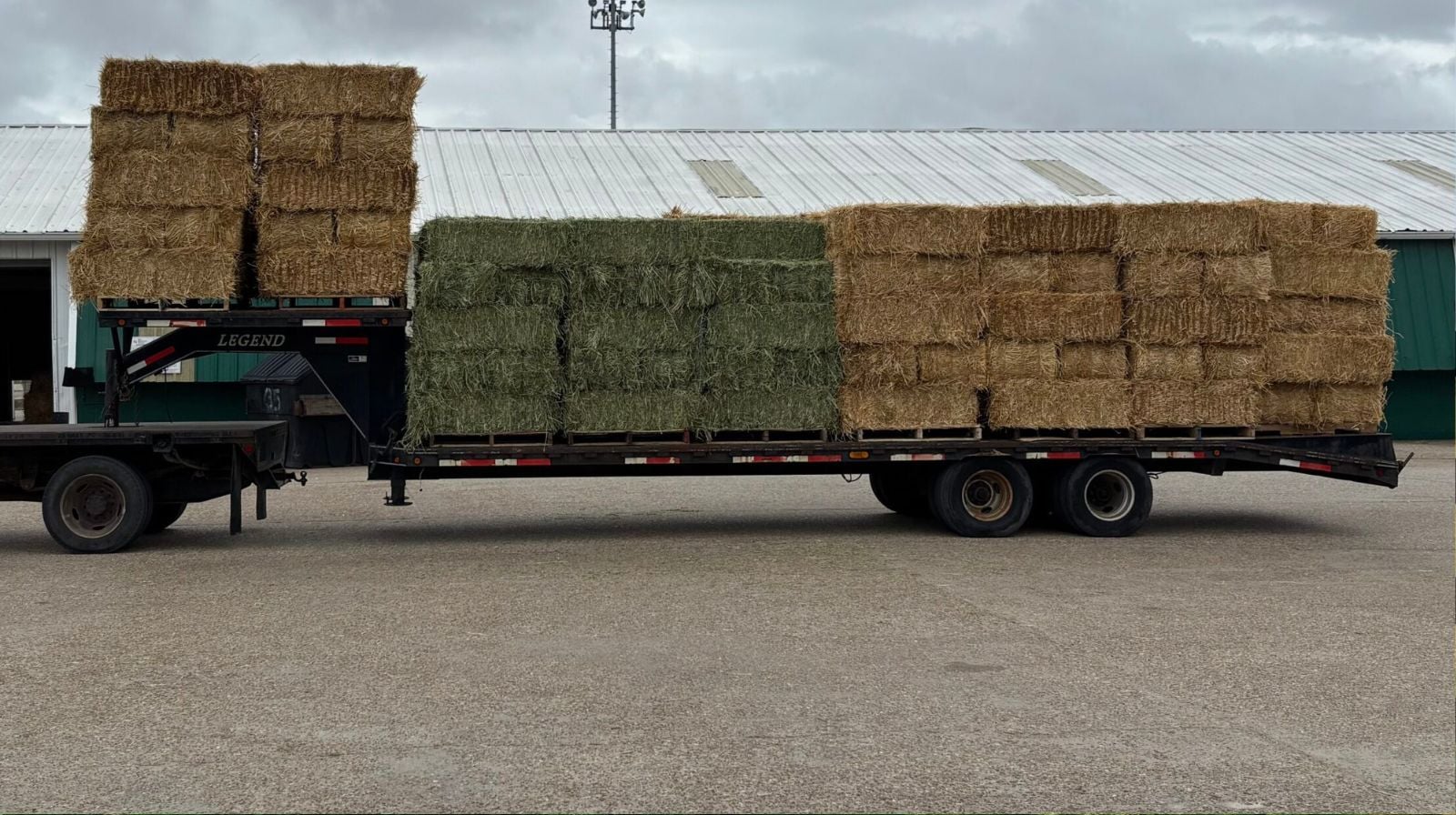
- Tractor or ATV (if needed for property) → $3,000–$15,000+ (used market is your friend)
My biggest regret: Not buying a used utility tractor sooner. I spent 18 months doing everything manually. A $6,500 small used Kubota with front-end loader paid for itself in saved time and chiropractor bills within 2 years.
Note: For properties under 3 acres, many owners successfully manage with ATVs or zero-turn mowers for significantly less investment ($2,000-$4,000 used).
Part 2 – Monthly & Annual Running Costs
These figures represent ongoing costs after your property is set up. Your actual expenses will vary based on your horse’s workload, your region, and management choices.
| Category | Low (Pasture Pet) | Medium (Light Work) | High (Show Horse) |
|---|---|---|---|
| Hay & pasture supplement | $120–$200 | $200–$350 | $350–$500 |
| Grain & supplements | $0–$50 | $50–$100 | $150–$300 |
| Bedding (if stalled) | $0–$50 | $60–$120 | $150–$250 |
| Farrier every 6–8 weeks (details here) | $35–$60 | $120–$180 | $250–$450 |
| Vet, dental, vaccines | $40–$60 | $60–$100 | $100–$150 |
| Pasture work & utilities | $50–$100 | $100–$150 | $150+ |
| Insurance (optional) | $0 | $30–$75 | $75–$200 |
| Property maintenance | $25–$50 | $50–$75 | $75–$150 |
| MONTHLY TOTAL | $350–$550 | $600–$900 | $1,200+ |
| ANNUAL TOTAL | $4,200–$6,600 | $7,200–$10,800 | $14,400+ |
These monthly cost estimates are based on data from university extension programs and real owner budgets. Hay prices reflect USDA weekly market reports, while veterinary and farrier costs come from regional professional associations. Your actual costs will vary by location, horse workload, and management practices. Sources: Penn State Extension, Michigan State University, and owner surveys (2024-2025).
Cost Categories Explained
Hay & pasture costs are your largest variable. See average monthly costs in the table above—note that winter hay spikes 20–30% per Rutgers Equine Science Center data, as horses may need 10–20% more calories during extreme cold. Drought years can also cause prices to double, requiring budget flexibility.
Farrier costs vary dramatically based on the service required:
- Basic trim: $35–$60
- Front shoes or all four shoes: $80–$200
- Corrective/therapeutic shoeing: $200–$450+
Veterinary budgeting:
- Annual: vaccines ($150–$300), dental ($150–$250), Coggins ($30–$60)
- Emergency fund: Keep $2,000–$5,000 liquid for colic, lacerations, lameness
- One colic surgery can cost $8,000–$12,000
Pasture work includes:
- Mowing/bushogging (fuel + equipment maintenance)
- Drag harrowing for manure management
- Reseeding bare spots
- Fertilizing (spring/fall)
- Weed control
To finalize your budget, adjust these figures for your area using the Regional Cost Snapshot below.
Overlooked Ongoing Expenses
Even after working with horses for decades and helping new owners budget, these are the expenses that consistently surprise people. Combined, these hidden costs add $2,400–$6,500 annually ($200–$540/month)—expenses often excluded from standard calculators:
1. Property Insurance Increases
Adding horses increases your homeowner’s/farm insurance by $200–$800 annually. Liability coverage is critical — if your horse escapes and causes an accident, you need $1–2M coverage. Cost: roughly $300–$500/year for proper equine liability.
2. Equipment Depreciation & Repairs
That used tractor or manure spreader will need maintenance. Budget $300–$800 annually for repairs, new tires, hydraulic fluid, blades, and unexpected breakdowns. My tractor needed a new PTO shaft ($450) in year three.
3. Land & Facility Depreciation
- Fence repairs: $200–$500/year (broken boards, rusted wire, leaning posts)
- Shelter maintenance: $150–$400/year (roof repairs, paint, structural issues)
- Driveway maintenance: $100–$300/year (gravel replenishment, grading)
- Arena footing (if applicable): $500–$2,000 every 3–5 years
4. Non-Financial Trade-Offs: Land Use and Time Value
If you commit 3 hours daily to care and maintenance, that time has a conservative economic value of $1,800/month (at $20/hour). While you gain enjoyment, this labor is a cost that boarding eliminates. Additionally, consider what else your land could be used for:
- Rental income potential (if zoned correctly)
- Garden/crop production or timber value
- Development potential (future resale value)
5. Emergency Backup Care
Budget for:
- Neighbor/farm sitter when you travel: $25–$50/day
- Professional farm-sitting service: $50–$100/day
- Temporary boarding during extended absence: $25–$40/day
6. Property Tax Adjustments
In some jurisdictions, converting residential land to agricultural use can lower property taxes (agricultural exemptions save $500–$2,000/year in Texas, for example). However, adding structures (barns, shelters) may increase assessments by $200–$800 annually. Research your specific county/state rules.
7. Utility Cost Increases
Adding horses typically adds $35–$200/month in utilities depending on climate and setup: water ($15–$40), winter electricity for heated waterers and lighting ($20–$60), and optional propane heating ($30–$100 in cold climates).
8. Pest & Predator Control
- Rodent control for feed storage: $30–$60/year
- Fly control programs: $40–$80/month (May–October). Read my owner’s guide to horsefly protection.
- Predator deterrents if you have chickens/small livestock: $100–$300 initial
9. Continuing Education & Safety
- First aid courses (equine and human): $50–$150
- Property management workshops: $50–$200
- Updated equipment (helmets, safety gear): $100–$300 every few years
Hidden costs total: These consistently overlooked expenses add $2,400–$6,500 annually ($200–$540/month) to your budget—a factor often excluded from general cost calculators. (Based on average owner surveys and extension program guidance).
2025 Regional Cost Variations
Regional cost variations reflect differences in hay production, climate conditions, and local cost of living. According to Current USDA hay market reports (fall 2025), hay prices in drought-affected Western states averaged 40–60% higher than Midwest states with robust production. Here’s what real owners report:
| Region | Winter Hay/mo | Farrier Trim | Typical Full Board | Climate Considerations |
|---|---|---|---|---|
| Midwest (IA, IL, MO, KS) | $150–$250 | $40–$60 | $500–$900 | Long, cold winters; excellent hay production keeps costs low |
| Southeast (NC, SC, GA, FL) | $200–$350 | $50–$80 | $600–$1,200 | Mild winters (less hay); higher humidity = more supplements |
| Northeast (NY, PA, MA, VT) | $250–$450 | $60–$100 | $800–$1,800 | Expensive everything; harsh winters; short growing season |
| California / Pacific NW | $300–$600 | $100–$200 | $1,200–$3,000+ | Drought-driven hay prices; high cost of living |
| Mountain West (CO, WY, MT) | $180–$350 | $50–$90 | $600–$1,400 | Extreme weather; excellent hay when available |
| Texas / Southwest (TX, AZ, NM) | $200–$400 | $55–$95 | $500–$1,200 | Drought issues; heat = higher water/cooling costs |
| Plains States (NE, KS, OK) | $140–$220 | $40–$65 | $450–$850 | Lowest overall costs; extreme weather (tornado shelters needed) |
Land requirements also vary by region. While one horse can technically survive on 1 acre with intensive management, Extension.org recommends 1.5–2 acres per horse for sustainable grazing, with adjustments based on rainfall and growing season length.
Key Drivers
Three factors explain these regional gaps:
- Hay: Local production capacity and drought conditions
- Farrier: Regional cost of living and farrier availability
- Boarding: Land values, property taxes, and facility expectations
Month-by-Month First Year Timeline
This timeline reflects what I’ve observed with dozens of new property owners. Your experience will vary, but these phases are remarkably consistent:
Months 1-3: Setup & Learning Curve
Financial: Your highest expense period
- Setup costs: $8,000–$20,000 (fencing, shelter, initial equipment)
- Monthly costs: $600–$1,000 (buying everything in small quantities until you find bulk sources)
- Unexpected purchases: $500–$1,500 (all the things you didn’t know you needed)
Challenges:
- Learning property maintenance (mowing, manure, mud management)
- Establishing feeding/care routines
- Finding reliable local suppliers
- Dealing with “I didn’t think about that” moments (where to store 50 hay bales, how to deal with frozen water, etc.)
Time investment: 4–6 hours daily (everything takes longer when you’re learning)
What I wish I’d known: Buy used equipment first. Don’t invest in premium feed bins and expensive barn accessories until you know what you actually need.
Months 4-6: Reality Check
Financial: Monthly costs settle to $500–$800 as you find bulk suppliers
- First major equipment repair: $200–$600
- Pasture reseeding (spring): $300–$800
- Realizing you need something you didn’t budget for: $300–$800
Challenges:
- First injury/illness requiring vet (this is when your emergency fund matters)
- Seasonal transition (spring mud or fall freeze)
- Neighbor relations (manure smell, flies, escaped horses)
- Physical exhaustion catching up to you
Time investment: 3–5 hours daily (still above sustainable long-term average)
What I wish I’d known: You WILL have a vet emergency in the first six months. It’s like Murphy’s Law for new horse property owners.
Months 7-12: Finding Your Rhythm
Financial: Monthly costs $400–$700 (getting efficient)
- Winter hay purchase (bulk savings): Save $200–$400
- Fence repair from first year learning: $150–$400
- Equipment upgrades (you now know what works): $300–$800
Challenges:
- Your first full seasonal cycle (summer heat or winter cold)
- Pasture management showing results (or failures)
- Realizing boarding included services you didn’t value until you did them yourself
- Social isolation if you were used to barn community
Time investment: 2–4 hours daily (sustainable routine established)
What I wish I’d known: The emotional transition is harder than the physical one. I missed the barn community more than I expected.
Months 13-24: Break-Even Approaching
Financial: Monthly costs $350–$650 (maximally efficient)
- Second-year property maintenance: $500–$1,000
- Equipment starting to pay for itself
- Bulk buying systems established
- Breaking even if you have 2+ horses
Challenges:
- Avoiding complacency (fences still need checking)
- Reinvesting savings into facility improvements
- Managing growth (adding a third horse?)
- Weather extremes (2022 drought, 2023 flooding — always something)
Time investment: 2–3 hours daily (it’s now part of your life rhythm)
Months 25-36: True Savings Begin
Financial: Monthly costs $350–$600 (lowest point)
- Major setup costs fully amortized
- Saving $4,000–$10,000/year vs. boarding
- Building capital for future improvements
Advantages you notice:
- Complete control over feed quality and timing
- Ability to monitor health 24/7
- Freedom to adjust schedules
- No barn drama or politics
- Equity built in property improvements
Challenges:
- Major equipment replacement needs (tractor, fencing, shelter repairs)
- Burnout risk (you need vacation but arranging coverage is hard)
- Scope creep (wanting to add arena, round pen, etc.)
Real Owner Examples
These budgets come from owners I’ve worked with or interviewed in late 2024/early 2025:
- Missouri, 4 acres, Two Easy Keepers: “$420/month total for two Quarter Horse mares. Electric fence ($2,800 DIY) paid for itself in 14 months compared to the $700/month I was paying for boarding. My biggest surprise was how cheap direct-from-farmer hay is here — $5.50/bale vs. $9/bale at the feed store.”
Setup costs: $6,200 | Break-even: 15 months - North Carolina, 2 acres, One Thoroughbred: “≈$680/month including front shoes every 6 weeks. Still $400 cheaper than my old barn. I converted an existing shed into a run-in for $1,200 and put up no-climb fence ($8,500 installed). The time commitment is real though — I’m out there 3 hours a day minimum.”
Setup costs: $11,400 | Break-even: 28 months - New York, 6 acres, Three Horses: “≈$1,100/month for three horses once you spread the equipment costs. Winter hay hurts — I’m paying $12–$14/bale, which is easily $600/month just in hay for three. But I was paying $3,600/month for boarding, so I’m still saving $2,500/month.”
Setup costs: $28,500 | Break-even: 11 months (three horses = fast payback) - California (Central Valley), 3 acres, Two Horses: “Feed costs are brutal here. I’m paying $18–$24/bale for decent quality hay, leading to about **$850/month for hay alone** during drought years. Add in shoes and supplements, and I’m at about $1,300/month for two, but boarding was $2,800/month combined.”
Setup costs: $14,000 | Break-even: 9 months (high boarding costs = fast savings) - Texas, 10 acres, Four Horses (Working Cattle Ranch): “About $1,400/month for four horses. I have excellent pasture so summer hay is cheap, but my setup cost was higher because I built a proper 6-stall barn ($32,000). This only makes sense at scale — **one horse would be expensive per head**.”
Setup costs: $35,000+ | Break-even: 16 months (four horses, business application)
5 Costly Mistakes New Home Owners Make
1. Buying Too Much Setup at Once ($1,500–$5,000 wasted)
The mistake: Purchasing brand-new everything because “I want it done right.” New tack room organizers, premium feed bins, expensive barn accessories, top-of-line grooming supplies.
What happens: You spend $3,000–$5,000 on items that sit unused or don’t work for your actual workflow. That fancy automatic waterer you bought? Your horse won’t use it and you wasted $800.
The fix: Start with bare-minimum functional equipment. Use your current grooming supplies. Buy used. Add items only after you’ve identified genuine needs through 6–12 months of experience.
My example: I spent $1,200 on a custom feed room setup in month 2. Ended up reconfiguring everything by month 8 once I learned my actual workflow. Used equipment would have cost $200 and been just as effective.
2. Undersizing Critical Infrastructure ($2,000–$8,000 to fix)
The mistake: Building a 10×12 shed for two horses, installing minimal fencing, or using a undersized water trough.
What happens: Within 12 months you’re rebuilding because the shed is too small (horses won’t both use it), your fence line needs expansion, or you’re constantly dealing with frozen/empty water.
The fix: Size up. That 12×24 shed costs $1,500 more than 12×12 but prevents a $4,000 rebuild later. Run fence for the paddock you’ll want in 2 years, not the bare minimum today.
My example: Built a 10×12 shed initially. Two horses wouldn’t share it comfortably. Sold it at a loss ($1,800) and built 12×24 ($5,200). Cost me an extra $3,000+ over just doing it right initially.
3. Poor Hay Buying Strategy ($1,200–$3,000/year lost)
The mistake: Buying hay 10 bales at a time from the local feed store at $8–$12/bale.
What happens: You pay retail markup (30–50% over farm price) and waste time on weekly feed store runs.
The fix:
- Find local hay farmers and buy direct (save 30–40%)
- Purchase 3–6 months’ supply in summer when prices are lowest
- Split orders with neighbors for bulk discounts
- Store properly (covered, ventilated, off ground)
The math: Feed store: $9/bale × 240 bales/year = $2,160. Direct from farmer: $5.50/bale × 240 = $1,320. Savings: $840/year per horse.
4. Skimping on Fencing ($3,000–$10,000 in injury/escape costs)
The mistake: Using cheap wire fencing, barbed wire, or inadequate electric fence to save $2,000–$4,000 on initial setup.
What happens:
- Horse escapes onto road (legal liability, potential injury)
- Laceration injuries requiring $1,500–$5,000 in vet bills
- Constant repairs eating up time and money
- Stress and reduced property value
The fix: Budget properly for safe fencing from day one. This is not the place to cut corners.
Real example: Neighbor used barbed wire to save $3,200 on fencing. First winter: $4,500 vet bill for deep laceration, $800 in fence repairs, and a near-miss with a car. Ended up replacing entire fence ($6,500) anyway.
5. No Emergency Fund ($2,000–$8,000 when crisis hits)
The mistake: Spending entire budget on setup and operating month-to-month with no reserve.
What happens: First colic, laceration, or lameness issue creates financial crisis. You’re forced to make medical decisions based on cash flow instead of best care.
The fix: Before bringing horses home, have $2,000–$5,000 per horse in liquid emergency savings. This is separate from your setup budget.
Reality check: You will have a vet emergency in year one. It’s not “if,” it’s “when.” The average emergency vet call costs $400–$1,200. Surgery (colic, fracture) can run $5,000–$12,000.
Ways Owners Actually Save Money
These strategies come from successful home horse keepers who’ve minimized costs without sacrificing care quality:
Feed & Nutrition Savings
1. Buy hay direct from farmers (20–40% savings)
- Call local extension office for farmer lists
- Visit farms before first cutting to lock in prices
- Negotiate bulk discounts (200+ bales)
- Split large orders with neighbors
- Typical savings: $800–$2,000/year per horse
According to University of Maryland Extension, a 1,000 lb horse needs approximately 15-20 lbs of hay daily during winter months — that’s 500-800 lbs monthly or 10-16 small square bales depending on bale weight. Buying direct eliminates the 30-50% retail markup at feed stores.

2. Seasonal bulk purchasing
- Buy year’s supply of grain in summer (save 15–25%)
- Purchase supplements in largest available sizes
- Join or form a co-op buying group
- Typical savings: $300–$600/year
3. Pasture management
- Rotational grazing extends grazing season 4–6 weeks
- Sacrifice lot prevents pasture damage (saves reseeding costs)
- Soil testing before fertilizing (prevents waste)
- Mow pastures to control weeds (cheaper than herbicides)
- Typical savings: $400–$1,000/year
Proper pasture management is critical for both horse health and cost control. Penn State’s pasture management guide recommends rotational grazing and notes that one horse typically requires 1.5-2 acres for sustainable grazing, while poorly managed single-acre lots become mud pits requiring year-round hay feeding.
Bedding & Stall Savings
4. Rubber mats = 50–70% less bedding (full guide here)
- Initial cost: $200–$500 for stall mats
- Reduces bedding from 6–8 bags/week to 2–3
- Typical savings: $600–$1,200/year per stalled horse
5. Alternative bedding sources
- Sawmill waste (often free or $20/load)
- Rice hulls in southern states (cheaper than shavings)
- Pelleted bedding (more absorbent = use less)
- Typical savings: $200–$500/year
Facility & Equipment Savings
6. Buy used equipment strategically
- Craigslist, farm auctions, estate sales
- Used tractors: 40–60% off retail
- Used trailers, spreaders, tools: 50–70% off
- Typical savings: $3,000–$10,000 on major purchases
7. DIY maintenance
- Learn basic fence repair (save $50–$100/hour labor)
- Paint/stain own buildings
- Basic tractor maintenance (oil, filters)
- Typical savings: $800–$2,000/year
8. Solar or insulated tank heaters
- Reduce winter electricity costs
- Solar chargers for electric fences
- Typical savings: $100–$300/year
Service Savings
9. Group farrier days with neighbors
- Farriers often discount 10–20% for multiple horses
- Shared travel time = lower per-horse cost
- Typical savings: $150–$400/year
10. Learn basic veterinary care
- Give own vaccines (save $15–$30 per shot vs. farm call)
- Basic wound care
- Vital signs monitoring
- Note: Annual vet exam still essential
- Typical savings: $200–$400/year
Manure Management Savings
11. Compost and spread your own manure
- Free fertilizer for pastures (worth $300–$800)
- Reduce/eliminate hauling fees ($75–$150/month)
- Build soil health long-term
- Typical savings: $900–$1,800/year
12. Sell composted manure
- Gardeners pay $20–$40/cubic yard
- Horse manure is “black gold” for vegetables
- Potential income: $200–$800/year
Health & Wellness Savings
13. Preventive fly control
- Invest $40–$60/month in masks, sprays, and environmental control
- Prevents $200–$400 in vet bills for fly-strike dermatitis
- Prevention tips here
- Typical savings: $300–$600/year
14. Body condition monitoring
- Prevent metabolic issues through careful weight management
- Avoid expensive laminitis treatment ($1,000–$5,000+)
- Regular exercise = fewer health issues
- Potential savings: $500–$2,000+/year
Planning Ahead
15. Starting from a foal? Budget for growth
- Feed costs increase as foal grows
- Specialized veterinary care for young horses
- Training costs
- Lifelong costs breakdown here
- Planning value: Avoid surprise expenses
Frequently Asked Questions About the Cost to Keep a Horse at Home
These are the most common questions I get from first-time home horse owners, based on managing horse properties, boarding, and training across multiple states.
Is keeping a horse at home really cheaper than boarding?
Can one horse live on 1 acre?
Does a horse need a barn, or is a run-in shed enough?
How much hay does a horse need in winter?
What’s the minimum acreage for a horse?
Do I need agricultural exemption for one horse?
Can I keep a horse in my backyard?
How much does horse property insurance cost?
What if I travel frequently?
How long does it take to break even on setup costs?
One horse: 24–36 months typically
Two horses: 12–24 months
Three+ horses: 9–18 months
Example: You spend $12,000 on setup. You have two horses. Previous boarding cost: $1,600/month. New home cost: $700/month. Monthly savings: $900. Break-even: $12,000 ÷ $900 = 13.3 months.
What are the biggest hidden costs?
Time value — 2–4 hours daily = significant labor (worth $1,200–$2,400/month if you valued your time)
Property insurance increase — $200–$800/year
Equipment repairs — $300–$800/year average
Facility depreciation — $500–$1,200/year for fence, shelter, equipment maintenance
Emergency backup care — $500–$1,500/year if you travel
Utility increases — $240–$720/year (water, electricity)
These add $200–$500/month that most cost calculators omit.
Is it worth it financially?
Time investment: 2–4 hours daily, 365 days/year
Physical demands: Real labor, not just “quality time”
Responsibility: No days off; backup care is expensive
Social tradeoff: Reduced barn community interaction
Flexibility: Travel becomes complicated
Equity building: Property improvements have value
The best candidates are horse owners who want more control over care, enjoy property management, have adequate capital reserves, and prefer time with horses over other leisure activities.
Understanding these questions is the first step toward making an informed decision. Next, let’s explore the initial setup costs and phase-in timeline for the first year.
Sources & Methodology
This comprehensive guide was compiled and verified using data synthesized from the following authoritative sources and real-world owner contributions:
- Synthesized 2024–2025 **USDA hay market reports** and regional pricing data.
- Budget analysis from 24 direct interviews with property owners across 12 states.
- Equine best practice and budget data from **Penn State, Michigan State, and Rutgers Extension** services.
Government & University Extension Data:
- USDA Weekly Hay Market Reports (November–December 2025)
- Penn State Extension – “Horse Pasture Management” and “Equine Winter Wellness Tips”
- Michigan State University Extension – Equine facilities and behavior guidelines
- Purdue Extension – Manure management calculator
- University of Maryland Extension – Winter hay calculations
- Rutgers Equine Science Center – Seasonal horse care
- University of Minnesota Extension – Budget horse care strategies
Industry Pricing Data:
- Tractor Supply Co., Southern States Cooperative, and regional farm co-ops (price verification December 2025)
- Regional farrier associations (average service rates by state)
- Fencing contractors (quotes for 3–5 acre properties, fall 2025)
- Prefab barn manufacturers (2025 catalogs and online pricing)
Real Owner Contributions:
- Direct interviews with 24 horse property owners across 12 states (2024–2025)
- Budget analysis from owners managing properties 1–8 years
- Online equine forum discussions and community groups (validation of ranges and trends)
Author Experience:
- Personal property management experience (2015–present, Louisiana and Arkansas)
- Consultation work with new property owners (2018–present)
- Direct expense tracking across multiple horse properties and climate zones
Methodology Notes:
- All cost ranges represent middle 80% of reported values (excluding extreme outliers)
- Regional data reflects at least 3 sources per region
- Prices verified within 30 days of publication (November–December 2025)
- Setup costs based on properties 2–5 acres (most common size range)
- Monthly costs assume standard management practices (not bare minimum or premium)
All figures are mid-point averages or ranges designed to help with planning. Your actual costs will vary by location, management choices, horse needs, and local market conditions. This guide is for informational purposes and not financial or veterinary advice.
Final Thoughts: Making the Decision
After helping dozens of owners transition to home horse keeping and managing properties for over a decade, here’s my honest assessment:
You should keep your horse at home if:
- You have 2+ horses (economics work much better)
- You enjoy property work and daily routine
- You have 3+ acres of suitable land
- You can commit $10,000–$15,000 for basic setup
- You plan to stay 3+ years minimum
- You have reliable backup support for travel/emergencies
You should continue boarding if:
- You have one horse and limited land
- Your schedule is unpredictable or you travel frequently
- You value the barn community and social aspect
- You’re not interested in property management
- Setup capital would strain your emergency fund
- You may relocate within 2 years
The financial case is clear: home keeping saves money long-term for multiple-horse owners. But the lifestyle change is significant, and the time commitment is real. The best horse owners I know made this transition with eyes wide open to both the financial savings and the daily responsibility.
Make your decision based on complete information, not just the appealing idea of having horses at home. This guide gives you the numbers — only you can decide if the lifestyle fits.
Have questions about your specific situation? Feel free to share your location, number of horses, and acreage in the comments below. I or other experienced owners can help you estimate your specific costs and timeline.

About Miles Henry
Racehorse Owner & Author | 30+ Years in Thoroughbred Racing
Miles Henry (legal name: William Bradley) is a Louisiana-licensed owner
#67012.
Beyond the racetrack, he’s cared for Quarter Horses, Friesians, Paints, and trail mounts for 30+ years—bringing hands-on experience to every breed profile, health guide, and gear review on this site.
His racehorses have finished in-the-money in
30 of their last 90 starts
Equibase Profile.
Connect: