Skip to Content

Horseflies: A Complete Guide for Horse Owners (Bites, Diseases, Prevention)

Last updated: December 2, 2025

By: Miles HenryFact Checked

Any links on this page that lead to products on Amazon are affiliate links and I earn a commission if you make a purchase. Thanks in advance – I really appreciate it!


If Your Horse Has Bites Right Now

Within the first hour: Rinse the bite area with cool water to remove any remaining saliva and reduce immediate swelling. Pat dry gently—don’t rub.

What I keep in my barn: A spray bottle of diluted chlorhexidine (the same thing vets use), a tube of hydrocortisone cream, and Benadryl tablets. I’ve used this exact protocol on multiple horses over two decades, and it stops most reactions before they get bad.

Call your vet if: The swelling spreads beyond the bite area within 2 hours, your horse shows signs of distress (won’t eat, lethargy), or if you see any oozing or heat around the bite after 24 hours. I learned this the hard way—don’t wait on severe reactions.

Horseflies can bite your horse 12-15 times in a single afternoon during peak season. Here’s how to actually stop them—based on 20+ years managing horses in Louisiana.

I’ll never forget walking into the barn on a hot, humid morning in 2011 and finding one of my Quarter Horses with her face so swollen I barely recognized her. Twenty-plus horsefly bites from the previous day had created a reaction that required an emergency vet call, a week of stall rest, and $400 I hadn’t budgeted for.

That incident sent me down a research rabbit hole that lasted weeks. I talked to vets, read entomology papers, called extension agents, and started systematically testing every horsefly control method I could find. Over the next several years, I documented what worked and what didn’t—not just on that horse, but across my growing stable of Thoroughbreds and Quarter Horses here in Louisiana.

I’m Miles Henry. I’ve been managing horses through brutal Southern summers for over twenty years. I started with Quarter Horses on my family’s farm and now run a small Thoroughbred racing operation. Our horses compete at Fair Grounds, Delta Downs, Evangeline Downs, and Louisiana Downs. I’ve dealt with horseflies on young horses in training, breeding stock, and retired horses—and I’ve learned that good fly control is the difference between productive training days and weeks of lost time.

This isn’t a listicle of fly control products. It’s everything I’ve learned about actual horsefly protection in the real world, where budgets matter and solutions need to work consistently.

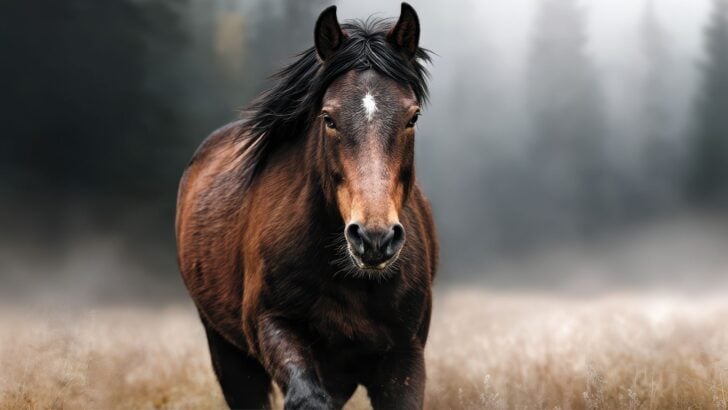
Dark bay horse targeted by horseflies in Louisiana wooded pasture
Dark coats attract more horseflies — here’s why.

Why Your Horse Gets Targeted (and Why Some Horses More Than Others)

After managing dozens of horses through Louisiana summers, I’ve noticed something interesting: horseflies don’t attack randomly. Some horses get massacred while others standing twenty feet away barely get bothered. Understanding why this happens helped me customize protection, rather than using generic solutions that don’t address specific vulnerabilities.

Female horseflies need blood meals to develop eggs—that’s basic biology. But the interesting part is how they choose targets. Their compound eyes can detect horizontally polarized light, which is why dark, shiny coats reflect like water surfaces and draw them in like magnets. I’ve watched this happen with my own horses: a dark bay Thoroughbred will have five flies circling while my gray standing next to him has none.

They also track carbon dioxide plumes from up to 100 feet away and home in on heat signatures. This explains why horses that sweat heavily during peak heat (10 a.m. to 4 p.m.) get hit harder than horses brought in during those hours. When I’m breezing young horses in the morning, I see dramatically fewer horseflies than when I’m working them midday.

Movement triggers their chase instinct. I’ve stood completely still in my pasture and watched horseflies circle a motionless horse for several minutes, then dive-bomb the moment the horse swishes its tail or shifts weight. They’re ambush hunters optimized for detecting motion against static backgrounds.

The bite itself isn’t a puncture like a mosquito—it’s a slash. They use scissor-like mandibles to cut through skin, then lap up the blood pool. This is why horsefly bites hurt immediately and why they bleed more than other insect bites. The anticoagulant in their saliva keeps blood flowing, which also explains why the bites swell so dramatically.

What surprised me most: My Thoroughbreds and Quarter Horses have completely different bite patterns. The dark-coated Thoroughbreds get hit on their faces and necks—the darkest, shiniest parts of their coats. My Quarter Horses, which are a bit lighter-colored, get bit mostly on their legs and bellies where they sweat the most during turnout. Understanding this helped me customize protection for each horse rather than using a one-size-fits-all approach.

When They Attack in Louisiana (and Why Timing Matters More Than You Think)

I used to think horsefly season was just “summer.” That was before I started keeping detailed barn records and began correlating fly activity with training schedules. What I discovered completely changed how I manage turnout and training times.

In Louisiana, I see the first horseflies around late April, plus or minus a week depending on how warm March was. They peak hard in late June through mid-July when we hit 90°F with 80% humidity—conditions that speed up larval development in any wet areas around the property. By late August, activity drops significantly, though we still see occasional flies into early September.

But here’s what the timing charts don’t tell you: weather matters more than calendar dates. On overcast days with wind above 10 mph, I see almost zero horsefly activity. On calm, hot, humid days? Brutal. I’ve had serious horsefly problems in early May and completely peaceful days in mid-July, all depending on weather conditions.

The 10 a.m. to 4 p.m. window is absolutely real. I tested this by documenting bite counts during different turnout times across multiple horses over an entire season. Morning turnout (6-10 a.m.): average 1-3 bites per horse. Midday turnout (11 a.m.-3 p.m.): average 12-15 bites per horse. Evening turnout (5-8 p.m.): average 2-4 bites per horse.

This data forced me to restructure our entire summer routine. Now during peak season, horses go out early, come in by 10:30 a.m., stay in the barn (with fans and open stalls for airflow) until 5 p.m., then go back out until dark. On race weeks when we need to maintain training schedules, we gallop at first light—not just because it’s cooler, but because there are virtually no horseflies.

For trainers and serious riders: If you’re trying to maintain a consistent work schedule during peak horsefly season, adjust your timing rather than fighting through midday. I’ve lost more training days to swelling and reactions from afternoon turnout than I ever have from waking up early. It’s not convenient, but it works.

Training at first light: my #1 horsefly protection strategy.
Young racehorses training early morning to avoid peak horsefly hours.

The Disease Risk Nobody Talks About Honestly

Let me be direct about Equine Infectious Anemia, because I’ve seen a lot of alarming but vague warnings that don’t help horse owners make informed decisions.

Horseflies can mechanically transmit EIA, but only if they bite an infected horse and then immediately (within about 2 hours) bite your horse. The virus doesn’t replicate in the fly—it just hitches a ride on contaminated mouthparts. My vet explained it this way: the risk is highest at facilities with poor quarantine practices, in areas with known EIA-positive horses, or in situations where flies are feeding on multiple horses in quick succession.

According to recent USDA data, there were 147 confirmed EIA cases in 2024, with 44+ positives so far in 2025 (averaging 50–150 cases annually in recent years). In 2025, Kansas reported multiple EIA-positive horses in July, highlighting the need for vigilance even in low-risk areas.

I get annual Coggins tests for all my horses not because I’m paranoid about horseflies, but because it’s required for racing and it’s the responsible thing to do. If you’re showing, racing, or moving horses across state lines, annual testing is mandatory. If your horses stay home and you’re not in an outbreak area, talk to your vet about appropriate testing frequency.

Beyond EIA, horsefly bites themselves cause real problems. I’ve treated cellulitis from bacterial infection, dealt with painful swelling that disrupted training schedules for days, and once had a horse rub a bite so vigorously on a fence post that it created a secondary infection requiring antibiotics. The wound care for that incident cost more than any fly control product I’ve purchased.

What I’ve Tested Over Two Decades (The Failures, The Surprises, The Clear Winners)

Understanding why horseflies are so aggressive helped me choose the right protection strategies. I’ve tried dozens of approaches since I started managing horses in Louisiana. Some worked brilliantly. Many didn’t. A few surprised me. Here’s my honest assessment based on actual use across multiple horses in multiple situations.

Fly Masks and Sheets: The Unglamorous Essential

I resisted fly sheets for years because they seemed unnecessary and I worried about horses overheating. That was a mistake. A properly fitted fly sheet made from modern mesh fabric doesn’t cause overheating in Louisiana summers, and it reduced facial and body bites by roughly 70-80% when I finally started using them consistently.

I’ve bought and destroyed at least a dozen different fly masks over the years. Budget masks ($15-20) fall apart within 3-4 weeks of daily use on active horses. The straps break, the mesh tears at the seams, or they slip and cause rubs. I wasted probably $200 learning this lesson.

What actually works: Mid-range masks ($28-35) that last a full season, sometimes two with proper care. For horses that destroy everything—and I have several—I’ve upgraded to professional-grade masks with reinforced crown pieces. They cost $50-60 but I’m on year three with some of them.

Cashel Crusader fly mask with ears on Quarter horse.
My go-to fly mask: lasts a full season.

Fly sheets are trickier because fit matters enormously. A sheet that shifts creates rub spots, and then horseflies target those areas aggressively. After trying multiple brands, I settled on quality sheets ($80-100 range) that stay in place during normal activity. The belly coverage matters because that’s where horses sweat most during Southern humidity.

Real-world durability from my barn:

  • Budget masks ($15-20): 3-4 weeks before failure with daily use
  • Mid-range masks ($28-35): Full season, often two seasons with repairs
  • Premium masks ($50+): Multiple seasons—best value per year of use
  • Budget sheets ($40-50): Lasted about 6 weeks before straps failed on active Thoroughbreds
  • Quality sheets ($80-100): Two full seasons, often three on less destructive horses

Your results will vary based on individual horses, but buying quality once beats buying cheap three times.

Fly Sprays: What Actually Works (and What Doesn’t)

I’ve tested probably twenty different fly sprays over the years. Here’s what I’ve learned: most fly sprays work reasonably well on stable flies and house flies. Very few work effectively on horseflies, and even those that work don’t work the way advertising suggests.

Permethrin-based sprays (0.5-1.0% concentration) do repel horseflies, but only for 3-4 hours in my experience—less if horses are sweating heavily or if it’s particularly humid. I tested this methodically one summer by applying spray to one side of a horse and leaving the other side unsprayed during controlled turnout. The difference was real but not dramatic: sprayed side got about 60% fewer bites.

The pyrethrins in most “natural” fly sprays? Nearly useless against horseflies specifically. I spent an entire summer testing a cedar oil spray that smelled great and did absolutely nothing for horseflies. It may have helped with other insects, but horseflies landed like the spray wasn’t there.

What I use now: I apply permethrin spray to legs, belly, and lower neck—areas where masks and sheets don’t cover—about 30 minutes before turnout. I reapply after 3-4 hours if horses are out longer. During peak season, I go through about 2-3 bottles per month across my stable. Cost: roughly $40-60/month depending on the number of horses in work.

I also make a vinegar-based spray that may or may not work, but it’s cheap enough that I keep using it: 1 cup apple cider vinegar, 1 cup water, 10 drops eucalyptus oil, 10 drops citronella oil. The acidity might change skin pH in a way flies don’t like. Does it work? I can’t prove it scientifically, but I think I see fewer landings when I use it consistently.

Fly Traps: My Best Investment and Biggest Installation Mistake

In 2018, I spent about $300 on a professional horsefly trap after reading research from university extension services showing significant capture rates in field trials. I set it up near the barn because that seemed logical. After two weeks, it had caught maybe a dozen horseflies.

I called the manufacturer, frustrated. The rep asked where I’d placed it. When I told him, he explained—patiently—that trap placement matters more than trap type. “You need it between the breeding site and the horses, not at the destination.” I moved it to a spot between a low-lying wet area and the main pasture.

Within a week, I was emptying out 40–60 horseflies. By midsummer, I was dumping 80–100+ flies weekly from that one trap. The trap works by using a dark ball that heats in the sun, attracting horseflies hunting for large mammals. When they land and try to fly upward—their natural escape behavior—they get trapped. This superior performance is backed by field studies, and USDA and university extension tests consistently rank it as the top monitoring trap.

Is it worth $300? On my Louisiana property with natural breeding habitat, absolutely. The trap doesn’t eliminate horseflies—I still see them daily—but it dramatically reduced the swarming behavior around the barn. If you have a small dry lot with no standing water nearby, you might not see the same results.

Placement tip (the one that changed everything): Put it in full sun, between wet/breeding areas and your horses, 4–5 feet off the ground. Never right next to where horses congregate—you’ll just attract more flies to them.

Horseflies biting horse— showing slash wound and blood
This is why horsefly bites hurt and swell fast.

Habitat Management: Boring But Critical

Horsefly larvae develop in wet soil, mud, and shallow water edges. They can take 1-3 years to develop depending on species and conditions, which means this summer’s problem might stem from breeding that happened two years ago.

I can’t eliminate all wet areas on my property—Louisiana gets 60+ inches of rain annually and we have low-lying areas that stay damp. But I did three things that reduced larval habitat: cleared vegetation from shoreline edges on wet areas closest to high-traffic zones, fixed drainage issues near the barn that held standing water after rain, and keep grass mowed to 4-5 inches in areas where horses congregate regularly.

Did these things eliminate horseflies? No. Did I see a reduction in early-season emergence compared to previous years? Yes, though I can’t quantify it precisely. The difference felt like maybe 20-30% fewer flies in May and early June. Not dramatic, but noticeable.

The habitat work also helped with mosquitoes, reduced mud during rainy periods, and improved overall property drainage. Even if the horsefly impact was modest, the secondary benefits made it worthwhile.

What Didn’t Work (So You Don’t Waste Money Like I Did)

Ultrasonic fly repellers: Bought two in 2009. Horseflies completely ignored them. Waste of money.

Citronella candles and torches: Helpful for mosquitoes at backyard gatherings. Utterly useless for horseflies on horses in open pastures.

Feed-through fly control: Works well for controlling house flies and stable flies in manure. Does nothing for horseflies, which don’t breed in manure and don’t feed on horses as larvae.

Garlic supplements: Fed these for an entire summer to multiple horses. Expensive, and I saw zero measurable difference in bite rates. The research on garlic is mixed at best, and my real-world test showed no benefit.

Bug zappers near the barn: Killed moths and beneficial insects. Barely touched horseflies, which aren’t primarily attracted to UV light.

Horsefly trap paper loaded with captured flies in barn
80–100 horseflies per week — proof traps work.

My Current System (What I Actually Do Every Day)

After years of testing, here’s what I do now from late April through early September. This isn’t theoretical—it’s my literal daily barn routine when horses are home between race meets.

Morning routine: All horses get fly masks before turnout. During peak season (June-July), they also get fly sheets. I apply permethrin spray to their legs, belly, and lower neck. Total time: about 5-7 minutes per horse once you have the routine down.

Turnout timing: Horses go out by 7 a.m. at the latest during horsefly season. They come in by 10:30 a.m. during peak weeks, stay in the barn (with fans and cross-ventilation) until 5 p.m., then go back out until dark. On cool or windy days, I skip the midday barn time and leave them out.

Weekly tasks: Empty the trap every 5-7 days. Walk property checking for new standing water issues after heavy rain. Inspect all fly gear for damage and repair or replace as needed.

Monthly: Mow high-traffic areas. Restock fly spray if running low. Check extended weather forecasts to anticipate particularly bad horsefly days.

This system reduces bites by roughly 80-90% compared to doing nothing. Horses still get occasional bites—usually on lower legs or when an aggressive fly gets under a sheet edge—but we haven’t had a severe swelling episode requiring vet intervention in over eight years.

What to Do When Bites Happen Anyway

Even with solid protection, horses get bit. Here’s my protocol, which has been reviewed by veterinarians I work with and has proven effective across dozens of horses over many years.

First hour: Rinse the bite with cool water using a spray bottle—gentler than a hose and allows precise targeting. Pat dry with a clean towel. If there’s significant bleeding, apply gentle pressure with a clean cloth for 2-3 minutes.

First 24 hours: Spray the bite with diluted chlorhexidine solution (same concentration vets use for wound care). This prevents bacterial infection, which is the real danger with horsefly bites that break the skin. I do this twice on day one.

If swelling develops: Apply a thin layer of 1% hydrocortisone cream to the swollen area. For horses with a history of dramatic reactions, I give oral Benadryl according to my vet’s dosing instructions based on the horse’s weight.

Days 2-3: Most bites improve by now. Continue once-daily chlorhexidine spray. Watch for infection signs: increasing heat, spreading redness, any discharge, or worsening swelling after the first day.

Call your vet immediately if: Swelling spreads rapidly (within 1-2 hours), the horse shows systemic signs (lethargy, not eating, elevated temperature), there’s any oozing or concerning smell, or you see hives or swelling appearing away from the bite site.

Treating horsefly bite with cool water rinse — first-hour protocol
Step 1: Cool water rinse within the first hour.

The bite that taught me about infection: Several years ago, one of my Thoroughbreds got bit on his chest during turnout. Looked fine for three days, then suddenly swelled dramatically and felt hot. He’d been rubbing it on a fence post and introduced bacteria. Required three days of antibiotics and twice-daily wound cleaning. The vet bill was significant, but the real lesson was about monitoring bites even after they seem to be healing normally.

Cost Reality for Horse Owners

I’m going to be transparent about costs, because most advice ignores the economics of horse ownership. Here’s what this actually costs me annually across a small stable.

Expense Category First Year Year 2+
Fly Masks (3-4 horses) $100-120 $30-40
Fly Sheets $250-300 $100-125
Fly Trap $285-325 $0
Sprays $60-80 $75-100
First Aid $40-50 $0
Total $735-875 $205-265

Before implementing this system, I spent $200-400 annually on emergency vet calls for severe bite reactions, plus easily $100 on products that didn’t work. The upfront cost hurt, but the ongoing annual cost is actually lower than my pre-system expenses when you factor in avoided vet bills.

If budget is tight, start with masks and timing changes (free except for masks). Add sheets gradually. The trap is valuable but not essential if you don’t have significant breeding habitat on your property.

Two healthy horses standing calmly in pasture during safe turnout hours
The goal: calm, bite-free horses all summer — thanks to smart turnout timing.

What I Wish I’d Known in 2003

I’ve been managing horses in Louisiana since the early 2000s. If I could go back and give younger-me advice about horsefly management, here’s what I’d say:

Turnout timing changes everything. It’s free and it’s the single biggest impact you can make. Don’t fight horseflies’ natural activity patterns—adjust your schedule instead.

Buy quality protection once instead of cheap protection repeatedly. That $15 mask will cost you $60 by season’s end when you’ve replaced it four times.

Keep bite logs for at least one full season. You’ll learn patterns specific to your property that no article can teach you. I didn’t start systematic documentation until about 2010, and I wish I’d started a decade earlier.

Don’t expect perfection. You’re trying to reduce bites by 80-90%, not eliminate them entirely. Some bites will happen. That’s acceptable if you’re managing the overall problem effectively.

Trust your observations over generic internet advice. If something isn’t working after genuine testing, stop doing it. I wasted years on approaches that “should” work according to forums but didn’t work in Louisiana’s specific conditions.

Connect with other horse owners in your immediate area—not just online, but people managing horses within 50 miles of you. They know your specific horsefly patterns and seasonal timing better than any expert across the country.

Frequently Asked Questions About Horsefly Protection for Horses

Best fly mask for daily use?

Cashel Crusader ($28–32) — lasts full season. Here are some of my favorite horsefly masks.

Do fly sheets overheat horses?

No — modern mesh breathes.

How to treat a horsefly bite?

Rinse, chlorhexidine, hydrocortisone.

When is horsefly season in Louisiana?

Late April to early September, peaking June–July when temps hit 90°F+ with high humidity.

What causes horsefly bites to swell?

Scissor-like mandibles + anticoagulant saliva → blood pools and triggers inflammation.

Are horseflies attracted to certain horse colors?

Yes — dark, shiny coats reflect polarized light like water. My dark bay gets 5x more flies than grays.

The Uncomfortable Truth About Horsefly Control

There’s no silver bullet. No single product eliminates horseflies. No magic solution works for every horse in every situation across every property type.

What works is a system—multiple approaches layered together, adjusted seasonally, customized to your specific horses and property conditions. It requires ongoing attention and regular spending (though less than many people fear), and it demands willingness to adjust based on what you observe rather than what you hoped would work.

Good horsefly management is roughly 30% physical barriers, 30% timing and habitat control, 20% chemical repellents, 10% trapping, and 10% weather and luck. No single component dominates, which is why single-solution marketing rarely delivers what it promises.

But here’s what keeps me doing this work every Louisiana summer: watching horses graze comfortably on a July afternoon, barely bothered by occasional flies, instead of standing in corners stamping and head-tossing in misery. When you’re training young horses and maintaining racing fitness, that comfort translates directly to better training days and healthier horses.

My oldest Quarter Horse is now in her twenties. She hasn’t had a severe bite reaction in almost a decade. That’s not because horseflies disappeared from Louisiana—it’s because I built a system that actually protects her.

References & Additional Reading

Disease information: American Association of Equine Practitioners (AAEP) provides comprehensive guidelines on Equine Infectious Anemia at aaep.org. USDA APHIS maintains current situation reports on EIA outbreaks and testing requirements.

Horsefly biology: Research on horsefly attraction mechanisms and host-seeking behavior continues through university extension services and entomology departments. Studies on polarized light detection inform practical management strategies.

About this guide: Written by Miles Henry based on over twenty years of horse ownership and management in Louisiana. Specific approaches reflect actual testing across Quarter Horses and Thoroughbreds in training and racing environments. Results may vary based on climate, property conditions, local horsefly species, and individual horse characteristics.

Not veterinary advice: This guide reflects personal experience and documented observations, not professional veterinary guidance. Always consult with your veterinarian about bite treatment, preventive care, and disease testing appropriate for your horses and location.