
Last updated: July 9, 2026
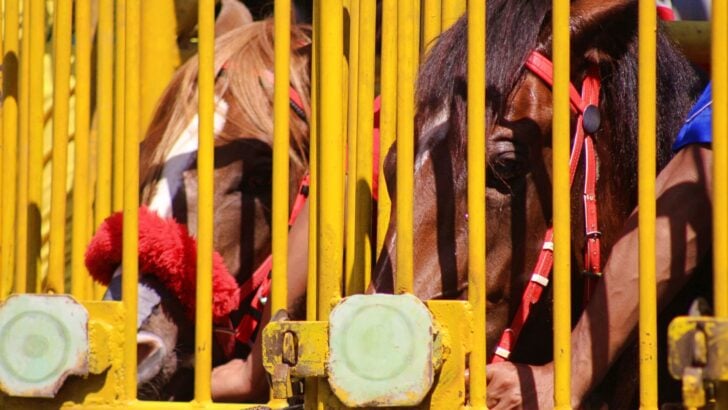
Do horses like racing? Many do, but not all. The signs experienced horsemen look for are anticipation before the race, engagement during it, and recovery afterward. A horse that consistently shows these signs is usually demonstrating positive engagement with the work.
Corked pricked his ears and leaned into the bit every time the gate opened. Mickey’s Mularkey was sound, trained to the same standard, and couldn’t have cared less. I’ve owned both types, and those two horses explain why the honest answer to this question isn’t simple — and why anyone who gives you a clean yes or no probably hasn’t spent much time in a barn. The real question isn’t whether horses can race. It’s how to tell which horses actually want to — and that question matters because the effort is visible, the stakes are high, and horses can’t give you a direct answer.
What I Have Learned as a Racehorse Owner: Horses are individuals. After decades of owning and managing Thoroughbreds in competition, I have learned that some horses appear to thrive on the routine of racing — they become alert walking toward the track, lean into the bit at the gate, and seem energized by the experience. Others are talented athletes but show little enthusiasm for competition. Responsible ownership means recognizing the difference and making decisions based on the individual horse, not forcing a horse into a role that doesn’t suit him.
Table of Contents
How Can You Tell If a Horse Likes Racing?
Horsemen approach this question differently than most people expect. They don’t ask whether horses enjoy racing in the abstract. They ask a more specific question: does this horse seek the experience when given the opportunity? The answer shows up in three places — anticipation before the race, engagement during it, and recovery afterward. If all three are present consistently, most experienced horsemen would view the horse as positively engaged with the work. A horse that scores poorly on any one of them is worth paying attention to. Positive engagement across all three is the clearest observable signal available — not a guarantee of subjective enjoyment, but the best practical indicator.
The three-part framework horsemen actually use:
- Anticipation — Does the horse show eagerness before the race? Pricked ears when saddled, pulling toward the track, alert and forward in the paddock. This is often the first behavioral signal experienced horsemen notice. A horse that drags its feet to the gate every start is already telling you something.
- Engagement — Does the horse respond competitively during the race? Pricking ears at competitors, accelerating when asked, carrying itself with energy rather than just going through the motions. Some horses only come alive when there are rivals nearby — that’s the herd instinct activating.
- Recovery — What does the horse look like after a race? A horse that returns from a good effort alert, seeking attention, and carrying itself well is showing positive post-race affect. A horse that returns consistently flat, sullen, or difficult to handle is showing the opposite.
If all three are present consistently, the horse is showing strong positive engagement with the work. If one is missing, it tells you where to look.
| Situation | Signs of Enjoyment / Engagement | Signs of Stress / Reluctance |
|---|---|---|
| Saddling and tack-up | Stands quietly, alert expression, forward ear position | Pinned ears, reluctance to stand, tension in body |
| Walking to the paddock / track | Pulls toward the track, lively stride, interested in surroundings | Drags feet, spooky or shut down, resistant to leading |
| In the starting gate | Pricked ears, leans into the bit, forward focus | Consistent resistance, sweating excessively, trying to back out |
| During the race | Responds competitively, accelerates when asked, fights for position | Flat effort not explained by fitness, no response to encouragement |
| Post-race | Alert, seeking attention, recovers well, lively step | Consistently dull, difficult, or shut down after races |
Signs your horse may not enjoy racing:
- Consistent gate resistance across multiple starts — not one difficult day, but a pattern; the gate is where reluctance shows up most clearly
- Flat, dull paddock behavior before races where the horse was previously alert and forward-going
- Stereotypic behaviors — cribbing, weaving — that intensify on race days specifically, which researchers associate with chronic stress rather than general stall management
- Declining performance that veterinary examination doesn’t explain — when a physically sound horse stops trying, the explanation is usually motivational
- Reluctance during tack-up after previously standing quiet — a horse that has changed its attitude toward being saddled has changed its attitude toward what comes next
Any of these patterns sustained over several starts warrants a serious conversation with your trainer and vet — and an honest reassessment of whether racing is the right fit for that individual horse.
Why Some Horses Love Racing and Others Don’t
If individual temperament is the deciding variable, the next question is obvious: what creates that temperament? Why does one horse drag you to the gate while another has to be coaxed? The answer involves at least five factors working together.
Breeding and competitive instinct. Thoroughbreds have been selectively bred for speed and competitive drive for over 300 years. But that selection hasn’t produced uniform results — it’s produced a wide range, from horses that seem to race on instinct to horses that have the physical tools but none of the inclination. Certain sire lines are known for producing unusually competitive offspring. Others produce talented horses that seem indifferent to competition. Pedigree isn’t destiny, but it sets a range.
Temperament established early. A horse’s fundamental personality — bold, nervous, curious, laid-back — is largely fixed by the time it reaches training. Horses that were curious and forward-going as foals tend to approach new experiences, including racing, differently than horses that were cautious or reactive. This isn’t a judgment; both types can race successfully. But the laid-back horse and the high-energy horse need different management, and forcing a mismatched program onto either type produces the reluctance and stress that looks like a horse not enjoying the work.
Training history. This is the most important factor within human control. A horse that learned racing through progressive, patient conditioning builds a library of positive associations with the track, the gate, and the exertion of running. A horse pushed through a program that outpaced its physical or emotional development builds the opposite library. By the time those associations are set, they’re hard to reverse.
Physical comfort. A horse that races without chronic pain or discomfort approaches the work differently from one that doesn’t. Gastric ulcers — extremely common in horses in hard training — can turn a willing horse reluctant without any obvious lameness or visible cause. Any horse whose attitude toward work shifts noticeably should be evaluated for pain before the explanation is assumed to be behavioral.
What Drives Horses to Run?
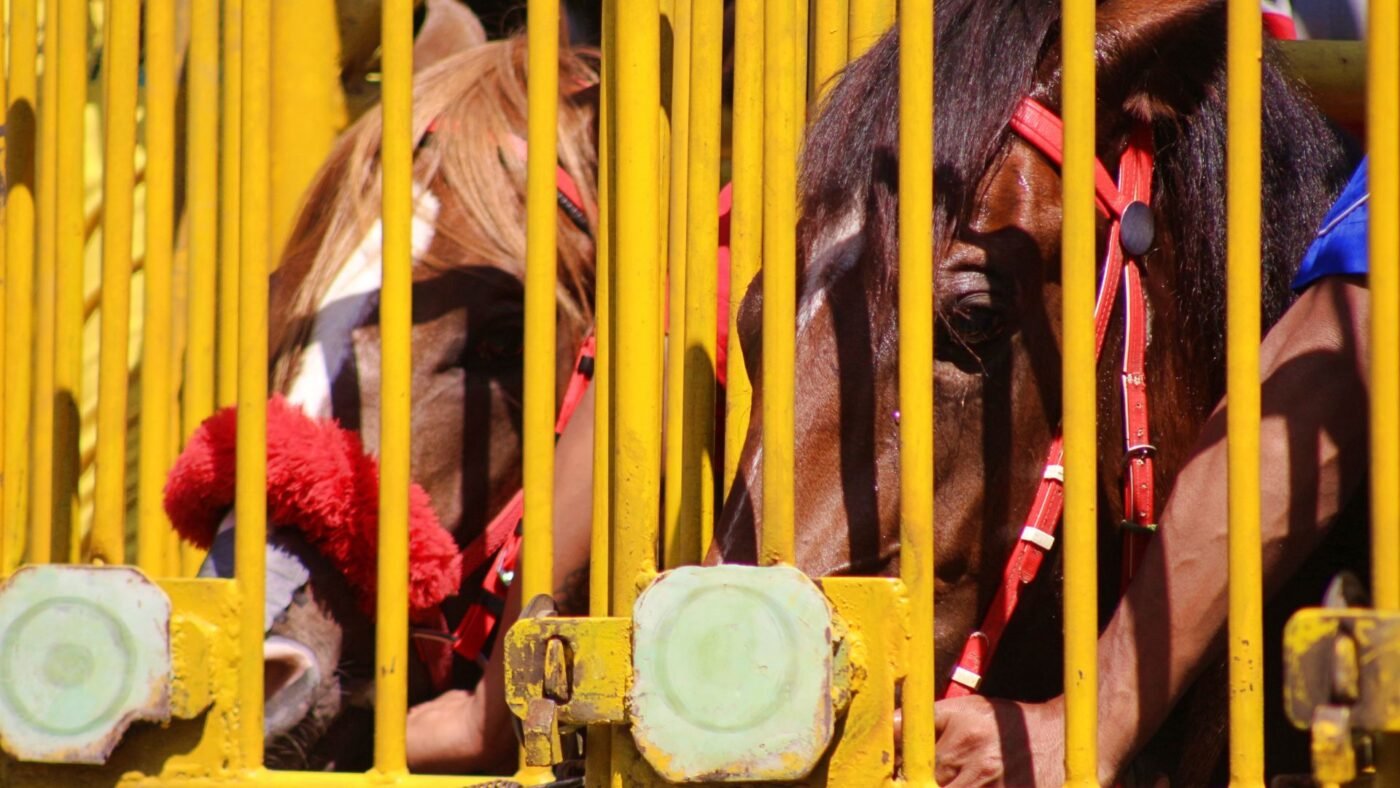
Horses are prey animals built around movement. Their survival instincts evolved around running in groups — flight from predators, social play, herd cohesion — and Thoroughbreds have been selectively bred for generations for traits including speed, athletic ability, and competitive performance. The Royal Veterinary College notes that Thoroughbreds possess unusually large hearts and exceptional lung capacity, giving them a cardiovascular system genuinely suited for the demands of racing. The physiology matches the task — which is a different starting point than most athletic animals and most human sports.
That said, physical suitability doesn’t automatically mean enjoyment. Willingness under appropriate conditions isn’t the same as willingness under any conditions. The difference between a horse that wants to run and a horse that has learned to tolerate running is real, and experienced handlers can usually see it — which is exactly what the behavioral framework above is designed to help you read.
Miles’s Take — what I’ve seen in 25 years: Corked was the kind of horse that made the question easy. He’d spot the track in the morning and his whole body language would shift — ears up, stride lengthening, pulling toward the rail. That’s not conditioning. That’s a horse that wants to go. Aunt Addie, my filly, would surge forward the moment she sensed a competitor within reach, tapping into something that looked purely competitive. But I’ve also owned horses like Mickey’s Mularkey who were sound, well-trained, and never seemed to care whether they were at the track or in the paddock. Both types exist. Any honest answer to this question has to account for both.

Do Horses Know If They Win?
What a horse experiences in and after a race is richer than most people assume, even if it’s different from human competition. After a strong performance, horses receive a cluster of immediate, tangible feedback: the physical relief of slowing down, the release of pressure from the jockey, the handler’s tone shifting, pats and rewards, and the crowd energy around them. The winner’s circle experience — the attention, the calm after exertion, the familiar faces behaving differently — creates associations horses can and do remember. Studies show horses recognize and respond to human emotional states, reading body language and voice tone with considerable accuracy.
More directly relevant: horses naturally engage in competitive chasing and playful running in the pasture. They’re aware of their position relative to other horses — being at the front of a moving group is something they actively seek in social play. That social and competitive awareness translates onto the track in ways you can observe. Horses that “know” they’ve run well — a phrase trainers and grooms use regularly — are almost always responding to some combination of physical relief, positive handler feedback, and the social dynamics shifting in their favor.
What horses don’t have is an abstract concept of winning — no understanding of prize money, standings, or race records. Research on equine cognition confirms they’re intelligent and perceptive but don’t process outcomes the way humans do. That’s the honest caveat — but it’s the end of the answer, not the beginning of it.
Miles’s Take — at the winner’s circle: After Aunt Addie ran well, her whole post-race behavior was different — more alert, seeking attention, carrying herself differently in the walk. After a race where she was never in it, she was flat and inward. Whether that’s “knowing she won” in a human sense isn’t the right question. The right question is whether positive racing experiences build positive associations. They clearly do.

What the Science Actually Shows
The most useful evidence on whether horses enjoy racing isn’t found in a blood test. It’s found in behavior — specifically, in what horses do when nobody’s asking them to. Dr. Camie Heleski’s observation at the University of Kentucky that many retired Thoroughbreds continue to gallop and play voluntarily in their pastures is more convincing to me than any cortisol chart. A horse choosing to run when there’s no race, no jockey, and no expectation is demonstrating something real about its relationship with the activity.
The physiological data supports what the behavioral evidence suggests. A 2025 peer-reviewed study measured cortisol and ACTH levels in racehorses after training and competition. Both markers rose after racing — as they do after any strenuous athletic effort — and remained within normal physiological ranges for the horses studied. The pattern is consistent with adaptation to regular training demands, rather than chronic or overwhelming stress.
Heart rate variability research in equine contexts also suggests that well-conditioned racehorses in positive training environments show lower stress profiles than horses experiencing chronic anxiety.
Do Horses Like Racing? What Behavior Can Tell Us
This is the question underneath the question, and it deserves a direct answer: we can’t know with certainty what a horse subjectively experiences. Horses can’t tell us whether they enjoy something in the way a person can. What we can do is read behavior carefully, and behavior isn’t a trivial proxy — it’s the most direct evidence available.
Horses have well-documented preferences. They choose where to stand, who to interact with, what to approach and what to avoid. They show measurable physiological responses to positive and negative experiences. They remember places and routines. A horse that consistently shows forward, engaged behavior when approaching the track and flat, avoidant behavior in other stressful contexts is communicating something real — even if it isn’t communicating in words.
What horses can tell us, and what they can’t:
- Can tell us: Whether they approach or avoid an experience, whether they’re calm or stressed, whether their behavior changes positively or negatively over time with repeated exposure
- Can’t tell us: Whether they find meaning in winning, whether they understand the concept of competition, whether racing is what they would choose from an unlimited menu of activities
- The honest middle ground: A horse that consistently shows anticipation, engagement, and positive recovery — across multiple starts, in multiple conditions — is demonstrating something that looks like genuine positive engagement with the experience, even if we can’t label it “enjoyment” with certainty
The same logic applies to the horses that don’t show those signals. A horse that consistently resists the gate, returns flat and dull after races, and shows race-day stereotypic behaviors is communicating something equally real — and it deserves the same honest response: this horse may not be suited to racing, and the responsible path is to take that seriously.
Why the Trainer Matters More Than You Think
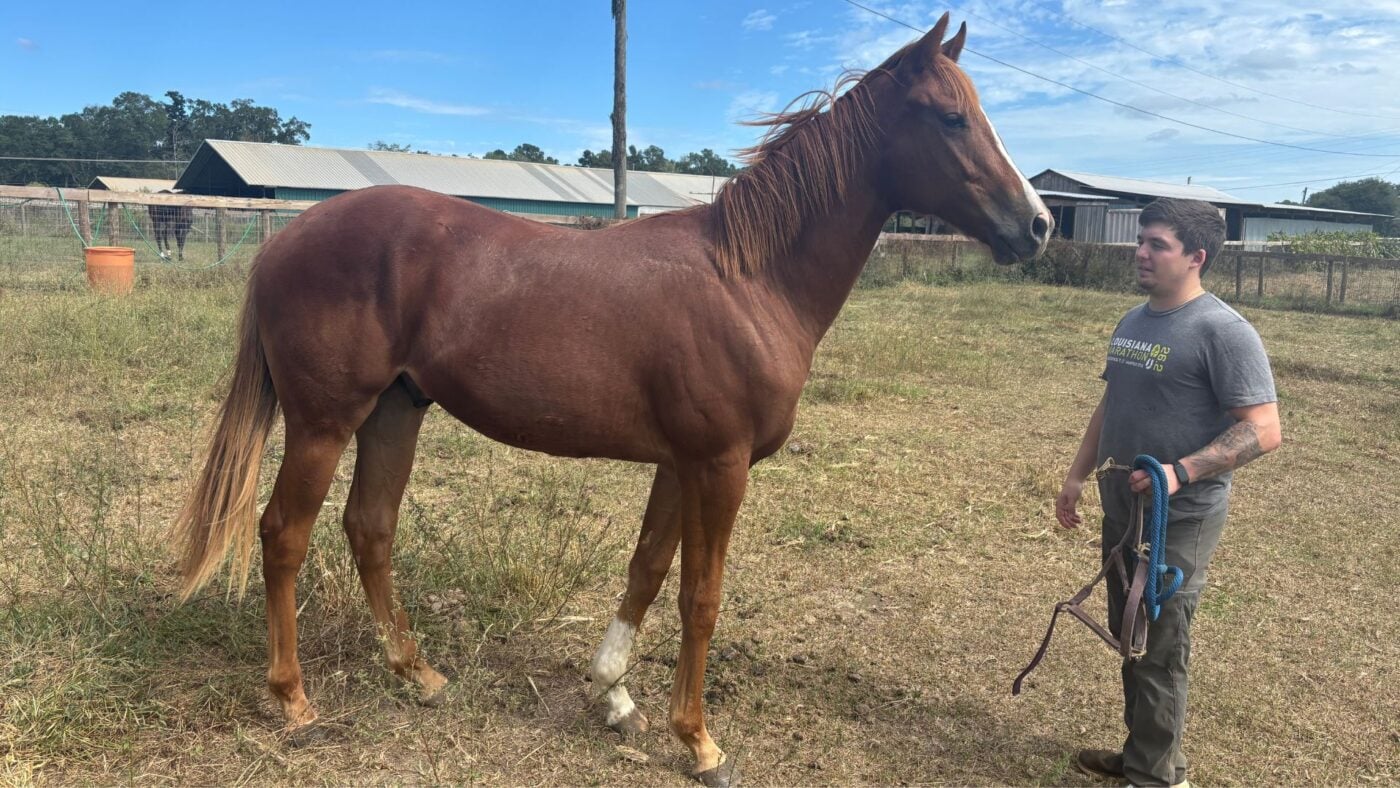
Training is the variable that probably matters most. The same horse, under two different training approaches, can develop a genuinely enthusiastic attitude toward racing or a stressed, reluctant one. Research from UC Davis (2023) found that progressive, patient training reduces injury risk and measurably improves horses’ attitudes toward work — the two outcomes are connected. A horse that isn’t being pushed past its recovery capacity is also a horse that isn’t associating training with pain or fatigue.
Overtraining produces the opposite outcome. A publication by Mississippi State University Extension citing a 2019 meta-analysis links excessive workloads to higher injury rates, elevated cortisol, and diminished performance — the behavioral markers of a horse that has stopped enjoying the work. Rest periods matter too. My filly Aunt Addie was measurably more engaged and competitive after scheduled recovery breaks. The horses that seem to love racing most are usually the ones whose conditioning programs give them enough time to physically and mentally reset between demands.
Individual temperament also has to be factored into the training program. Research on equine personality and performance supports what experienced trainers have always known: a high-energy horse needs different management than a laid-back one, and forcing a temperamentally unsuitable horse through a training program designed for a different type produces stress for the horse and poor results for the owner. The AAEP’s guidelines on racing specifically address the importance of individualized training approaches.
Training principles that support a positive racing experience:
- Progressive conditioning — build workload gradually; don’t ask for peak performance before the horse’s body is adapted to it
- Adequate rest — follow HISA rest guidelines; the horses that race happily are the ones whose recovery is taken seriously
- Match the program to the horse — a laid-back horse and a high-energy horse need different approaches; ignoring temperament produces stress
- Watch the behavioral signals — pricked ears and a forward stride mean engagement; pinned ears, reluctance, or stereotypic behaviors mean something is wrong
- Learn positive reinforcement techniques — see our guide to positive reinforcement in horse training
Modern Welfare Standards and What They Mean
Racing today operates under stricter welfare oversight than it did a decade ago. HISA‘s national safety standards have coincided with historically low fatality rates (0.85 per 1,000 starts in Q1 2025), and organizations such as the Thoroughbred Aftercare Alliance support horses after retirement. Those changes don’t answer whether every horse enjoys racing, but they do help explain why responsible horsemen pay close attention to safety, recovery, and long-term welfare. That’s why these standards matter to this question — and why the full debate is worth its own treatment: Is Horse Racing Cruel?

Key Takeaways
Key Takeaways: Do Horses Like to Race?
- Many horses appear to enjoy racing — but not all. Temperament is one of the biggest variables, though training, physical comfort, and environment all matter too. Some horses seek the experience; others tolerate it; a few clearly don’t want it
- Look for three signals: anticipation, engagement, and recovery. All three present consistently means a horse that’s positively engaged. One missing tells you where to look
- The warning signs are equally readable. Consistent gate resistance, flat paddock behavior, and unexplained performance decline are patterns to take seriously, not push through
- Why some horses love it and others don’t: breeding, early temperament, training history, and physical comfort — a willing horse can turn reluctant from ulcers or soreness without showing obvious lameness
- The trainer matters more than almost anything else. Progressive conditioning builds positive associations; overtraining builds the opposite — and those associations are hard to reverse once set
- The science supports engagement under good conditions — 2025 stress-marker research shows well-conditioned racehorses adapt to racing demands; retired Thoroughbreds choosing to run in their pastures when nobody’s asking makes the same point more simply
- For the full welfare picture — injury rates, the ethics debate, global standards — see our dedicated article: Is Horse Racing Cruel?

Frequently Asked Questions About Do Horses Like Racing?
Do horses feel pain when racing?
Horses can experience exertion-related discomfort during racing, just as any athlete can. Ethical training and mandatory pre-race veterinary checks — such as those required by HISA — help catch injuries early and minimize pain. The question of pain in racing is most acute around injuries, which is why injury prevention through track surface standards, medication rules, and workload management is central to the modern welfare framework. The AAEP’s guide to recognizing pain in horses covers the key signals in detail.
Do horses know they are racing?
Horses likely do not understand racing in the human sense of competition, winning, or finishing first. What they do understand is the routine — the gate, the crowd, the other horses, the burst of speed, the handler’s response afterward. They learn those associations and respond to them. A horse that has built positive associations with that sequence will often show anticipation before a race; a horse that has built negative ones will show reluctance. Whether that constitutes “knowing” they are racing depends on how you define knowing, but the behavioral and learned responses are real.
Do all horses enjoy racing?
No — temperament varies significantly. Some horses show clear enthusiasm: pricked ears in the gate, competitive surges on the track, a lively step after a race. Others are indifferent or seem to find the experience stressful. A horse that genuinely dislikes racing will usually communicate that through behavioral signals over time. Matching a horse to an appropriate training program and competitive level is part of responsible ownership.
Are whips cruel in racing?
Under HISA rules, whips are now limited to corrective taps for safety purposes, not punishment or speed enhancement. Recent research has also challenged whether whips increase race speed at all, which weakens the practical argument for their use beyond basic safety guidance. The full evidence on whipping in racing, including the current regulatory framework, is covered in our dedicated article: Does Whipping Make Horses Race Faster?
What happens to racehorses after they retire?
In the US, many retired Thoroughbreds find second careers through organizations supported by the Thoroughbred Aftercare Alliance, which funds accredited programs that retrain and rehome horses into disciplines including eventing, dressage, trail riding, and therapy work. The scale of the aftercare network has grown substantially under HISA’s framework. Some horses also go to breeding, particularly mares and stallions with valuable pedigrees.
How can an owner tell if their horse enjoys racing?
Watch the behavioral signals before, during, and after races. Engagement signs: pricked ears approaching the gate, forward stride during warm-up, competitive response to other horses on the track, lively or relaxed demeanor post-race. Stress or reluctance signs: pinned ears, resistance at the gate, flat or sullen behavior before work, stereotypic behaviors like cribbing or weaving in the stall. These signals are consistent and readable over time — a horse that enjoys racing looks different from one that doesn’t.
About Miles Henry
Racehorse Owner & Author | 30+ Years in Thoroughbred Racing
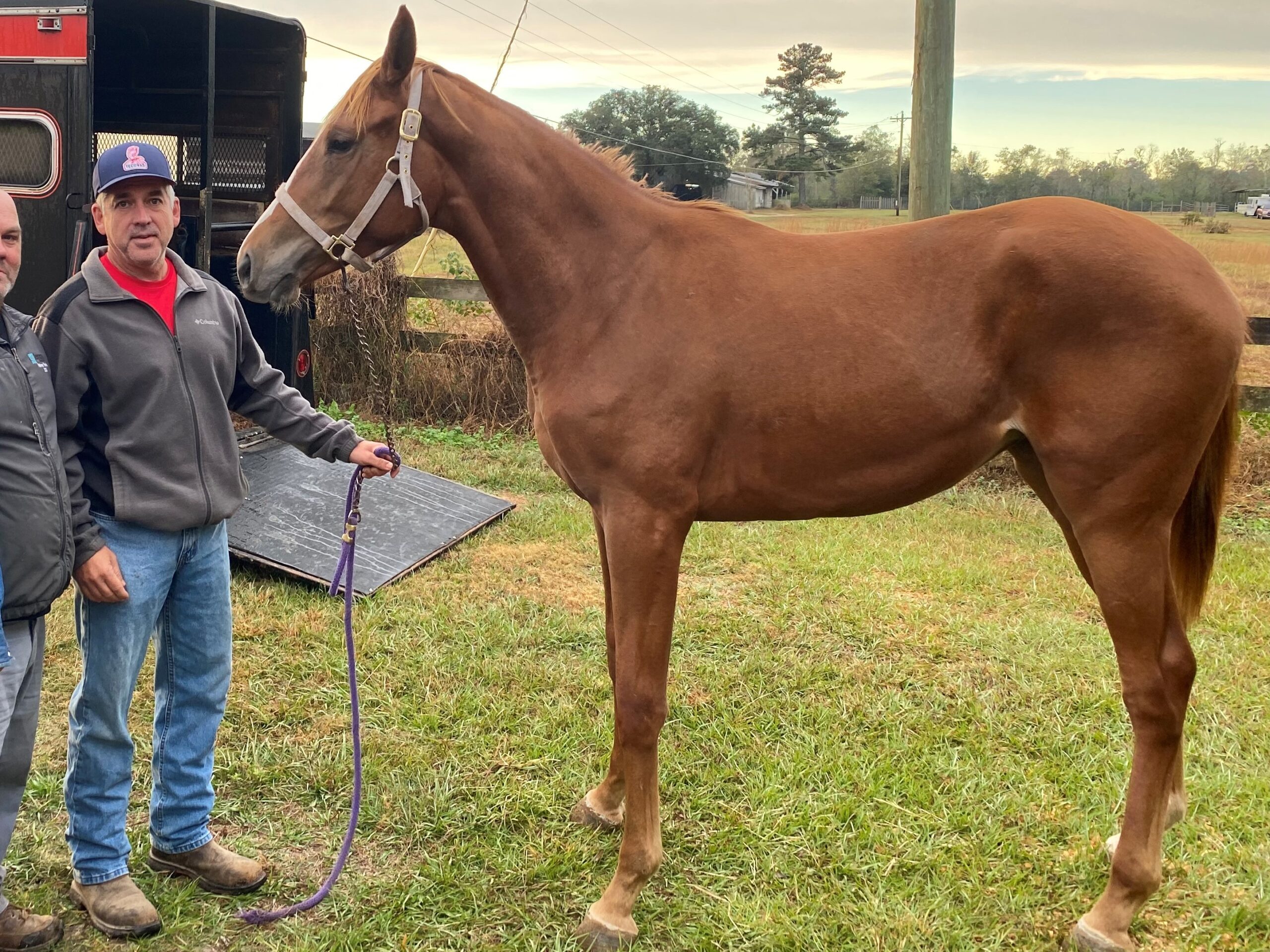
Miles Henry (legal name: William Bradley) is a professional horseman based in Folsom, Louisiana. He holds Louisiana Racing License #67012 and has spent over three decades managing Thoroughbreds at premier tracks including Fair Grounds, Delta Downs, and Evangeline Downs.
Expertise & Hands-On Experience: Beyond the track, Miles has decades of experience in specialized equine care, covering everything from hoof health and nutrition to training protocols for Quarter Horses, Friesians, and Paints. Every guide on Horse Racing Sense is rooted in this “boots-on-the-ground” perspective.
30 of their last 90 starts
Equibase Profile.

Connect with Miles: