
Last updated: November 4, 2026
Hanoverians have a reputation for athletic movement and big jumps, but their breeding goals go beyond flash. Breeders want a horse that’s sound and easy to ride, too, and that’s a big part of why the breed shows up at so many levels of sport.
Here’s a closer look at the Hanoverian’s build, temperament, history, uses, and what it takes to earn Hanoverian papers.
Table of Contents
Hanoverian Horse at a Glance
| Trait | Details |
|---|---|
| Origin | The Hanover region of northern Germany, in what is now Lower Saxony |
| Type | Warmblood sport horse |
| Height | Typically about 15.3 to 17.2 hands |
| Colors | Commonly chestnut, bay, black, or gray; the German Verband also accepts other warmblood colors |
| Temperament | Willing, bold, sensible, and intelligent |
| Main uses | Dressage, show jumping, eventing, hunters, and pleasure riding |
| Registry | Hannoveraner Verband in Germany; American Hanoverian Society in the U.S. |
Hanoverian Breed Characteristics
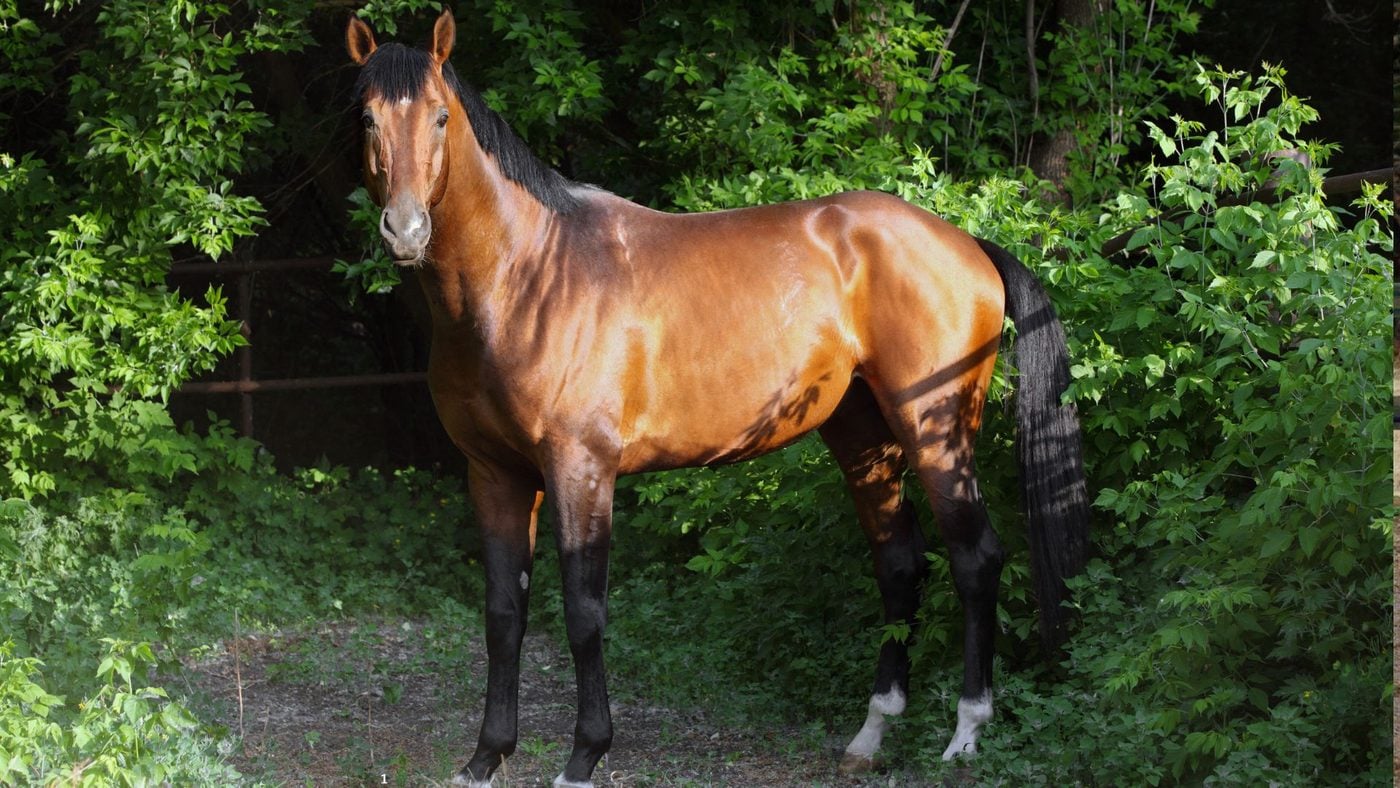
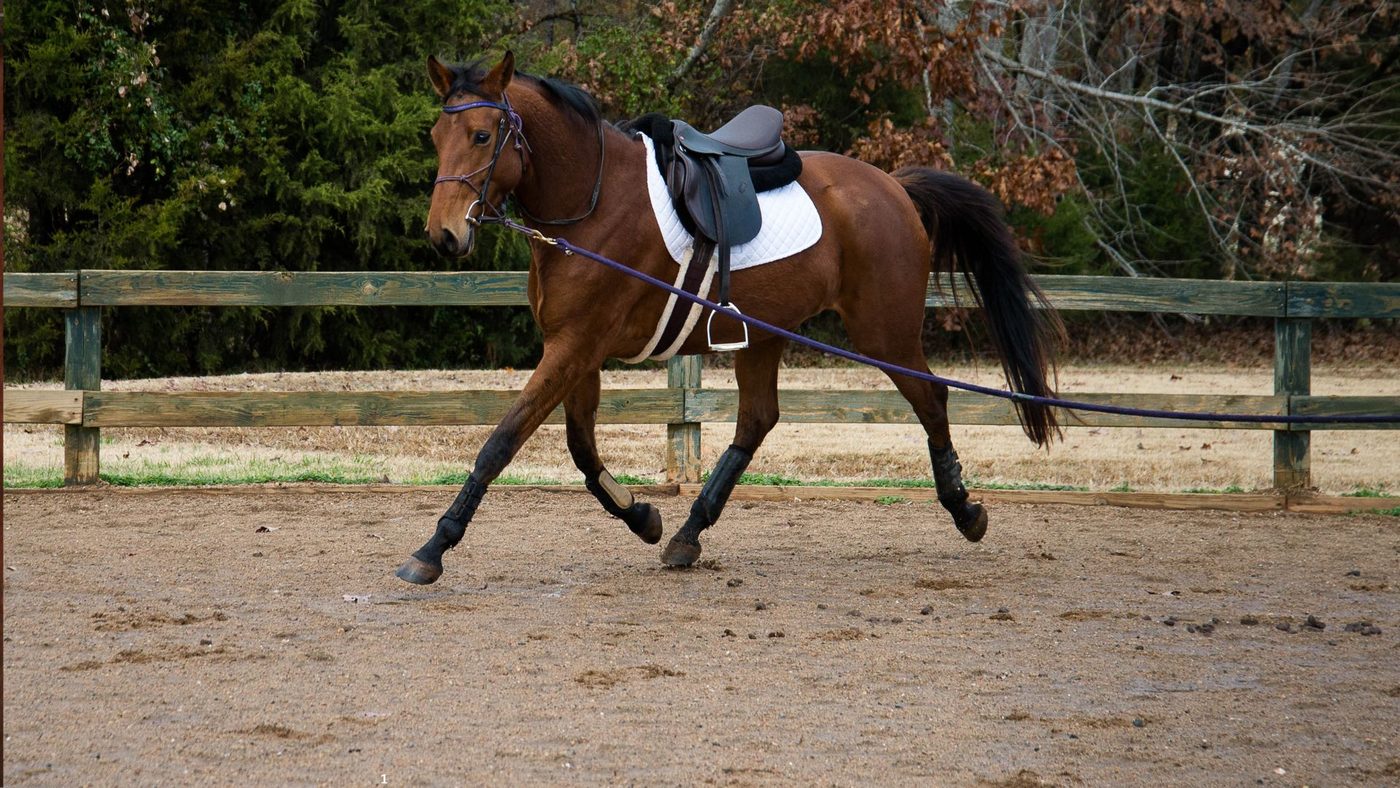
Build and movement. Hanoverians are bred to be balanced and well proportioned, with movement that’s elastic and powerful. In motion, breeders look for a walk that covers ground, a springy, floating trot, and a round, balanced canter, according to Oklahoma State University.
Height. Most stand about 15.3 to 17.2 hands. Size isn’t the goal, though. The American Hanoverian Society’s inspection rules say horses should be neither too large nor too small, and that harmony is more important than size.
Color. Chestnut, bay, black, and gray are the colors most people associate with Hanoverians. But the Hannoveraner Verband accepts all warmblood colors, including palomino, buckskin, cremello, smoky black, and piebald, as long as the horse meets its pedigree requirements.
Temperament. Hanoverians are bred to be willing, sensible, and responsive to the rider’s aids. That’s the breeding goal, not a guarantee about every horse. A willing temperament doesn’t mean a young Hanoverian already understands the job you’re asking him to do.
Where the Hanoverian Came From
In 1735, King George II founded the State Stud at Celle to organize horse breeding in the Hanover region, according to Horse Sport. Early Hanoverians worked on farms, pulled coaches, and served in the military, and Thoroughbred blood was added in the early 1800s.
The Hanoverian studbook was founded in 1888, and the breeders’ association followed in 1922, according to Horse Canada. That association, known today as the Hannoveraner Verband, still runs the studbook.
After World War II, demand for farm and military horses declined. Breeders used Trakehner and Thoroughbred blood to refine the Hanoverian into the riding and sport horse it is today.
What Hanoverians Are Used For
Hanoverians compete at the top level in dressage, show jumping, and eventing, and they’re popular as show hunters, pleasure horses, and driving horses, too, according to Horse Canada.
The breed has a particularly strong reputation in dressage. Isabell Werth’s Hanoverian gelding Gigolo won six Olympic medals, including team gold in 1992, 1996, and 2000 and individual gold in 1996, according to The Chronicle of the Horse. In the September 2026 WBFSH dressage studbook rankings, Germany’s Hannoveraner Verband placed third behind KWPN and Oldenburg. The rankings compare each studbook’s six highest-performing horses.
The Hanoverian name alone doesn’t tell you which sport a horse is best suited for. The Verband encourages breeders to select bloodlines for the intended discipline and has run a dedicated jumper breeding program since 1993. A horse’s pedigree gives you clues, but you still need to judge his own ability and training. For more on how the breed stacks up, see the best horse breeds for dressage and jumping.
How Hanoverians Are Registered
Hanoverian papers depend on approved breeding, not just appearance. Under the American Hanoverian Society’s December 2023 rules, full registration requires an AHS/HV licensed or approved sire and an approved dam, DNA parent verification, and a microchip. Stallion activation and other registration conditions also apply.
The parents don’t both have to be Hanoverians. Horses from certain other breeds, including Thoroughbreds, can enter the breeding program if they meet its approval requirements. When one or both parents aren’t approved, a foal may qualify for Studbook II papers or a Certificate of Pedigree, depending on the parents’ status. Those documents aren’t the same as full registration papers.
Registration and approval for breeding are separate steps. Breeding stallions must meet pedigree, health, inspection, and performance requirements, and mares are inspected for placement in the appropriate studbook section.
Hanoverian Horse FAQs
Can a Hanoverian be palomino or buckskin?
Yes. The Hannoveraner Verband accepts palomino, buckskin, and other warmblood colors when the horse meets its pedigree requirements. Color alone doesn’t make a horse eligible for Hanoverian papers.
Is a Hanoverian a good horse for a beginner?
It depends on the horse. Hanoverians are bred for a willing temperament, but they’re athletic sport horses, and a young or green one isn’t a beginner’s horse. An older, well-trained Hanoverian with a quiet history can be a good fit for a newer rider taking lessons.
Hanoverian breeding puts athletic ability and rideability together, which explains the breed’s appeal. But the papers are only the starting point. If you’re looking at one, judge the individual horse’s pedigree, conformation, temperament, and training against what you want to do with him.
About Miles Henry
Racehorse Owner & Author | 30+ Years in Thoroughbred Racing
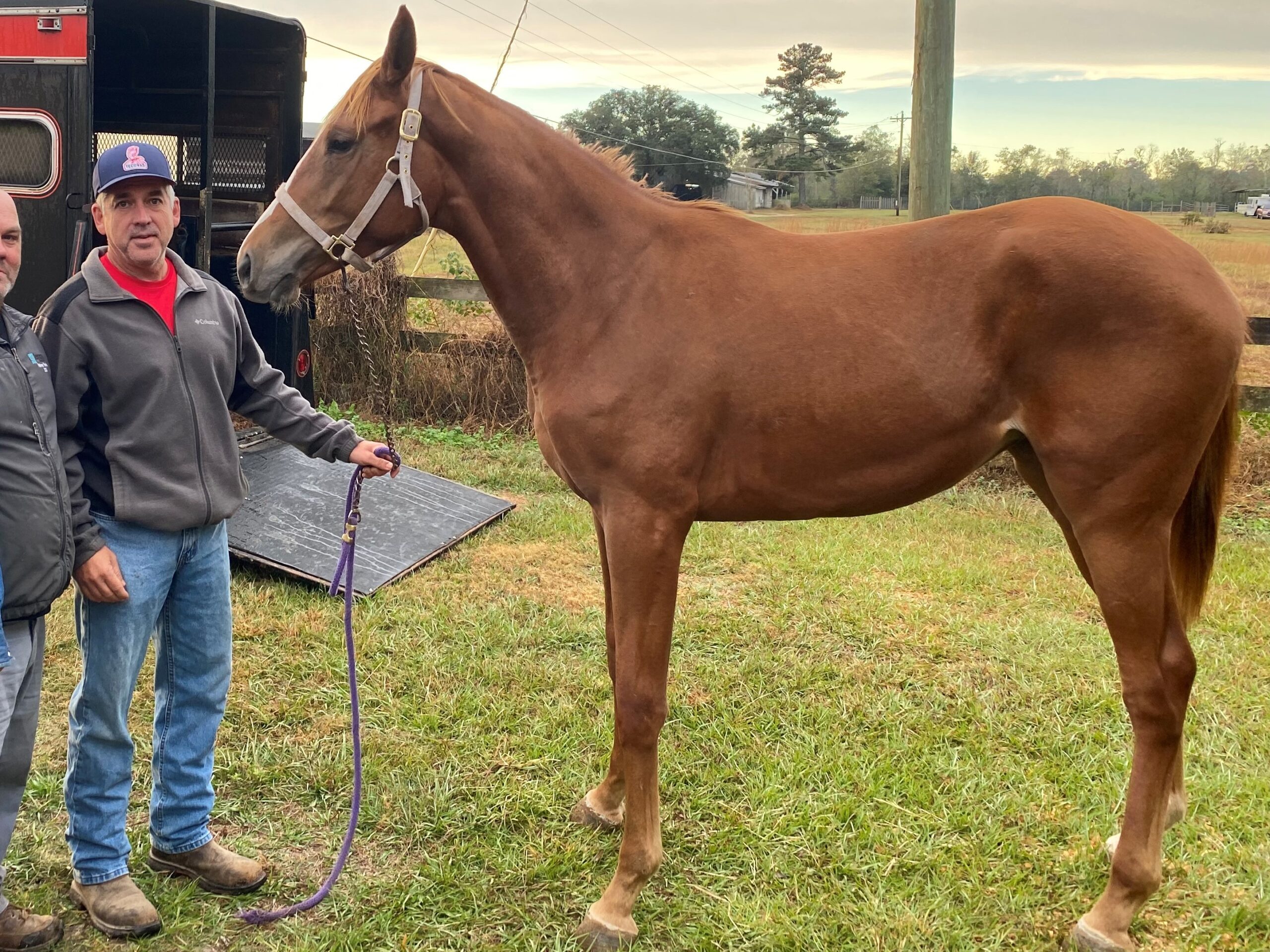
Miles Henry (legal name: William Bradley) is a professional horseman based in Folsom, Louisiana. He holds Louisiana Racing License #67012 and has spent over three decades managing Thoroughbreds at premier tracks including Fair Grounds, Delta Downs, and Evangeline Downs.
Expertise & Hands-On Experience: Beyond the track, Miles has decades of experience in specialized equine care, covering everything from hoof health and nutrition to training protocols for Quarter Horses, Friesians, and Paints. Every guide on Horse Racing Sense is rooted in this “boots-on-the-ground” perspective.
30 of their last 90 starts
Equibase Profile.

Connect with Miles: