Last updated: August 30, 2026
If you’re considering an Oldenburg or another warmblood sport horse, don’t rely on the name alone. The papers, pedigree, and reputation matter, but the individual horse matters more.
The Oldenburg – also called the Oldenburger – is a large German warmblood bred primarily for dressage and show jumping. Many mature Oldenburgs stand around 16 to 17.2 hands, though individual height varies by pedigree and sex. The breed is known for a powerful, uphill build, athletic movement, and a willingness to work.
In this guide, I’ll walk through the Oldenburg’s size, colors, temperament, history, and registration, along with what I would actually evaluate before buying one.
Table of Contents
Oldenburg Height, Build, and Colors
Many mature Oldenburgs stand around 16 to 17.2 hands, though individual horses vary by pedigree, sex, and breeding program. They’re commonly substantial, long-lined horses that often feel larger than the number on the measuring stick suggests, thanks to their frame, neck length, depth through the body, and powerful hindquarters.
Because the registry accepts approved stallions from outside the breed, there’s no single rigid conformation type, but a few traits show up consistently: an expressive head with a slightly convex profile, a long muscular neck, prominent withers, a deep chest, and a long back. The overall build is often described as “uphill,” with well-muscled legs, short cannon bones, and large hooves built to carry real power.
Oldenburg registration isn’t limited to one coat color. Bay, brown, black, chestnut, and gray are all seen, and pinto Oldenburgs occur too – the breeding program prioritizes quality sport-horse bloodlines over any particular color.
Temperament: Are They Good for Beginners?
Oldenburgs are generally known as social, intelligent, hard-working horses that genuinely try for their riders. But “the breed is calm” isn’t a guarantee for any individual horse – horses bred specifically for upper-level jumping can be more sensitive and reactive to pressure, more forward, and less patient with an inexperienced or unsure rider than a horse bred and started for amateur sport.
Some Oldenburgs genuinely suit a capable beginner working with a professional – a trained, quiet, forgiving individual is out there. A young or sensitive horse bred for upper-level competition usually isn’t the right fit for that same rider. Training level, management routine, and the specific horse’s rideability matter more than the breed name when you’re judging whether an Oldenburg is right for a beginner.
What Are Oldenburgs Used For?
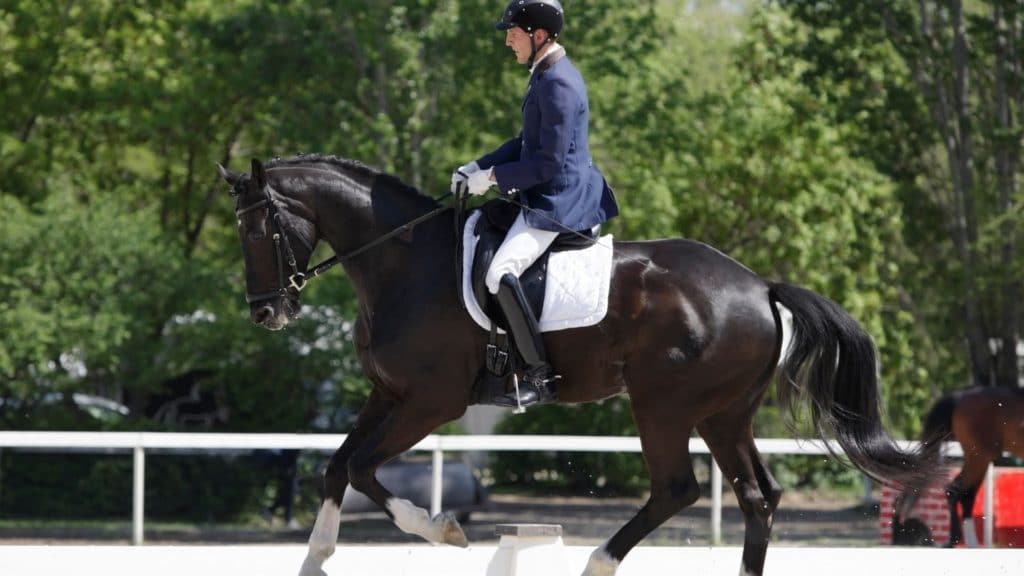
Oldenburg breeding programs have produced many successful dressage horses, from amateur competition mounts to international performers. Their size, power, rideability, and movement often appeal to riders looking for a horse bred with dressage in mind.
A good example of the Oldenburg program’s openness to outside bloodlines is Rubinstein. He was Westphalian-bred and initially rejected at Westphalian approval, but Oldenburg breeders accepted him for breeding. He became one of the most influential dressage sires of his generation, producing numerous successful offspring and approved stallions.
Bonfire, the Oldenburg gelding ridden by Anky van Grunsven, was one of the standout dressage horses of his era. At three Olympic Games—Barcelona in 1992, Atlanta in 1996, and Sydney in 2000—the pair won one individual gold medal and four silver medals. Bonfire also competed with van Grunsven at two World Equestrian Games.
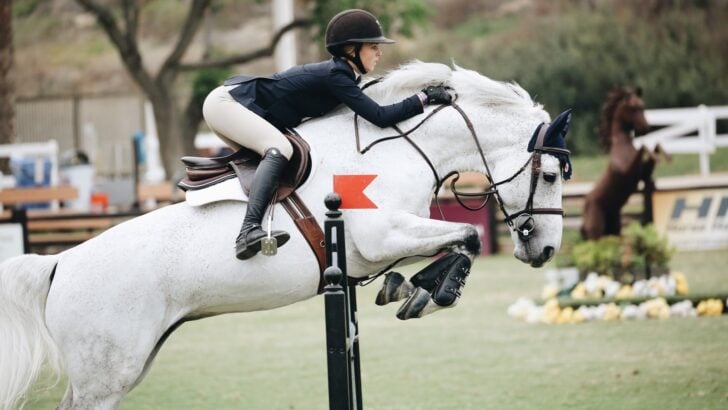
Oldenburgs are also widely represented in show jumping, where success depends on scope, technique, carefulness, rideability, and a horse’s willingness to handle pressure. Oldenburg jumpers have competed successfully at the sport’s highest levels, though most Oldenburgs you’ll actually encounter are competing at local and regional amateur levels, not the Olympics. The breed’s athleticism and trainability make it a practical choice for riders at many levels of both disciplines.
Breed History: How the Oldenburg Became a Modern Sport Horse
The Oldenburg developed in northwestern Germany during the late 16th and early 17th centuries. Breeders refined local farm horses with selected imported stallions, producing a stronger, more elegant horse suited to the region’s riding, driving, and working needs.
For centuries, Oldenburgs were valued as carriage and utility horses because they combined strength, size, and presence. As transportation and agriculture changed during the 20th century, breeders shifted toward a lighter, more athletic riding horse, adding Thoroughbred and other European sport-horse bloodlines, including Hanoverian and Trakehner influences.
That transition produced the modern Oldenburg: a large, powerful warmblood bred primarily for dressage and show jumping. Unlike a closed studbook, Oldenburg breeding has historically allowed approved outside bloodlines, giving breeders room to select for performance, rideability, and modern sport-horse quality.
Registration and Stallion Selection
A note on Oldenburg registrations: In North America, “Oldenburg” can appear on papers from more than one organization. The Oldenburg Horse Breeders’ Society is the official North American division of the German Oldenburg Verband (GOV) and follows its standards directly. The ISR-Oldenburg Registry North America, despite the name, is an independent organization with its own rules and isn’t affiliated with the German Verband. If you’re shopping for a horse or planning a breeding, look at the actual registry, pedigree, and inspection results – not just the word “Oldenburg” on the papers.
One reason Oldenburg pedigrees can look so different from one horse to the next is that the breeding program has historically allowed approved outside bloodlines rather than relying on a closed gene pool. The standard isn’t simply whether a stallion carries an Oldenburg brand – it’s whether he meets the Verband’s selection requirements for type, conformation, movement or jumping ability, rideability, health, pedigree, and performance.
Young stallions are screened before licensing, evaluated during the licensing process, and must meet the applicable performance requirements before final entry into the relevant stallion book. That system gives breeders access to high-performing sport-horse bloodlines while still requiring formal evaluation before a stallion becomes an approved Oldenburg sire.
For a buyer, that’s useful background – but it’s not a shortcut to judging an individual horse. A strong pedigree and an approved sire can improve the odds of athletic ability, but training, soundness, rideability, and fit with the rider still matter more when you’re choosing a specific horse.
Oldenburg foals issued a pedigree certificate may receive the traditional Oldenburg brand on the left hindquarters, although branding is voluntary. The familiar mark includes an “O” and crown, with a two-digit number below it that corresponds to part of the horse’s Universal Equine Life Number. Modern registration also relies on a microchip for identification.
What to Look for When Buying an Oldenburg
The Oldenburg name and pedigree are useful starting points, but they shouldn’t replace a hands-on evaluation of the actual horse. When you’re looking at a prospect, pay attention to:
- Rideability: Is the horse comfortable going forward, coming back, turning, and accepting a rider’s aids without becoming tense or resistant?
- Temperament: Watch how it behaves while being caught, groomed, tacked up, mounted, ridden away from the group, and handled after exercise – not just how it looks in a sales video.
- Training match: A talented young jumper or dressage prospect can be a poor fit for a rider who needs an established, forgiving horse.
- Soundness: Have a qualified veterinarian perform an appropriate pre-purchase exam, and be clear with them about the job you want the horse to do.
- Size and build: A large, powerful horse can be a real advantage in sport, but only if the rider can comfortably manage its movement, stride, and strength.
- Records and registration: Verify the horse’s passport, microchip, pedigree, inspection results, and competition record before treating its bloodlines as a selling point on their own.
A Horseman’s Take: An Oldenburg’s papers can tell you a lot about the breeding program, but they don’t tell you whether that particular horse is the right ride. If I were shopping, I’d look first at soundness, rideability, training level, temperament in a new setting, and how the horse handles ordinary work – not just the brand, a fashionable sire, or a big-moving trot in a sales video. The best prospect is the one whose ability and mind actually fit the rider’s goals.
How Much Does an Oldenburg Cost?
There’s no single price tag for an Oldenburg – the range is genuinely wide. An unstarted young horse straight out of a breeding program costs far less than a horse with training, a competition record, and proven rideability, and a proven FEI-level dressage or jumping horse commands a different market entirely from either. Top Oldenburg prospects from proven German sales can run well into six figures, but that’s the exception, not the norm – most Oldenburgs sold in North America are priced closer to other quality sport horses of similar age and training.
Pedigree and an approved sire can support a higher asking price, but they’re not the main driver – training level, soundness, temperament, and performance record typically matter more to the actual sale price than bloodlines alone. Budget for a pre-purchase vet exam and, if you’re not experienced evaluating sport-horse prospects yourself, a trainer or agent who can help you judge the horse rather than the pedigree.
Oldenburg vs. Other Warmbloods
Oldenburgs share a lot with other German and European warmbloods, but a few general differences are worth knowing if you’re comparing breeds:
| Breed | General comparison to Oldenburg |
|---|---|
| Hanoverian | Similarly large and versatile, with one of the longest continuous breeding traditions in dressage and jumping; often seen as the more “classic” German warmblood standard |
| Dutch Warmblood | Comparable size and sport focus, bred under a different national studbook with its own selection emphasis on trainability and movement |
| Holsteiner | Traditionally strong jumping reputation, generally a bit more compact than many Oldenburgs |
| Trakehner | Lighter-framed and closer to Thoroughbred type, valued for stamina and refinement over the raw size Oldenburgs are known for |
All of these breeds overlap heavily in ability and use – individual horse quality, training, and rider match still matter more than the breed name on the papers, whichever warmblood you’re considering.
This video offers a visual example of an Oldenburg’s athletic ability while competing in a jumping competition.

FAQs
How tall is an Oldenburg horse?
Many mature Oldenburgs stand around 16 to 17.2 hands, although height varies with sex, pedigree, and breeding program. They’re often substantial, long-framed horses, so a 16.2-hand Oldenburg may feel larger than a similarly measured horse of a lighter type.
What is an Oldenburg horse used for?
Modern Oldenburgs are primarily bred and used as sport horses, competing at every level of dressage and show jumping, from local shows to the Olympics. Historically, they were carriage and farm horses before breeders shifted the focus toward athletic sport-horse traits in the mid-20th century.
What colors do Oldenburg horses come in?
Oldenburgs may be registered in any coat color. Bay, brown, black, chestnut, and gray are common, and pinto Oldenburgs occur too – the breeding program prioritizes quality sport-horse bloodlines over color.
Is an Oldenburg the same as an Oldenburger?
Yes – Oldenburg and Oldenburger refer to the same breed. Oldenburger is simply the German-derived name, and both terms are used interchangeably in English-language sources.
Are Oldenburg horses good for beginners?
Some can be, but the individual horse matters more than the breed name. A trained, quiet, forgiving Oldenburg may suit a capable beginner working with a professional, while a young or sensitive horse bred for upper-level jumping usually won’t. Prioritize temperament, training, soundness, and rider match over breed reputation.
How much does an Oldenburg horse cost?
Prices vary widely based on age, training, and performance record rather than pedigree alone. Young, unstarted horses cost far less than trained, competition-proven ones, and top prospects from proven European sales can run well into six figures – though most Oldenburgs sold in North America are priced closer to other quality sport horses of similar training.
What’s the difference between an Oldenburg and a Hanoverian?
Both are large, versatile German warmbloods bred for dressage and jumping, and they overlap heavily in ability and use. The Hanoverian has one of the longest continuous breeding traditions among German warmbloods, while the Oldenburg’s registry has historically been more open to outside bloodlines and privately run rather than state-directed. Individual horse quality matters more than the breed distinction for most buyers.
About Miles Henry
Racehorse Owner & Author | 30+ Years in Thoroughbred Racing
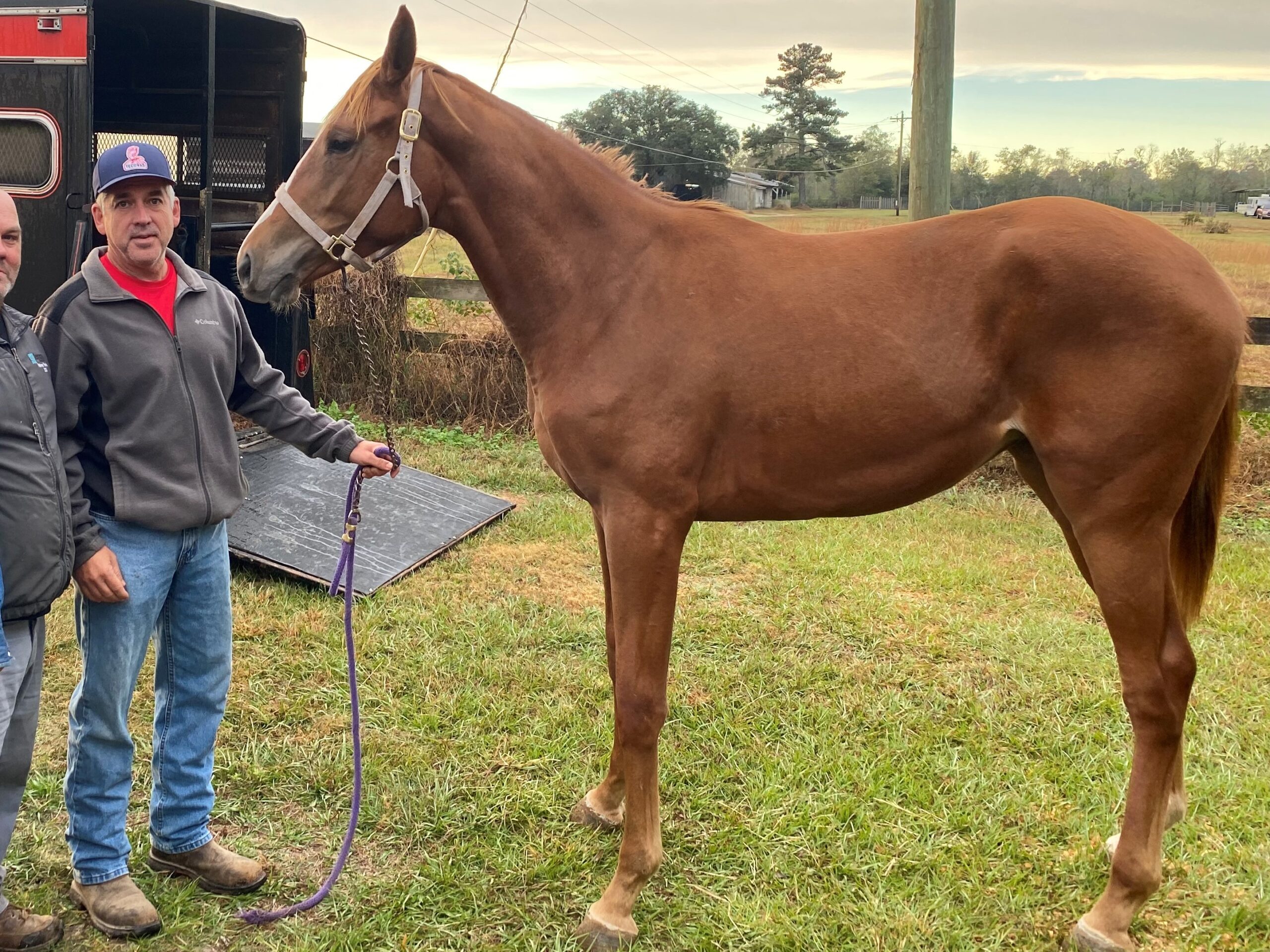
Miles Henry (legal name: William Bradley) is a professional horseman based in Folsom, Louisiana. He holds Louisiana Racing License #67012 and has spent over three decades managing Thoroughbreds at premier tracks including Fair Grounds, Delta Downs, and Evangeline Downs.
Expertise & Hands-On Experience: Beyond the track, Miles has decades of experience in specialized equine care, covering everything from hoof health and nutrition to training protocols for Quarter Horses, Friesians, and Paints. Every guide on Horse Racing Sense is rooted in this “boots-on-the-ground” perspective.
30 of their last 90 starts
Equibase Profile.

Connect with Miles: