
Last updated: February 12, 2026
🏆 Barn Monitoring: What Actually Works (2026)
30 years in Louisiana barns taught me: metal siding blocks signals, and dust kills gear. For 2026, skip the “smart home” gadgets and get hardware that survives the barn floor.
- Best for Remote Pastures (Cellular): Reolink Go PT Ultra (4K) – Uses 4G LTE like your phone; works anywhere you get a few bars of signal. Features PTZ (swipe your phone to move the camera and zoom in on a leg or a newborn foal).
- Best for Barns Near the House (WiFi): Reolink Elite Floodlight WiFi – Massive 4K coverage with Starlight night vision (gives you a color image in low light so you can actually see the mare’s coat color).
- Best for the Tack Room (Budget): Wyze Cam Floodlight v2 – Simple and bright. The easiest way to secure expensive gear without overspending.
My Foaling Go-To: The Reolink Go PT Ultra. I’ve had it catch early pacing and rolling that turned into a difficult delivery; seeing that on my phone bought us critical minutes for the vet to arrive.
After finding hay, feed, and lead ropes missing from my 20-stall shedrow barn at the Folsom training center, I realized security cameras weren’t optional anymore. Someone—likely grooms from other barns with living quarters on site—was helping themselves to supplies when I wasn’t there. I live miles from the track, so I needed a system I could check from home without driving in every time something felt off.
What I learned: the right cameras don’t just record theft—they prevent it. Motion-activated floodlights stopped the problem cold. Remote monitoring helped me catch a loose horse and redirect a confused trainer who walked into the wrong barn. And when you’re managing racehorses, peace of mind from miles away is worth every penny.
This guide shows you what actually works in horse barns—not what works in suburban driveways. We’ll cover WiFi vs. cellular cameras, why dust ratings matter, and how to set up a system that handles Louisiana weather and barn life.
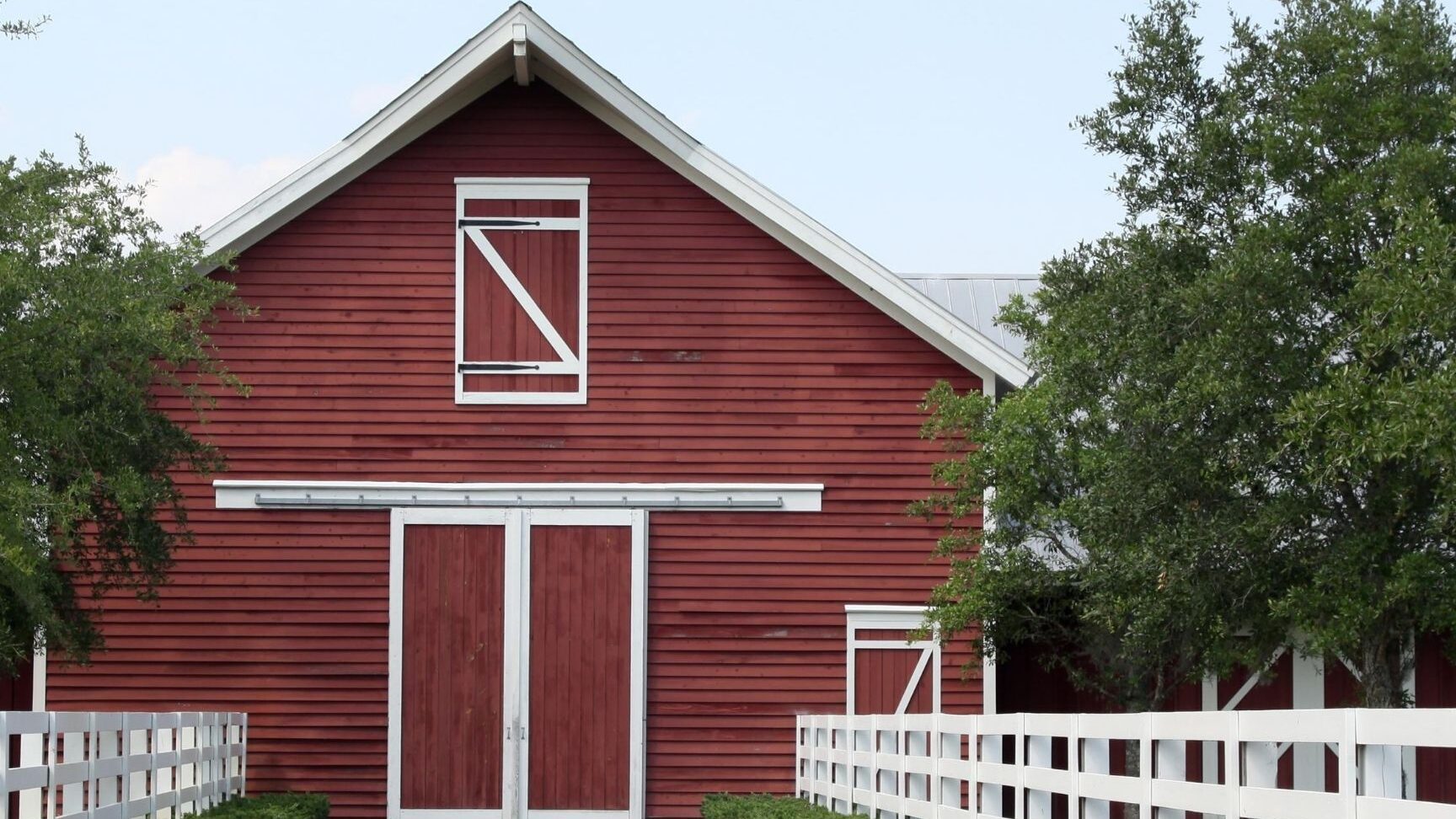
Horse Barn Cameras: WiFi vs. 4G and What Actually Works
🏆 Barn Monitoring: What Actually Works (2026)
30 years in Louisiana barns taught me: metal siding blocks signals, and dust kills gear. For 2026, skip the “smart home” gadgets and get hardware that survives the barn floor.
First-Time Buyer Tip: Don’t waste money on WiFi extenders in barns—metal siding kills them. Either use 2.4GHz WiFi cameras (better range than 5GHz) or go straight to 4G cellular cameras that don’t need WiFi at all.
- Best for Remote Pastures (Cellular): Reolink Go PT Ultra (4K) – Uses 4G LTE like your phone. Features PTZ (swipe your phone to move the camera and zoom in on a leg or a newborn foal).
- Best for Barns Near the House (WiFi): Reolink Elite Floodlight WiFi – Massive 4K coverage with Starlight night vision (gives you a color image in low light so you can see the mare’s coat).
- Best for the Tack Room (Budget): Wyze Cam Floodlight v2 – Simple and bright. The easiest way to secure expensive gear without overspending.
My Foaling Go-To: The Reolink Go PT Ultra. I’ve had it catch early pacing and rolling that turned into a difficult delivery; seeing that on my phone bought us critical minutes for the vet to arrive.
Decision Framework: Which Camera Type Fits Your Barn?
| Your Situation | Recommended Type | Power Source | Monthly Cost | Miles’ Take |
|---|---|---|---|---|
| Barn | WiFi Camera | Solar or Plug-in | $0 (Local SD Card) | Start here. Use 2.4GHz WiFi settings—it punches through metal siding way better than 5GHz. |
| Remote Barn or Pasture | 4G LTE Cellular | Solar + Battery | $10 – $25 (Data) | Works anywhere with cell signal. Keep it on motion-only recording to stay under 5GB/month. |
| Tack or Feed Room | Budget WiFi | Plug-in | $0 – $3 | Indoor spots don’t need heavy weatherproofing. Save your money here for the pasture cams. |
| Foaling Stall (Temporary) | PTZ Cellular | Solar or Battery | $15 – $20 | PTZ lets you “walk” the camera around the stall from your phone. Essential for 2 AM checks. |
| Multiple Barn Property | Mixed System | Both | Varies | WiFi for the main barn, cellular for the back gates. That’s exactly how I’d rig my own place. |
Real Barn Stories: Why I Trust Cameras
The Theft Problem That Changed Everything
For months, we kept noticing things going missing from our shedrow barn at Folsom—bags of feed, a few flakes of hay, lead ropes. Nothing expensive enough to report, but enough to be frustrating. Living miles from the track, I couldn’t sit there all day watching. Other barns on site had groom quarters, and we suspected someone was helping themselves when no one was around.
I installed six Reolink Elite Floodlight WiFi cameras—one on each corner of the barn and two in the center aisle watching both rows of ten stalls. Mounted them at 9-10 feet high to avoid tampering. The motion-activated floodlights were the key—they point away from the horses so they don’t spook them, but they light up anyone walking through.
The theft stopped immediately. Not because we caught anyone on camera—because the cameras and lights made it clear the barn was being watched. That’s the real value: prevention, not prosecution.
The Loose Horse at 6 AM
I was drinking coffee at home when my phone buzzed with a motion alert. Opened the Reolink app and saw one of our fillies loose in the aisleway—somehow got the stall latch open. She wasn’t panicked, just curious, but if she’d wandered onto the track during morning workouts, we’d have had a disaster.
Called the barn immediately, and our groom got her back in the stall before she caused any trouble. Without cameras, I wouldn’t have known until I drove in later that morning—by then, who knows what could’ve happened.
The Wrong Barn Visitor
Got an alert one afternoon showing someone walking into our barn. Didn’t recognize him. Watched him on the app for a minute—he was looking around confused, not acting suspicious. Turned out to be a trainer from another barn who got turned around. Our barn looks similar to his, and he thought he was in the right place.
Called him, straightened it out, no harm done. But it showed me the value of being able to see who’s there without driving in. If he’d been there for the wrong reasons, I’d have known immediately.
Top Camera Picks: What Actually Works in Barns
REOLINK Go PT Ultra – 4K Cellular
This is the 2026 standard for remote pastures. It runs on 4G LTE like a smartphone—no WiFi or power cables required. The included solar panel keeps it charged even through a week of Louisiana gray skies.
Miles’ Take: The 4K resolution is a game changer for foaling. You can zoom in on the straw to see if she’s leaking milk without driving down to the barn. Swipe your phone screen to pan the camera 355° around the stall.
View 4K Cellular Model on Amazon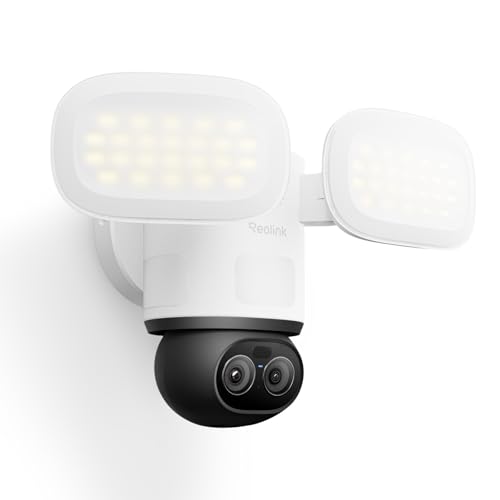
The 2026 standard for barnyard security. This 4K dual-lens system features 360° auto-tracking and 3000-lumen floodlights, ensuring no movement goes unnoticed around your stalls or tack room.
Check Price on AmazonREOLINK Argus 4 Pro – 180° WiFi 6
If you have WiFi at the barn, this is the top pick for 2026. It uses Dual-Lens technology to give you a 180-degree view. One camera covers the entire length of a shed-row or a massive foaling stall with zero blind spots.
Miles’ Take: This has “Starlight” night vision, meaning it stays in full color even in very low light. If you keep a small nightlight on in the barn, you’ll see your horse in color all night long.
View 180° WiFi Model on Amazon
The industry’s first battery camera with Continuous 4K Recording. Featuring a massive 20,000mAh battery and ColorX night vision, it captures full-color video in total darkness without needing a spotlight or wiring.
Check Price on AmazonBest Budget Friendly Camera (Barns Near House)
The best budget floodlight for 2026. It features 2800-lumen LEDs and a 160° wide-angle lens. Unlike other cameras, it offers 24/7 local recording to a microSD card, so you aren’t forced into a monthly subscription just to see your barn footage.
Check Price on AmazonCamera Specs Comparison: What Actually Matters in Barns
| Feature | WiFi Cameras | 4G/LTE Cellular | Winner for Barns | Miles’ Why It Matters |
|---|---|---|---|---|
| Setup Difficulty | Easy (App Scan) | Medium (SIM Setup) | WiFi | You can DIY WiFi cameras in minutes. Cellular requires activating a data plan—easy, but an extra step. |
| Range Limit | 150–300ft from house | Anywhere with signal | 4G Cellular | WiFi dies the second it hits metal siding. Cellular works anywhere your smartphone gets a bar of signal. |
| Storm Reliability | Fails if WiFi/Power drops | Works (Battery/Solar) | 4G Cellular | Louisiana storms knock out internet for days. Battery-powered cellular units stay live when the grid goes dark. |
| Monthly Cost | $0–$5 (Optional) | $10–$25 (Data Plan) | WiFi | WiFi is essentially free once you own the gear. Cellular costs like a tablet plan, though many 2026 brands offer multi-cam discounts. |
| Night Vision | 4K Color / Starlight | 4K Color / Starlight | Tie | New 2026 “Starlight” sensors let you see the horse’s coat color at midnight without spooky red IR lights. |
| Dust Resistance | IP65–IP66 | IP66–IP67 | Cellular | Barn dust kills cheap electronics. You need IP66 minimum to keep fine hay particles out of the lens. |
🏆 4 Things That Actually Matter
Dust-tight and hose-down proof. Standard “outdoor” cameras are often only IP65, which can’t handle the fine hay dust and high-pressure cleaning common in barns. IP66 ensures your lens stays clear and your electronics stay dry.
Horses are sensitive to the “red glow” of traditional IR night vision, which can disrupt their rest. Starlight sensors provide full-color video in near-total darkness, allowing you to check a mare’s coat color or stall condition without spooking her.
Miles’ Note: This is essential for foaling—seeing the actual color of fluids or the foal’s coat is a huge advantage.It’s free, private, and works even when your internet is down. Most 2026 cameras handle up to 256GB cards. I only recommend cloud storage ($3/mo) for cameras pointed at the tack room where you need off-site backup in case of theft.
Don’t waste thousands on trenching electrical lines through Louisiana mud. Modern solar panels can keep a camera charged 24/7. Just ensure the panel is south-facing and clear of the barn’s roof overhang.
Miles’ Note: Wipe the dust off your solar panels every 3 months. In a barn, a layer of dust can drop your charging efficiency by 20%.Barn Security Quick-Start
- Corners + Aisle: For a typical 20-stall barn, 4 cameras are often enough. Place them in opposite corners to eliminate blind spots and one at each end of the center aisle.
- The 9-10ft Rule: Mount cameras at this height. It’s high enough to prevent tampering but low enough to capture clear facial features instead of just the tops of heads.
- Path Lighting: Use motion-activated floodlights on human walkways. This deters intruders without the constant “light pollution” that disrupts a horse’s natural sleep cycle in the stalls.
- The “Spider” Wipe: In Louisiana, spiders love camera housings. A monthly microfiber wipe is mandatory—webs reflect IR light and can turn night footage into a bright, unusable haze.
- Quarterly Motion Test: Walk through your barn once every three months to ensure your phone actually pings. Sensors can shift, and you don’t want to find out a camera is “dead” after a theft occurs.
- Layer Your Defense: Remember, cameras are only 50% of the battle. Pair them with heavy-duty locks, “No Trespassing” signs, and visible security decals to stop trouble before it enters the barn.

Related Barn Management Topics
Here is a helpful YouTube review of the Reolink security camera.

Frequently Asked Questions
Can I use a regular baby monitor in a barn?
No. Baby monitors have a range of 50-100 feet maximum and don’t handle dust or moisture. They also don’t have motion detection or remote access via smartphone. Use actual security cameras with IP66 weatherproofing and WiFi/cellular connectivity instead.
How much data does a 4G barn camera use per month?
With motion-only recording (not 24/7 streaming), expect 2-5GB per month per camera. If you stream live video frequently or record continuously, usage can jump to 10-20GB. Most cellular plans cost $10-25/month for this amount of data.
Do I need electricity or is solar power enough?
Solar works great for motion-activated recording. The battery charges during the day and runs the camera at night. If you need 24/7 continuous recording (like foaling watches), plug-in power is more reliable. Solar batteries can drain during extended cloudy weather.
How do I keep spiders off the camera lens?
Mount cameras high (9-10 feet) where spiders are less likely to build webs. Wipe lenses weekly with a microfiber cloth. Some people spray the area around the camera (not the lens) with diluted vinegar—spiders hate it. You can also disable built-in IR lights and use external IR illuminators away from the camera.
What is the best camera for foaling stalls?
Pan-tilt-zoom (PTZ) cameras like the Reolink Go PT are ideal. You can remotely swivel the camera to check every corner of the stall without installing multiple cameras. Look for color night vision (starlight sensors) so you can see the mare clearly without bright IR lights that might disturb her.
Can these cameras see in total darkness (0 lux)?
Infrared (IR) cameras can see in total darkness—they shine invisible IR light that the camera detects. Shows up as black-and-white video. Starlight/color night vision cameras need some ambient light (moonlight, distant barn lights) to work. If your barn is pitch black, you need IR or add low-level lighting.
Will metal siding block my WiFi signal?
Yes. Metal siding kills WiFi, especially 5GHz signals. Solutions: Use 2.4GHz cameras (better penetration), install an outdoor WiFi access point near the barn, or skip WiFi entirely and use 4G cellular cameras.
Is cloud storage worth the monthly fee?
For theft prevention (tack rooms, entrances), yes—if someone steals the camera, you still have the footage stored offsite. For just watching horses, local storage (SD card) is fine and free. I use cloud for security cameras and local storage for horse monitoring.
Related Barn Management Topics
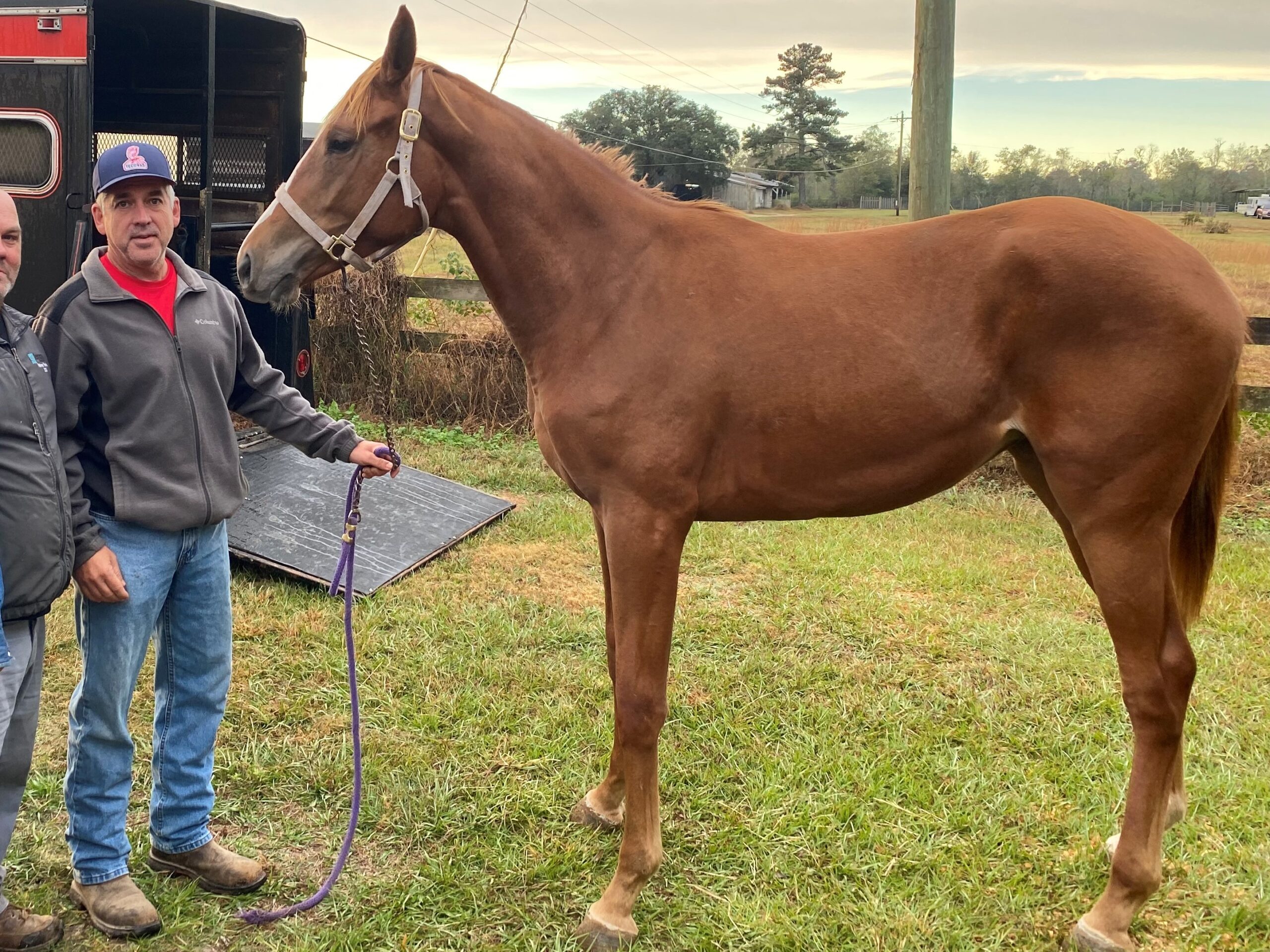
About Miles Henry
Racehorse Owner & Author | 30+ Years in Thoroughbred Racing
Miles Henry (legal name: William Bradley) is a professional horseman based in Folsom, Louisiana. He holds Louisiana Racing License #67012 and has spent over three decades managing Thoroughbreds at premier tracks including Fair Grounds, Delta Downs, and Evangeline Downs.
Expertise & Hands-On Experience: Beyond the track, Miles has decades of experience in specialized equine care, covering everything from hoof health and nutrition to training protocols for Quarter Horses, Friesians, and Paints. Every guide on Horse Racing Sense is rooted in this “boots-on-the-ground” perspective.
30 of their last 90 starts
Equibase Profile.

Connect with Miles: