Last updated: October 12, 2026
Maybe your kid’s begging to start showing, or you’ve got a horse and you’re wondering whether you’d enjoy competing. Then you pick up a show bill and see classes like hunter under saddle, showmanship, reining, and poles, and it’s hard to tell which ones fit you or your horse.
Here’s how those show types differ, what the common classes judge, and which costs to plan for before you enter.
Table of Contents
What Is Horse Showing?
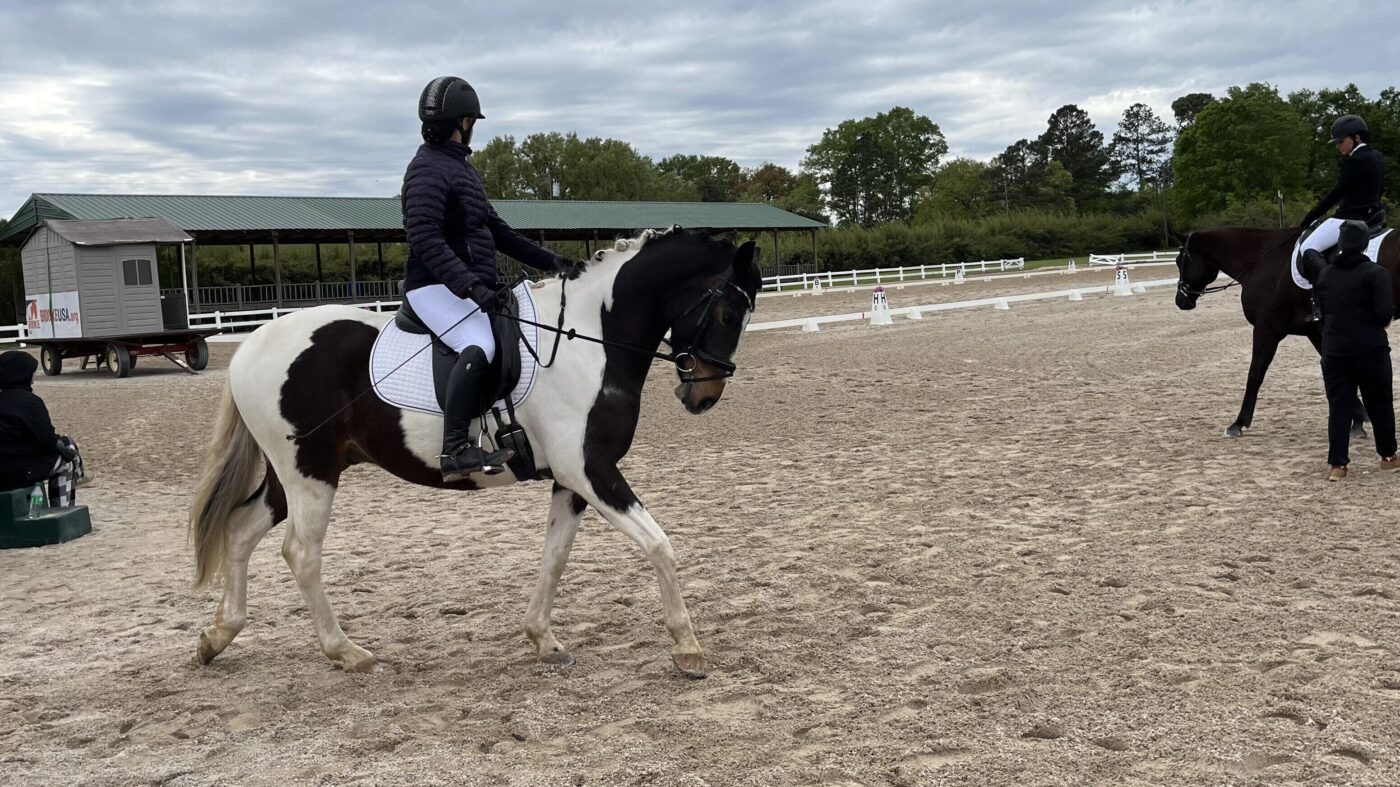
A horse show is the overall event, and a class is one competition within it. You enter individual classes rather than the whole show, and each class has its own rules. Some classes judge the horse, some judge the rider, and some are decided by time. A day at a show can include several classes, so one horse and rider might enter a pleasure class, a horsemanship class, and a trail class in the same afternoon.
Most classes fall into a few basic types:
- Performance classes judge how the horse moves and behaves, either on the rail, meaning around the outside of the arena with a group, or one at a time in a pattern.
- Equitation and horsemanship classes judge the rider’s position, control, and use of the aids.
- Halter and showmanship classes are shown in hand. Halter judges the horse’s conformation, and showmanship judges how well the handler presents the horse.
- Timed and jumping classes are decided by the clock, penalties, or both, like barrel racing or show jumping.
Classes may also be divided by age, amateur status, or experience. You’ll see youth, amateur, and open divisions, along with walk-trot or novice classes. An open division isn’t the same as an open show. It describes who can enter that class under the association’s rules. The exact names and eligibility rules vary, so read the prize list or show bill closely.
Types of Horse Shows: Schooling, Open, Breed, and Rated
These labels don’t form a ladder from beginner to advanced, and they can overlap. Each one tells you something different about a show: its purpose, which horses can enter, or whether it’s recognized by an association. Schooling shows are exactly what they sound like, a place to school a horse and rider with less pressure. Open shows are usually the most flexible, since they take any breed and often run English and Western classes on the same day.
| Type of show | Who it’s for | What to know |
|---|---|---|
| Schooling show | Riders and horses gaining experience | Usually one day with lower fees and a less formal setting; check the organizer’s rules |
| Open show | Horses of any breed, subject to the show’s entry rules | Can be local or rated; often offers both English and Western classes |
| Breed show | One breed, like Quarter Horses or Arabians | Run under a breed association’s rules, often with halter classes |
| Rated or recognized show | Competitors seeking recognized competition, points, or qualifying opportunities, depending on the association and class | Recognized by a governing organization and run under its rules, often with classes for several experience levels |
USEF hunter competitions are now rated Premier, National, or Regional. You may still hear the older letter ratings, and breed associations and other disciplines use their own systems.
English Horse Show Classes
English competitions include hunters, jumpers, equitation, dressage, and eventing. The main difference is what each one tests: the horse’s performance, the rider’s skill, or both.
- Hunters: The horse is judged on its style and movement, along with manners, either over fences or on the flat in hunter under saddle.
- Jumpers: Horses jump a course of fences and get faults for rails down, refusals, and going over the time allowed. Ties are usually broken by a timed jump-off, though some classes use other formats.
- Equitation: The rider is judged on position, control, and how smoothly they ride the course or rail work.
- Dressage: Horse and rider perform a set test, and the judge scores each movement on how accurately and correctly it’s ridden.
- Eventing: One horse and rider complete dressage, cross-country, and show jumping, often called the triathlon of horse sports.
Western Horse Show Classes
Western shows offer several kinds of classes. Here are some common horse show classes and what each one tests:
- Western pleasure: Horses work on the rail at the walk, jog, and lope. Judges look for correct, smooth gaits, good manners, and a relaxed way of going.
- Western horsemanship: The rider is judged on position and control while riding a pattern and on the rail.
- Reining: Each horse runs a set pattern of circles, spins, lead changes, and sliding stops.
- Trail: Horses work through obstacles like gates, bridges, logs, and backing through a chute, and they’re judged on willingness and care.
- Western riding: A pattern class focused on lead changes and smooth transitions.
- Ranch riding and ranch trail: Classes built around the kind of work a good ranch horse does. Judging rules vary by association.
- Halter and showmanship: In-hand classes for conformation and presentation.
Barrel Racing and Speed Shows
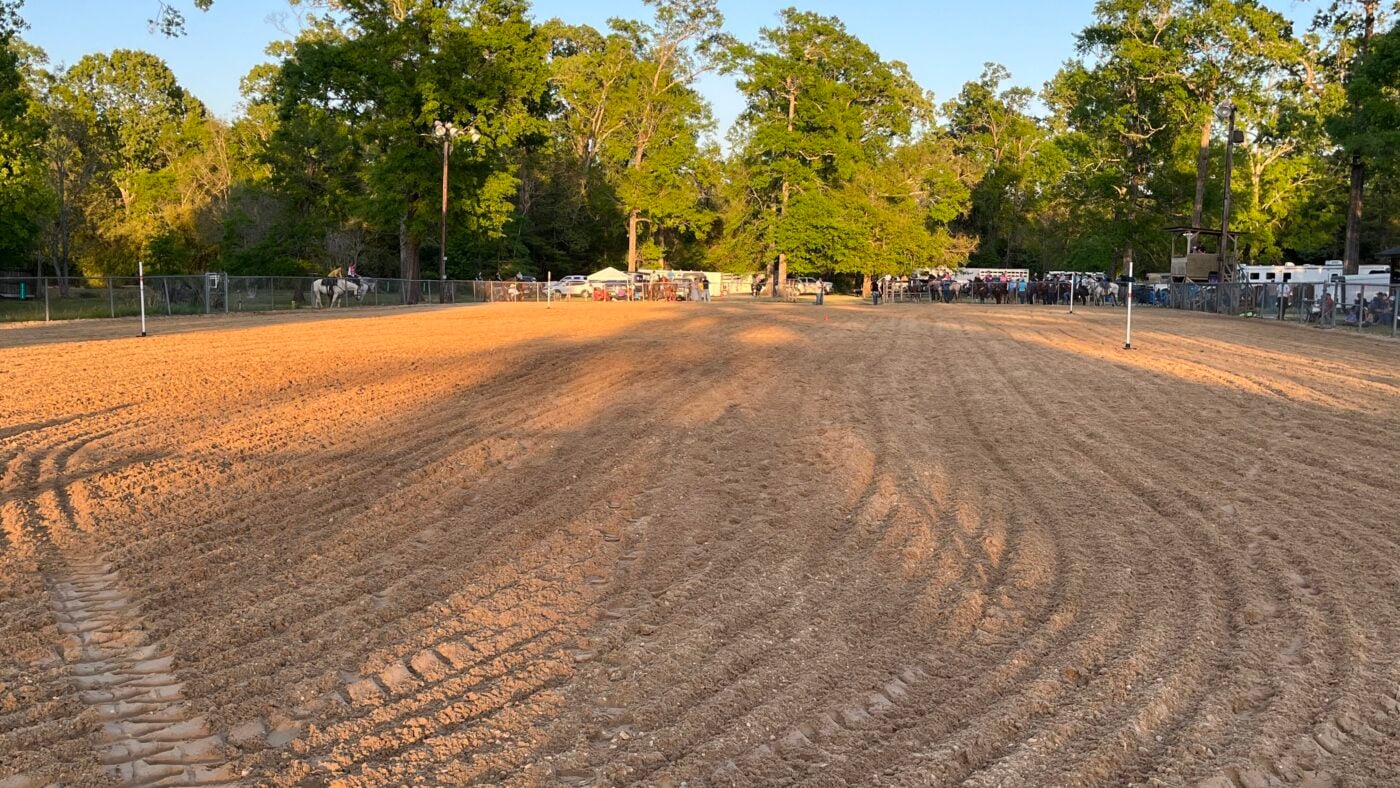
Speed events are timed, and the fastest run under the event’s rules wins. Barrel racing is the best known. Horses run a cloverleaf pattern around three barrels, and depending on the rules, knocking one over adds time or results in a no-time. Pole bending, keyhole, and stake races are common speed classes, too.
Barrel racing is also held at many rodeos, but a standalone barrel show is a different kind of event. Rodeos may include roping, bull riding, and steer wrestling, while a local barrel show usually focuses on barrels and other speed events. Many barrel races use a 4-D format, one common system that splits riders into divisions based on how far their times fall behind the fastest run, so a rider who’s a second or two slower can still win money in their division. Around our part of Louisiana, barrel racing draws more riders than any other horse sport I see.
Is Horse Showing Expensive?
It can be, but it doesn’t have to be at the start. A local schooling show or barrel race will often cost less than a multi-day rated show, though fees vary by event. The costs that add up are:
- Entry fees: Paid per class, and sometimes with an office fee per horse.
- Memberships: Rated and breed shows usually require memberships in the governing association.
- Stalls and shavings: Needed for overnight shows.
- Hauling: Fuel and wear on your truck and trailer, or the cost of paying someone to haul.
- Coaching and training: Many riders pay a trainer for lessons before the show and help at the show.
- Tack and clothes: Each discipline has its own dress code, and some show classes call for specific tack.

Check whether the listed fees include office charges, grounds fees, or stalls, since those extras can change the total for a show day. If you’re new, look for a nearby schooling or open show with classes that suit your experience. It’s a low-cost way to find out whether you and your horse enjoy showing.
About Miles Henry
Racehorse Owner & Author | 30+ Years in Thoroughbred Racing
Miles Henry (legal name: William Bradley) is a professional horseman based in Folsom, Louisiana. He holds Louisiana Racing License #67012 and has spent over three decades managing Thoroughbreds at premier tracks including Fair Grounds, Delta Downs, and Evangeline Downs.
Expertise & Hands-On Experience: Beyond the track, Miles has decades of experience in specialized equine care, covering everything from hoof health and nutrition to training protocols for Quarter Horses, Friesians, and Paints. Every guide on Horse Racing Sense is rooted in this “boots-on-the-ground” perspective.
30 of their last 90 starts
Equibase Profile.

Connect with Miles: