
Last updated: July 1, 2026
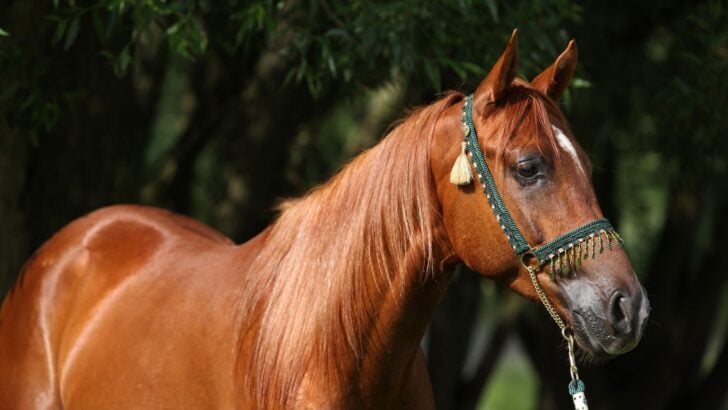
The halter is the most-used piece of tack in any barn — it goes on before anything else and comes off last. Getting it wrong matters more than most owners realize, especially when it comes to turnout. A nylon halter left on an unsupervised horse can become a serious and sometimes fatal hazard — entanglement, strangulation, or panic injury are all real outcomes. The choice of halter material is where that risk starts.
What are the main types of horse halters? Three materials cover most situations: leather, nylon, and rope. Each has a specific role.
- Leather — breaks under extreme pressure; a reliable turnout option and the standard for show and race day. Purpose-built breakaway halters are even more consistent for unsupervised turnout.
- Nylon — affordable and easy to clean, but does not break under pressure; generally not recommended for unsupervised turnout
- Rope — used for training via pressure and release; never leave a horse unattended in one
- Breakaway — leather crown or fuse that snaps under pressure; the right choice when you can’t supervise constantly
Turnout safety — read this before choosing a halter: Nylon halters are designed not to break under pressure, which is exactly where the risk comes in during entanglement situations. For any horse that isn’t directly supervised, leather or a purpose-built breakaway halter is the safe choice — not nylon, not rope.
About this guide: Based on my hands-on experience working with horse halters across training barns and Louisiana racetrack environments, where leather — often with the horse’s name on a nameplate — is the standard for horses going to the paddock and winner’s circle.
Table of Contents
Leather Halters
Leather is the material I reach for first. It can break under extreme pressure — which is exactly what you want if your horse gets a halter caught on a fence post, hook, or branch. That breakaway property isn’t a weakness; it’s the point. Purpose-built breakaway halters are the most consistently reliable safety design for unsupervised turnout, but quality leather is a well-established and widely used alternative.
At the racetrack, leather is the standard for horses going to the paddock or winner’s circle. Many owners have a nice leather halter — often engraved with the horse’s name — for race day. It’s functional and it says something about how you present your horse. A horse that’s been in the barn for any length of time usually earns a named halter.
Horseman’s Perspective: Leather halters cost more upfront than nylon, but they last years with basic care — regular cleaning and occasional conditioning. I’ve had leather halters outlast the horses that wore them. The investment is worth it for any horse that spends time in turnout or goes to the track.

Leather halters can be customized with padding, nameplate hardware, or decorative stitching. They come at a range of price points, from functional barn halters to ornate show and presentation pieces. For everyday use on a working racehorse, a clean, well-fitted plain leather halter is all you need.
Nylon Halters
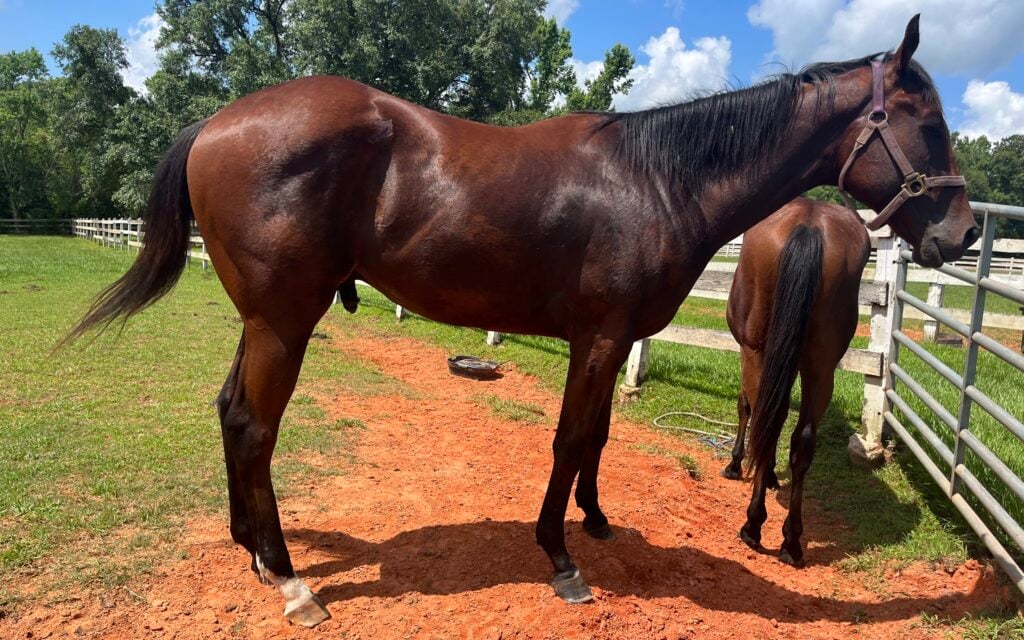
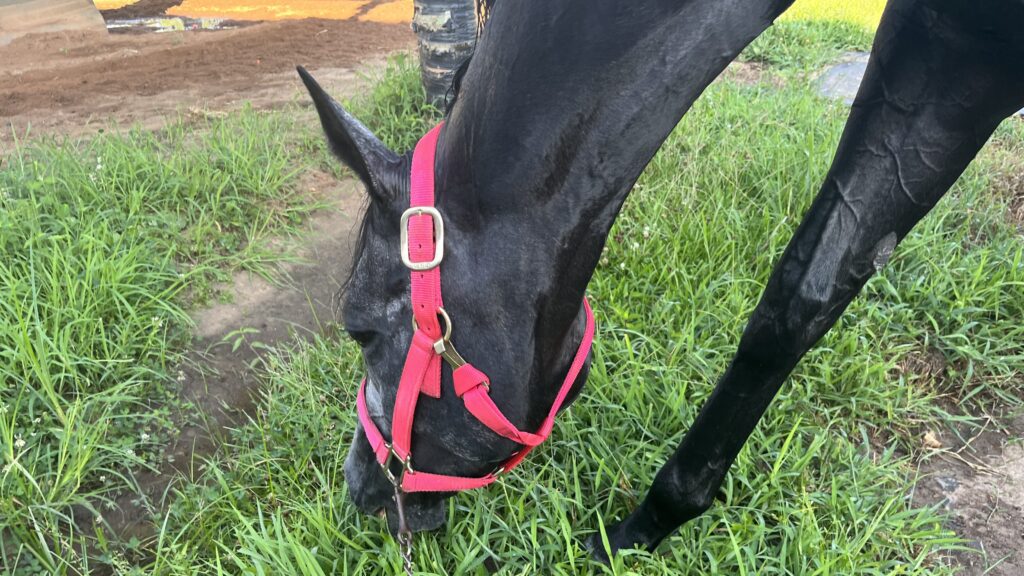
Nylon halters are affordable, durable, easy to clean with soap and water, and available in every color imaginable. They’re a reasonable choice for stall work, grooming, leading, and any situation where the horse is directly supervised. The problem is turnout.
Horses rub their heads against fence posts, get halters caught on hooks and hardware — and when they panic and pull, a nylon halter won’t give. That’s when injuries happen.
Horseman’s Perspective: My grandfather only allowed leather halters because they break in an emergency. I thought he was being paranoid — until a horse boarding at our barn got its nylon halter caught on a hook and hung itself.
If you insist on using nylon in turnout: Replace one section of the crown with a leather breakaway fuse. The halter will function normally under everyday pressure but will snap at that point in an emergency. This is a workable modification — not an endorsement of nylon for unsupervised turnout. The better answer is leather or a purpose-built breakaway halter.

Rope Halters
Rope halters are built for training — specifically the pressure-and-release method, where responsiveness to subtle cues is the goal. They’re not suited for turnout or extended wear for the same reason they work in training: the pressure they apply doesn’t release on its own if a horse gets stuck.
A rope halter will not break in an emergency. The knotted design applies localized pressure to specific facial points — that concentration is what makes the horse responsive during training, and what makes the halter genuinely hazardous if the horse gets stuck and pulls against it unsupervised. Used correctly within a pressure-and-release session, it’s a legitimate and widely used training tool. Outside that specific context, take it off.
Horseman’s Perspective: Rope halters are common on the backside at Louisiana tracks for early training work — you see them on young horses learning to lead and stand. What you don’t see is one left on a horse in the stall or paddock without someone present. The trainers who use them are deliberate about that distinction.

Rope halter safety rules: Never leave a horse unattended in a rope halter. Confirm fit with someone who has used them before — the knots require specific placement to function correctly and sit safely. This is not a halter to guess at.
Breakaway, Grooming, and Shipping Halters
Beyond the three core materials, several specific halter types serve distinct purposes.
| Type | When to Use It | Key Feature |
|---|---|---|
| Breakaway | Turnout when you can’t supervise directly | Leather crown or fuse snaps under emergency pressure; the horse can free itself |
| Grooming | Grooming sessions only — not turnout or handling in the field | Intentionally loose to allow brush access under the halter; slips off easily |
| Shipping | Transport in a trailer | Added padding to absorb moisture and protect the face during movement; similar construction to a breakaway |
| Convertible | When you want one halter to serve multiple roles | Detachable padding or components can convert between everyday and shipping use |
How to Choose the Right Halter
The right halter depends on what you’re doing with the horse. Matching the halter to the task is more important than having one “best” option for every situation.
| Situation | Best Choice | Why |
|---|---|---|
| Unsupervised turnout | Leather or breakaway | Will break if the horse gets stuck — nylon and rope will not |
| Daily barn work and leading | Nylon | Durable, easy to clean, inexpensive to replace |
| Training (pressure/release method) | Rope | Localized pressure points increase responsiveness |
| Grooming | Grooming halter | Loose fit allows brush access; never use for turnout |
| Transport | Shipping halter | Padded for comfort during movement |
| Race day / paddock / winner’s circle | Leather, preferably named | Professional standard at the track; breakaway safety if horse spooks |
| Young horse or weanling | Adjustable leather or nylon | Multiple adjustment points ensure correct fit as the horse grows |
How to Fit a Halter Correctly
An ill-fitting halter causes more problems than no halter at all. Too loose and it can shift into the eyes; too tight and it causes rubbing, pressure sores, and in severe cases bone damage from prolonged wear.
The correct fit — what to check:
- Crownpiece: fits behind the ears without pinching or rubbing; should sit flat without pulling forward
- Noseband: sits midway between the nostrils and eyes — roughly two fingers of clearance between the strap and the horse’s nose as a general guide; the jaw should move freely
- Throat latch: snug but not tight; the horse should be able to breathe and flex its head without restriction
- Overall movement: the halter should not shift when the horse moves its head; if it does, tighten or adjust until it stays in place
Fit also matters more when the horse is young — a halter that moves or pinches during early handling creates a negative association that takes time to undo. For young horses, use an adjustable leather or nylon halter with enough adjustment points to stay correctly fitted as the head develops.
Start halter training at the weanling stage rather than waiting until they’re a yearling. A horse introduced to halter pressure early associates it with normal handling rather than something new and alarming. Begin with a lightweight halter, give the horse time to settle before applying lead pressure, and treat patience as the actual tool. Building that trust early makes every step that follows easier.
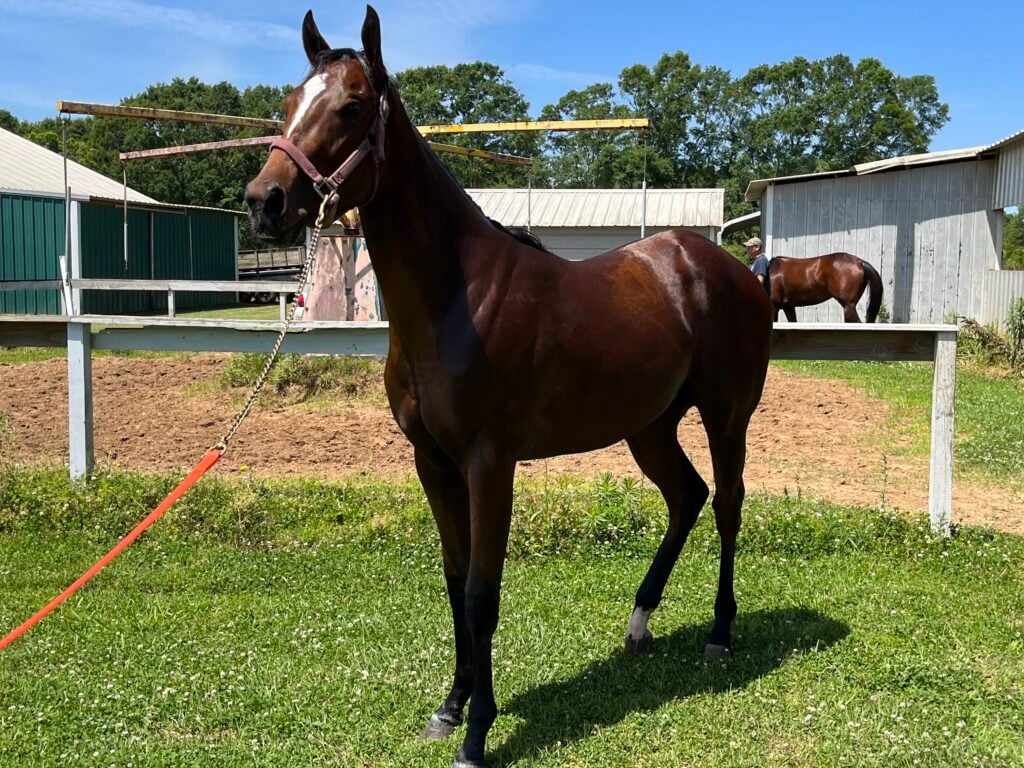
Below is a YouTube video showing how to correctly put a halter and bridle on a horse.


FAQs: Horse Halters
How much does a horse halter cost?
Nylon and rope halters typically run $15–$40. Mid-range leather halters are $60–$120. Show-quality or custom leather halters with nameplates can reach $200 or more. For everyday barn use, a quality nylon halter in the $25–$50 range is a reasonable starting point.
Can you ride a horse with just a halter?
Yes, but only on a well-trained horse that responds reliably to subtle cues. Without a bit, you lose the precision of direct rein contact, so the horse needs to already understand neck reining and body cues. Not recommended for novice riders or horses still in training.
Is it safe to leave a halter on a horse in turnout?
Only if it is leather or has a breakaway crown. Nylon halters do not break under pressure and pose a genuine strangulation risk if the horse gets a halter caught on a fence, hook, or branch. If you do leave a halter on during turnout, leather or a purpose-built breakaway is the minimum.
What halter is used at horse races?
Leather halters are the standard at Thoroughbred racetracks. Many owners use a nice leather halter — sometimes with the horse’s name engraved on a nameplate — for the paddock, post parade, and winner’s circle. Nylon is common on the backside for everyday barn work but rarely seen when the horse is presented publicly.
How do I know if a halter fits correctly?
The noseband should sit midway between the nostrils and eyes with roughly two fingers of clearance between the strap and the horse’s nose as a starting point. The crownpiece should lie flat behind the ears without pinching. The halter should not shift when the horse moves its head. A halter that is too loose can migrate into the eyes; one that is too tight can cause rubbing, pressure sores, and over time, bone damage.
When should I start halter training a young horse?
Start at the weanling stage if possible — no later than a yearling. Beginning early means the horse associates the halter with normal handling rather than a sudden new pressure. Start with a lightweight halter, build familiarity with the sensation before applying any lead pressure, and give the horse time to settle before moving to the next step.

Key Takeaways: Horse Halters
- Leather is the safest choice for turnout — it breaks under emergency pressure; nylon and rope do not
- Never leave a horse unsupervised in a nylon halter — if you must, convert it with a breakaway fuse or switch to leather
- Rope halters are training tools, not everyday halters — pressure is the point, which means unsupervised wear is always a risk
- Match the halter to the situation — leather for turnout and race day, nylon for supervised daily work, breakaway when you can’t watch continuously
- At the track, leather with a nameplate is the standard — it’s the professional presentation for the paddock, post parade, and winner’s circle
- Fit matters more than material — two fingers at the noseband, crownpiece flat behind the ears, no shifting when the head moves
- Start halter training at the weanling stage — waiting until yearling makes an already new sensation into a bigger adjustment
About Miles Henry
Racehorse Owner & Author | 30+ Years in Thoroughbred Racing
Miles Henry (legal name: William Bradley) is a professional horseman based in Folsom, Louisiana. He holds Louisiana Racing License #67012 and has spent over three decades managing Thoroughbreds at premier tracks including Fair Grounds, Delta Downs, and Evangeline Downs.
Expertise & Hands-On Experience: Beyond the track, Miles has decades of experience in specialized equine care, covering everything from hoof health and nutrition to training protocols for Quarter Horses, Friesians, and Paints. Every guide on Horse Racing Sense is rooted in this “boots-on-the-ground” perspective.
30 of their last 90 starts
Equibase Profile.

Connect with Miles: