
Last updated: January 26, 2025
Have you ever wondered how horses show affection? Growing up around horses and spending over 25 years caring for and training Thoroughbreds and Quarter Horses, I’ve seen firsthand how emotionally aware and affectionate these animals can be. From gentle nudges to soft whinnies, their ways of showing love are subtle yet meaningful. Backed by my hands-on experience and scientific research, this guide explores how horses express affection and how understanding these signs can deepen your bond.

Understanding How Horses Show Affection
Recognizing affectionate behaviors is essential for strengthening the human-horse bond. Research from the University of Sussex demonstrates that horses can distinguish between positive and negative human facial expressions, indicating their emotional awareness and capacity to form deep bonds with humans.
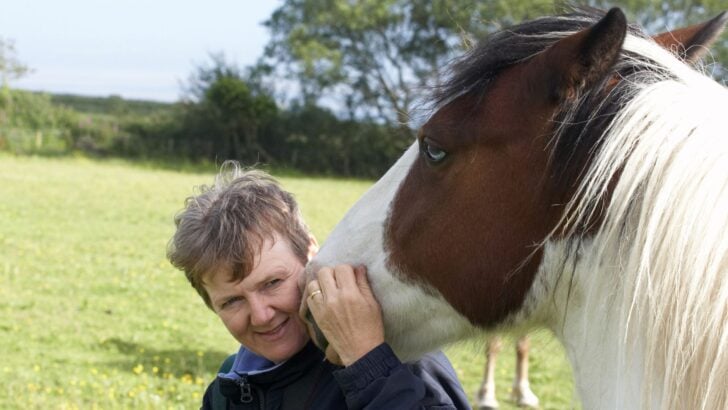
In my experience, trust manifests in subtle ways. One of my mares softly nuzzles me when I approach with her favorite feed, her ears relaxed and eyes half-closed—a quiet but powerful sign of affection.
10 Clear Signs Your Horse Loves You
Horses communicate affection through subtle behaviors and vocal cues. Recognizing these signs deepens trust and strengthens the bond between horse and owner.
1. Nuzzling and Nosing
A gentle nuzzle is a horse’s version of a hug. One of my geldings would softly press his muzzle against my shoulder after morning workouts, his breath warm and steady—a quiet request for attention. Research shows that mutual touch in horses strengthens social bonds, much like grooming in herds. 🔎 Learn more about horse bonding behaviors from the Rutgers Equine Science Center.
Horses naturally follow trusted leaders, showing comfort and connection.

2. Following Behavior
When a horse willingly follows you without being led, it signals trust and connection. I once had a filly escape her stall, but instead of running off, she calmly trailed behind me back to the barn. This behavior mirrors how horses follow trusted herd leaders in the wild. 🔎 Supported by research from the Rutgers Equine Science Center.
3. Licking and Chewing
Licking and chewing are signs of relaxation. After introducing a new grooming routine, one of my horses began softly chewing and licking his lips, a sign he felt safe and content. 📚 Learn more in the Horse Psychology & the Language of Horses.
4. Protective Behavior
Horses’ herd instincts can extend to their human handlers. One of my dominant mares instinctively steps between me and unfamiliar horses, subtly guarding me—a behavior rooted in their natural protective tendencies.
5. Vocalizations: How Horses Communicate Emotion
Horses use a variety of vocalizations to express their emotions and communicate with both other horses and humans. Understanding these sounds can help you better interpret how your horse feels and responds to you.
👉 Learn more about horse sounds in this horse vocalization guide.
- Soft Nicker: This low, rumbling sound is often used as a greeting and shows affection. For example, one of my mares softly nickers when she hears my voice at feeding time, signaling comfort and recognition.
- Whinny or Neigh: A louder sound used to communicate over long distances, often to seek reassurance or express excitement.
- Blowing or Snorting: Soft blowing signals curiosity and relaxation, while sharp snorts indicate alertness or caution.

6. Mutual Grooming
When a horse gently nibbles your arm or shoulder, it’s an extension of mutual grooming—a bonding activity among herd members. This behavior releases endorphins, reducing stress and strengthening social bonds. 🔎 Learn more from The Brooke.
Mutual grooming is how horses build and maintain strong social bonds.
7. Body Language
A relaxed posture, softened eyes, a lowered head, and a loose tail are physical signs of a horse feeling safe and content. 📚 Discover how to interpret these cues in our horse body language guide.
8. Proximity Seeking
Horses that choose to stand close to you without being asked are showing trust. This mirrors how they stay near trusted herd members in the wild.
9. Separation Anxiety
Pacing, calling out, or becoming restless when separated from you indicates a strong emotional bond.
10. Introducing New Environments Gradually
Horses are naturally cautious in unfamiliar settings. Introducing your horse to new environments slowly helps build trust and confidence. 🔎 Supported by research from the University of Georgia Cooperative Extention.

The Role of Trust in Building the Human-Horse Bond
Trust is the foundation of affection between horses and humans. Building this trust requires consistent, positive interaction—through grooming, hand-walking, and calm handling. Research from Charles Sturt University highlights how horses are highly attuned to human emotions, responding more positively to calm and confident handlers.
Studies have also found that when humans and horses interact, their heart rates can synchronize, reflecting a shared emotional experience. This physiological response strengthens the emotional bond and demonstrates how deeply horses can connect with trusted humans. (Medical News Today)
I’ve seen this firsthand with my high-strung racehorses; when I approach them with patience and a steady demeanor, they visibly relax. Incorporating gentle groundwork, positive reinforcement, and regular care fosters a deep, lasting bond rooted in mutual trust. Learn how to establish your role as a leader in horse training.
Watch this helpful video for practical tips on building a stronger bond with your horse through trust and positive interaction.
How to Show Love and Affection Back to Your Horse
Building a deep bond with your horse requires consistent, thoughtful actions that foster trust and connection. Here are practical, research-supported ways to show your horse love and affection:
1. Grooming
Horses naturally groom each other to bond, and brushing your horse mirrors this behavior. Grooming releases endorphins, helping your horse feel relaxed and connected to you. I often notice my horses leaning into the brush, signaling they enjoy the attention.
👉 Discover effective techniques in this step-by-step horse grooming guide for beginners.
Quality Time
Simply being present with your horse—hand-walking, grazing nearby, or calmly standing together—builds trust. Horses recognize and appreciate consistent, gentle companionship. These quiet moments strengthen the bond and make your horse feel safe.
👉 Learn more about building trust and strengthening your bond with your horse.
3. Respect Boundaries
Pay attention to body language. If your horse steps away, pins its ears, or seems hesitant, it may need space. Respecting these signals teaches your horse that you are a safe and considerate companion, strengthening trust over time.
4. Positive Vocalization
Horses respond to soothing tones. Before races, I use a soft, steady voice to calm my nervous horses, easing their anxiety. Speaking gently fosters comfort and trust.
👉 For high-strung or nervous horses, explore horse calming supplements to support a calm and trusting bond.

5. Introduce New Environments Gradually
Horses are naturally cautious in unfamiliar settings. Introducing your horse to new environments slowly helps build trust and confidence. Start by allowing your horse to observe the new area from a distance, gradually decreasing the distance over multiple sessions. This method reduces anxiety and fosters a sense of security.
🔎 Supported by research from the Rutgers Equine Science Center.
6. Use Clicker Training for Positive Reinforcement
Clicker training is an effective way to communicate desired behaviors to your horse. By associating a distinct clicking sound with a reward, your horse learns to understand which behaviors are encouraged. This method enhances learning and strengthens your relationship through clear communication and positive reinforcement.
🔎 The Equine Research Foundation highlights positive reinforcement as a key factor in human-horse bonding.
7. Provide Consistent Social Interaction
Horses are social animals that thrive on interaction. Regular social engagement, such as spending time together during grooming or hand-walking, satisfies their need for companionship and reinforces your bond.
🔎 The University of Pennsylvania’s Havemeyer Equine Behavior Research Lab emphasizes the importance of social interaction in horse behavior.
8. Respect Personal Space and Body Language
Understanding and respecting your horse’s body language is vital. If your horse shows signs of discomfort, such as pinned ears or moving away, give them space. Acknowledging these signals builds trust and shows your horse that you are attentive to their needs.
🔎 Learn more about equine body language at the Equine Wisdom Institute.
9. Engage in Mutual Grooming Activities
Mutual grooming is a natural behavior among horses that helps establish social bonds. Mimicking this behavior through gentle scratching or brushing in areas your horse enjoys replicates this bonding experience, promoting relaxation and connection.
🔎 Research indicates that mutual grooming reduces stress in horses. (The Brooke)
10. Introduce Fun and Enrichment Activities
Introduce new, low-stress activities like obstacle courses or trail rides to stimulate your horse mentally and physically. These shared positive experiences can strengthen your bond.
👉 Learn how to establish your role as a leader in horse training for more ways to engage your horse.

Frequently Asked Questions About How Horses Show Affection
Do all horses show affection the same way?
No, each horse has a unique personality and expresses affection differently. Some may nuzzle or follow you, while others show affection through calm body language or gentle vocalizations. Observing your horse’s behavior helps you understand their specific ways of bonding.
Can horses feel love?
Research suggests that horses form strong emotional bonds with both humans and other horses. Studies on the human-animal bond indicate that horses recognize familiar people and respond positively to kind, consistent care.
How do I tell if my horse trusts me?
Signs of trust include your horse willingly following you, maintaining a relaxed posture, soft eyes, and responding calmly to your presence. Mutual grooming, gentle nudges, and approaching you in open spaces also signal trust.
What if my horse doesn’t seem affectionate?
Building trust takes time and patience. Spend quality time grooming, walking, and calmly interacting with your horse. Watch for subtle cues like softened eyes or staying close to you. Avoid forcing interactions and let trust develop naturally.
How can I strengthen my bond with my horse?
Engage in positive activities like groundwork, consistent grooming, and hand-walking. Speak softly and reward positive behavior with gentle praise or small treats. Building trust through routine and respect will naturally deepen your connection.
Can horses sense a good person?
Yes, it’s possible that horses sense certain characteristics or traits in people that we might consider “good,” such as kindness, compassion, and a calm and respectful demeanor.
Conclusion: How Horses Show Affection: Signs Your Horse Loves You
Understanding how horses show affection is key to building a deep and trusting relationship. By recognizing and responding to their subtle cues—whether it’s a soft nuzzle, following you closely, or relaxing in your presence—you foster a bond built on mutual respect and love.
Take time to observe your horse’s behavior and engage with them in ways that make them feel safe and valued. Have you noticed your horse showing affection in unique ways? Share your experiences in the comments below! Every small moment of connection brings you closer together. Start today, and strengthen the incredible bond you share with your horse. Explore how horses form profound emotional and spiritual connections with humans in this article on horses and spirituality.
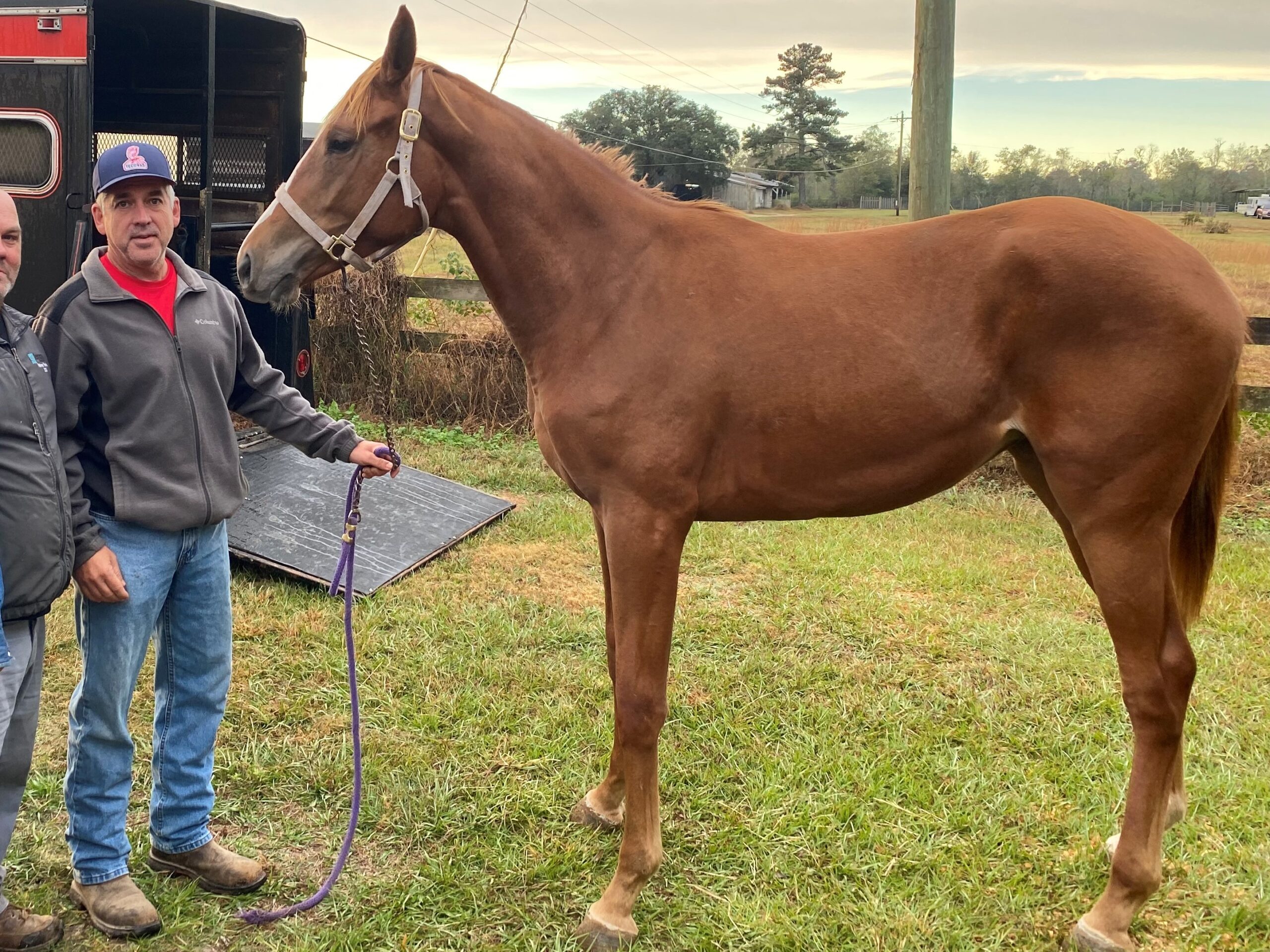
About Miles Henry
Racehorse Owner & Author | 30+ Years in Thoroughbred Racing
Miles Henry (legal name: William Bradley) is a professional horseman based in Folsom, Louisiana. He holds Louisiana Racing License #67012 and has spent over three decades managing Thoroughbreds at premier tracks including Fair Grounds, Delta Downs, and Evangeline Downs.
Expertise & Hands-On Experience: Beyond the track, Miles has decades of experience in specialized equine care, covering everything from hoof health and nutrition to training protocols for Quarter Horses, Friesians, and Paints. Every guide on Horse Racing Sense is rooted in this “boots-on-the-ground” perspective.
30 of their last 90 starts
Equibase Profile.

Connect with Miles: