
Last updated: August 8, 2026
I’ve buried horses at 19 that looked like they should have had another decade, and I’ve watched a 27-year-old gelding stay sound enough to trail ride. Those experiences taught me that genetics set the ceiling, but daily management determines whether a horse gets anywhere near it.
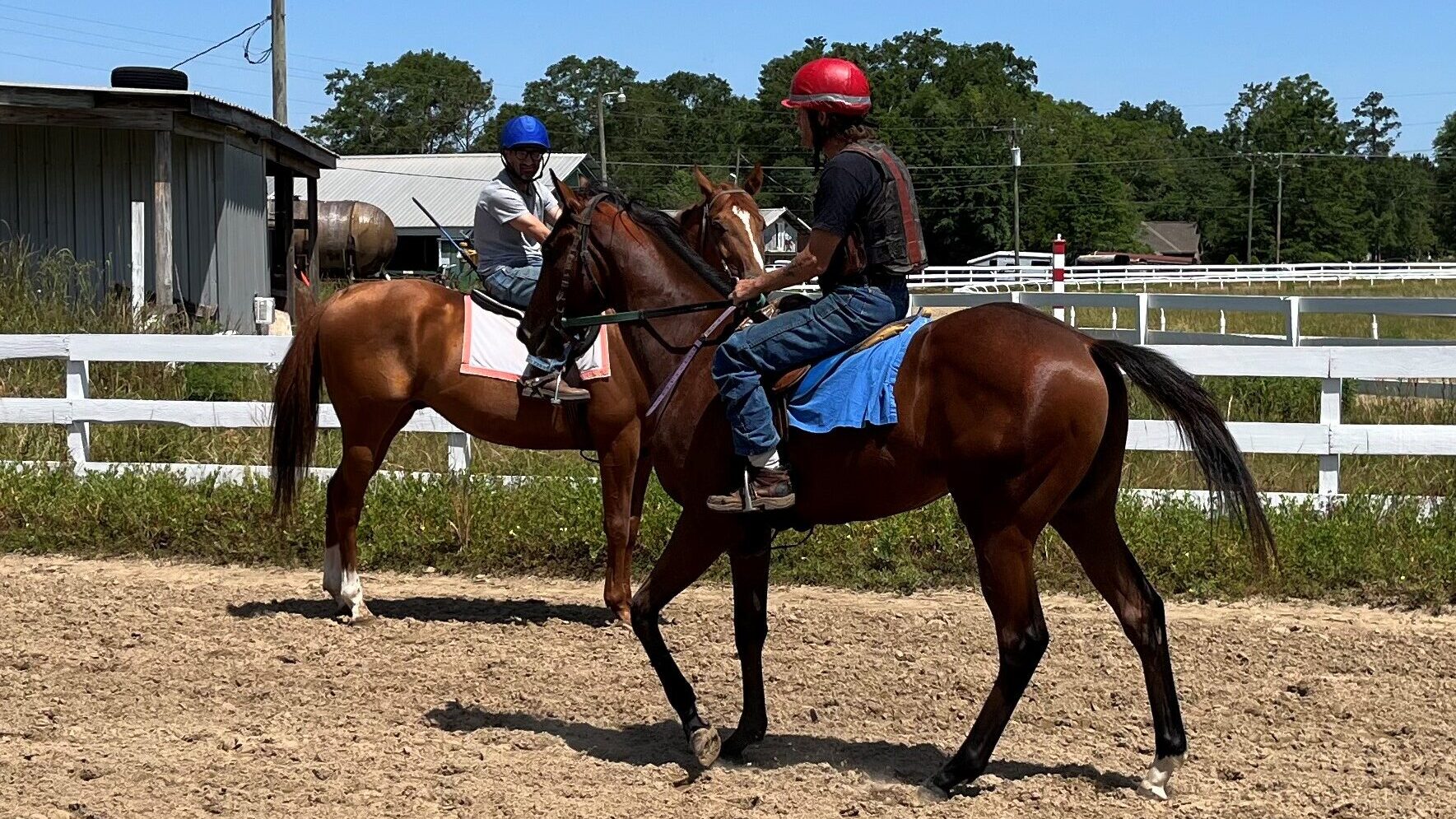
Most horses live about 25 to 30 years. Arabians and some pony breeds commonly reach their 30s. Thoroughbreds often live into their mid-to-late 20s, and some reach 30 or beyond with good management after racing. Friesians may have shorter lifespans than many comparable breeds, with inherited health concerns being one contributing factor. Free-roaming horses are often estimated to live around 15-20 years, although lifespan varies widely by population and environmental conditions.
Breed gives you a useful starting point, not a guarantee. Below, I’ll compare common lifespan ranges, explain what affects longevity, and cover the everyday management decisions that help horses stay healthy as they age.
Table of Contents
Horse Lifespan by Breed
| Breed or type | Typical lifespan | What I would pay attention to |
|---|---|---|
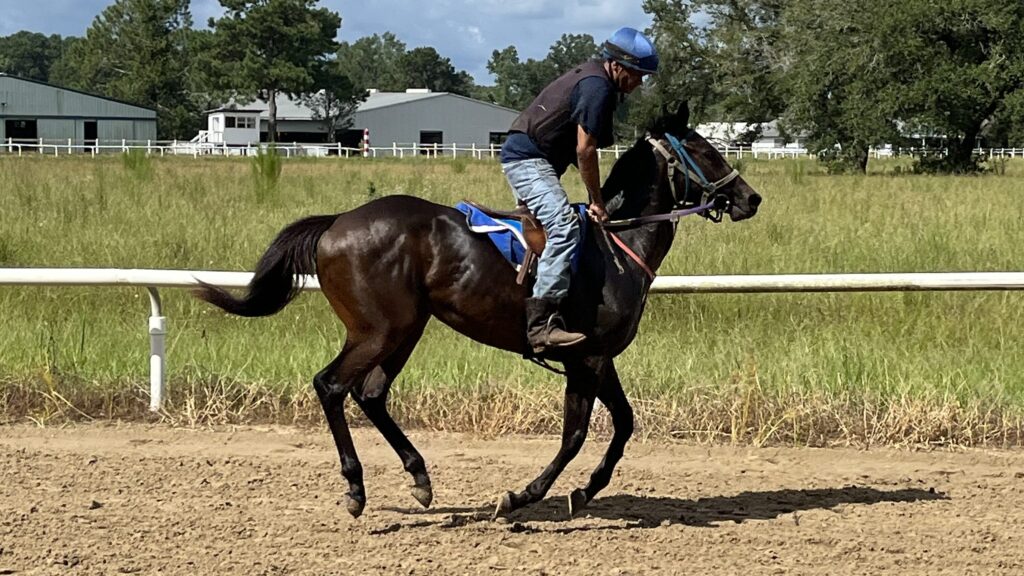
| Thoroughbred | Often mid-to-late 20s; some reach 30 or beyond | Racing does not automatically shorten a Thoroughbred’s life. Long-term soundness, the transition after racing, hoof care, regular exercise, and maintaining weight as he ages matter more. |
| Quarter Horse | Often 25+ years; some reach their 30s | Many Quarter Horses age very well, but I still watch the feet, hocks, stifles, and metabolic condition closely. A horse can look hardy and still develop problems if he gets heavy, stands too much, or misses regular maintenance. |
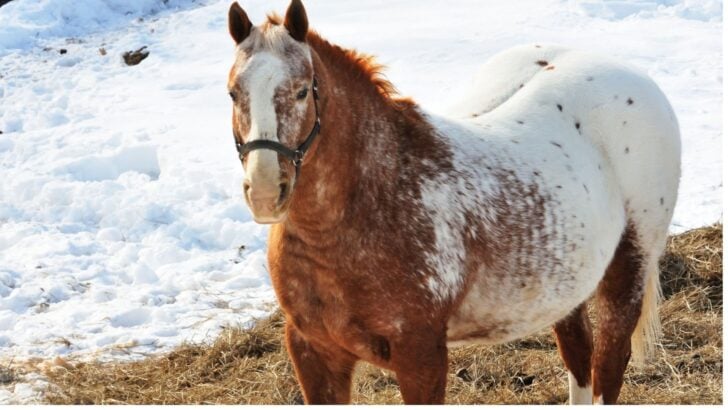
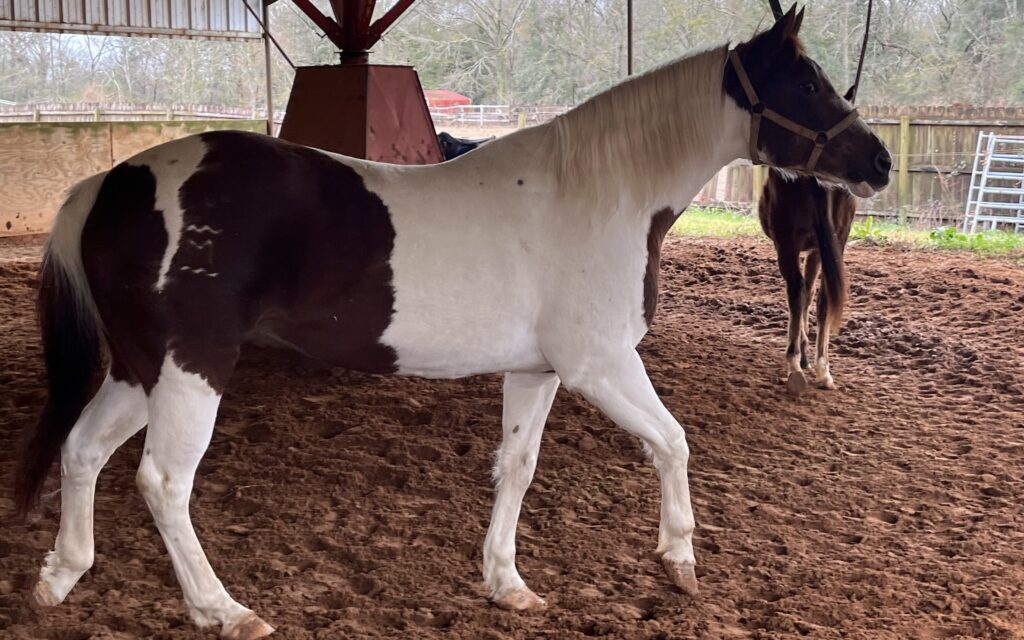
| American Paint Horse | Often mid-20s to around 30 years | Paints often share the same practical strengths and concerns as Quarter Horses. Weight control, regular movement, and staying ahead of hoof and joint trouble matter more than assuming a naturally hardy horse will take care of himself. |
| Standardbred | Often mid-20s to 30 years or more | Many Standardbreds remain useful well past their racing careers. As with retired Thoroughbreds, a gradual transition from track work to turnout and a sensible second-career workload can make a real difference. |
| Arabian | Commonly reaches the late 20s and 30s | Arabians have a reputation for longevity, but they still need the same basics: good forage, routine dental work, consistent movement, and attention to weight or metabolic changes as they age. |
| Tennessee Walking Horse and other gaited horses | Often late 20s to early 30s | Gaited horses can stay comfortable and rideable for a long time when their feet are balanced and their workload fits their condition. Do not ignore changes in stride, reluctance downhill, or stiffness after standing. |
| Ponies and Miniature Horses | Commonly late 20s to 30s | Smaller horses often live a long time, but longevity brings its own management work. Dental wear, obesity, insulin dysregulation, laminitis risk, and PPID deserve close attention in older ponies. |
| Draft breeds | Often early-to-late 20s | Big horses can be wonderful older horses, but extra body weight puts more demand on feet, joints, and the cardiovascular system. Keeping them lean, mobile, and properly trimmed is especially important. |
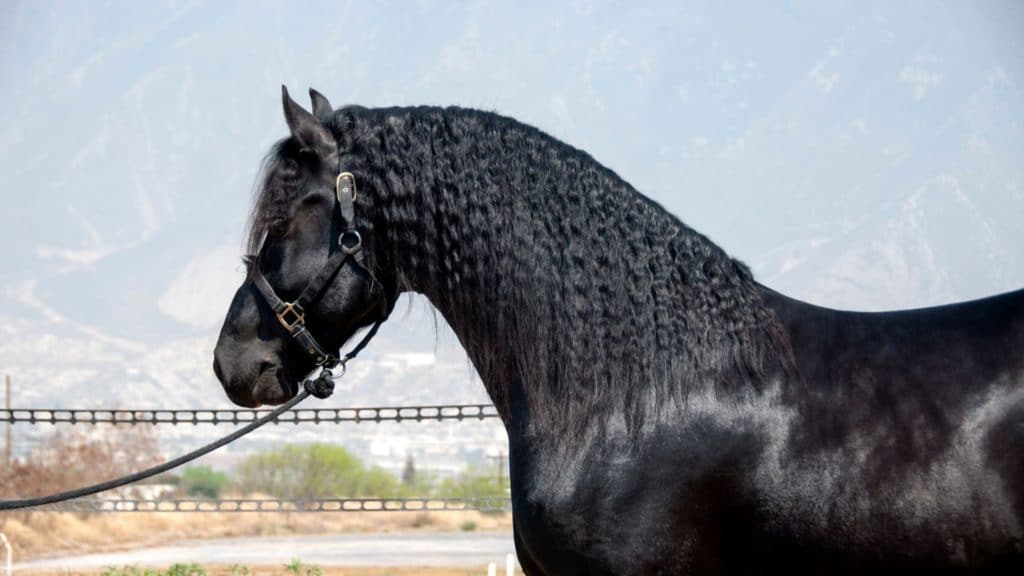
| Friesian | Reported ranges vary | Friesians deserve a more cautious discussion than a single lifespan number. Prospective owners should understand the breed’s inherited health concerns, ask informed questions about pedigree and health testing, and plan for knowledgeable veterinary care. |
| Icelandic Horse | Reported ranges vary; often cited around 25-30 years | Icelandic Horses have a reputation for hardiness, but I’d treat any horse living well past 30 as an individual outlier rather than a typical outcome. The breed’s reputation for hardiness does not replace good dental care, weight management, regular hoof work, and appropriate exercise. |
| Mustang or free-roaming horse | Often estimated around 15-20 years in unmanaged populations | Life on the range is not the same as life in a good domestic program. Once domesticated and consistently cared for, a Mustang may live considerably longer than the average free-roaming horse. |
The breed ranges above are a starting point, not a ceiling or a floor. Individual management makes the bigger difference over a horse’s actual lifetime.
What Determines How Long a Horse Lives?
The four areas below are where management has the most influence over how a horse ages. You can’t change his genetics or erase an old injury, but you can give him the nutrition, movement, hoof care, dental attention, and early intervention that help him stay comfortable and useful longer.
Miles’s Take: After 30 years around horses, the factors that consistently separate horses that age well from those that struggle are surprisingly consistent: good nutrition, maintained teeth and feet, regular movement, and catching small problems before they become major ones. None of it is complicated. It just has to happen every year, not just when something goes wrong.
| Factor | Why it matters | What you can control |
|---|---|---|
| Genetics and breed | Determines baseline health, disease susceptibility, and structural soundness | Choose a breed with known longevity; buy from health-tested stock |
| Nutrition | Poor nutrition can contribute to weight loss, reduced muscle condition, and health problems that become harder to manage as a horse ages. Dental issues can compound those problems over time. | Quality forage, appropriate grain, fresh water, and regular dental floating |
| Veterinary care | Early detection of metabolic disease, PPID (equine Cushing’s disease), and lameness issues can improve comfort, treatment options, and long-term management | Annual wellness exams, vaccinations, deworming, and prompt attention to changes |
| Exercise and management | Consistent, appropriate movement maintains joint health and prevents muscle loss | Regular turnout; avoid long periods of stall confinement; adapt workload as horse ages |
Living conditions matter more than people give them credit for. Regular turnout, appropriate shelter, companionship where possible, safe footing, and a consistent feeding routine make it easier to maintain a horse’s weight, movement, and comfort as he ages. Those daily basics don’t replace veterinary care, but they often determine whether small issues get noticed and handled early.
Which Horse Breed Lives the Longest?
Arabians, ponies, and some smaller horse breeds have long-standing reputations for aging well. But I would not choose a horse strictly because a chart says one breed lives longer than another. A sound horse with good feet, a manageable metabolic profile, steady turnout, and attentive care will often outlast the horse with the supposedly better breed average.
Breeds often associated with longevity include:
- Arabians – commonly recognized for remaining active well into their later years
- Ponies and Miniature Horses – frequently live into their late 20s and 30s, though metabolic and dental care are important
- Quarter Horses and Paint Horses – many remain useful for decades with weight control, sound feet, and sensible work
- Gaited breeds – can stay comfortable and rideable for a long time when hoof balance and workload are managed well
The lesson is not that one breed guarantees a longer life. It is that owners who stay ahead of weight, feet, teeth, nutrition, movement, and small health changes give any horse a better chance to age well.
Do Any Horse Breeds Have Shorter Lifespans?
Friesians are often discussed as having a shorter lifespan than many other popular riding-horse breeds, but I would be careful about treating any single number as a settled breed average. Lifespan reports vary, and an individual horse’s pedigree, health history, management, and access to experienced veterinary care all matter.
What is well established is that Friesians come from a comparatively restricted genetic population and have recognized inherited health concerns. Anyone considering one should ask informed questions about pedigree, available health testing, insurance, and the ongoing cost of knowledgeable care. See our Friesian lifespan and genetics guide for a deeper look.
Wild Horses vs Domesticated Horses
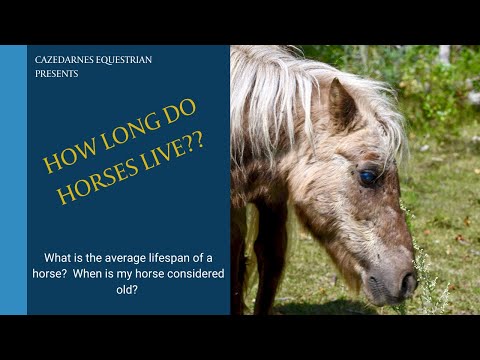
Wild horses generally live 15-20 years, though estimates vary by population and region – shorter on average than well-managed domestic horses. The gap reflects the difference between living with consistent food, water, veterinary care, and shelter versus surviving on what the landscape provides. Wild horses face herd competition for resources, predator pressure, and no access to treatment when injured or ill. Dental issues that a domestic horse manages with regular floating can become life-limiting for a wild horse without intervention.
That said, wild horses avoid some of the management-related issues that shorten domestic horse lives: overfeeding, metabolic disease from high-sugar diets, and the physical demands of performance competition don’t apply. The comparison isn’t entirely in domestication’s favor – it depends heavily on the quality of care a domestic horse receives.
How to Help Your Horse Live Longer
Genetics are fixed, but management is the biggest part of longevity an owner can actually influence. The horses I’ve seen age best share a few consistent characteristics: they were fed well from the start, their teeth were maintained regularly, they stayed active without being overworked, and their owners caught problems early rather than waiting to see if things resolved on their own.
Management practices that support a longer, healthier life:
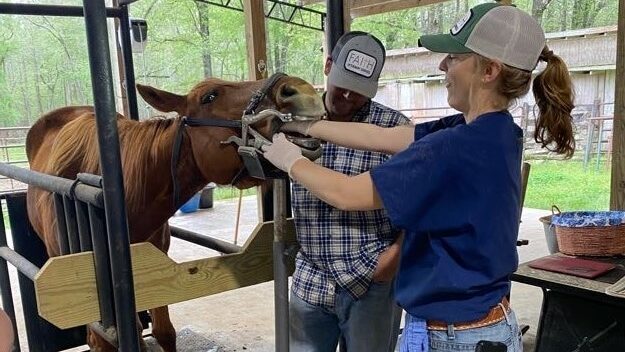
- Regular dental care – dental exams help identify sharp points, painful teeth, chewing difficulty, and weight-loss issues before they become harder to manage. Older horses may need more frequent attention based on their individual dental condition.
- Quality forage as the diet foundation – grass or hay should make up most of the diet for many horses. As teeth wear, some seniors need softer forage, soaked feeds, or a ration worked out with a veterinarian or equine nutritionist.
- Routine veterinary wellness exams – regular exams help identify dental trouble, metabolic changes, lameness, and age-related disease earlier.
- Consistent movement – appropriate turnout and exercise help older horses maintain muscle, mobility, and overall condition. Adjust the workload to the horse in front of you.
- Parasite control based on testing, not the calendar – fecal egg counts help identify which horses actually need treatment and how often, rather than deworming everyone on a fixed schedule.
- Regular hoof care – keeping feet balanced and addressing changes early can prevent small hoof problems from becoming long-term soundness issues.
The American Association of Equine Practitioners’ current parasite control guidelines specifically recommend against fixed-interval, calendar-based deworming and against blindly rotating dewormer classes – testing-based, targeted treatment is now the standard recommendation.
For a detailed guide to equine nutrition across life stages, see our horse nutrition guide. For Thoroughbred-specific retirement and lifespan considerations, see how long do racehorses live.
Signs of Aging in Horses
Horses don’t age uniformly. Some 20-year-olds move like horses a decade younger; some 15-year-olds show significant wear from a hard career or poor management. The physical changes to watch for as a horse enters its senior years tend to cluster around the same systems.
| System | What changes | What to do |
|---|---|---|
| Coat and topline | Coat loses luster; topline muscle mass decreases; spine becomes more prominent | Increased protein in diet; body condition scoring every 30 days |
| Teeth | Enamel wears; cups disappear; teeth may loosen or fall out in very old horses | Dental exams every 6 months; soaked feeds or hay cubes if chewing becomes difficult |
| Movement | Stiffness after rest; shorter stride; slower warm-up; reluctance to go downhill | Longer warm-up periods; joint supplements if vet recommends; adjust workload |
| Metabolism | Weight loss despite eating; Cushing’s disease (PPID); insulin resistance | Discuss PPID and insulin-dysregulation testing with your veterinarian when an older horse develops coat changes, muscle loss, unexplained weight change, recurrent laminitis, or other concerning signs |
| Immune system | More susceptible to respiratory illness; slower recovery from illness or injury | Keep vaccinations current; minimize stressors; monitor more closely in winter |
FAQs: How Long Do Horses Live?
What is the average lifespan of a horse?
The average horse lives 25-30 years, though this varies significantly by breed, care quality, and individual genetics. Arabians and some pony breeds commonly exceed 30 years. Draft breeds and Friesians tend toward shorter lifespans. With good management, many horses remain active and healthy well into their mid-20s.
Which horse breed lives the longest?
Arabians are often recognized as a long-lived breed, with many individuals remaining healthy into their late 20s and 30s. Small breeds like Shetland Ponies and Miniature Horses also tend toward longer lifespans. Quarter Horses are often considered a hardy breed, and many remain active well into their 20s.
Which horse breed has the shortest lifespan?
Some sources report shorter lifespans for Friesians than for many other riding breeds, partly because the breed has recognized inherited health concerns. However, reported lifespan figures vary, so I would not treat one number as a guarantee for an individual horse. A Friesian’s pedigree, health history, veterinary care, and day-to-day management all matter.
How long do wild horses live?
Wild horses typically live 15-20 years – shorter than well-managed domestic horses. They lack access to veterinary care, regular nutrition, and dental treatment, and face predator pressure. However, they also avoid some issues common in domestic horses such as overfeeding, metabolic disease from high-sugar diets, and the physical demands of performance work.
How long do Thoroughbreds live?
Thoroughbreds often live into their mid-to-late 20s, and some reach 30 or beyond. A racing career can affect long-term soundness, but racing does not automatically shorten a horse’s life. Retirement care matters: horses generally do best when they transition from intense work to appropriate turnout, nutrition, hoof care, and a sensible workload.
At what age is a horse considered old?
Most horses are considered senior at around 15-20 years old, though this varies by breed, workload, and individual health. A 20-year-old Arabian in good condition may be more capable than a 15-year-old draft horse with joint issues. The better measure is body condition, movement quality, and metabolic health rather than age alone.
How long do Icelandic horses live?
Reported ranges vary, but 25-30 years is commonly cited, similar to other hardy breeds. Individual Icelandic Horses reaching their late 30s isn’t unheard of, but I’d treat that as an individual outlier rather than assume it as typical – the breed’s reputation for hardiness doesn’t replace good dental care, weight management, and regular hoof work.

Genetics Set the Ceiling, You Set the Rest
I’ve watched genetics get blamed for outcomes that were really about management, and I’ve watched a horse with an unremarkable pedigree outlast every prediction because someone stayed on top of his feet, his teeth, and his weight for thirty years straight. Know the general range for your horse’s breed, then spend your actual effort on the parts you control.
About Miles Henry
Racehorse Owner & Author | 30+ Years in Thoroughbred Racing
Miles Henry (legal name: William Bradley) is a professional horseman based in Folsom, Louisiana. He holds Louisiana Racing License #67012 and has spent over three decades managing Thoroughbreds at premier tracks including Fair Grounds, Delta Downs, and Evangeline Downs.
Expertise & Hands-On Experience: Beyond the track, Miles has decades of experience in specialized equine care, covering everything from hoof health and nutrition to training protocols for Quarter Horses, Friesians, and Paints. Every guide on Horse Racing Sense is rooted in this “boots-on-the-ground” perspective.
30 of their last 90 starts
Equibase Profile.

Connect with Miles: