
Last updated: October 1, 2026
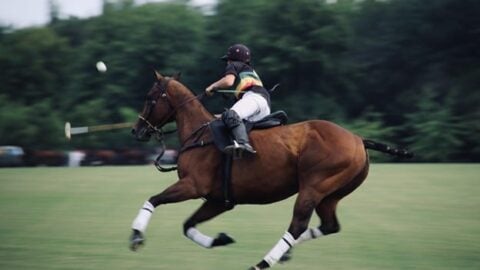
Watch a polo match for a few minutes and you’ll see riders leave the field, swap horses, and head right back into the action. It raises an obvious question: how many players are on a polo team, and why do they need so many horses?
Quick answer: An outdoor polo team has four players, and an arena polo team has three. Each player rides several horses during a game, because polo is played in short, hard periods called chukkers and the horses need rest.
A club player may use two to four horses in a game, while high-goal players often use six to eight or more so they can ride a fresh horse through most of the match.
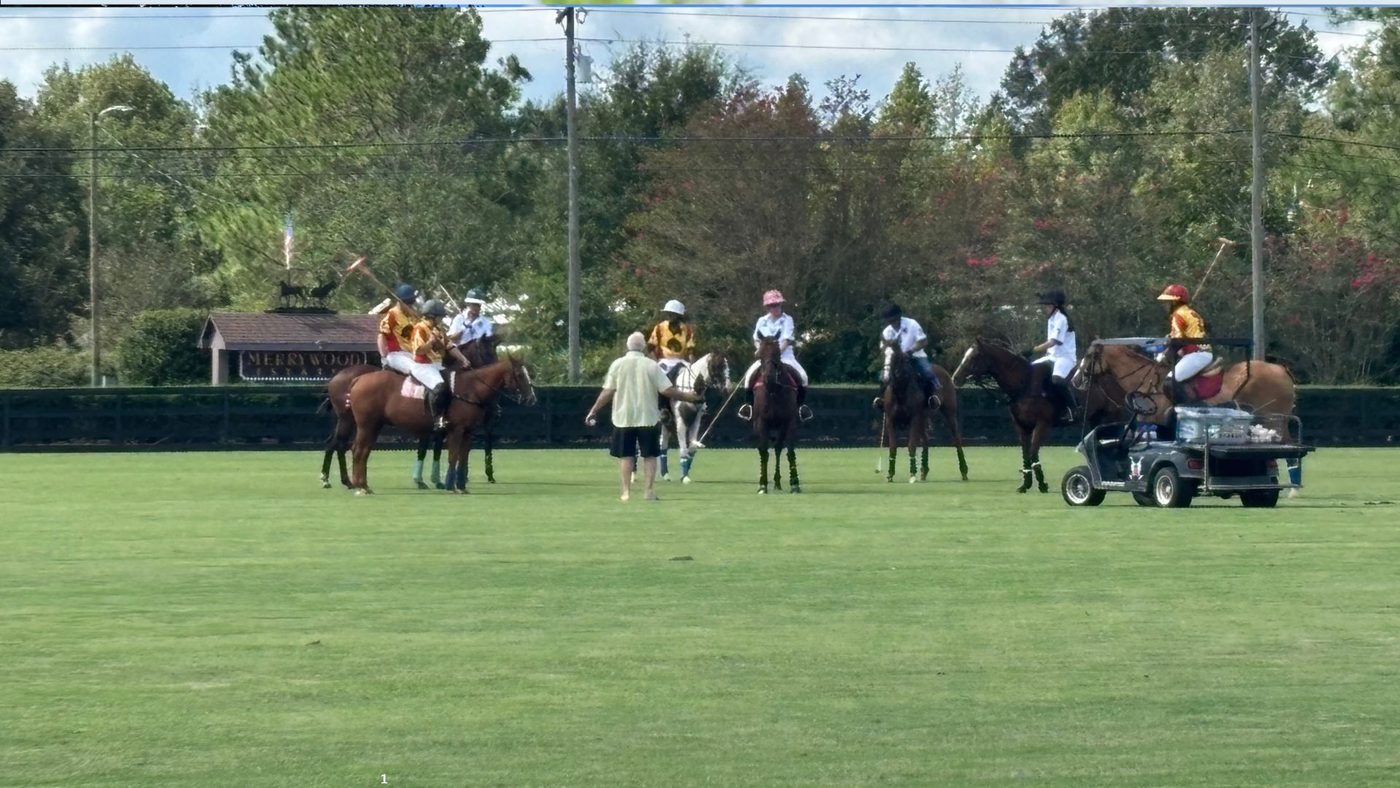
I’ve watched polo at Summerfield Farm in Folsom, Louisiana, home of the New Orleans Polo Club, and seeing the horses up close gave me a better appreciation for what goes into keeping a string ready to compete. Here’s how polo teams are set up, why players need so many horses, who supplies them, and what makes a horse suitable for the game.
Table of Contents
How Many Players Are on a Polo Team?
According to the United States Polo Association, a team has four mounted players in outdoor polo and three in arena, or indoor, polo. Teams can mix men and women, amateurs and professionals. Each outdoor player wears a number from 1 to 4 that identifies their position and role on the field:
| Position | Main job |
|---|---|
| No. 1 | The most offensive player, working to score and marking the other team’s No. 4 |
| No. 2 | An aggressive attacker who helps move the ball forward and pressures the defense |
| No. 3 | The playmaker or field general, linking defense and attack and often directing the team’s play |
| No. 4 | The main defender, protecting the team’s goal |
A game is divided into periods called chukkers. According to the USPA’s spectator guide, each chukker lasts about seven and a half minutes, and a match generally runs one to two hours. Outdoor games are commonly six chukkers, arena games four, though club and tournament formats vary. For more on the rules, see my guide to how polo is played.
How Many Horses Does a Polo Player Use?
A polo horse covers a lot of ground in a chukker, much of it at speed with repeated stops, turns, and bursts of acceleration. The Museum of Polo and Hall of Fame puts it at the equivalent of one to two miles. Players usually change horses between chukkers, and they can switch during play too, though the game doesn’t stop for it.
How many horses a player brings depends mostly on the level of play, but these are general ranges, not rules. Handicap level, tournament format, the number of chukkers, and how many good horses a player has all change the answer.
| Type of play | Common number of horses per player | What affects the number |
|---|---|---|
| Practice and informal club chukkers | Often 1 to 2 | Slower play may let a horse come back after a good rest |
| Club and low-goal games | Often 2 to 4 | Players may play a sound, fit horse twice, depending on the number of chukkers and the pace |
| High-goal tournaments | Often 6 to 8 or more | Players want a fresh horse each chukker plus a spare, though an exceptional horse may still play twice |
Arena polo works a little differently. With three players per side and shorter games, some clubs use shared or split strings, rotating horses between chukkers so each horse gets a break. The exact arrangement depends on the club, the horses available, and the level of play.
Horseman’s Take: The first thing that stood out to me at a live match was how quickly a polo horse has to stop, turn, accelerate, and settle again around other horses. Changing mounts isn’t only about keeping the game fast. It gives each horse time to recover before being asked to do that work again.
Who Supplies the Horses?
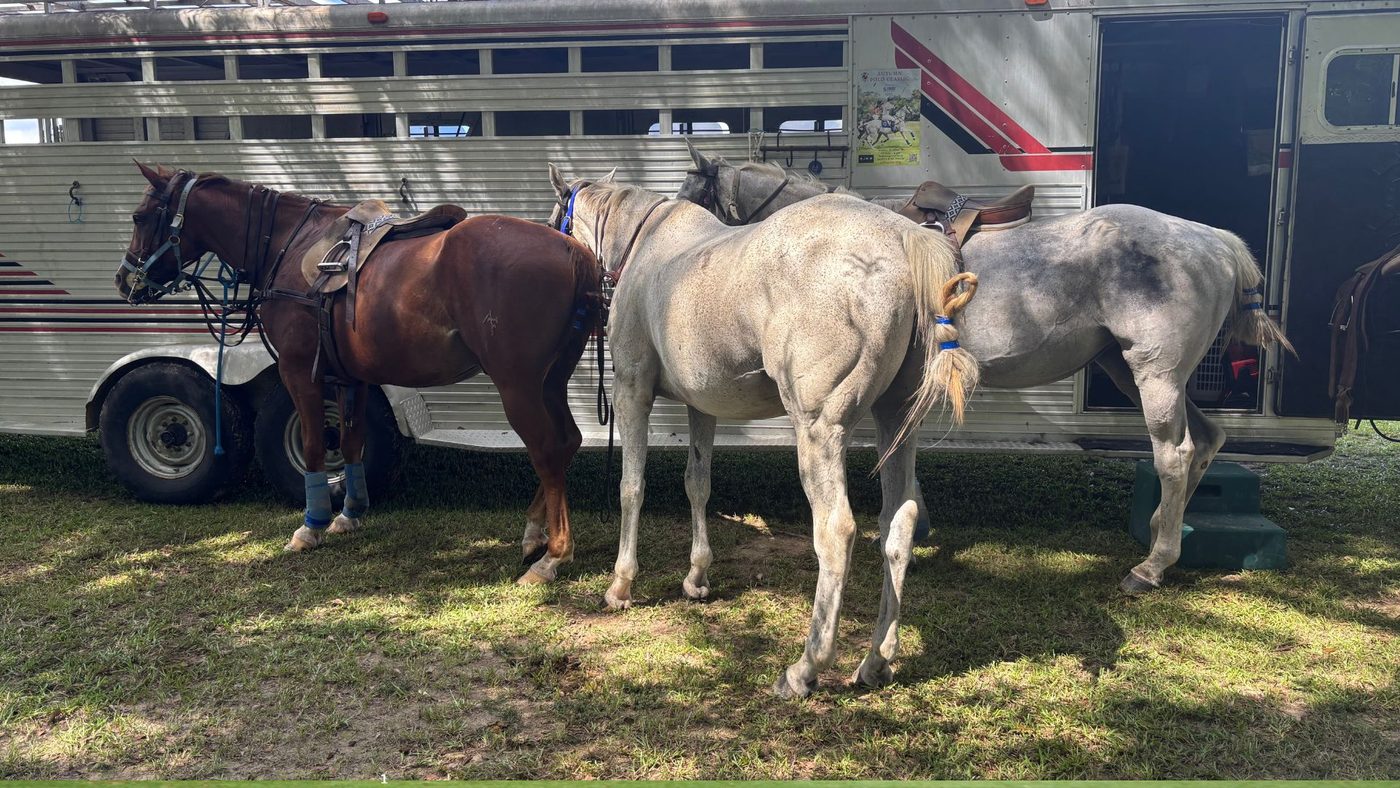
A player’s group of horses is called a string, and keeping one is a big part of what makes polo expensive. During a game, grooms hold the spare horses on the pony line behind the end line, so players can swap mounts quickly.
Not every player owns all the horses they ride. Many clubs offer lesson horses, rentals, or club strings for beginners and lower-level players, although the setup varies by club. At the highest levels, team patrons often provide the horses and organize the string the players ride. A friend’s son was a bull rider and roper before he moved to polo. He now plays professionally, and the teams that hire him provide the horses he rides. My article on whether polo is expensive goes into the costs.
What Makes a Good Polo Pony?
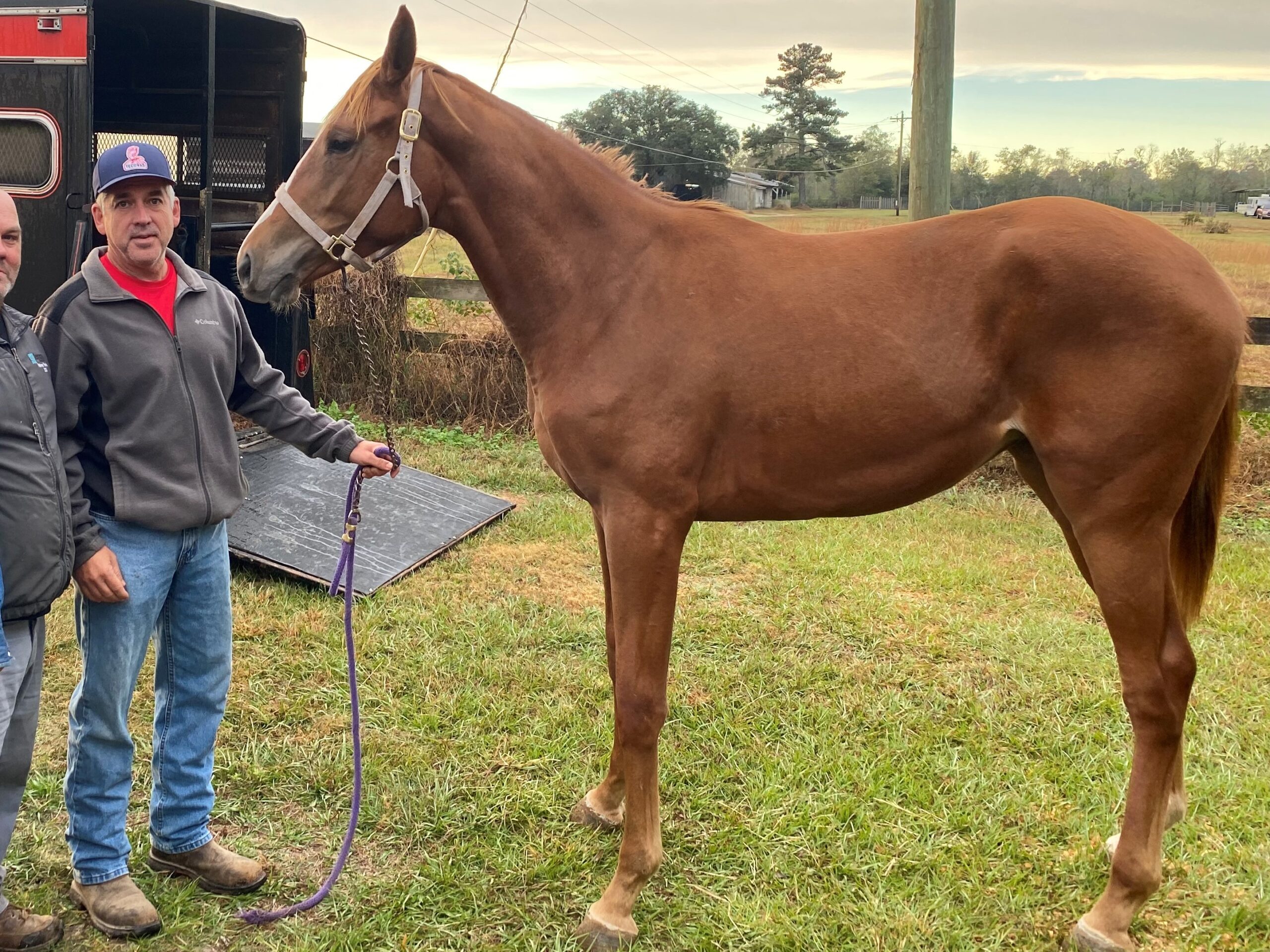
Despite the name, polo ponies are full-size horses. Many are Thoroughbreds or Thoroughbred crosses, valued for speed, stamina, athleticism, and quick reactions. A good polo horse has to stop and turn sharply, travel willingly in close company, tolerate contact from other horses, and stay focused while the ball and mallets move around it. Because the rider holds the mallet in the right hand, the horse also has to respond promptly to one-handed rein and leg cues. Training takes time, and many horses improve once they’ve gained real game experience. See my guide to polo pony breeds for more.
Polo Teams and Horses FAQ
How many players are on a polo team?
Four in outdoor polo and three in arena polo, according to the United States Polo Association. Each outdoor player wears a number from 1 to 4 that matches their position.
How many horses does a polo player use in a game?
It depends on the level. A club or low-goal player might use two to four horses, while a high-goal player may use six to eight or more, changing horses between chukkers so each one stays fresh.
How many horses does a polo team need?
It depends on the level. A high-goal team can need 20 or more horses for a match, since each of its four players may ride six to eight. Bigger numbers you may hear usually describe a team’s whole string, not what one player rides in a game. Lower-level teams need far fewer, and players often reuse rested horses.
How long is a chukker in polo?
About seven and a half minutes, according to the USPA. Outdoor games are commonly six chukkers and arena games four, though formats vary.
Do you need your own horse to play polo?
No. Many polo clubs rent horses to beginners and lower-level players. Owning a string of horses usually comes later, if you move up to more competitive polo.
Four players on the field, three in the arena, and a string of horses waiting on the sideline. The number of horses depends on the level and the format, but players rotate mounts because even one chukker asks a lot of a horse. That care for the horses is a big part of what keeps polo moving.
About Miles Henry
Racehorse Owner & Author | 30+ Years in Thoroughbred Racing
Miles Henry (legal name: William Bradley) is a professional horseman based in Folsom, Louisiana. He holds Louisiana Racing License #67012 and has spent over three decades managing Thoroughbreds at premier tracks including Fair Grounds, Delta Downs, and Evangeline Downs.
Expertise & Hands-On Experience: Beyond the track, Miles has decades of experience in specialized equine care, covering everything from hoof health and nutrition to training protocols for Quarter Horses, Friesians, and Paints. Every guide on Horse Racing Sense is rooted in this “boots-on-the-ground” perspective.
30 of their last 90 starts
Equibase Profile.

Connect with Miles: