

Last updated: May 28, 2026
Choosing how frequently to race a horse is one of the most important calls a trainer and owner make — and one of the easiest things for bettors to misread. Run them too tight and you start stacking fatigue, inviting injury, and dulling that edge that only real race pressure builds. Give them too much time and they lose timing, fitness, and the kind of race sharpness you can’t fully replace in the morning works. After 30 years of owning Thoroughbreds in Louisiana, I’ve seen both ends shorten careers that should’ve lasted longer.
How often do racehorses race? Most Thoroughbreds run every three to six weeks, usually landing around six to eight starts a year. Some will come back quicker or stretch out longer depending on how they handle a race, where they fit in the condition book, and what kind of campaign the trainer is building. Modern horses run less often than they used to — closer to seven starts a year now versus roughly double that in the 1960s.
Table of Contents
Typical Racing Frequency and What Determines It
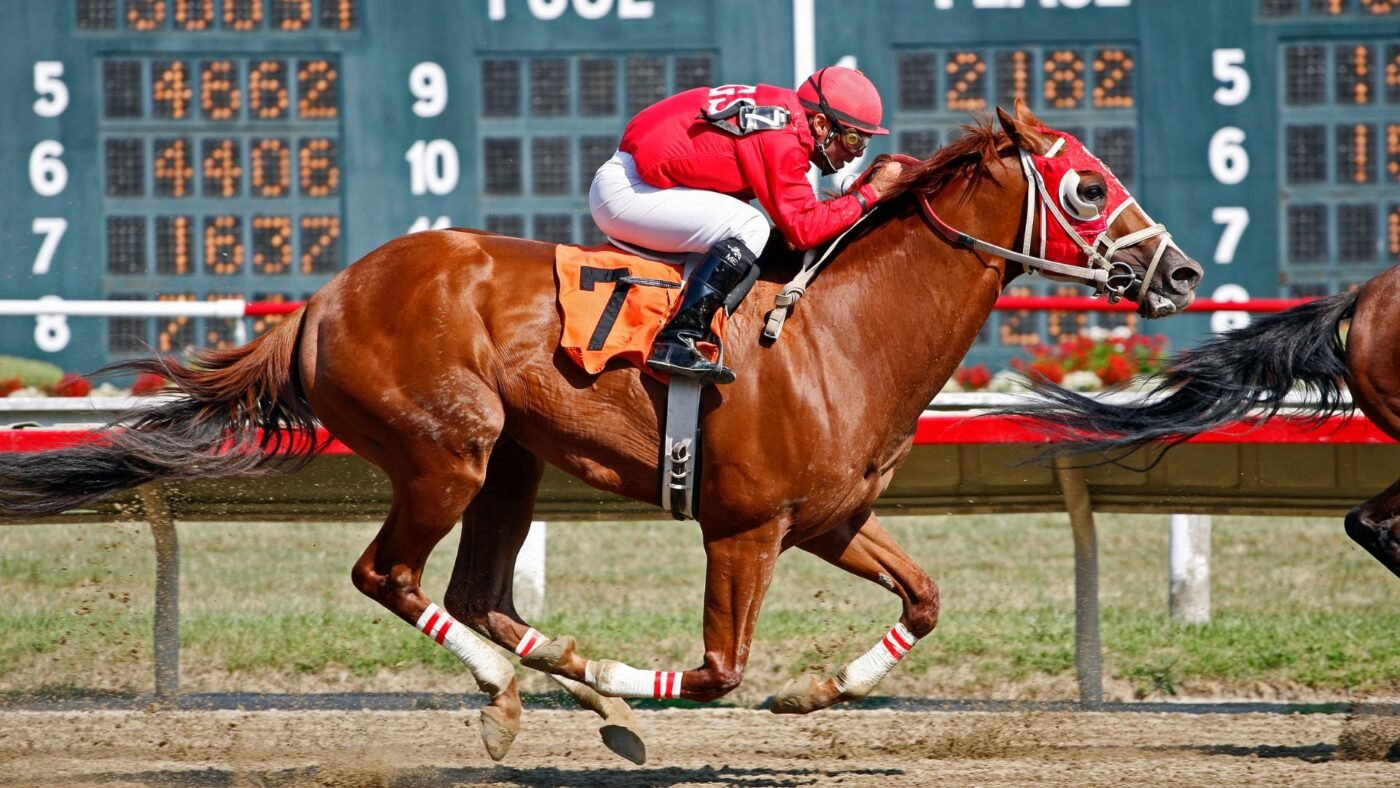
The three-to-six-week range covers most active Thoroughbred campaigns, but the right number within that range is determined by several variables that interact differently for every horse. A trainer’s judgment on race timing is one of the clearest signals of how well they understand an individual horse.
| Category | Typical Interval Between Races | Starts Per Year | Key Driver |
|---|---|---|---|
| Thoroughbred — active campaign | 3–6 weeks | 6–10 | Recovery time, condition book availability, class placement |
| Thoroughbred — stakes / graded | 4–8 weeks | 4–7 | Campaign planning, major target races, travel and recovery |
| Quarter Horse | 2–4 weeks | 10–15 | Faster recovery from sprint efforts; shorter race duration |
| Standardbred (harness) | 1–2 weeks | 25–40+ | Lower concussion from controlled gaits; longer racing seasons |
| Minimum (most jurisdictions) | 6 days | — | Regulatory floor; rarely used except for exceptionally robust horses |
Health and Recovery — The Primary Constraint
The physical demand of a race is substantially greater than any workout. Heart rate peaks, joints absorb high-impact forces on firm or hard surfaces, and muscles produce effort at intensities that cannot be safely replicated in training. A horse needs time to recover from that stress before the next start — and the recovery window is not just about soreness. Tendons and ligaments respond to race-pace loading over a period of days, and bone micro-adaptation continues for weeks after a hard effort. Racing before that adaptation is complete compounds the load from each previous start.
Trainers read recovery through behavioral and physical signs: how a horse comes out of the stall the morning after a race, whether there is heat in the legs, how appetite and energy look over the following week. A horse that eats up, comes back clean-legged, and is alert and forward-going within three or four days is telling you it recovered well. One that is dull, off its feed, or showing any leg heat is telling you it needs more time regardless of where the condition book puts the next suitable race.
Condition Book Availability
The condition book at each track determines what races are written and when. A horse that is ready to run might wait three weeks for the right race to appear — the right class level, the right distance, the right surface. Race timing is never purely about the horse’s physical readiness; it is always the intersection of readiness and opportunity. At regional tracks with smaller fields and fewer race days, the wait for a suitable spot can stretch a horse’s schedule whether the trainer wants it to or not.
How Frequency Changes with Age and Class Level
Young horses — two-year-olds in their first season — typically start infrequently as they adjust to race conditions. The first few starts are as much about education as competition: learning the gate, handling a crowd, responding to a jockey under race pressure. Three to four starts in a two-year-old year is common for horses being developed carefully, while horses rushed toward juvenile stakes may run more often over a shorter window.
Three-to-five-year-olds in their peak racing years can generally sustain six to ten starts per year with good management. This is the window when campaigns are most aggressive, when stakes targets drive scheduling, and when physical maturity allows the highest sustained workload. After five or six, most horses need more recovery time between starts — not necessarily because they are less capable, but because minor accumulated wear takes longer to resolve. Older horses often race seven or eight times per year rather than ten, with longer gaps between starts and more attention paid to post-race recovery before the next preparation begins.
At the class level dimension: claiming horses at regional tracks often have more starts per year than graded stakes horses, not because they are pushed harder, but because their campaigns are less elaborate. There are fewer specific target races, travel is minimal, and the economic pressure to generate purse income means connections are motivated to run when the horse is ready rather than holding for a particular spot.
The Trend — Why Horses Race Less Often Than They Used To
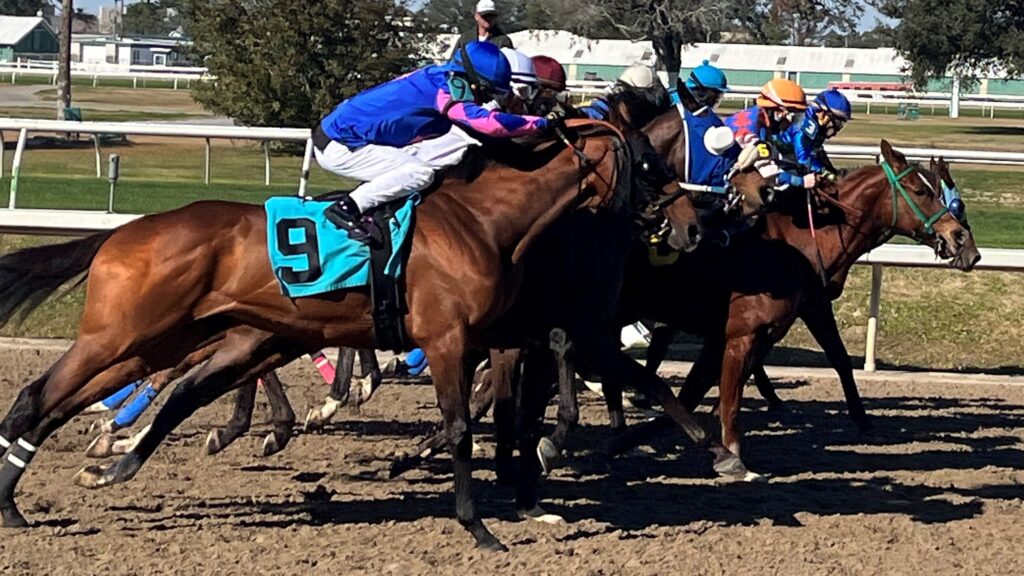
In the 1960s, the average Thoroughbred in the United States competed close to 12 times per year. Today that figure is roughly seven, per Jockey Club data. The decline reflects genuine changes in how the industry thinks about horse welfare and career management — not simply a loss of hardiness in the breed.
Several forces drove the shift. Veterinary understanding of cumulative skeletal loading improved significantly over the decades, making it clearer that repeated high-intensity efforts within short windows accumulate damage rather than simply fatigue. The growth of year-round racing at major circuits, replacing the older seasonal model, also changed campaign logic — connections no longer had to pack starts into a limited season, which reduced the pressure to race on tight turnarounds. And the increasing economic value of breeding prospects meant that successful horses were retired earlier, shifting toward fewer, higher-quality starts rather than volume.
Why the decline in starts matters for bettors: Fewer starts per year means horses are running fresher on average — which has made layoff performance harder to dismiss. A horse that ran six weeks ago with a sharp workout pattern since is not an automatic negative in modern handicapping the way it would have been when horses ran every three weeks as standard. The context of the individual horse’s campaign structure matters more than the raw number of days since the last race.
The Triple Crown — Racing’s Most Demanding Schedule
The Triple Crown represents the most compressed high-stakes racing schedule in the sport. The Kentucky Derby runs the first Saturday in May. The Preakness follows two weeks later. The Belmont Stakes comes three weeks after the Preakness. Three Grade 1 races over five weeks, including a 1.5-mile Belmont at the end — the longest classic distance in American racing.
No modern horse is being trained to peak for three races in five weeks. The Triple Crown series is built around horses peaking for the Derby and surviving the Preakness and Belmont on fitness and talent. That compression is why completing the Triple Crown remains rare — Justify in 2018 was only the thirteenth horse to do it — and why watching how horses physically handle the Preakness and Belmont is one of the clearest tests of a trainer’s management quality.
For comparison, most Grade 1 stakes campaigns outside the Triple Crown involve six-to-eight-week gaps between major efforts. The Derby prep race calendar is structured to deliver horses to Churchill Downs with two to three weeks between their final prep and the race itself. The five-week Derby-to-Belmont window violates every principle of optimal preparation — it works only because the horses attempting it are genuinely exceptional athletes.
What Racing Frequency Means for Bettors
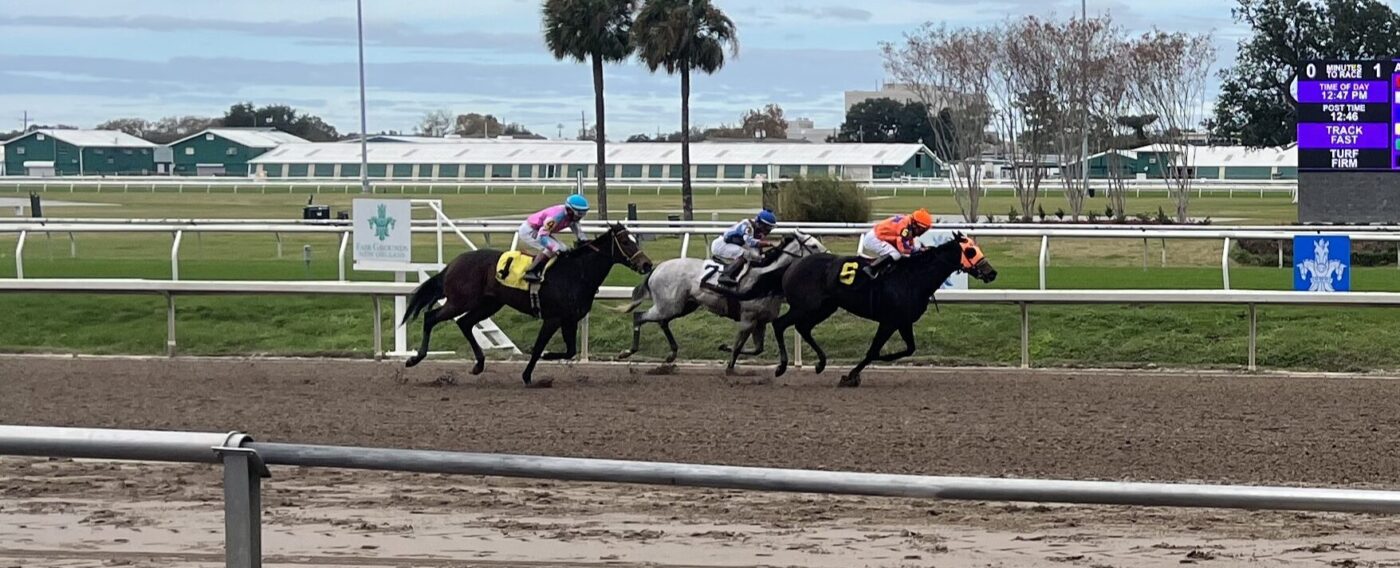
Race frequency is one of the most underused angles in handicapping. The public tends to evaluate layoffs negatively and short-rest returns positively — but neither is automatically meaningful without context. What actually matters is whether the horse’s current form and preparation match its typical pattern.
Layoff Horses
A horse returning from 60 or more days off needs to be evaluated on its trainer’s layoff record, its workout pattern since the last race, and whether the layoff was planned or forced. A horse rested for a planned seasonal break with consistent sharp works is different from one that disappeared from the worktab for six weeks without explanation. Trainer statistics for first-off-layoff performance are available free on Equibase and are among the most reliable pattern statistics in handicapping.
Short-Turnaround Horses
A horse returning on a shorter-than-usual interval deserves scrutiny. If a horse that normally runs every five weeks is entered three weeks after its last start, the question is why. Three explanations: the trainer found a perfect spot that appeared unexpectedly, the horse came back exceptionally well, or the horse needs the race to sharpen up because workouts alone have not been enough. The first two are positives; the third is neutral to slightly negative depending on how sharp the horse looked in its last few efforts.
Over-Raced Horses
A horse with seven or more starts in the past five months is worth evaluating for cumulative fatigue. This does not automatically make it a throw-out — some horses handle high frequency well — but behavioral changes in the paddock (washing out, excessive tension, loss of muscle condition in the hind end) can signal that a horse is running on fumes. The form lines often reveal a horse that has been running consistently at the same level but whose margins have tightened and whose finishing kicks have flattened. That pattern is over-racing showing up in the results before it shows up as a visible problem.
Layoff angles worth tracking at your home track:
- First race off layoff (30–60 days): Check the trainer’s layoff win rate on Equibase — some trainers routinely win first off the bench; others need a race to sharpen horses
- Second race off layoff: Often the best performance for a horse that ran dull in its return — the first race sharpened the fitness that workouts could not fully replicate
- Short turnaround after dominant win: Some trainers follow a big win with a quick return while the horse is sharp — look for whether this trainer has a pattern of quick-turnaround wins
- 7+ starts in 5 months: Check for form lines that show tightening margins; paddock behavior for tension or muscle loss; any recent equipment changes that suggest the connections know something is off
How I Manage Race Frequency with My Own Horses
My standard approach is to watch each horse carefully in the days following a race before making any decisions about the next entry. The morning after a race, I want to see the horse eating well, moving comfortably, and showing its normal energy level. By day three or four, I am running my hands down every leg looking for heat or filling. If everything is clean and the horse is forward-going, I start thinking about a return in three to five weeks. If anything is off — even something subtle — the timeline extends.
Miles’s Take — What Astrologysprotege taught me about frequency: He made 45 starts over five seasons — roughly eight per year — which is on the higher end of what I would call sustainable for a sound horse at the claiming and allowance level. He could handle that because he was honest about telling us when he needed time. He would come back from a race a little dull, eat less aggressively for a couple of days, and then flip a switch around day four or five. Once he flipped, we could start thinking about the next entry. When he did not flip on that schedule — when he stayed a little flat into day seven — we gave him more time regardless of what was available in the condition book.
The horses I have learned the most from were the ones that communicated clearly. Astrologysprotege was one of those. He told us when he was ready and when he was not, and we learned to listen. The horses that got into trouble in my barn were the ones I did not listen to quickly enough.
My experience with Quarter Horses has been that they genuinely do bounce back faster than Thoroughbreds — shorter race duration, different metabolic demand, and breed characteristics that support quicker recovery. A Quarter Horse that ran a clean race can often be back on the track in two to three weeks without any concern, while I would be cautious about the same turnaround with a Thoroughbred that had a hard trip or a demanding pace scenario.

FAQs About How Often Racehorses Race
How often do racehorses race?
Most Thoroughbreds compete every three to six weeks during an active campaign, averaging six to eight starts per year. The minimum allowed interval at most tracks is six days, though trainers rarely run horses that close together. Quarter Horses can typically run on shorter turnarounds — two to four weeks — because sprint efforts create less systemic fatigue than route races. Standardbreds run far more frequently, sometimes weekly, because harness racing’s controlled gaits create less concussion.
What is the minimum time between races for a horse?
Most racing jurisdictions require a minimum of six days between starts. Some states impose longer minimums for two-year-olds or horses that have recently had specific medical treatments. The regulatory floor is rarely the practical floor — most trainers use a three-to-four-week minimum as their working standard unless a horse shows exceptional recovery or a specific campaign target requires a tighter schedule.
How does a horse’s age affect how often it races?
Two-year-olds in their first season typically run three to five times as they adjust to race conditions — learning the gate, handling crowds, and responding to jockey cues under pressure. Horses aged three to five in their peak years can sustain six to ten starts per year with good management. Older horses generally need more recovery time between starts and often race seven or eight times per year, with longer preparation gaps as minor accumulated wear takes longer to resolve.
Why do horses race less often than they used to?
In the 1960s, Thoroughbreds averaged close to 12 starts per year in the United States. Today the figure is roughly seven, per Jockey Club data. The shift reflects improved veterinary understanding of cumulative skeletal loading, the move to year-round racing that eliminated the pressure to pack starts into a limited season, and increasing economic value of successful horses as breeding prospects — encouraging fewer, higher-quality starts over high-volume campaigns.
How does racing frequency affect a horse’s career length?
Racing too frequently increases injury risk and accelerates cumulative wear. Racing too infrequently reduces competitive sharpness and keeps a horse from building the fitness that only race-pace effort can produce. Most horses sustain longer careers on moderate schedules — six to eight starts per year — than on either aggressive high-frequency campaigns or extended layoffs between rare appearances. The horses with the longest careers tend to be those whose connections learned their individual recovery patterns and planned around them.
What should bettors look for when evaluating a horse’s race frequency?
The key question is whether the horse’s current preparation matches its typical pattern. A horse returning from an unusually long layoff needs a trainer with a strong layoff record and a clear workout progression since the last race. A horse running on a tighter-than-usual turnaround deserves scrutiny about why. A horse with seven or more starts in five months is worth checking for form lines that show tightening margins or paddock behavior changes that signal fatigue. Trainer statistics for first-off-layoff and short-turnaround performance are available free on Equibase and are among the most reliable pattern statistics available.
How does the Triple Crown schedule compare to a normal racing schedule?
The Triple Crown compresses three Grade 1 races — Kentucky Derby, Preakness Stakes, and Belmont Stakes — into five weeks. That is far more demanding than a normal campaign, where top horses typically have six to eight weeks between major starts. Trainers do not try to peak a horse for all three races; they aim for the Derby and manage the Preakness and Belmont on fitness and talent. The rarity of Triple Crown completions reflects how difficult it is to sustain high performance on that schedule, regardless of how talented the horse is.
Key Takeaways: How Often Do Racehorses Race?
- Three to six weeks is the typical interval — most active Thoroughbreds run six to eight times per year, with a regulatory minimum of six days between starts that trainers rarely approach
- Racing frequency has declined significantly since the 1960s — from roughly 12 starts per year to about 7, reflecting better understanding of cumulative injury risk and a shift toward fewer, higher-quality starts
- Age and class level shape frequency as much as breed — young horses and stakes horses run less often per year than peak-age claiming horses, for different reasons
- Quarter Horses handle higher frequency than Thoroughbreds — shorter race duration and different metabolic demands support two-to-three-week turnarounds that would be aggressive for a Thoroughbred
- The Triple Crown is racing’s most demanding schedule — three Grade 1 races in five weeks; horses are managed for the Derby and carried through the Preakness and Belmont on fitness rather than peaked for each
- For bettors, frequency context matters more than raw days since last race — a trainer’s layoff record, workout pattern, and the horse’s individual recovery history are all more informative than the calendar gap alone
About Miles Henry
Racehorse Owner & Author | 30+ Years in Thoroughbred Racing
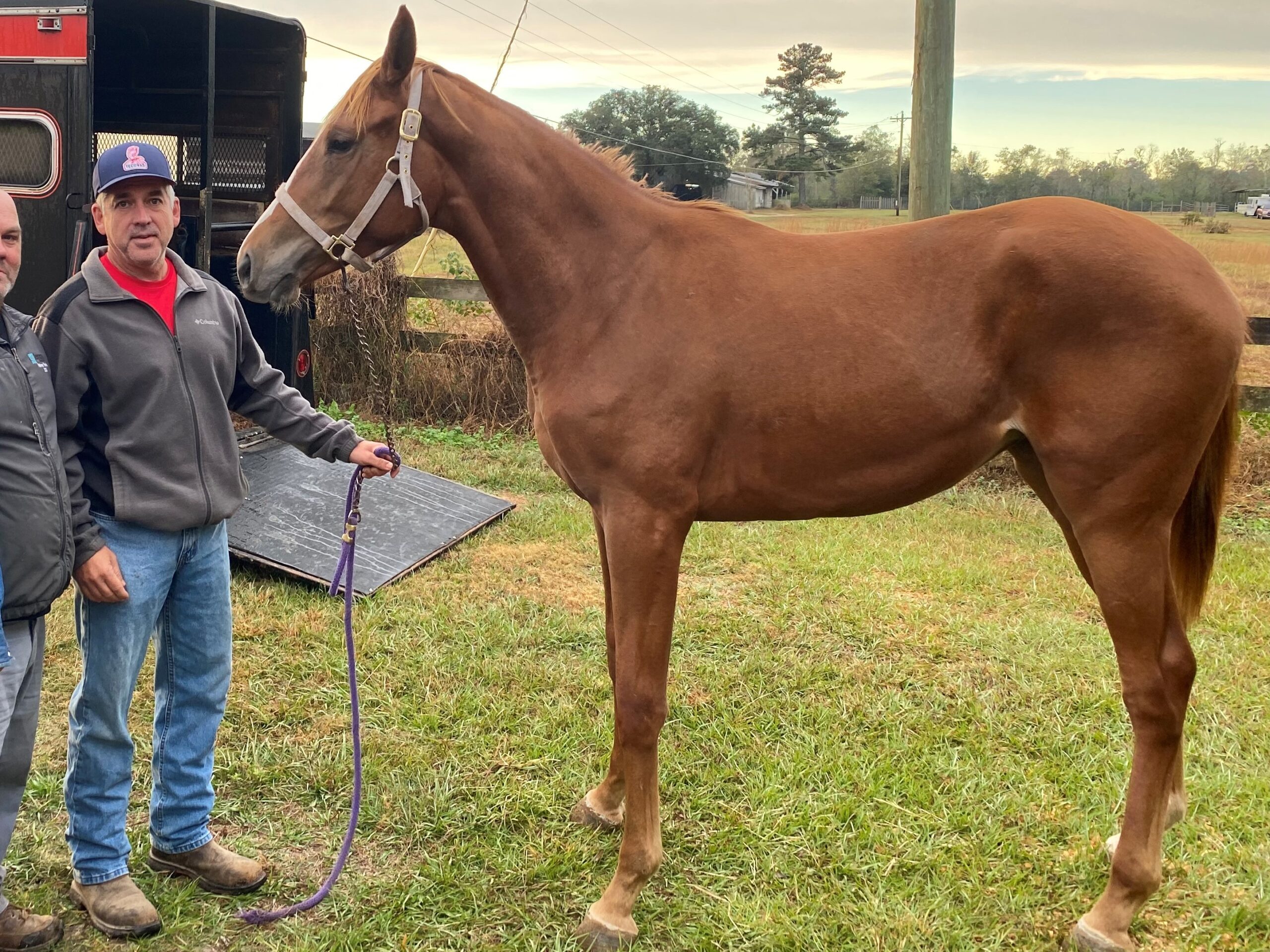
Miles Henry (legal name: William Bradley) is a professional horseman based in Folsom, Louisiana. He holds Louisiana Racing License #67012 and has spent over three decades managing Thoroughbreds at premier tracks including Fair Grounds, Delta Downs, and Evangeline Downs.
Expertise & Hands-On Experience: Beyond the track, Miles has decades of experience in specialized equine care, covering everything from hoof health and nutrition to training protocols for Quarter Horses, Friesians, and Paints. Every guide on Horse Racing Sense is rooted in this “boots-on-the-ground” perspective.
30 of their last 90 starts
Equibase Profile.

Connect with Miles: