Last updated: August 5, 2026
Any links on this page that lead to products on Amazon are affiliate links and I earn a commission if you make a purchase. Thanks in advance – I really appreciate it!
Walk into any barn during fly season and you’ll see a horse wearing what looks like a mesh mask over its face. New owners always ask the same question: why do horses wear these? The part that trips people up isn’t whether to buy one – it’s knowing which mask actually fits the problem you’re dealing with.
Quick Answer: Horses wear masks primarily to protect their eyes and face from flies, UV rays, dust, and injury. Some specialized calming masks are also used to help nervous horses settle during stressful situations like trailering. Different mask types are built for different jobs – a fly mask won’t protect against sunburn, and a medical mask does a job neither of them can.
Here’s how I break down the mask types I actually use and when each one earns its keep, and when you’re better off leaving it in the tack room.
Why Horses Wear Masks (And When It Actually Matters)
Equine recurrent uveitis – old-timers call it “moon blindness” – is the leading cause of blindness in horses, and UC Davis notes that prevalence can vary by breed and region (UC Davis Center for Equine Health). UV exposure can be one factor in eye trouble, which is why many owners reach for a protective mask on horses prone to eye issues.
One more thing worth clearing up: masks aren’t the same as blinkers. Blinkers and blinker hoods are performance gear that narrow a horse’s focus, while masks are built to protect the eyes and face from the elements. I cover blinkers separately in my full guide to why racehorses wear blinkers.
Miles’s TakeMasks aren’t fancy – they’re practical protection. The key is matching the mask to the problem and not expecting one mask to do every job.
Table of Contents
The 5 Mask Types That Actually Matter
Walk into any tack shop and you’ll find a wall of masks that all look about the same. They’re not. Here’s what each one is actually built for.
1. Fly Mask
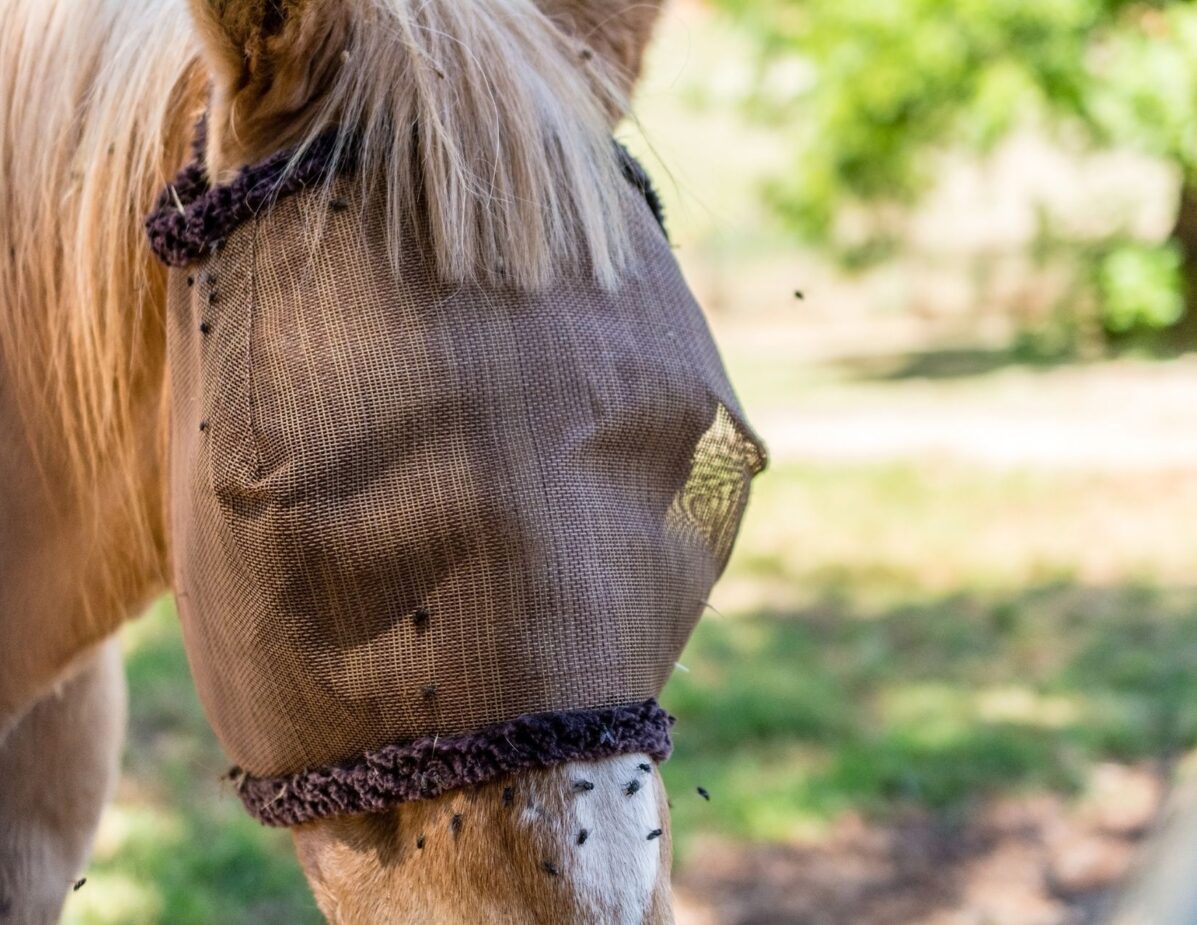
What it does: Mesh screen keeps flies, gnats, and mosquitoes off the eyes and ears. Pair it with a good fly control strategy for full-body coverage – the mask handles the face, spray and traps handle the rest.
From the barn: I had a gelding, Jimmy, who’d rub his face on any fence post he could find until it bled. One fly mask with ear coverage and the rubbing stopped completely.
Fit tip: You should be able to slide two fingers under the straps, and the mesh should sit away from the eyeball with no contact. If the mask touches the eye when your horse grazes or moves its head, it’s not fitted right – readjust or size up.
Skip this: The $9 bargain-bin specials. They tear before the flies even show up.
2. UV/Sun Mask
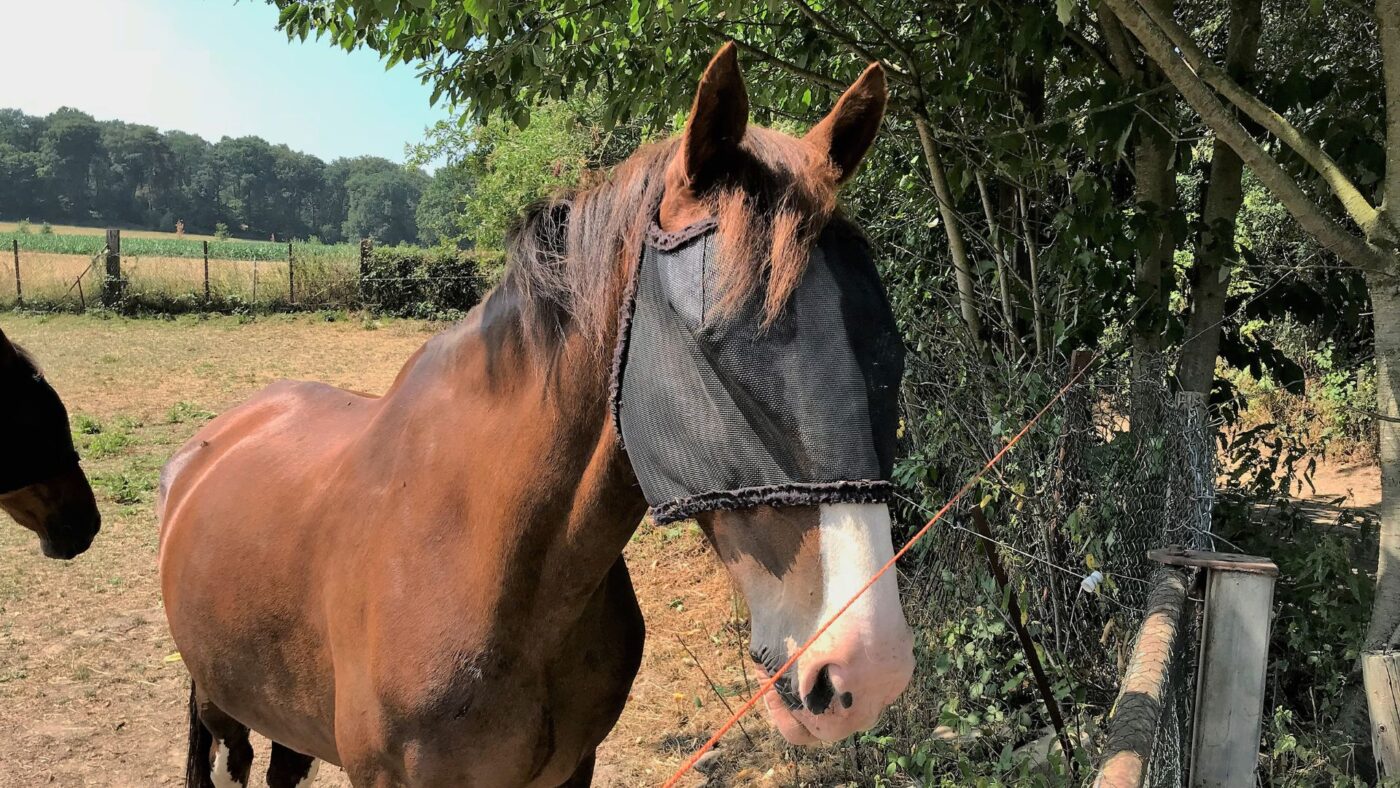
What it does: Blocks a significant portion of harmful UV radiation, depending on the mesh and coverage. Stops sunburn, squinting, and the long-term eye and skin damage that comes with sun exposure.
From the barn: A mare with a pink nose blistered after one afternoon of turnout. A UV mask solved it – no more pink-nose drama.
UV protection isn’t optional for some horses. UC Davis research found that horses with pink, unpigmented skin face a significantly higher risk of ocular squamous cell carcinoma – a common skin cancer – from sun exposure (UC Davis).
Buy this if: Your horse is a Paint, Appaloosa, or cremello – or lives anywhere south of I-10. Light-skinned horses need year-round UV protection, not just summer.
3. Dust Mask
What it does: Designed to help reduce exposure to airborne particles such as arena dust, pollen, and smoke, depending on the mask design, using a fine mesh built for breathability.
Who needs it: Horses prone to coughing or with a history of recurrent airway obstruction (heaves) benefit most, since it cuts down what they’re inhaling. If your horse coughs even without smoke or heavy dust in the air, check my guide on improving barn air quality – a dust mask helps, but you still need to fix the root cause.
Care tip: Hose it out weekly. Don’t let it mildew.
4. Calming Mask
What it does: Some calming masks use gentle, even pressure or specialty fabrics marketed to help horses relax without drugs. Response varies by horse.
From the barn: My horse Addie used to get anxious on long trailer rides. A calming mask helped her settle in and made the trip a lot less stressful for both of us.
Use it for: Trailering, vet visits, thunderstorms, or any situation where a horse tends to get worked up.
5. Medical Mask
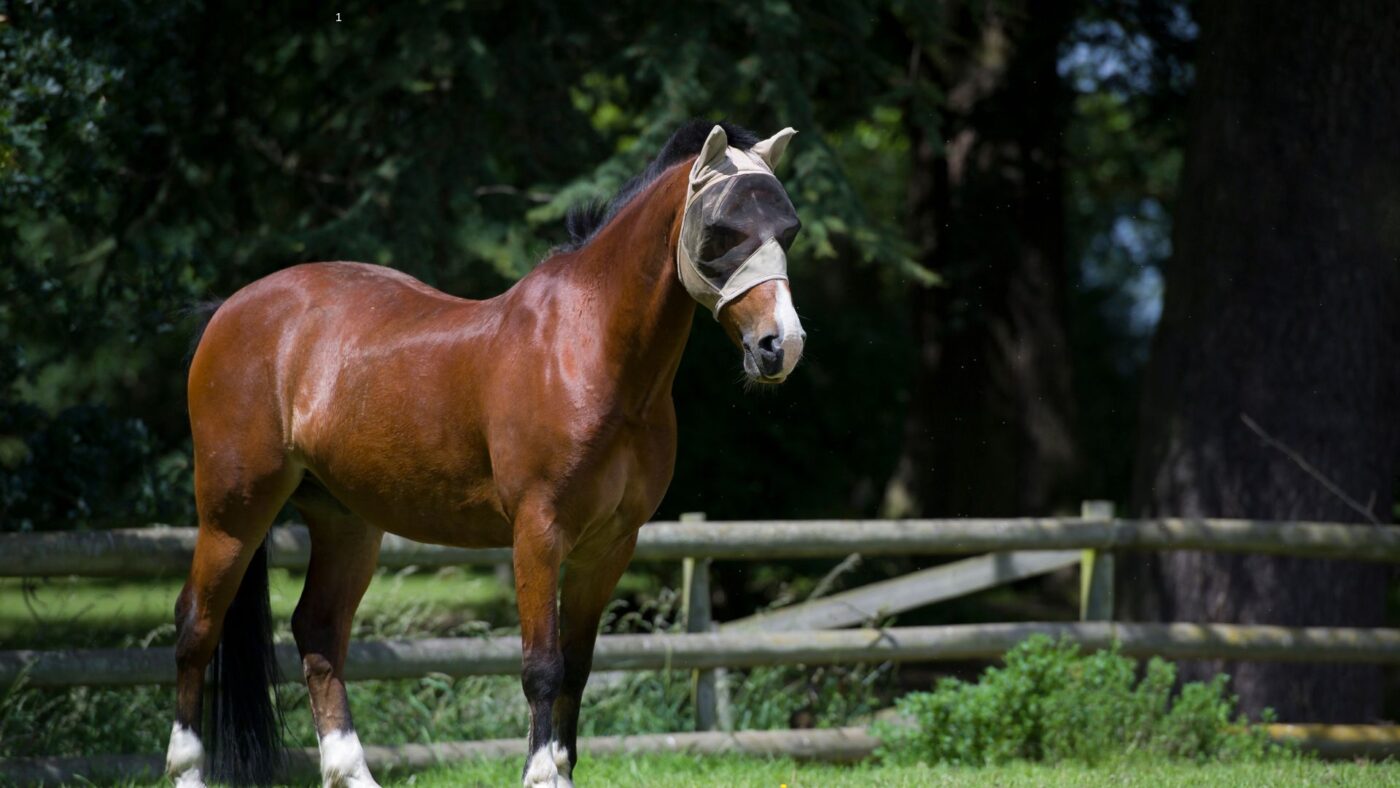
What it does: Rigid eye cups protect healing eyes after injury, surgery, or a uveitis flare-up, shielding them from debris and rubbing during recovery. Veterinary ophthalmologists recommend specialized recovery visors for post-operative care and chronic uveitis cases.
From the barn: I’ve had a horse go through a bad moon blindness flare-up. A protective recovery mask kept dirt and debris out during healing – the kind of setback that turns into a much longer recovery if the eye isn’t protected.
If your horse has recurring eye inflammation or vision issues, it’s worth reading up on how equine vision works and what commonly goes wrong, so you know what you’re watching for.
Don’t Make This MistakeNever use a fly mask for an eye injury. I learned this the hard way – a regular fly mask isn’t designed to protect a healing eye and may not provide the coverage or protection an injured eye needs. Medical masks have padded eye cups specifically designed for healing. Using the wrong mask on an injured eye can turn a simple problem into a serious vet bill.
Mask Comparison Chart
I’ve tried most of the brands that pass through the tack room. Here’s the quick-pick chart I give new owners at the barn – prices are what I pay at Dover and SmartPak, not MSRP.
| Mask Type | UV Block | Bug Proof | Dust Reduction | Avg. Price | Best For |
|---|---|---|---|---|---|
| Fly | Low | High | Low | $15-$30 | Pasture, bugs |
| UV/Sun | High | Low | Low | $20-$40 | Pink skin, sunny climates |
| Dust | Low | Moderate | Moderate | $25-$45 | Arenas, smoke, allergies |
| Calming | Low | None | None | $40-$80 | Trailering, storms |
| Medical | High | Moderate | Moderate | $50-$100 | Injuries, uveitis |
Miles’s Money MathA quality fly or UV mask runs $30-$45 and lasts a full season or more if you take care of it. A single vet visit for an eye infection or corneal scratch runs well past that in one trip. Think of the mask as the smaller bill you choose, instead of the bigger one you don’t.
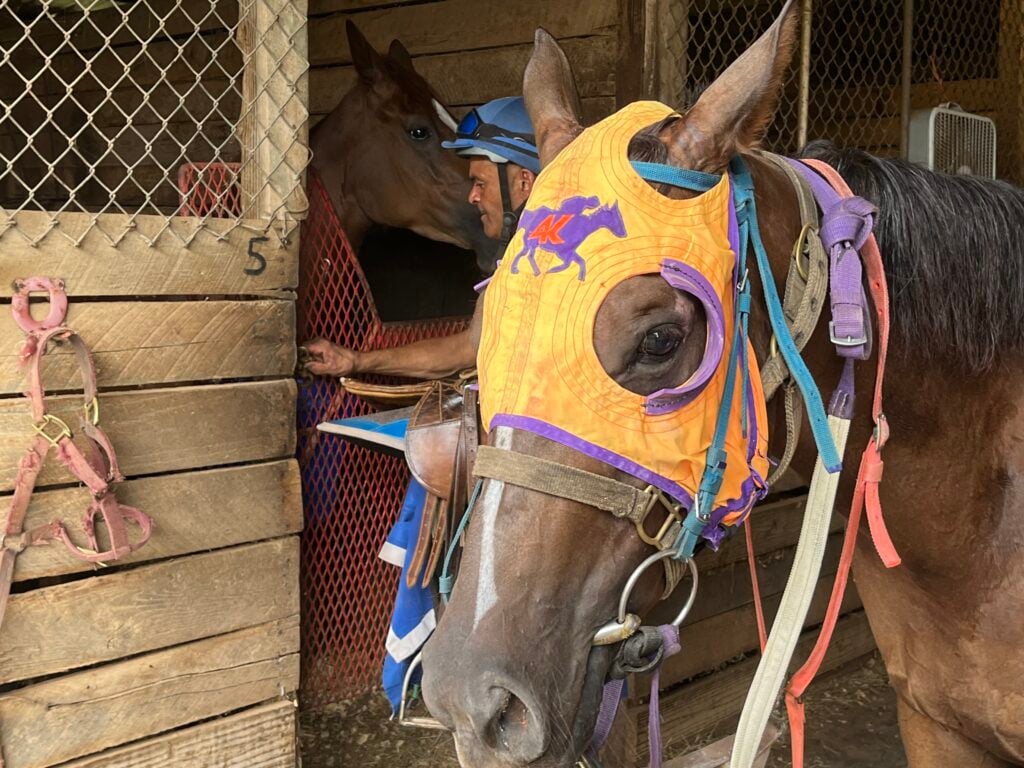
Masks I’d Actually Put On My Own Horses
I’ve used plenty of different masks over the years, and the three below are the ones I’d genuinely reach for. Fit matters more than the logo on the box, especially anywhere near the eyes.
Miles’s Top 3 Masks (2026)
Best Overall: Cashel Crusader Fly Mask ($28-$35) – durable, breathable mesh that’s held up through full Louisiana summers on my own horses. Great for daily turnout, but I wouldn’t choose it for a horse that destroys masks – no fly mask survives a truly determined fence-rubber.
Best UV Protection: Kensington UViator UV Mask ($45-$55) – the one I reach for on any pink-skinned or light-coated horse. Runs a little bulkier than a standard fly mask, so it’s not my first pick for a horse with a smaller, finer head – check the fit closely.
Best Budget: Farnam SuperMask ($22-$30) – solid everyday protection without the premium price tag. The mesh isn’t as tough as the Cashel’s, so I’d skip it for a horse that’s rough on gear.
Affiliate links – helps keep the barn running.
When to Skip the Mask
Not every situation calls for a mask. Here’s when to leave it off:
Poor fit = more problems. If your horse constantly rubs the mask on fence posts, that’s usually a fit problem, not a reason to give up on masks. A poorly fitted mask can cause bald spots and eye irritation – I’ve seen it happen most often when owners go cheap or skip adjusting the straps.
Wet mask in freezing weather. If a mask gets soaked in rain and temps drop into the 30s, I’ll usually pull it off. Wet fabric against the face, especially around the ears, isn’t doing your horse any favors in the cold.
Torn or damaged masks. Check every mask during morning feed. A torn mask with exposed edges can scratch the cornea, so this is the one spot I wouldn’t cut corners – if it’s damaged, replace it rather than stretch it another week.
Horses who panic. Some horses get genuinely distressed when their vision is restricted – sweating, thrashing, trying to push through fences. If that’s your horse, don’t force it. Not every horse is a mask candidate, and that’s fine.
Muddy turnout conditions. Masks and heavy mud usually don’t mix well. If your horse rolls in mud while wearing one, the mesh can push dirt straight into the eyes. In muddy stretches, consider skipping the mask or check and clean it mid-day.
Louisiana Mask Calendar (Adjust for Your Climate)
March-May: Start fly masks, add UV for light-skinned horses.
June-August: Full protection – fly and UV combo, checked daily.
September-October: Continue until first frost.
November-February: Remove for most horses unless there’s a specific need.
Wildfire or heavy smoke season: add a dust mask anytime air quality drops.
Common Mask Myths, Busted
Myth #1: “Horse masks trap heat”
Busted: A quality mesh fly mask breathes better than a straw hat. The mesh vents heat instead of trapping it.
Myth #2: “Horses can’t see through masks”
Busted: A well-made mask is sunglasses, not a blindfold. Horses jump logs, graze, and navigate the pasture in them without issue once they’re used to wearing one.
Myth #3: “One mask does every job”
Busted: A fly mask won’t stop sunburn, and a UV mask won’t filter dust. Match the mask to the actual problem – using the wrong type just wastes money.
Myth #4: “Calming masks are just placebo”
Busted: I’ve seen a nervous horse’s demeanor change noticeably within minutes of a calming mask going on during a stressful trailer load. It’s not scientific proof, but it’s not nothing either.
Myth #5: “Any mask will work for an injury”
Busted: A regular fly mask is not a substitute for a medical recovery mask when an eye is injured. Injuries and flare-ups call for a medical mask, full stop.
FAQs
Why do horses wear masks in the pasture?
To keep flies and sun off their eyes and face. It’s simple, cheap comfort and prevention.
Are horse masks safe to leave on 24/7?
Yes, as long as you check daily for rubs and clean the mask regularly. A well-fitted fly or UV mask can stay on through a full season.
Do masks help with moon blindness (ERU)?
UV-blocking masks can help reduce the flare-ups linked to sun exposure (Cornell University), but they don’t treat an active flare-up. That needs a vet.
Can you ride a horse in a fly mask?
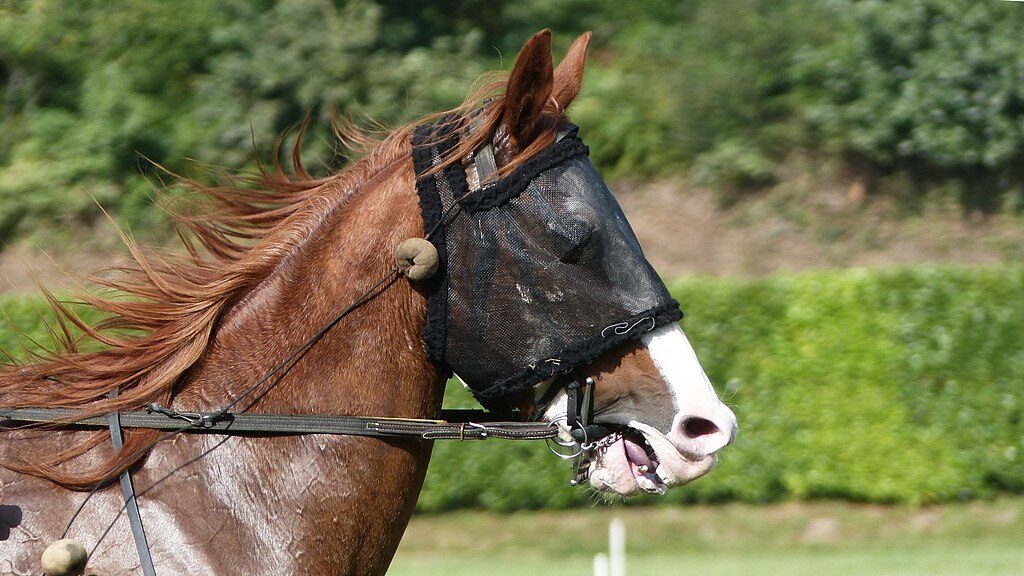
Yes, but only with a lighter riding-model fly mask designed to fit under or over a bridle. Standard turnout masks are too bulky and can compromise vision when mounted.
How do I get my horse used to wearing a mask?
Start slow. Let them sniff it, rub it on their neck, then slip it on for a few minutes while they’re eating. Most horses accept it within a few days if you don’t force it.
What’s the difference between a fly mask and a medical mask?
A fly mask is lightweight mesh built for insect protection. A medical mask has rigid eye cups and blocks more light to protect a healing eye. Never use a fly mask for an eye injury – it can make things worse.
Watch Nicole Shoup demonstrate a gentle, barn-tested method for putting a fly mask on even the fussiest horse, keeping the process low-stress for both horse and handler.

Keep Your Horse Healthy Year-Round
A good mask is more than tack – it’s year-round protection for your horse’s eyes and peace of mind for you. Start with a fly mask if you’re new to this, and don’t hesitate to move up to UV or medical-grade protection if your horse’s situation calls for it.
Whatever mask you land on, the goal is the same: protect what a horse can’t protect for itself, and know when it’s time to take the mask off.
About Miles Henry
Racehorse Owner & Author | 30+ Years in Thoroughbred Racing
Miles Henry (legal name: William Bradley) is a professional horseman based in Folsom, Louisiana. He holds Louisiana Racing License #67012 and has spent over three decades managing Thoroughbreds at premier tracks including Fair Grounds, Delta Downs, and Evangeline Downs.
Expertise & Hands-On Experience: Beyond the track, Miles has decades of experience in specialized equine care, covering everything from hoof health and nutrition to training protocols for Quarter Horses, Friesians, and Paints. Every guide on Horse Racing Sense is rooted in this “boots-on-the-ground” perspective.
30 of their last 90 starts
Equibase Profile.

Connect with Miles: