
Last updated: September 15, 2026
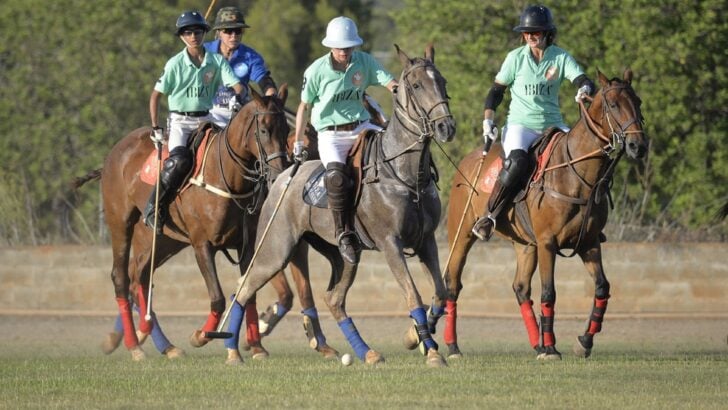
Have you watched a polo match and noticed that the horses don’t all look alike? I did the first time I paid close attention. I assumed polo horses were all one breed, but that isn’t how it works. So, what exactly is a polo pony, and what kind of horses do polo players ride?
A polo pony is a trained polo horse, not a specific breed. Modern polo horses are commonly Thoroughbred-based, including Thoroughbreds, Thoroughbred crosses, and purpose-bred Argentine polo horses.
- Thoroughbreds: Valued for speed, stamina, and athleticism.
- Argentine polo horses: Purpose-bred horses developed from Thoroughbred and Criollo bloodlines for polo ability.
- Thoroughbred crosses: Often appreciated for acceleration, balance, and quick reactions.
As a racehorse owner, I’ve sold several shorter, quick-accelerating Thoroughbreds into polo, and they’ve often adapted better than people expect. In this guide, I’ll explain what makes a good polo horse, the breeds and bloodlines commonly behind them, and what a trained polo pony can cost.
Table of Contents
What Is a Polo Pony?
A polo pony is a horse selected and trained to play polo. The name stuck from an earlier era when polo mounts had height restrictions, but modern polo horses are generally full-sized horses rather than actual ponies.
The good ones combine enough speed to get to the play with balance, quickness, and a level head. They have to handle repeated gallop-stop-turn efforts, close contact with other horses, and a rider swinging a mallet—all without losing focus on the job.
| Type of horse | What it commonly contributes | Where you may see it |
|---|---|---|
| Thoroughbred | Speed, stamina, athleticism, and a long stride | U.S. and international polo |
| Argentine polo horse | Purpose-bred polo ability, speed, handiness, and durability | High-level and international polo |
| Thoroughbred–Quarter Horse cross | Quick acceleration, balance, and a handy way of going | Club polo and some arena-polo settings |
| Manipuri pony | Agility and historic importance to the game | Traditional polo in Manipur, India |
What Breeds Are Used for Polo?
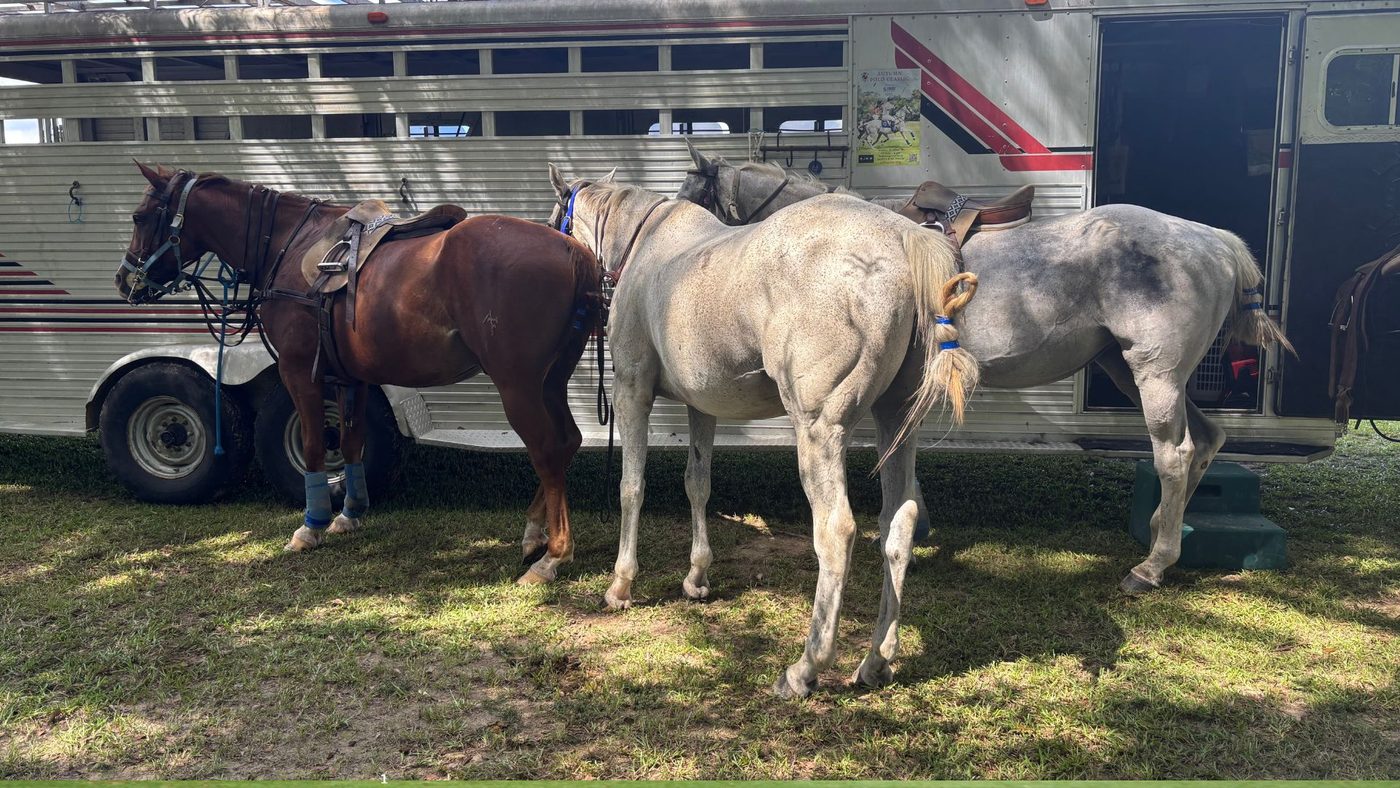
There isn’t one perfect polo breed. Modern polo horses are usually Thoroughbred-based because the game rewards quick acceleration, athleticism, and the fitness to make repeated short efforts. Still, breed only gets a horse in the conversation. Temperament, balance, soundness, training, and how a horse handles pressure matter just as much.
Thoroughbreds and Off-Track Thoroughbreds
Thoroughbreds are a major part of modern polo. They bring natural speed, stamina, and athleticism, which is why Thoroughbred blood is so common in polo horses around the world.
Many polo prospects are retired racehorses. An off-track Thoroughbred already understands conditioning and forward work, but a horse trained to gallop forward on a track has to learn a completely different job in polo: rate, react, stop, and make decisions in traffic.
That doesn’t mean every retired racehorse will fit the sport. The better prospects tend to be naturally balanced, quick with their feet, and willing to come back to the rider after they’ve been asked to move forward.
I’ve sold several of my own Thoroughbreds to polo players. The shorter, quick-accelerating types have often made the most sense to me because polo isn’t about running one long, straight line. A horse has to organize himself, stop, turn, and go again without getting rattled.
For more on the breed’s background and athletic strengths, see my guide to Thoroughbred horses.
Argentine Polo Horses
Argentine polo horses are purpose-bred for the sport. They are commonly developed from Thoroughbred and Argentine Criollo bloodlines, combining Thoroughbred speed with the toughness, balance, and handiness breeders want in a polo horse. Leading Argentine breeding operations, including La Dolfina, describe the Polo Argentino as a Thoroughbred–Criollo cross.
Argentina has shaped the modern game as much as any country, and Argentine-bred horses are especially influential at the highest levels of polo. Generations of selective breeding have produced horses built around the sport’s particular demands: short bursts of speed, fast changes of direction, repeated efforts, and the ability to stay responsive under pressure.
The cross is often described in simple terms:
- From the Thoroughbred: Speed, athleticism, and reach.
- From the Criollo: Toughness, balance, and a handy way of going.
Thoroughbred–Quarter Horse Crosses
Thoroughbred–Quarter Horse crosses, often called Appendix-type horses, are another practical option, particularly in parts of the U.S. club-polo world. They can blend Thoroughbred speed with the compact, handy feel many riders associate with Quarter Horse blood.
I think of the Quarter Horse influence as the brakes, balance, and steering. That’s an oversimplification, of course, because every horse is an individual, but it gets at why this cross appeals to polo riders. The Thoroughbred side supplies the engine, while the Quarter Horse side can add a quick, balanced way of getting organized for a stop or turn.
For a player who needs a horse that feels handy, forgiving, and quick off the line, that combination can be a good fit. You can read more about this cross in my guide to the Appendix horse.
Manipuri Ponies and Polo History
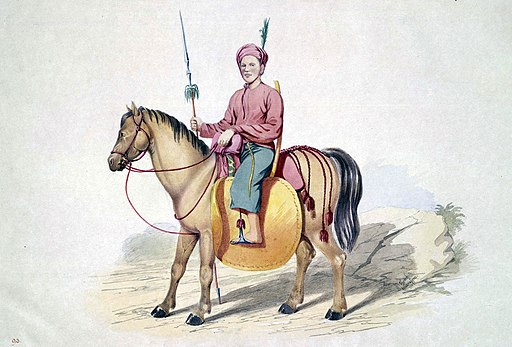
The Manipuri pony deserves mention because the traditional game of polo has deep roots in Manipur, India. These small, tough, agile horses are part of the sport’s history and remain closely connected with traditional polo in the region. For additional background, Britannica’s overview of the polo pony explains how the traditional name remained even after full-sized horses became common in modern play.
They aren’t the typical modern polo horse you’ll see in the United States or in high-level international strings, where larger Thoroughbred-based horses are more common. Still, calling them out matters because they help explain why the sport still uses the word “pony.”
What Makes a Horse Suitable for Polo?
Breed matters, but the individual horse matters more. A successful polo prospect needs enough speed to get to the play, enough balance to stop and turn repeatedly, and enough mental steadiness to keep working when horses crowd together and mallets are moving around him.
- Engine: Quick acceleration and the fitness to handle repeated short efforts.
- Brakes and balance: The ability to decelerate, turn, and re-accelerate without losing balance or fighting the rider.
- Mind: A brave, responsive temperament that holds up around contact, noise, speed, and other horses.
That third piece is easy to underestimate if you’re coming from another discipline. A horse can be fast and beautifully put together, but if he panics in traffic or loses his focus when the game gets noisy, he’s going to be a difficult polo horse. On the other hand, a horse that stays mentally available to his rider can make a lot of ordinary athletic ability go a long way.
No article can tell you whether a particular horse will make a polo pony. Before buying a prospect or retraining an off-track Thoroughbred, have an experienced polo trainer assess the horse and use a veterinarian for a proper pre-purchase or soundness evaluation. Polo puts real physical and mental demands on a horse, so this is not a place to buy on pedigree or speed alone. The United States Polo Association’s equine welfare guidance also emphasizes health, condition, and soundness checks before tournament participation.
Miles’s Take: Coming from Thoroughbred racing, the biggest difference I notice is that speed alone doesn’t make a polo horse. A racehorse needs acceleration and stamina. A polo horse needs those things, but it also has to stop, change direction, and stay mentally quiet when another horse is running close beside it. If one of the engine, brakes, or mind pieces is missing, the horse usually won’t last at a serious level.
Why Many Polo Players Value Mares
Both mares and geldings can make excellent polo horses. Training, soundness, handiness, and temperament matter far more than sex alone. Still, mares have long been especially valuable in polo because a proven playing mare may also have breeding value after her playing career.
That gives an owner two ways to realize value from the same horse: performance on the field and, later, the chance to produce future polo prospects. A mare that stays sound, plays well, and shows the right mind can become a serious asset in a breeding program.
How Much Does a Polo Pony Cost?
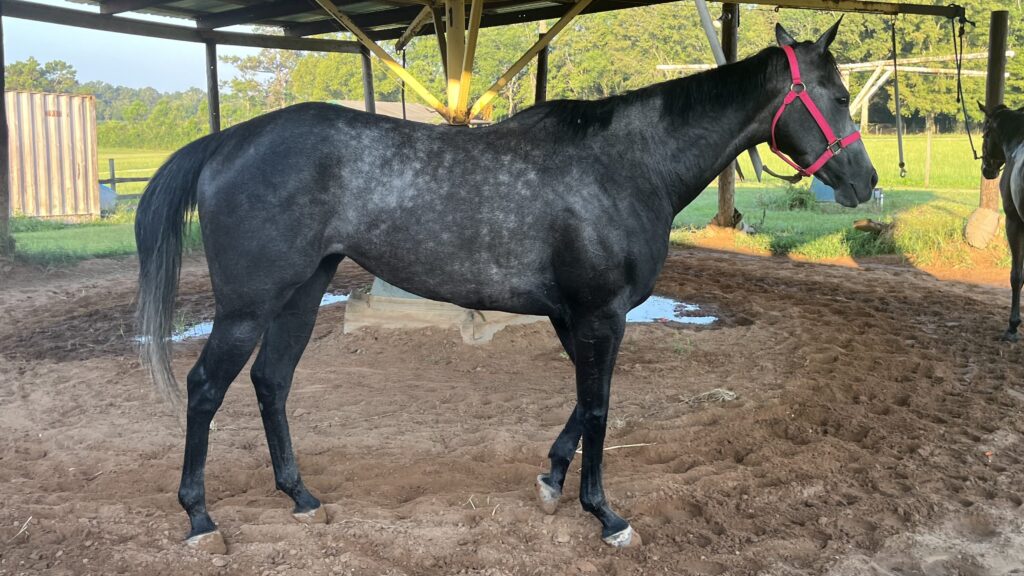
A trained polo horse can cost anywhere from a few thousand dollars for an older school horse or lower-level club mount to well into six figures for a proven high-goal horse. The biggest price drivers are training, safety, soundness, experience, and how well the horse performs at the level the buyer intends to play.
These are broad U.S. purchase ranges, not a price guarantee. The polo-horse market varies by region, age, playing record, pedigree, condition, and whether the horse is ready to play now or still needs considerable training.
| Level | Approximate price range | What you’re generally buying |
|---|---|---|
| School horse or beginner-friendly club mount | $5,000–$20,000 | A safe, trained horse for lessons, practices, or lower-level play. Age, soundness, and fitness can vary widely. |
| Experienced club horse | $20,000–$60,000 | More polish, match experience, handiness, and usefulness for regular club play. |
| High-goal or proven professional horse | $60,000–$250,000+ | Elite training, a strong playing record, athletic ability, soundness, bloodlines, and scarcity. |
A low price isn’t automatically a good deal. A horse that’s safe for lessons isn’t necessarily fit or trained for competitive chukkers, and a young athletic prospect may cost less up front because the buyer is taking on more training risk. For a first-time buyer, an older, safe, experienced school horse is often a smarter purchase than raw talent with an unknown future.
It also helps to remember that the purchase price is only the start. Board, feed, conditioning, farrier work, veterinary care, insurance, transport, tack, club fees, and lessons all add to the real cost of playing polo. Many new players are better off leasing or using club horses first so they can learn what type of mount suits them.
Most players use a string of horses rather than relying on one horse for every chukker, which is another reason the cost of serious polo adds up quickly. For a broader look at lessons, equipment, club fees, leasing, and horse expenses, see my guide to how much it costs to play polo.
The video below features Valiente Polo Farm and gives a useful look at the breeding and training operation behind elite polo horses.

FAQs About Polo Pony Breeds
What is a polo pony?
A polo pony is not a specific breed. It is a horse trained for polo and selected for speed, balance, quick turns, stopping ability, and a steady, responsive temperament. Most modern polo horses are Thoroughbred-based.
Are polo ponies actually ponies?
Usually, no. The term polo pony is traditional. Modern polo horses are generally full-sized horses, although the word pony remains widely used in the sport.
What breed of horse is best for polo?
There is no single best breed. Thoroughbred-based horses are common because they bring speed and athleticism, but the individual horse’s balance, soundness, temperament, and ability to stop and turn matter more than the breed name alone.
Can a retired racehorse become a polo horse?
Yes, some off-track Thoroughbreds transition well into polo. The horse still needs the right balance, soundness, responsiveness, temperament, and professional retraining. Not every retired racehorse is suited to the demands of the game.
What is an Argentine polo horse?
An Argentine polo horse is a purpose-bred polo horse commonly developed from Thoroughbred and Argentine Criollo bloodlines. The cross aims to combine Thoroughbred athleticism with the toughness and handiness valued in polo.
How much does a polo pony cost?
A trained polo horse may cost from roughly $5,000 for an older school horse or lower-level club mount to $250,000 or more for a proven high-goal horse. Price depends heavily on training, soundness, age, playing record, location, and level of competition.
Why do polo ponies have braided tails?
Polo players commonly braid a horse’s tail to help keep it out of the way of reins, mallets, and other horses during play.
A polo pony isn’t defined by one breed. The best ones combine Thoroughbred-type athleticism with balance, trainability, and the steady mind needed to keep working when the game gets fast and crowded. If you’re new to polo, a safe, experienced club horse is usually a smarter first choice than buying raw speed and hoping training fills in the rest.
About Miles Henry
Racehorse Owner & Author | 30+ Years in Thoroughbred Racing
Miles Henry (legal name: William Bradley) is a professional horseman based in Folsom, Louisiana. He holds Louisiana Racing License #67012 and has spent over three decades managing Thoroughbreds at premier tracks including Fair Grounds, Delta Downs, and Evangeline Downs.
Expertise & Hands-On Experience: Beyond the track, Miles has decades of experience in specialized equine care, covering everything from hoof health and nutrition to training protocols for Quarter Horses, Friesians, and Paints. Every guide on Horse Racing Sense is rooted in this “boots-on-the-ground” perspective.
30 of their last 90 starts
Equibase Profile.

Connect with Miles: