Last updated: August 11, 2026
Basic inheritance explains why a foal is bay instead of black. It doesn’t explain why some color genes carry real health risks, why two genetically “safe” parents can still produce an unexpected outcome, or what a genetic panel is actually checking for. That’s the layer most owners never get into – and it’s the layer that actually matters when you’re planning a real breeding or trying to understand a health finding.
Beyond basic dominant/recessive inheritance, coat color genetics involves genes that mask or modify each other (epistasis), genetic testing methods like PCR panels that identify exactly which alleles a horse carries, and a handful of real health considerations – gray horses have a documented, high melanoma risk that varies by which gray allele they carry, and certain dilution and pattern genes carry their own known risks.
I’ve bred and worked around Thoroughbreds and Quarter Horses in Louisiana for over 30 years, and this is the part of color genetics that’s actually changed my own management decisions – not the trivia, but the testing and the health findings.
Table of Contents
Epistasis: When One Gene Overrides Another
Epistasis is what happens when one gene masks or changes the expression of another, regardless of what that second gene would normally do on its own. The clearest example in horses is gray: the dominant gray gene progressively overrides whatever base color a horse actually has, gradually turning bay, black, or chestnut horses toward white over several years. The horse’s real base color is still there genetically and still gets passed to foals – gray just visually covers it up.
Appaloosa spotting is a different kind of complexity – a polygenic trait, meaning multiple genes work together rather than one gene overriding another. The leopard complex (LP) gene sets up the potential for spotting, but modifying genes determine how much of that spotting actually shows, which is why two Appaloosas with the same base LP genetics can look dramatically different.

How Genetic Testing Actually Works
Modern coat color testing mostly relies on PCR (polymerase chain reaction), a technique that amplifies a specific, targeted section of DNA so a lab can read it clearly. That’s what a standard color or health-risk panel from a lab like UC Davis actually does – it isn’t sequencing the whole horse, it’s checking specific known markers one at a time. Broader tools like whole-genome sequencing exist and are used more in research than routine testing right now, since they read the entire genome rather than a handful of targeted markers – useful for identifying genuinely novel or rare variants, but overkill for a routine color or carrier check.
For a breeder, what this means practically: a targeted panel tells you exactly what a horse carries at genes that matter – color, and a short list of known health-linked variants – without guessing from appearance. That’s the real value, not the technology itself.
Gray Horses and Melanoma Risk
This is the single most important health connection in coat color genetics, and it’s well documented: up to 80% of gray horses develop at least one melanoma by age 15, according to UC Davis’s Finno Laboratory. Most are found under the tail, around the anus, or on the sheath, and many stay benign for years – but some become aggressive, and any gray horse deserves regular monitoring as they age.
Research published in 2024 by UC Davis and Uppsala University identified something genuinely useful here: gray isn’t a single allele, it’s two distinct ones. Horses with the G2 allele gray more slowly and carry a lower melanoma risk; horses with the G3 allele gray faster and carry a meaningfully higher risk. That’s not just academic – it means genetic testing can now tell a breeder which gray variant a horse actually carries, and breeding selectively toward G2 is a real way to reduce melanoma risk in a gray breeding line without giving up the color.
Miles’s Take: I’ve owned a gray mare who developed small melanomas in her late teens – common under the tail, the way UC Davis’s own research describes. Regular vet checks kept them from becoming a real problem, and that’s really the practical takeaway: melanoma in an older gray isn’t a crisis by itself, but it’s not something to ignore either. Get a vet’s eyes on it early and monitor from there.
Other Color Genes With Real Health Considerations
Frame overo: A foal with two copies of the relevant variant has lethal white overo syndrome, a fatal intestinal condition. Test before breeding two horses that may both carry it – visual markings alone aren’t enough to know a horse’s genetic status.
Leopard complex (LP): Horses with two copies of the LP allele can have congenital stationary night blindness, a vision impairment present from birth that specifically affects low-light vision. It doesn’t require treatment, but owners and riders should know about it – it changes how a horse should be handled in dim conditions.
Silver dapple: Associated with a cluster of eye conditions collectively called multiple congenital ocular anomalies, ranging from mild to more significant depending on the horse. This is genuinely one to discuss with your vet before breeding a silver-carrying horse, particularly to another silver carrier.
Using Genetics in a Real Breeding Program
Genetic testing earns its cost in three practical situations: targeting a genuinely rare color where you need confirmation at least one parent carries the right allele, screening for the health-linked variants above before pairing two horses that could both be carriers, and simply reducing the guesswork in a breeding program where color and genetics matter to your buyers. None of this replaces sound conformation, temperament, and performance as the foundation of a breeding decision – color genetics is a layer on top of that, not a substitute for it.
FAQs About Advanced Horse Color Genetics
What is epistasis in horse color genetics?
Epistasis is when one gene masks or overrides the effect of another. Gray is the clearest example – it progressively covers a horse’s actual base color over several years, though that base color is still genetically present and still gets passed to foals.
How does genetic testing for coat color actually work?
Most standard panels use PCR to amplify and read specific, targeted sections of DNA rather than sequencing the entire genome. This lets a lab confirm exactly which alleles a horse carries at genes known to affect color or specific health risks.
Why do gray horses get melanoma?
Up to 80% of gray horses develop at least one melanoma by age 15. Research has identified two distinct gray alleles – G2, associated with slower graying and lower melanoma risk, and G3, associated with faster graying and higher risk. Genetic testing can identify which one a horse carries.
Which coat color genes carry real health risks?
The clearest examples are frame overo (lethal white overo syndrome in foals with two copies), the leopard complex gene (linked to congenital stationary night blindness with two copies), and silver dapple (associated with a range of eye conditions). Gray also carries a well-documented melanoma risk.
Is CRISPR used in horse breeding?
Not in practice. Gene-editing technology like CRISPR has research applications in equine genetics but isn’t a real-world breeding tool at this point, and it comes with real ethical and regulatory questions that haven’t been resolved. Targeted DNA testing, not gene editing, is what’s actually used in breeding programs today.
The genetics that actually change how you manage a horse – not just what you call its color – are worth understanding, even if you never touch a Punnett square again after today.
About Miles Henry
Racehorse Owner & Author | 30+ Years in Thoroughbred Racing
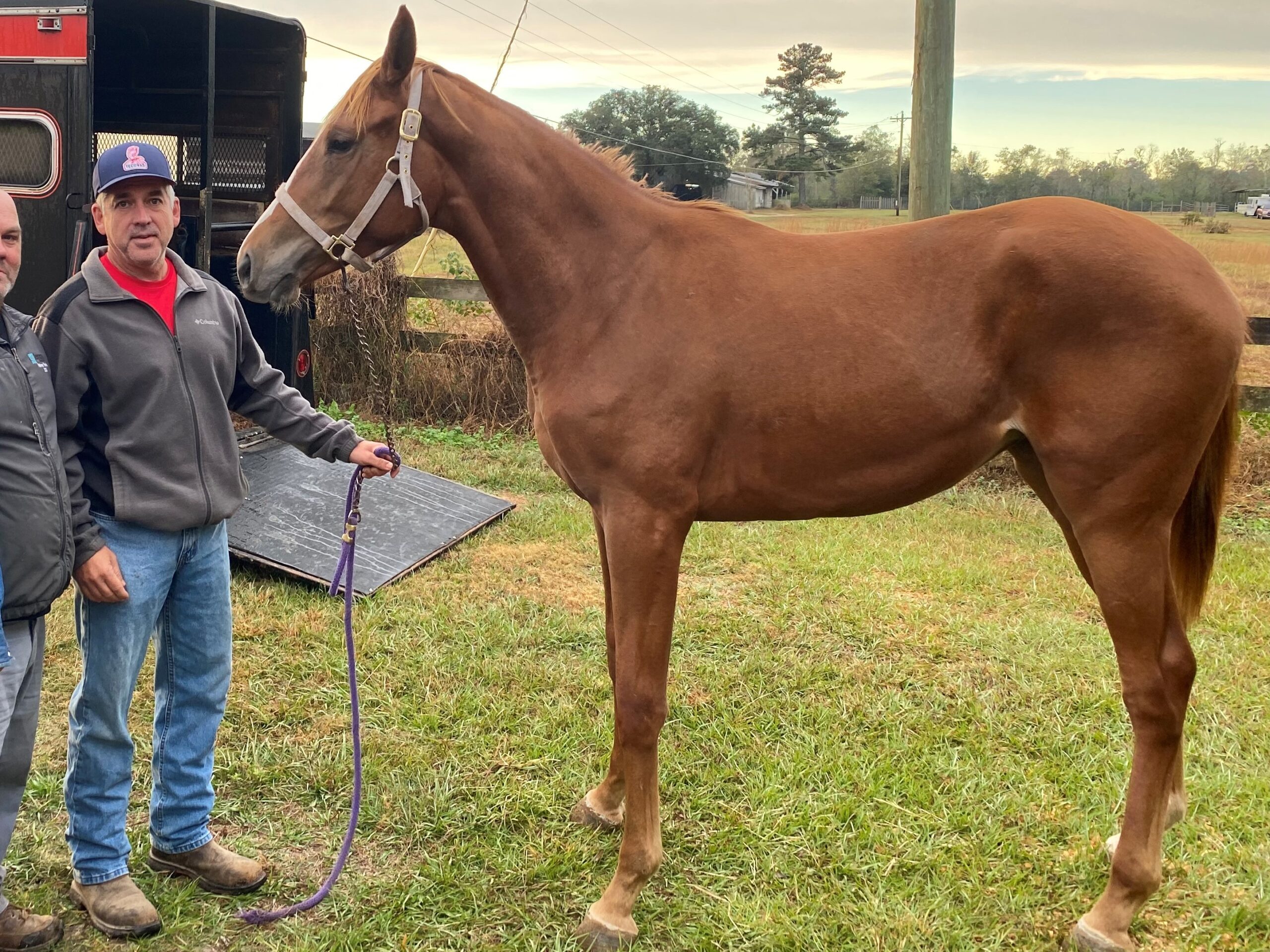
Miles Henry (legal name: William Bradley) is a professional horseman based in Folsom, Louisiana. He holds Louisiana Racing License #67012 and has spent over three decades managing Thoroughbreds at premier tracks including Fair Grounds, Delta Downs, and Evangeline Downs.
Expertise & Hands-On Experience: Beyond the track, Miles has decades of experience in specialized equine care, covering everything from hoof health and nutrition to training protocols for Quarter Horses, Friesians, and Paints. Every guide on Horse Racing Sense is rooted in this “boots-on-the-ground” perspective.
30 of their last 90 starts
Equibase Profile.

Connect with Miles: