
Last updated: February 12, 2026
Any links on this page that lead to products on Amazon are affiliate links and I earn a commission if you make a purchase. Thanks in advance – I really appreciate it!
Steel toes are essential for anyone working around livestock or on construction sites where heavy rolling or falling objects pose a constant crush hazard.
- Why: OSHA 1910.136 requires impact/compression protection when hazards exist.
- Real-world: Hoof drops, tool falls, and equipment impacts.
- Miles’ Pick: The Ariat Sierra Steel Toe offers industrial protection with all-day comfort.
If you work around livestock, heavy equipment, or active job sites, steel toe boots are a proven safeguard against serious foot injuries. They’re designed to protect against crushing and impact hazards that can occur in a split second.
Recent Personal Experience: A colt stepped on my foot during a vet exam. My Ariat Sierra Steel Toes took the full hit, and I walked away with no injury.
Steel-toe boots meeting ASTM F2413 are rated to withstand up to 2,500 lbs of compression (C/75) and 75 ft-lbs of impact force (I/75). That level of protection is what makes them essential for farm work, construction, warehouses, refineries, and any job where heavy objects or animals are part of the daily risk.

Table of Contents
What Steel Toes in Boots Protect Against
| Hazard | Real-World Example | Steel Toe Protection |
|---|---|---|
| Crush / Compression | Horse steps on foot or heavy object rolls over toes. | ASTM F2413: 2,500 lb compression resistance. |
| Impact | Tool, equipment, or material dropped on toes. | ASTM F2413: 75 ft-lb impact rating. |
| Puncture* | Nail or sharp debris through the sole. | ASTM F2413 PR: 270 lb puncture force (if equipped). |
When Steel Toes Are Essential
| Job / Environment | Steel Required? | Miles Recommendation |
|---|---|---|
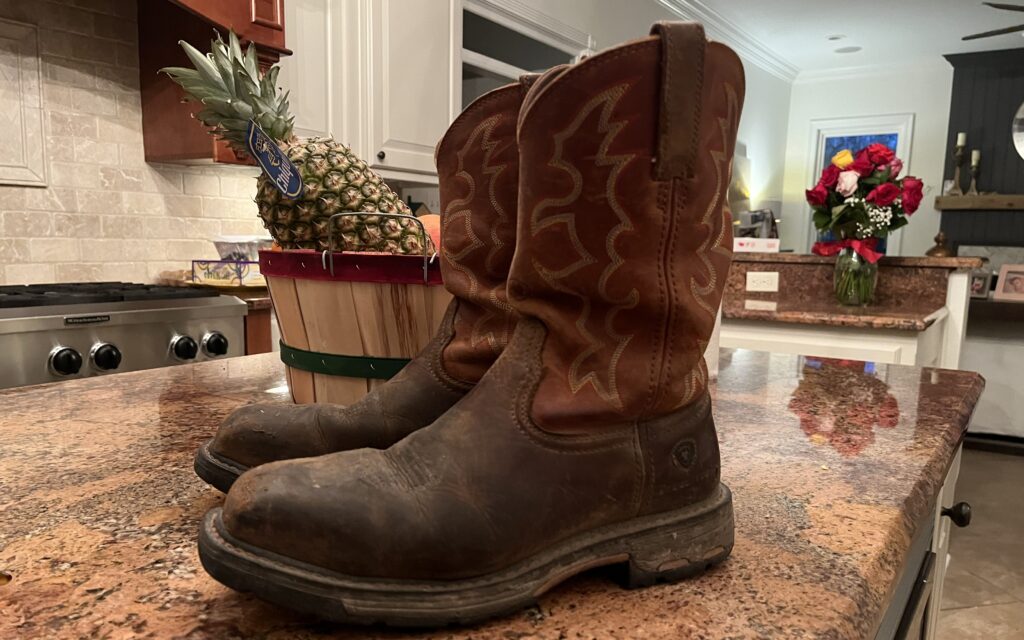
| Barn / Livestock Handling | Yes (Hoof or heavy object risk) | Ariat Sierra Steel Toe |
| Horse Riding / Arena Work | No (Bulk can interfere with stirrups) | Tony Lama Cowboy Boots |
Steel toe boots are engineered to meet specific safety benchmarks. Understanding these ratings ensures your gear is actually compliant for your job site:
- OSHA 1910.136: Federal mandate for employers to provide protective footwear when crush or puncture hazards exist.
- ASTM F2413: The primary performance standard for safety footwear impact and compression resistance.
| Standard | Test Condition | Requirement |
|---|---|---|
| ASTM F2413 Impact | Falling object dropped on toe | Must withstand 75 ft-lbs impact (I/75) |
| ASTM F2413 Compression | Steady load applied to toe | Must withstand 2,500 lbs (C/75) |
| ASTM F2413 Puncture | Sharp object through sole | Optional 270 lbs resistance (PR) |
| OSHA Compliance | Site hazard assessment | Mandatory where falling/rolling hazards exist |
Are Steel Toe Boots Good for Your Feet?
Steel toe boots are designed to protect your feet from heavy impacts, crush hazards, and sharp objects. They are essential for farmers, construction workers, warehouse employees, and anyone who works around livestock, heavy machinery, or active job sites. However, they may not be the perfect fit for everyone—comfort and foot support vary by brand and foot shape.
Personally, I wear Ariat Sierra Square Steel Toea Work Boots, which I find supportive and comfortable for long hours, even with plantar fasciitis. Your mileage may vary, so it’s important to try on a few styles to find what works for your feet.
Pro Tip: Check out Ariat’s website for the latest styles and deals. Trying a boot before committing can save you from discomfort and give your feet proper protection.
The Different Types of Steel Toe Boots
Steel toe boots come in several styles, each designed for specific tasks, comfort levels, and work environments. Choosing the right type depends on where you work, how much protection you need, and your personal comfort preferences.
- Work Boots: Built for hazardous environments, with durable materials and slip-resistant soles. Ideal for construction, farms, or warehouses. See top work boots. Note: They can be stiff and require a break-in period.
- Safety Shoes: Lightweight and more comfortable than traditional work boots, while still offering steel toe protection. Good for office-adjacent industrial work or light manufacturing. May provide slightly less protection than full work boots.
- Hiking Boots: Steel-toe hiking boots combine protection with waterproofing and comfort for outdoor use, camping, or trail work. Explore steel toe hiking boots. Typically heavier and may require a break-in period.
- Cowboy Boots: Popular for style and durability, often with a wide toe box. Great for ranch work and equine environments. Best Ariat steel toe cowboy boots. Break-in can be challenging, and they may offer less protection than work boots.
The Pros and Cons of Steel Toe Boots
There’s no question that steel toe boots are a great invention. They protect your feet from all sorts of dangers and are perfect for working in a factory or construction site. But there are also some drawbacks to wearing them. Here’s a look at some of the Pros and Cons of steel toe boots:
| The Pros | The Cons |
|---|---|
| 2,500lb Crush ProtectionASTM F2413 rated—safeguards against hooves, tools, and heavy equipment. Proven Field PerformanceBacked by 30+ years of track and barn-testing reliability. Wide AvailabilityStandard on industry staples like the Ariat Sierra and Justin Driller. | Heavier WeightAverages ~4oz more per boot compared to modern composite caps. Cold ConductionMetal caps transfer winter chill faster than non-metallic options. 3-Day Break-InFirm industrial leather requires a brief period to mold to the foot. |
| Factor | Steel Toe | Composite Toe | Winner |
|---|---|---|---|
| Max Protection | 2,500 lb crush (Ariat Sierra) | Equal ASTM F2413 impact & compression rating | Steel ✅ |
| Weight & Comfort | Heavier (~4 oz per boot) | Lighter and more flexible (Rebar Flex) | Composite ✅ |
| Cold Weather | Conducts chill | Thermally neutral | Composite ✅ |
| Best Use | Heavy-duty farm, construction, refineries | Indoor work, light duty, flexible tasks | Depends |
Read the full comparison: Steel vs Composite Guide
FAQs About Steel Toe Boots
When should you wear steel toe boots?
Wear steel toe boots whenever your feet are at risk from heavy, falling, or sharp objects. They absorb impact and protect toes from crushing or puncture injuries, making them essential for construction, farm work, and industrial jobs.
Do I have to wear steel toe boots at work?
Yes. OSHA (Occupational Safety and Health Administration) requires steel toe boots in workplaces where employees face foot injury risks. This includes many construction, warehouse, and industrial environments where falling or heavy objects are present.
Steel Toe Boots: Final Verdict
Wear steel toes when hooves, tools, or heavy equipment are daily risks. My Ariat Sierra has saved my feet multiple times—2,500lb ASTM F2413 protection you can trust.
Not for: Riding (too bulky), light chores (overkill).
Questions? Drop in comments—I’ll answer from 30+ years barn/track experience.
Steel Toe vs. Composite Toe
The definitive guide to safety toe materials, weights, and ASTM ratings.
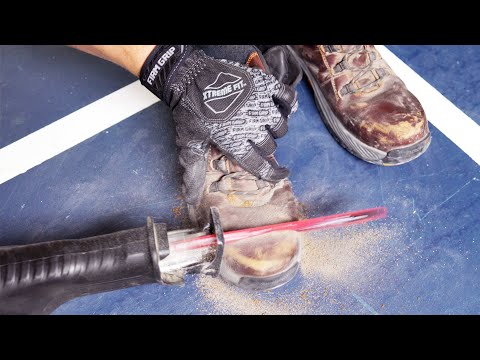
Below is a YouTube video comparing steel, composite, and carbon toe boots.

About Miles Henry
Racehorse Owner & Author | 30+ Years in Thoroughbred Racing
Miles Henry (legal name: William Bradley) is a professional horseman based in Folsom, Louisiana. He holds Louisiana Racing License #67012 and has spent over three decades managing Thoroughbreds at premier tracks including Fair Grounds, Delta Downs, and Evangeline Downs.
Expertise & Hands-On Experience: Beyond the track, Miles has decades of experience in specialized equine care, covering everything from hoof health and nutrition to training protocols for Quarter Horses, Friesians, and Paints. Every guide on Horse Racing Sense is rooted in this “boots-on-the-ground” perspective.
30 of their last 90 starts
Equibase Profile.

Connect with Miles: