
Last updated: September 1, 2026
Any links on this page that lead to products on Amazon are affiliate links and I earn a commission if you make a purchase. Thanks in advance – I really appreciate it!
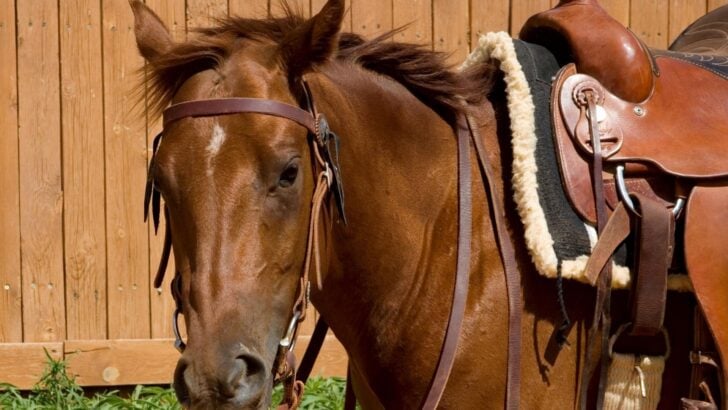
Shopping for a new saddle pad for your Western saddle can get expensive fast. Every brand promises more comfort, better airflow, extra shock absorption, or a tougher pad that will last for years—but the features that matter most are usually material, thickness, shape, and whether the pad works with the saddle you already own.
For most riders, the best Western saddle pad is a contoured wool-felt pad in the right thickness for the horse, saddle, and work being done. It should manage sweat, add sensible cushioning, and lie smoothly without bunching or changing an otherwise good saddle fit. A pad can support a well-fitting saddle, but it cannot correct one that pinches, bridges, rocks, or sits too tight at the withers.
After years of switching pads between horses and paying attention to how they sweat, move, and feel after a ride, I’ve found that material, thickness, contour, and saddle fit matter far more than colors, patterns, or marketing claims. These are the western saddle pads I’d consider first and how I’d choose between them.
Table of Contents
What to Look for in a Saddle Pad
A few factors genuinely matter more than brand name or color:
- Material: wool felt is a traditional western-pad material because it manages moisture well, provides cushioning, and can conform with use. A quality felt pad can last a long time with regular cleaning and proper storage. Foam and gel pads can add cushioning, but their heat management, durability, and bulk vary widely by construction.
- Thickness: more padding isn’t always more comfortable. Many everyday western pads fall in the 3/4- to 1-inch range, but the right thickness depends on the saddle, the horse’s shape, and how much room the saddle has at the withers and through the bars. Always check saddle clearance and stability with the pad you plan to use – not with a different pad.
- Size and shape: the pad should extend slightly beyond the saddle’s edges without excessive overhang, and a contoured shape generally sits better on most horses’ backs than a flat rectangle.
- Moisture management: in hot, humid climates – Louisiana included – I pay more attention to what happens after the ride than how the pad looks in the tack room. A pad that stays damp, collects sweat, or traps dirt against the horse’s skin can create problems over time. Pull the pad after riding, check the sweat pattern and hair, and clean it before dirt and sweat become abrasive.
- Durability: a well-made wool felt pad can hold up for years with basic care; cheaper synthetic pads often compress and lose their cushioning within a season or two of regular use.

How I Choose a Western Saddle Pad
When I’m sorting through options for a horse, I work through it in roughly this order:
- Start with saddle fit. No pad fixes a saddle that already rocks, bridges, or pinches – that has to be right first.
- Match thickness to the horse and saddle. The pad needs to work with the horse’s back shape and the amount of room the saddle has at the withers, through the bars, and along the spine. Adding thickness can change clearance and stability, so assess the saddle with the exact pad you intend to ride in.
- Consider the workload. A long trail ride or a full day of ranch work asks more of a pad than an hour in the arena.
- Choose material based on climate and care. Wool felt is a traditional choice for moisture management, cushioning, and durability. Foam, gel, mesh, and channel-style pads can offer different support or airflow features, but their bulk and performance depend on the exact construction.
- Don’t buy on appearance alone. A striking pattern doesn’t tell you anything about how the pad will actually perform under saddle.
The mistake I see most often: riders buying more pad when the real problem is saddle fit. A thick pad can hide a fitting issue temporarily, but it can’t fix a saddle that’s bridging, pinching, or rocking. Sometimes the best improvement you can make isn’t a more expensive pad – it’s making sure the saddle underneath it actually fits the horse.
Best Western Saddle Pads Compared
| Pad | Material | Best For | Main Tradeoff | My Take |
|---|---|---|---|---|
| Weaver Equine Contoured Wool Blend Felt Pad | Wool blend felt | Everyday riding | May be bulkier than a thin pad | A sensible all-around starting point when saddle fit is already good |
| Diamond Wool Contour Felt Ranch Pad | 100% wool felt | Long trail and ranch-style use | Needs regular cleaning and inspection | Strong option to consider for long trail and ranch-style days |
| Classic Equine Performance Trainer Saddle Pad | Canvas top, Merino fleece bottom | Riders who prefer fleece against the horse | Fleece needs its own care routine | Solid pick if you want fleece rather than felt |
| Tough 1 Hand Painted Steer Skull Saddle Pad | Wool felt, decorative leather | Riders wanting style and value together | Painted/dyed leather needs regular inspection | Distinctive look at a reasonable price |
| 5 Star Extra-Thick Rancher Pad | 100% wool felt, ~1 1/8" | Long, demanding use when fit permits | High price and substantial thickness | Premium option, but check fit |
My starting point for most riders: a straightforward wool felt pad in a standard thickness, before jumping to a specialty or extra-thick option. Get the fit and material fundamentals right first – you can always upgrade to something more specific once you understand what your horse actually needs.
5 Best Western Saddle Pads
I’ve used many types of western pads over the years, and I’ve compared these models based on the factors that matter most when choosing one: material, thickness, construction, intended use, and how they fit different horses and riding situations. Product specifications and pricing can change, so confirm the exact size, thickness, and material on the live listing before ordering.
Weaver Equine Contoured Wool Blend Felt Pad – Best Overall Western Saddle Pad

Wool felt is a common choice for western pads because it manages moisture well, provides cushioning, and can conform to the horse’s back with use. This Weaver Equine model uses contoured wool-blend felt in a close-contact design, with cutouts near the wear leathers intended to improve rider feel and reduce saddle roll. Weaver offers related pads in different thicknesses and dimensions, so confirm the exact material, size, and thickness on the live listing before ordering.
Best for: Riders who want a traditional, all-around felt pad for everyday western riding. Watch for: a thicker version may be too much under a saddle that already fits snugly, particularly at the withers or through the front of the bars. My take: this is the sort of pad I’d consider before stepping into corrective, shimmed, or very thick specialty pads.
Diamond Wool Contour Felt Ranch Pad – Best for Ranch and Trail Work

This is a 100% wool felt pad built with ranch and trail work in mind – a contoured shape with distressed leather reinforcement along the spine. As with any felt pad, inspect it regularly for packed dirt, uneven compression, damaged stitching, and wear around the spine and skirt areas, and expect to brush it out more often than a wool-blend pad.
Best for: Ranch work and trail riding, where a pad needs to perform consistently through long hours. Watch for: straight wool felt generally needs more regular cleaning and inspection than a synthetic blend. My take: a solid choice for anyone spending long days in the saddle rather than occasional arena work.
Classic Equine Performance Trainer Saddle Pad – Best for Fleece-Bottom Comfort

Classic Equine is a well-known name in western tack, and this Performance Trainer pad takes a different construction approach than a straight felt pad: a heavy-duty canvas top over a 100% Merino fleece bottom, with a contoured shape intended to fit closer to the horse’s back. The fleece bottom is a genuinely different feel against the horse than felt, and canvas tops tend to hold up well under regular training use.
Best for: Riders who want a fleece-bottom pad rather than straight felt against the horse, and who put their pads through regular training use. Watch for: a fleece bottom needs its own care routine – burrs, dirt, and matting show differently than they do on a felt pad, so plan on regular brushing and inspection. My take: a solid choice if you or your horse prefer the feel of fleece against the skin, from a brand with a long track record in western tack.
Tough 1 Hand Painted Steer Skull Saddle Pad – Best Budget Option With Style

This is a moisture-wicking felt pad with a genuinely eye-catching design: a hand-painted steer skull worked into the leather corners and wither, faux croc-pattern wear leathers, and contrast buckstitching. It’s a contoured pad built with wither relief, not just a decorative topper – but the main draw here is the western style as much as the construction.
Best for: Riders who want a distinctive, western-styled pad at a reasonable price for casual to moderate riding. Watch for: hand-painted and dyed felt pads should be inspected regularly for wear and color transfer, and expect more wear over time under heavy daily use than the premium wool options above. My take: a fun, functional choice if you want your pad to make a statement, not just blend in.
5 Star Extra-Thick Rancher Pad – Best for Long, Heavy Use

At roughly 1 1/8 inches of 100% wool felt, this is the thickest, most cushioned option on the list – confirm the exact model and thickness on the live listing, since Amazon listings and configurations change. That extra thickness is also its main tradeoff: it changes saddle fit more than a standard pad would, so it’s worth checking fit with this pad in place before committing to it for regular use.
Best for: Riders doing long, demanding days in the saddle who want a very thick wool-felt pad and have enough room in their existing saddle fit for that added bulk. It may also be appropriate when a qualified saddle fitter or veterinarian has evaluated a horse and the complete saddle-and-pad setup calls for additional cushioning. Watch for: more thickness isn’t automatically better – it can change clearance, stability, and pressure under the saddle. My take: a premium option, but check fit carefully before you commit to it.
How to Tell Whether the Pad and Saddle Work Together
Before buying a thicker pad, saddle up with the pad you’re actually planning to use and look at the whole setup. You want adequate wither and spine clearance, even contact along the bars, a pad that lies flat without wrinkles, and a saddle that stays stable when you mount and ride.
After a ride, look for ruffled hair, rubbing, swelling, unusual sensitivity, dry areas that seem inconsistent with the rest of the sweat pattern, or a new reluctance to stand, turn, move forward, or be saddled. None of these signs diagnoses the problem by itself, but they’re good reasons to reassess the saddle-and-pad setup and consult a qualified professional when needed.
A thicker pad can sometimes be appropriate, but it shouldn’t be used as a shortcut to fill excessive space or hide a saddle that rocks, bridges, pinches, or sits too low at the withers.
Below is a video walking through how to choose the right saddle pad thickness for your horse.

Saddle Pad vs. Saddle Blanket
The terms get used loosely, but there’s a real difference. A saddle pad is the thick, cushioned layer that sits directly against the horse’s back and does the actual work of shock absorption and protection. A saddle blanket is traditionally thinner and more decorative, worn over the pad or sometimes alone for light work – it adds a layer of style and minor cushioning, not the structural protection a real pad provides. In everyday barn talk, though, plenty of riders say “saddle blanket” when they mean a full pad, especially in Western disciplines. When you’re shopping, check the actual thickness and construction rather than relying on which word the listing uses.
Choosing the Right Western Saddle Pad
Selecting the right western saddle pad comes down to matching material and thickness to your horse’s back, saddle fit, and the work you’re actually doing – not chasing the flashiest option. Any of the five pads above are solid choices; the right one depends on whether you’re prioritizing everyday durability, budget, extra cushioning, or technical support. Remember that a pad supports a good fit – it doesn’t create one.
FAQs
What’s the difference between a saddle pad and a saddle blanket?
A saddle pad is a thick, cushioned layer that sits directly on the horse’s back to provide cushioning and protection. A saddle blanket is traditionally thinner and more decorative, worn over the pad for extra style and light protection. In everyday use, many riders use the terms interchangeably, so check the actual thickness and construction rather than the product name alone.
How thick should a western saddle pad be?
Most riders do well with a pad between 3/4 and 1 inch thick. The right thickness depends on the saddle, the horse’s shape, and how much room the saddle has at the withers and through the bars – not a fixed rule. A pad that’s too thick can change saddle fit enough to cause new problems.
What size western saddle pad do I need?
Choose a pad that fully covers the area under the saddle skirts and extends modestly beyond the saddle without hanging so far out that it looks bulky or interferes with movement. The correct dimensions depend on the saddle’s skirt length and shape, so measure your saddle and compare it with the manufacturer’s stated pad dimensions before ordering.
Can a thicker saddle pad fix a poor-fitting saddle?
No. A thicker pad can temporarily mask some fit issues, but it can’t correct a saddle that bridges, pinches, rocks, or sits too tight at the withers. If you suspect a fit problem, have the saddle evaluated rather than adding more padding to compensate.
Are expensive saddle pads worth it?
Sometimes. A more expensive pad isn’t automatically better for every horse. The biggest gains usually come from better materials, durability, and construction quality. A high-priced pad won’t fix a poorly fitting saddle, but a well-made pad can last years and maintain its performance better than cheaper alternatives.
About Miles Henry
Racehorse Owner & Author | 30+ Years in Thoroughbred Racing
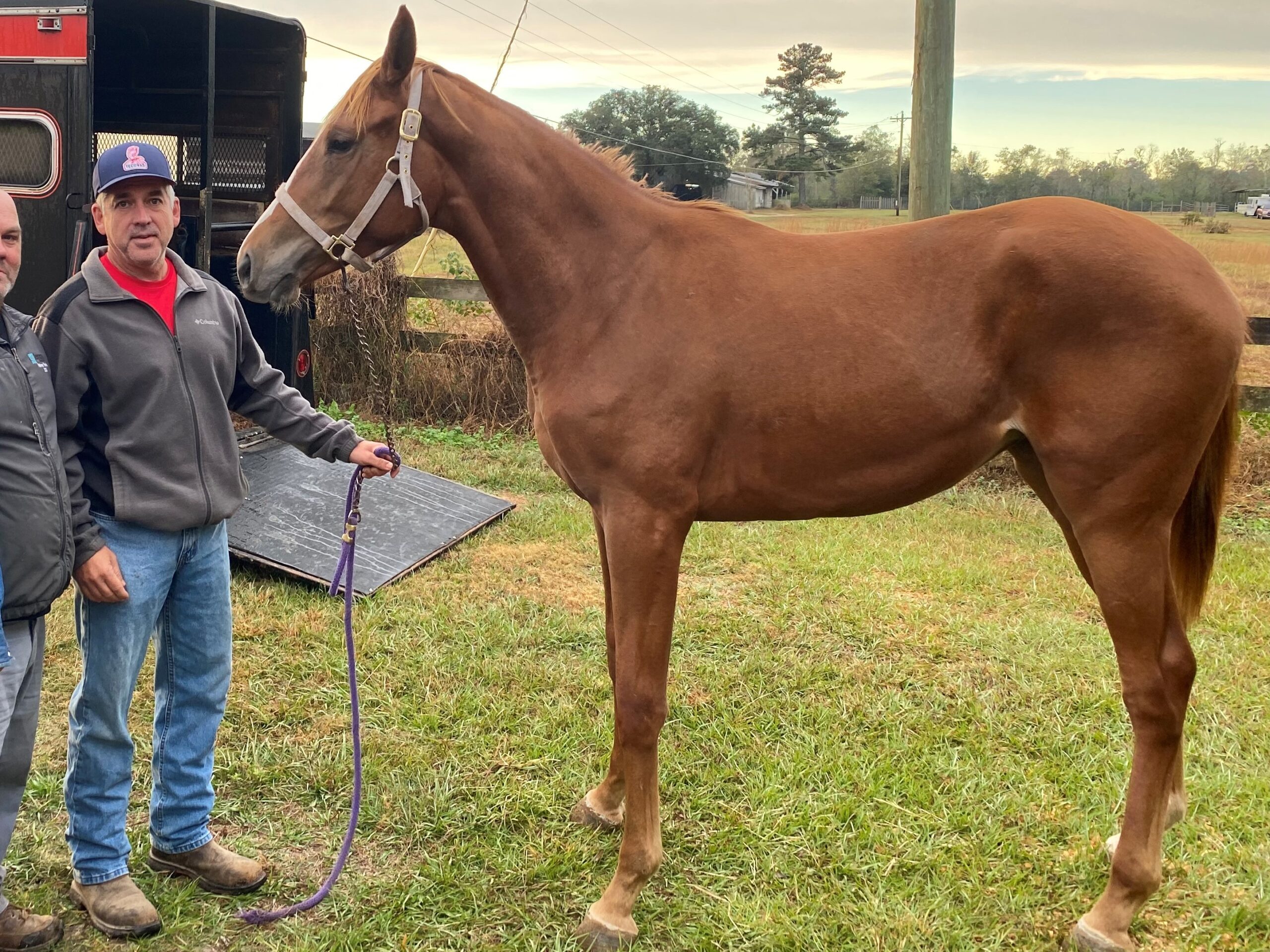
Miles Henry (legal name: William Bradley) is a professional horseman based in Folsom, Louisiana. He holds Louisiana Racing License #67012 and has spent over three decades managing Thoroughbreds at premier tracks including Fair Grounds, Delta Downs, and Evangeline Downs.
Expertise & Hands-On Experience: Beyond the track, Miles has decades of experience in specialized equine care, covering everything from hoof health and nutrition to training protocols for Quarter Horses, Friesians, and Paints. Every guide on Horse Racing Sense is rooted in this “boots-on-the-ground” perspective.
30 of their last 90 starts
Equibase Profile.

Connect with Miles: