
Last updated: May 24, 2026
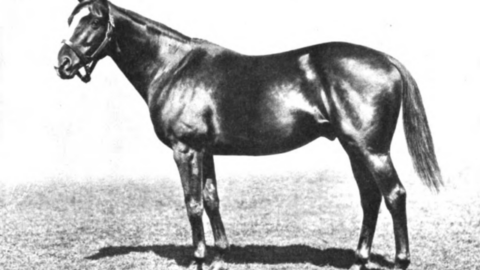
Winning the Triple Crown means surviving three elite races in five weeks, each one asking something different of the horse. The Derby tests class, the Preakness tests recovery, and the Belmont tests stamina under the heaviest pressure of all. Since 1919, only 13 horses have answered all three questions.
The three Triple Crown races, in order:
- Kentucky Derby — 1¼ miles, Churchill Downs, Louisville KY — first Saturday in May — “The Run for the Roses”
- Preakness Stakes — 1 3/16 miles, Pimlico Race Course, Baltimore MD — two weeks after the Derby — “The Run for the Black-Eyed Susans”
- Belmont Stakes — 1½ miles, Belmont Park, Elmont NY — three weeks after the Preakness — “The Test of the Champion”
Only 13 horses have won all three since Sir Barton in 1919. The most recent was Justify in 2018.
If you plan to bet the Triple Crown races, the complete guide to betting on horse racing covers everything from reading the odds to placing exotic wagers.
After decades around racing circuits like the Fair Grounds and Delta Downs, I’ve seen firsthand how difficult it is to prepare a horse for even one stakes race. The Triple Crown demands that level of performance three times over a compressed five-week spring schedule — at various distances and against constantly changing fields.
Table of Contents
The Three Races Compared
| Race | Track | Distance | Timing | Surface | Record Time |
|---|---|---|---|---|---|
| Kentucky Derby | Churchill Downs, Louisville KY | 1¼ miles | First Saturday in May | Dirt | 1:59 2/5 — Secretariat (1973) |
| Preakness Stakes | Pimlico Race Course, Baltimore MD | 1 3/16 miles | Two weeks after Derby | Dirt | 1:53 — Secretariat (1973)* |
| Belmont Stakes | Belmont Park, Elmont NY | 1½ miles | Three weeks after Preakness | Dirt | 2:24 flat — Secretariat (1973) |
About this guide: Written by Miles Henry, licensed Louisiana racehorse owner with 30 years of experience at Fair Grounds, Evangeline Downs, and Delta Downs. I’ve watched and analyzed Triple Crown campaigns since the 1990s and have personally attended the Kentucky Derby multiple times. Race facts and records are verified against official track sources.
*The Preakness record of 1:53 has been subject to some historical dispute due to timing system differences at Pimlico in 1973 versus modern electronic timing; the Maryland Jockey Club recognizes it as the official record. Secretariat holds all three race records; none has been broken as of 2026.
The Kentucky Derby
The Kentucky Derby has been run at Churchill Downs in Louisville every year since 1875, making it the longest continuously held major sporting event in the United States. It runs 1¼ miles on a dirt track and is restricted to three-year-old Thoroughbreds. The field is capped at 20 horses, determined by a points system based on qualifying races run earlier in the year. The purse is currently $5 million, with $3.1 million going to the winner.
The Derby is known as “The Run for the Roses” — the winner is draped in a blanket of red roses in the winner’s circle, a tradition dating to 1896.
It runs on the first Saturday in May and draws one of the largest single-day crowds in American sport, routinely exceeding 150,000 people at Churchill Downs. The question for any Derby winner is always the same: can the horse come back two weeks later at Pimlico and run again at that level? Whether it can sustain that form is what the next five weeks of racing determine.
Miles’s Take — Churchill Downs on Derby Day: I’ve been to Churchill Downs several times over the years, and standing in the infield on Derby day is an experience that doesn’t translate well in description. The sound of 150,000 people reacting to a two-minute race — the way it builds through the stretch — is unlike anything else in racing. What strikes me every time is how small the horses look from the infield compared to how large they are when you’re near them in the paddock. What I take away from every Derby visit is a renewed respect for what it takes to win it — and even more for what it takes to come back and win the next two.

The Preakness Stakes
The Preakness Stakes is run at Pimlico Race Course in Baltimore two weeks after the Kentucky Derby. At 1 3/16 miles, it is actually the shortest of the three Triple Crown races — slightly shorter than the Derby — which means fresh horses enter with a real chance. A horse that did not run the Derby, or that finished well back, can rest fully and target the Preakness specifically. This is why the Preakness field often looks different from the Derby field and why Derby winners have lost here to horses nobody considered Triple Crown threats two weeks earlier.
The Preakness debuted in 1873 — two years before the Kentucky Derby — and is named after Preakness, a colt bred in the Preakness region of New Jersey who won at Pimlico on the track’s opening day in 1870. The winner is draped in a blanket of black-eyed Susans in the winner’s circle. The race is also associated with the “Alibi Breakfast,” a pre-race gathering dating to the 1930s where trainers, owners, and jockeys would informally discuss their horses’ chances.
The strategic reality of the Preakness: The two-week turnaround between the Derby and the Preakness is the most compressed gap in the series. A horse that ran hard at Churchill Downs has had almost no recovery time. Trainers watch their horses carefully in the days after the Derby — how they’re eating, how they’re moving, whether they’re showing signs of the stress that a hard mile-and-a-quarter race puts on a three-year-old body. I’ve watched Derby winners lose the Preakness to horses that sat out the Derby entirely and came in fresh. The schedule doesn’t allow a tired horse much margin.
For current-year contenders, race analysis, and betting picks, see the 2026 Preakness Stakes picks and contenders.
The Belmont Stakes
The Belmont Stakes earns its nickname “The Test of the Champion” honestly. At 1½ miles, traditionally run at Belmont Park in Elmont, New York, it is the longest race any of these horses will run all year — three weeks after the Preakness — just five weeks after the Derby. The Belmont has ended more Triple Crown bids than any other race in history.
The race was first run in 1867, making it older than both the Derby and the Preakness. When a horse arrives at the Belmont with a chance at the Triple Crown, the atmosphere changes. The crowd is larger, the media attention is more intense, and the weight of racing history sits on every step the horse takes.
Miles’s Take — What the Belmont Demands: The extra quarter-mile at the Belmont isn’t just a longer race — it’s a different physical test. A horse that can win the Derby at 1¼ miles and the Preakness at 1 3/16 miles has proven speed and some stamina. The Belmont at 1½ miles asks whether there’s a deeper reserve of cardiovascular capacity that hasn’t been fully tapped yet. The ones that win it look like they could run another furlong. The ones that lose it look like the distance caught them — right at the point where the race transitions from speed to something else entirely. That’s what Secretariat’s 2:24 flat made so extraordinary — he got faster in the middle of a mile-and-a-half race when every other horse in history has slowed down.

Why the Triple Crown Is So Hard to Win
The Triple Crown’s difficulty is structural, not just a matter of finding a great horse. Three specific factors combine to make it nearly impossible.
The compressed schedule. Five weeks is not enough recovery time between three demanding races for most horses. A hard Derby performance leaves physical and mental fatigue that two weeks cannot fully resolve. By the time a horse reaches the Belmont, it has run three of the hardest races of its career in a span of five weeks — at an age when most horses are still developing physically.
The fresh competition. The Preakness and Belmont both attract horses that specifically skipped the Derby to arrive rested. A Derby winner is tired. Sending a fresh horse against a fatigued favorite is sound strategy, and it disrupts Triple Crown bids regularly.
The distance progression. The series ends with the Belmont Stakes at 1½ miles — a much greater test of stamina than either the Derby or Preakness, and the longest race any of these horses will run all year. The Belmont’s distance is punishing for horses that have already been racing hard. Only horses with genuine distance ability — not just speed — can handle the Belmont at its best. Understanding these structural factors is exactly what makes handicapping Triple Crown races interesting — the numbers alone don’t tell the full story.
The filly exception: No filly has won the Triple Crown since the series was formalized, though fillies are eligible to run in all three races. Regret (1915), Genuine Risk (1980), and Winning Colors (1988) won the Kentucky Derby but fell short in completing the Triple Crown — Regret won before the series was formally recognized. Rachel Alexandra (2009) won the Preakness but didn’t run the Derby. The combination of the schedule, the competition, and the distances has proven particularly difficult for fillies — though the field of eligible horses is smaller when fillies are separated out, which skews the data.
All 13 Triple Crown Winners

Since Sir Barton won all three races in 1919 — before the term “Triple Crown” was formally coined by sportswriter Charles Hatton in 1930 — thirteen horses have achieved the feat. The National Museum of Racing and Hall of Fame recognizes all thirteen.
| Horse | Year | Trainer | Jockey | Notable |
|---|---|---|---|---|
| Sir Barton | 1919 | H. Guy Bedwell | Johnny Loftus | First to win all three — before the term was coined |
| Gallant Fox | 1930 | Sunny Jim Fitzsimmons | Earl Sande | First officially called a Triple Crown winner |
| Omaha | 1935 | Sunny Jim Fitzsimmons | Willie Saunders | Son of Gallant Fox — only father-son Triple Crown pair |
| War Admiral | 1937 | George Conway | Charley Kurtsinger | Son of Man o’ War — lost to Seabiscuit in 1938 match race |
| Whirlaway | 1941 | Ben Jones | Eddie Arcaro | Set Belmont record at the time (2:31) |
| Count Fleet | 1943 | Don Cameron | Johnny Longden | Won Belmont by 25 lengths |
| Assault | 1946 | Max Hirsch | Warren Mehrtens | “The Club-Footed Comet” — raced with a damaged hoof |
| Citation | 1948 | Ben Jones | Eddie Arcaro | First to earn $1 million in career earnings |
| Secretariat | 1973 | Lucien Laurin | Ron Turcotte | Holds all three race records — still stands as of 2026 |
| Seattle Slew | 1977 | Billy Turner | Jean Cruguet | One of two horses to win the Triple Crown while undefeated |
| Affirmed | 1978 | Laz Barrera | Steve Cauthen | Battled Alydar in all three races — closest TC rivalry ever |
| American Pharoah | 2015 | Bob Baffert | Victor Espinoza | Ended the 37-year drought — first since Affirmed in 1978 |
| Justify | 2018 | Bob Baffert | Mike Smith | Won TC in 112 days from debut — undefeated entering series |
Seattle Slew (1977) and Justify (2018) are the only two horses to enter the Triple Crown series undefeated and win it.
The 37-Year Drought and Its End
After Affirmed won the Triple Crown in 1978 — completing a three-race battle with Alydar that remains the closest and most competitive Triple Crown series ever run — American racing entered a drought that lasted 37 years. Thirteen horses won the Kentucky Derby and Preakness during that span and failed at the Belmont: Spectacular Bid (1979), Pleasant Colony (1981), Alysheba (1987), Sunday Silence (1989), Silver Charm (1997), Real Quiet (1998), Charismatic (1999), War Emblem (2002), Funny Cide (2003), Smarty Jones (2004), Big Brown (2008), I’ll Have Another (2012), and California Chrome (2014).
American Pharoah ended the drought in 2015 under trainer Bob Baffert and jockey Victor Espinoza. His Belmont win by 5½ lengths was the moment 37 years of near-misses resolved. Three years later, Justify became the 13th Triple Crown winner, completing the feat in just 112 days from his first career start.
Miles’s Take — What the Drought Taught Racing: The 37 years between Affirmed and American Pharoah changed how the sport thought about the Triple Crown. After enough near-misses, people started wondering if the achievement was structurally impossible — whether the modern horse could handle the compressed spring campaign. American Pharoah answered that question, and Justify confirmed it two years later. The Triple Crown can still be won. It just requires a horse with a specific combination of speed, stamina, durability, and competitive temperament that comes along very rarely.

Secretariat’s Triple Crown Records
Secretariat’s 1973 Triple Crown stands apart from every other in history: he holds the track record in all three races, and no other Triple Crown winner has ever held even one of the three marks for this long, let alone all three simultaneously.
| Race | Secretariat’s Time | Previous Record | Still Stands? |
|---|---|---|---|
| Kentucky Derby | 1:59 2/5 | 1:59 4/5 — Northern Dancer (1964) | Yes — as of 2026 |
| Preakness Stakes | 1:53 | 1:54 1/5 — Canonero II (1971) | Yes — as of 2026 |
| Belmont Stakes | 2:24 flat | 2:26 3/5 — Gallant Man (1957) | Yes — as of 2026 |
American Pharoah’s Belmont time in 2015 was 2:26.65 — more than two and a half seconds slower than Secretariat’s 1973 record on the same track. For the full analysis: Was Secretariat the Fastest Horse to Ever Race?

FAQs About the Triple Crown Races
Why is it called the Triple Crown?
The term Triple Crown was popularized by sportswriter Charles Hatton in 1930, when Gallant Fox won all three races that season. Hatton borrowed the concept from British racing, where a similar series of three classic races had been called the Triple Crown since the 1800s. The name reflects the achievement of winning three of the most prestigious races for three-year-old Thoroughbreds in a single season. Sir Barton had actually won all three races in 1919, but the term wasn’t formally applied until Hatton coined it in 1930.
What are the Triple Crown races?
The Triple Crown consists of three races run over five weeks each spring: the Kentucky Derby (1¼ miles at Churchill Downs, first Saturday in May), the Preakness Stakes (1 3/16 miles at Pimlico, two weeks later), and the Belmont Stakes (1½ miles at Belmont Park, three weeks after the Preakness). A horse must win all three in the same season to claim the Triple Crown.
How many horses have won the Triple Crown?
Thirteen horses have won the Triple Crown: Sir Barton (1919), Gallant Fox (1930), Omaha (1935), War Admiral (1937), Whirlaway (1941), Count Fleet (1943), Assault (1946), Citation (1948), Secretariat (1973), Seattle Slew (1977), Affirmed (1978), American Pharoah (2015), and Justify (2018). The most recent winner was Justify in 2018.
Why is the Triple Crown so hard to win?
Three structural factors make it nearly impossible: the compressed schedule (three elite races in five weeks with minimal recovery time), fresh competition (horses that skipped the Derby enter the Preakness and Belmont specifically to beat a tired Derby winner), and the distance progression (the Belmont at 1½ miles is the longest race any of these horses will run all year, after already running two hard races in the previous five weeks).
Which horse holds all three Triple Crown race records?
Secretariat holds the record in all three Triple Crown races — the Kentucky Derby (1:59 2/5), the Preakness Stakes (1:53), and the Belmont Stakes (2:24 flat) — all set in 1973. No other horse in history holds the record in even one of the three races for this long, let alone all three. Those marks have stood for more than 50 years.
What was the longest gap between Triple Crown winners?
The longest gap was 37 years, from Affirmed’s win in 1978 to American Pharoah’s win in 2015. During that period, thirteen horses won the Kentucky Derby and Preakness but failed at the Belmont Stakes, including Spectacular Bid (1979), Smarty Jones (2004), and California Chrome (2014).
Which horses were undefeated when they won the Triple Crown?
Only two horses have won the Triple Crown while undefeated entering the series: Seattle Slew (1977) and Justify (2018). Justify’s feat was particularly unusual — he completed the Triple Crown just 112 days after his first career start, the fastest any horse had gone from debut to Triple Crown in the modern era.
Did any horse come close to winning the Triple Crown but fall short?
Many horses won the first two legs but fell short at the Belmont. Notable near-misses include Smarty Jones (2004), who lost to Birdstone by a length; California Chrome (2014), who finished fourth; and Real Quiet (1998), who lost the Belmont by a nose to Victory Gallop. The 1979 Belmont, where Spectacular Bid finished third after being stuck by a safety pin the morning of the race, remains one of the most discussed near-misses.
What is the Kentucky Derby purse?
The Kentucky Derby currently carries a $5 million purse, with approximately $3.1 million going to the winning connections. The Preakness Stakes purse is $2 million and the Belmont Stakes purse is $2 million. The purses are funded through wagering handle and have grown significantly over the past two decades.
Has a filly ever won the Triple Crown?
No filly has won the Triple Crown. Fillies are eligible to enter all three races and have won the Kentucky Derby — Regret (1915), Genuine Risk (1980), and Winning Colors (1988) — but none has gone on to complete the Triple Crown. Rachel Alexandra (2009) won the Preakness Stakes without running the Derby. The combination of the schedule, distances, and competition against colts has proven too demanding for any filly to complete the series.
Key Takeaways: The Triple Crown Races
- Three races in five weeks — Kentucky Derby (1¼ mi), Preakness Stakes (1 3/16 mi), Belmont Stakes (1½ mi) — culminating in the Belmont at a distance neither of the first two races approaches
- Only 13 winners since 1919 — Sir Barton first, Justify (2018) most recent; the 37-year drought from Affirmed to American Pharoah defined an era
- Secretariat holds all three race records — Kentucky Derby (1:59 2/5), Preakness (1:53), Belmont (2:24 flat) — none has been broken in more than 50 years
- Seattle Slew and Justify — the only two horses to win the Triple Crown while undefeated entering the series
- Fresh horses entering the Preakness and Belmont — specifically targeting a tired Derby winner — are the most consistent disruptor of Triple Crown bids
The Kentucky Derby shows you whether a horse has class. The Preakness shows you whether it can recover. The Belmont shows you whether it can stay the trip.
For the complete list of every Triple Crown winner with full career details, see What Horses Won the Triple Crown. For the race that defined what the Triple Crown could look like at its absolute peak, see Was Secretariat the Fastest Horse to Ever Race?
About Miles Henry
Racehorse Owner & Author | 30+ Years in Thoroughbred Racing
Miles Henry (legal name: William Bradley) is a professional horseman based in Folsom, Louisiana. He holds Louisiana Racing License #67012 and has spent over three decades managing Thoroughbreds at premier tracks including Fair Grounds, Delta Downs, and Evangeline Downs.
Expertise & Hands-On Experience: Beyond the track, Miles has decades of experience in specialized equine care, covering everything from hoof health and nutrition to training protocols for Quarter Horses, Friesians, and Paints. Every guide on Horse Racing Sense is rooted in this “boots-on-the-ground” perspective.
30 of their last 90 starts
Equibase Profile.

Connect with Miles: