
Last updated: September 25, 2026
Few decisions you make as a racehorse owner are permanent. Gelding is one of them. A colt may be difficult around mares, distracted in training, or simply harder for a barn to manage, but that does not automatically mean he needs to be gelded. Deciding when to geld a racehorse comes down to whether keeping him intact still makes sense for that individual horse.
Quick answer: Gelding—castrating a male horse—usually makes sense when an intact colt is unsafe or difficult to manage, his behavior is clearly hurting training or racing, or he has no realistic future breeding value worth preserving. Suspected testicular pain, injury, infection, or a retained testicle is different: that is a veterinary and welfare question that needs prompt professional guidance.
Below is the framework I use: what makes me wait, what pushes me toward gelding, what gelding may change, and how I weigh the decision when the horse is one I own.
Table of Contents
When to Geld a Racehorse: When It Usually Makes Sense
I lean toward gelding when the reasons are concrete, not theoretical. The horse either has a welfare issue, creates a real safety problem, or is losing training and racing opportunities because being intact is getting in his way.
- He is unsafe to handle: A colt that threatens people, other horses, or exercise riders needs a serious plan. Before blaming hormones, rule out pain, illness, poor handling, and an environment that is winding him up.
- He cannot focus on his job: Repeated distraction around mares, failure to settle, or behavior that costs training days can hold a horse back.
- There is no realistic breeding case: Being intact has value only if the horse has the ability, pedigree, soundness, and market appeal to create actual demand later.
- The facility cannot manage him safely: A barn’s layout, turnout, staffing, and routine matter. If the setup is not safe for an intact colt, that belongs in the decision.
- A veterinarian finds a medical reason: Suspected testicular pain, injury, infection, or a retained testicle is a welfare issue first and an ownership strategy issue second.
Horseman’s Take: I don’t geld because a colt has one bad morning or acts fresh near a mare. I start asking harder questions when the same behavior keeps showing up, the horse is not progressing, or somebody’s safety is on the line. That is when I want to know whether keeping him intact is helping him or just protecting an option that is unlikely to matter.
When I Would Wait
If there’s no medical urgency and the colt is manageable, I’m comfortable waiting long enough to learn more about him. That does not mean waiting forever. It means giving a young horse time to show how he trains, ships, handles race-day pressure, and performs.
- He trains and races professionally: A colt that handles routine barn life, works well, and stays focused has not given you a strong reason to rush.
- He is still early in his career: A young horse may not have shown enough ability or behavior to make the long-term decision clear.
- There is a genuine breeding case to preserve: That means more than a popular sire. I look at female family, physical quality, soundness, ability, and whether anyone would truly want to breed to him if he succeeds.
- The horse has capable management: Secure fencing, sensible turnout, experienced help, and a consistent routine can make an intact colt much easier to keep.
- The veterinarian says waiting is reasonable: If there is a physical concern, ask what the diagnosis is, what you should monitor, and what risk comes with waiting.
A promising colt does not need to stay intact just because he has a fashionable page. But if he is professional, healthy, and still has a real chance to earn breeding interest, I would rather make the call with what I know about that horse today than follow a rule made for every horse in the barn.
Questions I Ask Before Deciding
Before I schedule surgery or decide to wait, I want the people around the horse talking about the same facts. These questions keep the discussion centered on the horse instead of guesswork.
| Question | Why I ask it |
|---|---|
| Is there a specific medical finding? | A concern about pain, injury, infection, or a retained testicle is different from a general preference for geldings. |
| What behavior is actually affecting the horse? | I want examples: missed training, unsafe handling, failure to settle, poor paddock behavior, or a change in work—not simply “he would be easier.” |
| Could pain, tack, footing, workload, or illness be part of it? | A colt that changes suddenly deserves a physical assessment before I call the behavior testosterone-driven. |
| What is his realistic breeding value? | Breeding value comes from performance, soundness, pedigree, conformation, market demand, and ownership goals—not from leaving a colt intact by itself. |
| Which races or programs could be affected? | Geldings can run in most races, including many stakes, but owners should read the current condition book and program rules before an irreversible decision. |
| What does the operating veterinarian recommend for this horse? | Timing, aftercare, and return to training depend on the horse, the procedure, and whether a complication is involved. |
If the answer is elective, I ask what problem gelding is supposed to solve and how we will know if it helped. If the answer is medical, I ask what the diagnosis is, what the risk of waiting is, and what the veterinary plan looks like.
What Gelding Can and Cannot Change
Gelding can make management easier for some horses, but it isn’t a switch that turns a difficult colt into a finished racehorse. How much behavior changes depends on the individual horse, his age, training history, and the reason for the problem in the first place.
Gelding may help with:
- Settling some horses around mares or other horses
- Reducing some hormone-related behavior over time
- Making turnout, shipping, and daily barn management simpler in the right facility
- Helping a horse focus more consistently when being intact is clearly part of the distraction
Gelding will not:
- Create speed, soundness, class, or a stronger pedigree
- Guarantee better race performance
- Erase learned habits overnight
- Make every horse safe or easy to manage without good training and handling
Geldings remain eligible for most racing opportunities, including many open stakes. Some restricted races and incentive programs may exclude them, so check the current condition book and program rules before you decide.
How Gelding Affects a Racehorse’s Value
Gelding permanently removes breeding value. For a horse with legitimate stallion potential, that matters. For a horse without a realistic market as a sire, gelding can improve his practical value by making him easier to campaign, sell, or place after racing.
I don’t assume every intact colt has more value than a gelding. A sound, talented, manageable gelding can appeal to more buyers than a modest colt who requires specialized handling and has little chance of attracting mares. The market is wider for many geldings, especially once racing is over. But the calculation changes when a colt has a serious pedigree, real ability, and a credible path to future stud demand.
Retained Testicles and Other Veterinary Concerns
A horse with one or both testicles not descended into the scrotum may be cryptorchid, commonly called a ridgling or rig. That is not a do-it-yourself diagnosis. The American College of Veterinary Surgeons explains that cryptorchid cases require a different surgical plan from routine castration. Your veterinarian can determine what is present, explain the risks, and recommend the appropriate treatment or referral.
A retained testicle can continue to produce hormones, and its removal is generally more involved than a routine field castration. Suspected testicular pain, swelling, injury, fever, or a sudden change in behavior also needs veterinary attention. In those cases, the horse’s welfare comes before racing or breeding plans.
Talk to your veterinarian promptly if you notice:
- Swelling, heat, pain, or injury involving the scrotum or groin
- One or both testicles not present when the veterinarian expects them to be
- Sudden resistance to work, hind-end discomfort, fever, marked behavior change, or signs of pain
- Concerns after castration, including excessive bleeding, worsening swelling, fever, foul discharge, colic signs, or a horse that seems clearly unwell
Follow the operating veterinarian’s instructions for that horse and procedure. Exercise, turnout, medications, and return to work are not one-size-fits-all.
For a general owner overview of the procedure and aftercare considerations, see the AAEP’s gelding care guidance.
For more on retained testicular tissue and the term owners often use after an incomplete castration, see my guide to proud-cut horses.
Lessons From My Barn
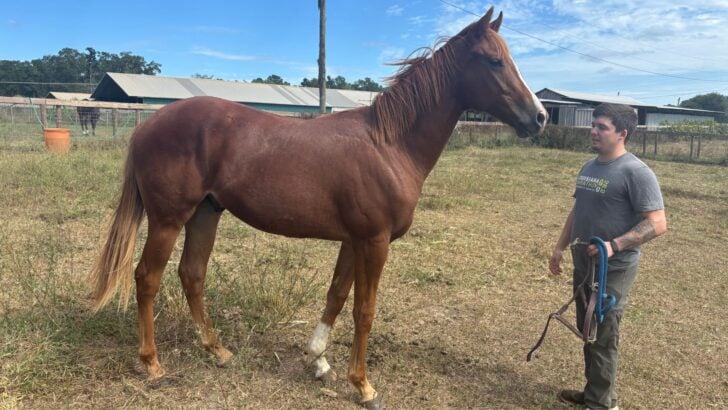
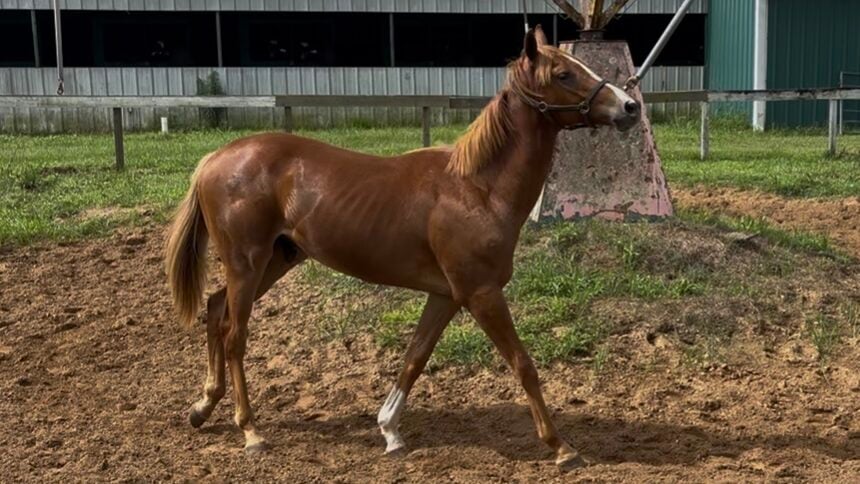
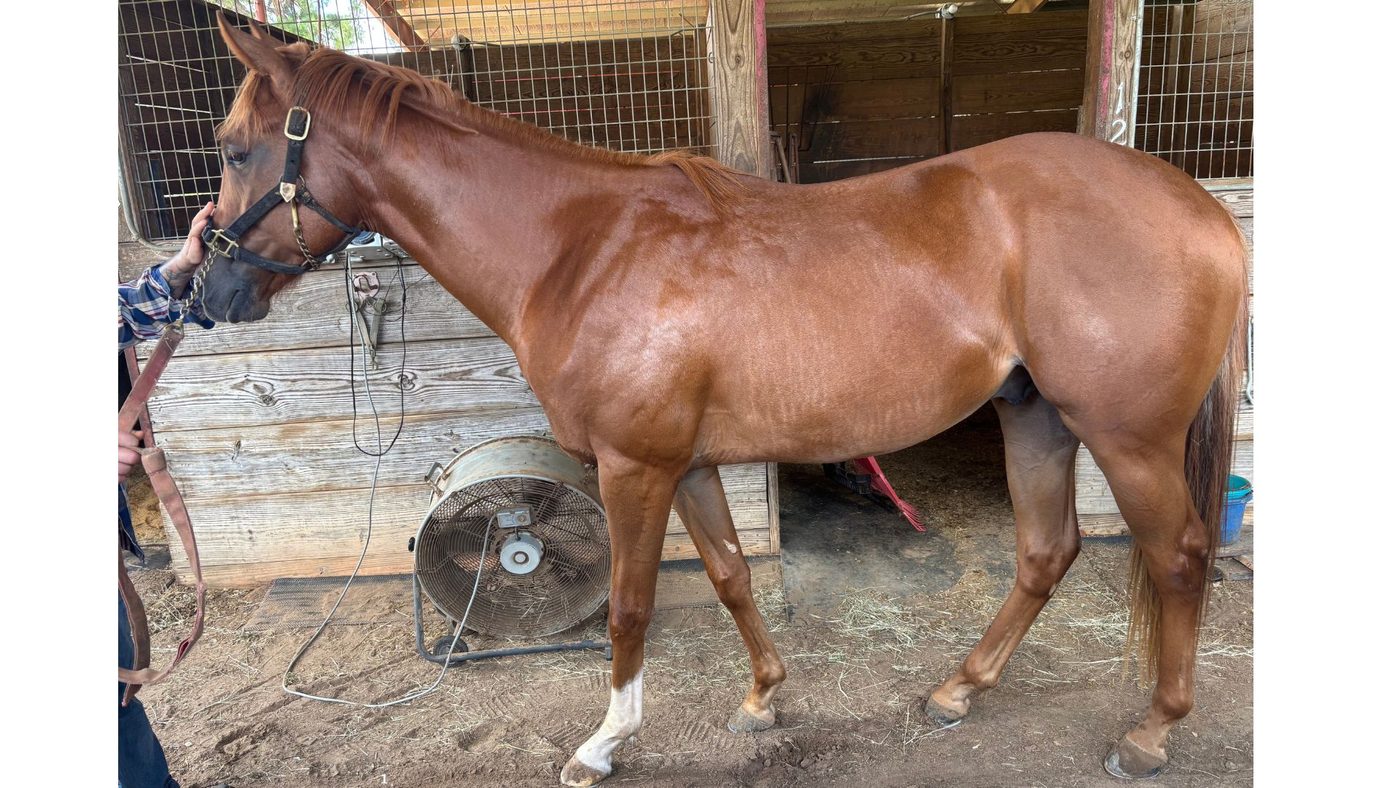
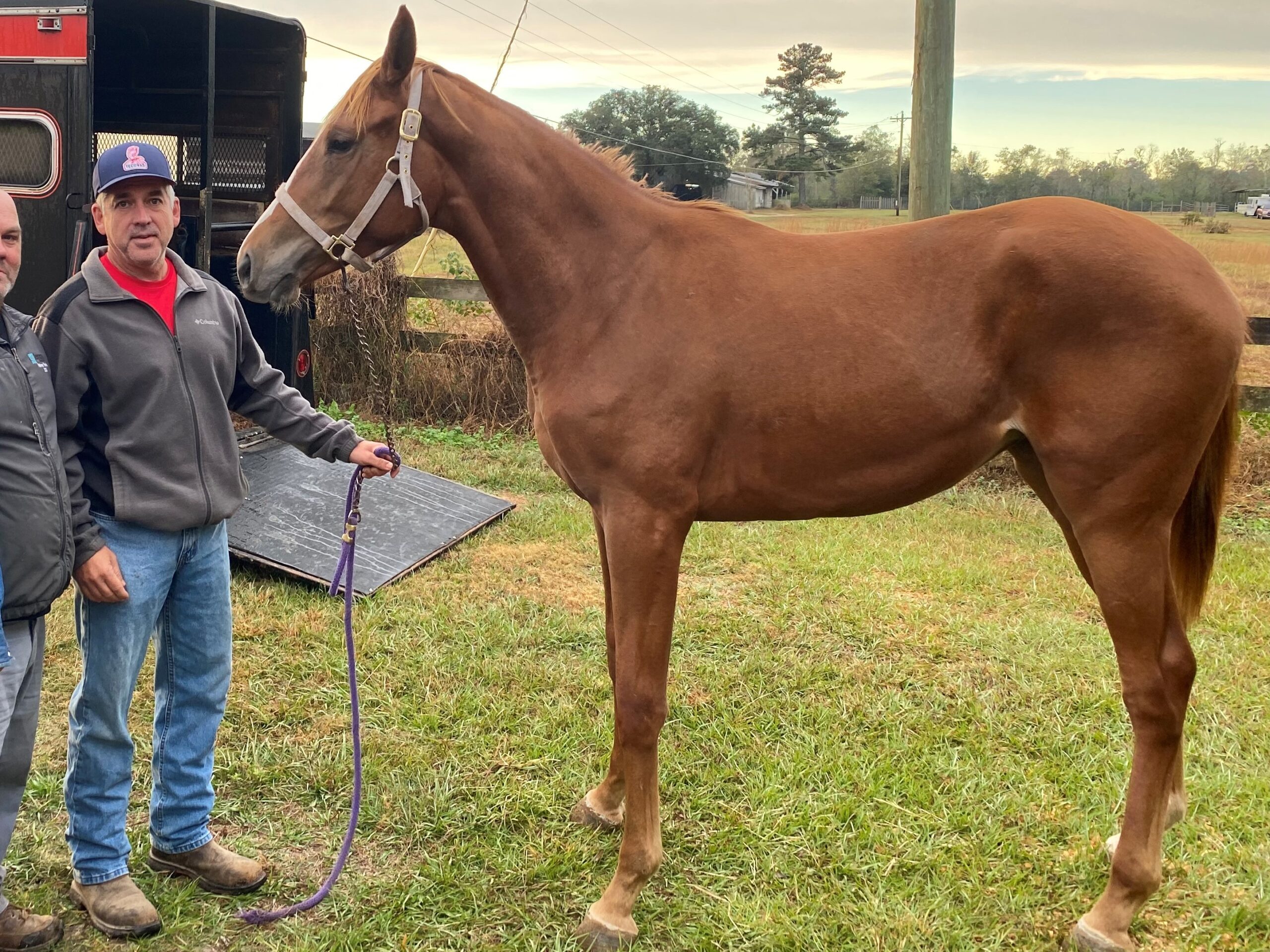
I bought Astrology’s Protégé as a $1,000 yearling. More than one person recommended gelding him early. He was not perfect every day, but he was manageable. He trained, shipped, and handled his job. That mattered more to me than the opinion that every colt without immediate stallion potential should automatically be gelded.
Horseman’s Take: I kept Astrology’s Protégé intact, and he has earned more than $213,000. That does not prove every colt should stay a colt. It proved something simpler to me: make the decision from the horse in front of you. He gave me no medical reason to rush and no repeated behavior problem that was costing him his job. I was comfortable waiting, and the decision worked for him.
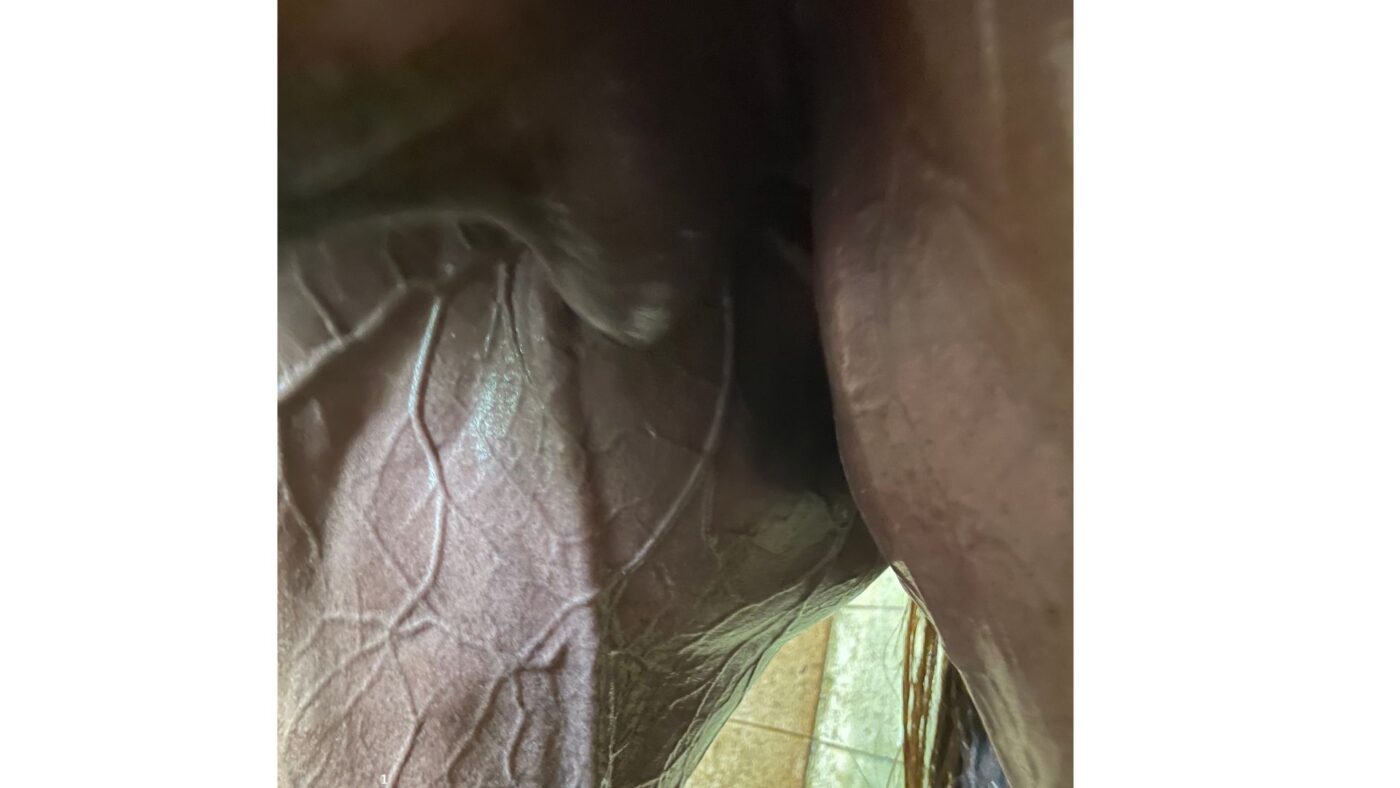
I am working through a different decision now with a Goldencents colt that has one testicle descended and one that has not. That situation starts with veterinary guidance, not pedigree hopes or barn convenience. His bloodline gives me a reason to think carefully about future options, but it does not outweigh his health or welfare. I will update this article only when I have a clear veterinary diagnosis and a decision I can stand behind.

FAQ: Gelding a Racehorse
Does gelding improve a racehorse’s performance?
It can help if being intact is clearly distracting the horse or making training and race-day management harder. It does not create speed, soundness, or talent. A professional colt may show little change, while another horse may train more consistently after gelding.
When is the best age to geld a racehorse?
There is no one best age for every horse. Timing depends on the horse’s health, whether both testicles have descended, behavior, training stage, breeding outlook, and the veterinarian’s recommendation. A medical concern should be handled on the veterinarian’s timeline rather than a general age rule.
Can a gelding run in stakes races?
Yes. Geldings can compete in most races, including many stakes. But conditions vary, and some restricted races or incentive programs may exclude them. Read the current condition book and program rules before making a permanent decision.
What is a ridgling or rig horse?
A ridgling, also called a rig, is a horse with one or both testicles not descended into the scrotum. A veterinarian should evaluate the horse and discuss the appropriate treatment because the surgical plan is different from routine castration.
How long does a racehorse need to recover after gelding?
Recovery varies with the horse, the procedure, and any complications. Your operating veterinarian should provide the plan for monitoring, exercise, turnout, medications, and return to training. Do not rely on a generic internet schedule for a surgical case.
Gelding is not a shortcut to talent, and keeping a colt intact is not automatically the better choice. Look at the horse in front of you: his welfare, behavior, ability, soundness, realistic breeding prospects, and the conditions in which he has to train and race. If a veterinarian identifies a medical concern, handle that first. If the decision is elective, take the time to make one you can stand behind.
About Miles Henry
Racehorse Owner & Author | 30+ Years in Thoroughbred Racing
Miles Henry (legal name: William Bradley) is a professional horseman based in Folsom, Louisiana. He holds Louisiana Racing License #67012 and has spent over three decades managing Thoroughbreds at premier tracks including Fair Grounds, Delta Downs, and Evangeline Downs.
Expertise & Hands-On Experience: Beyond the track, Miles has decades of experience in specialized equine care, covering everything from hoof health and nutrition to training protocols for Quarter Horses, Friesians, and Paints. Every guide on Horse Racing Sense is rooted in this “boots-on-the-ground” perspective.
30 of their last 90 starts
Equibase Profile.

Connect with Miles: