
Last updated: September 8, 2026
There isn’t a reliable national census that ranks every living horse in the United States by breed. So this is a practical list of breeds commonly encountered in American horse culture—not a strict population ranking.
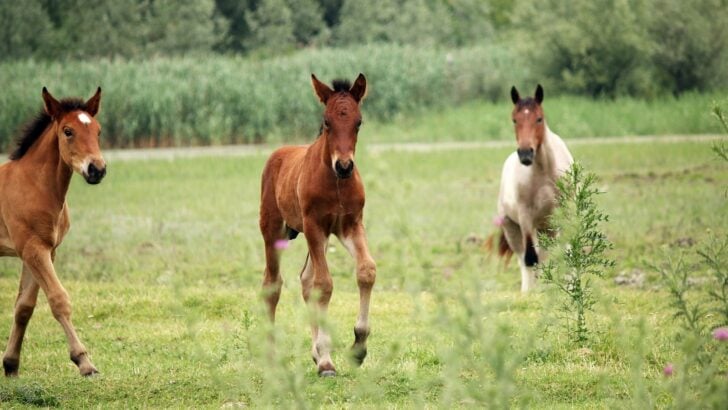
Seven horse breeds commonly seen in the United States are the American Quarter Horse, Thoroughbred, American Paint Horse, Arabian, Morgan, Tennessee Walking Horse, and Mustang. They became popular for different reasons: ranch work, racing, trail riding, endurance, smooth gaits, family use, and all-around versatility.
If you’re still sorting through the bigger picture, start with my horse breeds guide. This article focuses on what these familiar breed names can—and can’t—tell you when you’re looking at a real horse.
Common U.S. Horse Breeds at a Glance
These breeds overlap in what they can do. A Quarter Horse may work cattle, run barrels, or carry a family down the trail. A Thoroughbred may leave the racetrack and become an event horse or foxhunter. Still, each breed’s traditional job helps explain why it’s familiar in the United States.
| Breed or Type | Often Seen In | What Stands Out | Owner Perspective |
|---|---|---|---|
| American Quarter Horse | Ranch work, western events, trails, racing | Compact, powerful, versatile stock-horse type | Ranch horses and performance prospects can be very different rides |
| Thoroughbred | Racing, eventing, jumping, polo, pleasure riding | Speed, stamina, athleticism, forward feel | Training and soundness matter more than its race record |
| American Paint Horse | Western events, ranch work, trails, racing | Stock-horse ability with white coat patterns | Don’t let color outweigh training, feet, and temperament |
| Arabian | Endurance, trails, showing, distance work | Endurance, intelligence, refinement | Responsive doesn’t automatically mean too much horse |
| Morgan | Driving, showing, trails, pleasure riding | Versatile, compact, expressive | Type and energy level vary within the breed |
| Tennessee Walking Horse | Trail riding, pleasure riding, showing | Smooth, ground-covering gaits | Watch it move and ask about training and hoof care |
| Mustang | Adoption, trails, ranch work, competition | Hardy, sure-footed, adaptable | A trained Mustang isn’t the same as an unstarted one |
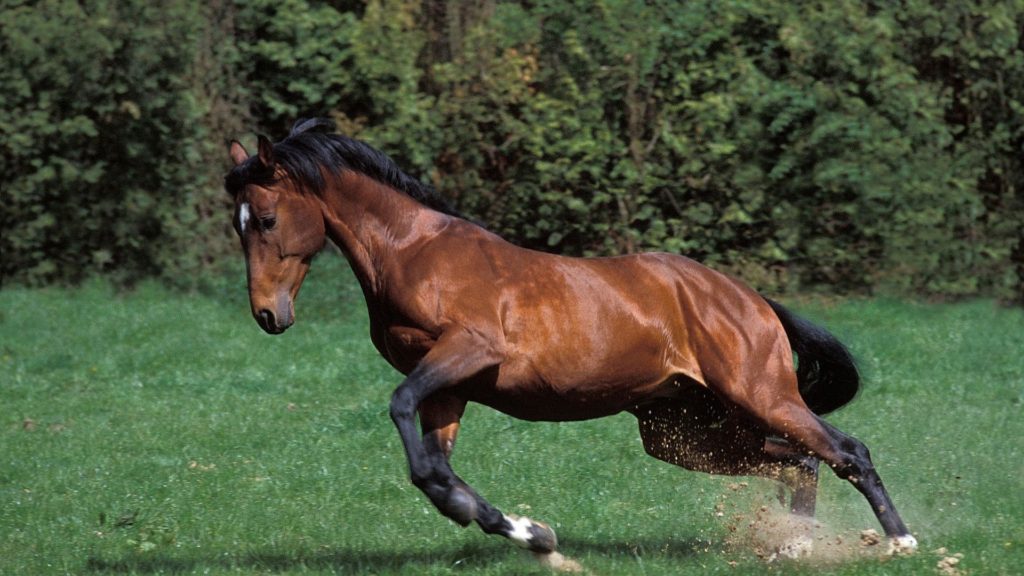
Miles’s Take: I was raised around Quarter Horses and Appaloosas, and most of my adult horse experience has been with Thoroughbreds and the racing business. What I’ve learned is that a breed gives you a starting point, not a buying decision. A horse’s training, soundness, mind, and history with the job you want done tell you a lot more than a breed stereotype ever will.
Why Breed Doesn’t Tell You Everything About a Horse
A breed gives you useful clues. It may tell you what kind of work breeders selected for, the general build you might expect, and the disciplines where you’re likely to see that horse. It doesn’t tell you whether the individual horse is quiet, nervous, forgiving, athletic, sound, green, dominant, or right for the rider standing beside him.
That’s where first-time buyers can get into trouble. They hear Quarter Horses are gentle, Arabians are spirited, Thoroughbreds are difficult, or Morgans are quiet, then treat the label as a guarantee. In real life, a seasoned Arabian may be safer than a young Quarter Horse, and a quiet former racehorse may be a better fit than an unhandled prospect from a supposedly beginner-friendly breed.
When I’m evaluating a horse, I want to know what he does in ordinary barn life. Can he be caught, led, tied, loaded, bathed, tacked up, and handled for the farrier? Is he sound for the work I have in mind? Has he already done that work with riders whose skill level is similar to mine or the buyer’s? Those answers are worth far more than trying to predict the horse from his breed alone.
1. American Quarter Horse
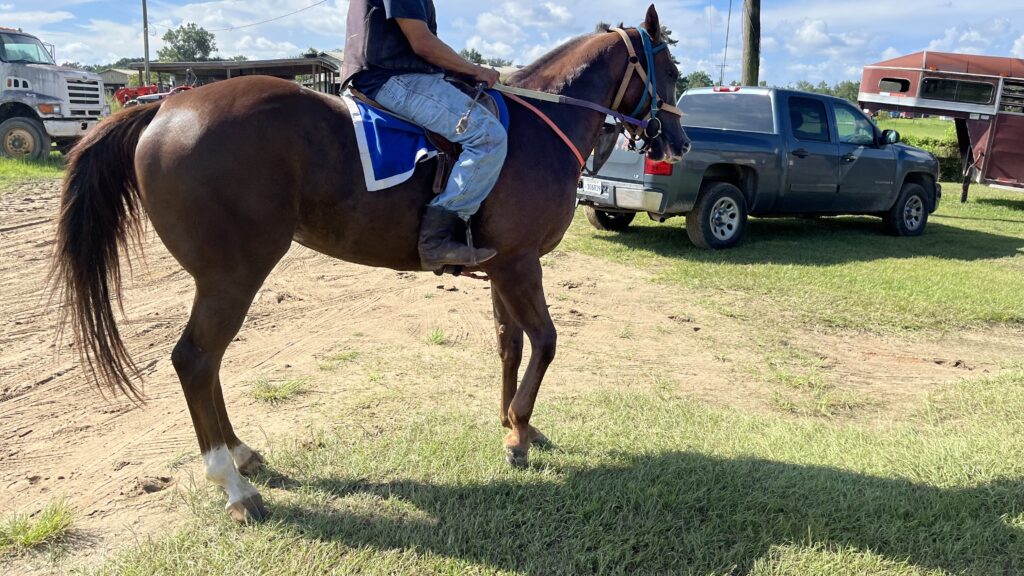
The American Quarter Horse is widely regarded as one of the most common horse breeds in the United States. You’ll see them working cattle, running barrels, competing in cutting and reining, trail riding, carrying young riders at local shows, and sprinting in Quarter Horse races. Few breeds cover as much ground in American horse life.
Most Quarter Horses have the compact, strong build people associate with a stock horse: good depth through the body, a powerful hindquarter, and enough athleticism to be quick on a cow or explosive over a short distance. But there’s a lot of variation within the breed. A race-bred horse, a halter horse, a cutting horse, and a longtime ranch gelding can look and feel like very different animals.
The American Quarter Horse Association reports more than 7 million horses registered worldwide since 1940. That isn’t a count of every living Quarter Horse in the country, but it helps explain why the breed is so widely encountered.
Many Quarter Horses make excellent beginner mounts, but I wouldn’t make that decision from breed alone. A broke, patient gelding that’s safely carried inexperienced riders is a different horse from a young, athletic prospect bred for barrels, roping, cow work, or racing. For a fuller profile, see my guide to the American Quarter Horse.
2. Thoroughbred
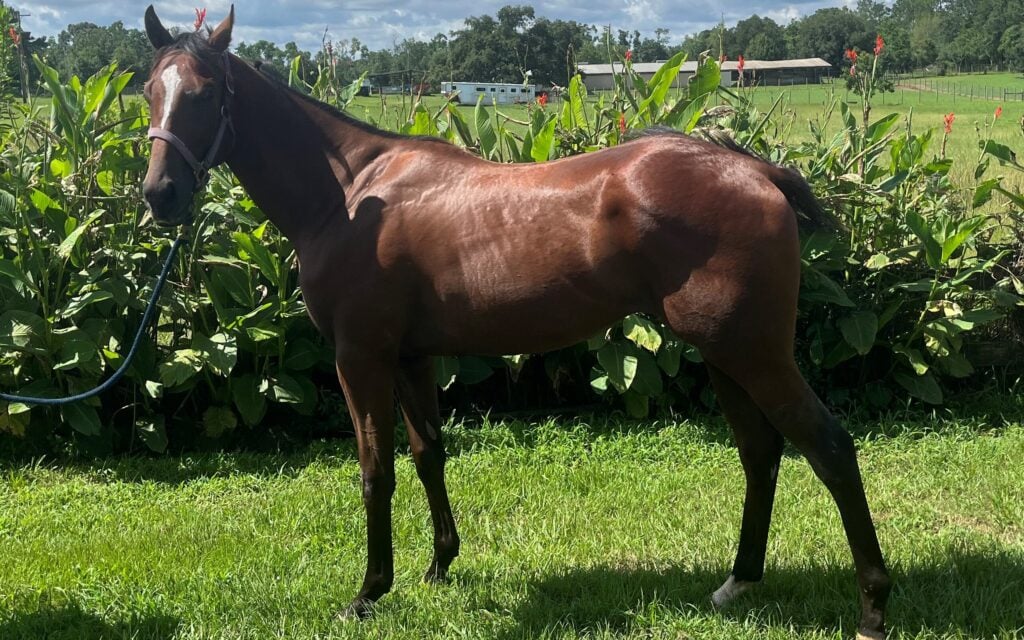
Thoroughbreds are best known as racehorses, but they’re far more than that. When their racing careers end, many go on to eventing, show jumping, foxhunting, polo, trail riding, pleasure riding, and other second careers. Their athleticism and stamina make them a major part of American horse culture on and off the racetrack.
Having owned and managed racehorses, I’d describe most Thoroughbreds as alert, athletic, and sensitive to their environment. That doesn’t mean they’re all difficult or unsuitable for amateurs. A well-handled Thoroughbred with good retraining can be kind, sensible, and very rewarding. A young, sore, anxious, or poorly restarted horse can be a poor match for a rider who needs something forgiving.
If you’re looking at an off-track Thoroughbred, go beyond the race record. Ask how long the horse has been out of training, what he’s done since leaving the track, how he is on the ground, whether he loads and stands well, and whether he’s sound for his next job. The Jockey Club is the North American registry for Thoroughbreds and is a useful place to verify registration and pedigree information.
I cover one part of the ownership conversation in my article on Thoroughbred hoof problems and hoof quality.
3. American Paint Horse
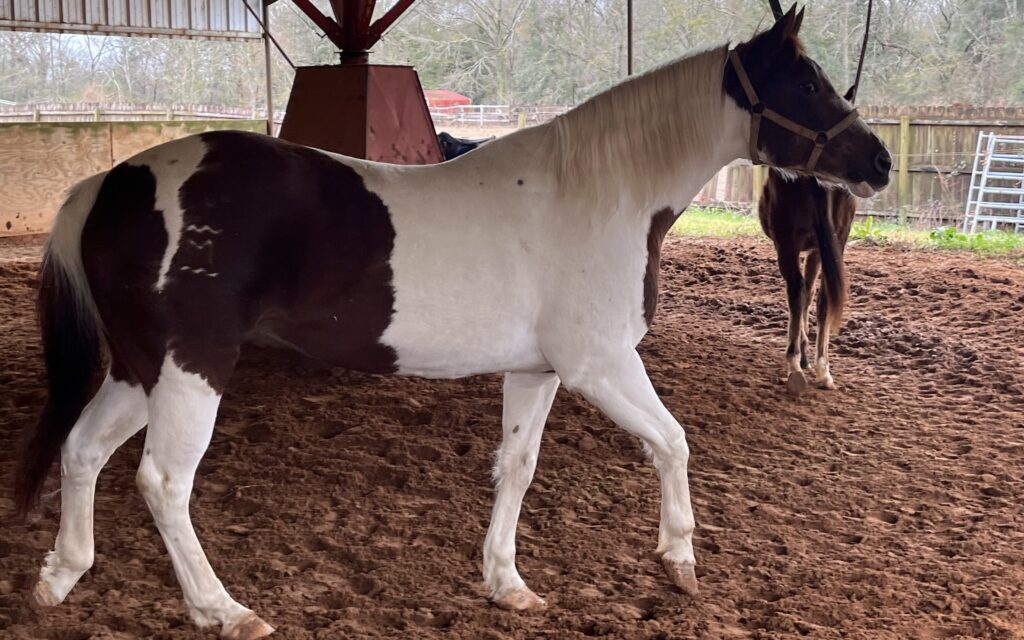
The American Paint Horse is one of the most recognizable horses in the country because of its white-and-dark coat patterns. But Paint Horses aren’t just colorful horses. They’re a distinct breed with a stock-horse background, and you’ll find them in western events, ranch work, trail riding, pleasure riding, English classes, and racing.
You’ll often hear the terms tobiano, overo, and tovero used to describe Paint patterns. Color is part of the appeal, but it should be the least important part of a serious buying decision. A flashy coat doesn’t tell you whether a horse has good feet, a usable mind, correct conformation, suitable training, or a soundness history that fits what you want to do.
We owned a Paint mare that was patient enough to put up with plenty of beginner mistakes around the barn, but she was also clever enough to investigate anything left within reach. Our daughter learned not to leave a cup of Starbucks coffee where the mare could get to it. That’s not a breed rule; it’s simply a reminder that a kind horse can still be bright, curious, and very capable of making his own entertainment.
The American Paint Horse Association explains the breed’s registration requirements and the relationship between Paint, Quarter Horse, and Thoroughbred bloodlines. You can also read my full guide to American Paint Horse colors, facts, and pictures.
4. Arabian
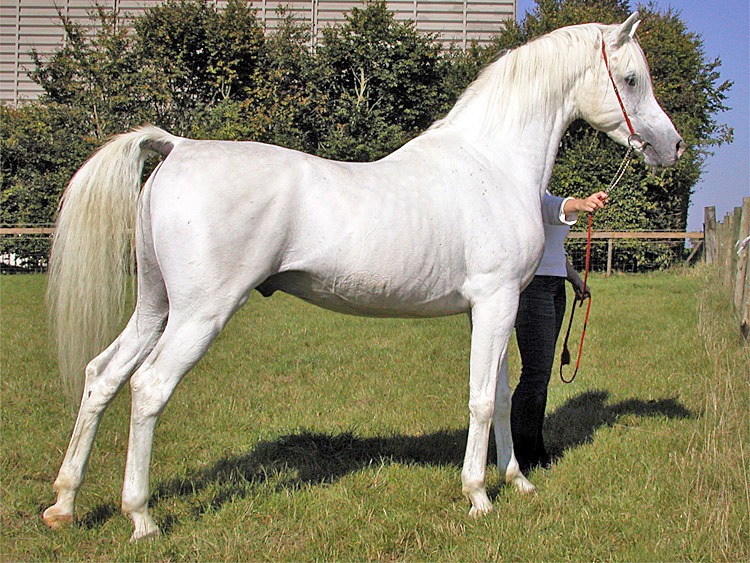
Arabians are one of the world’s oldest and most recognizable horse breeds. Their refined heads, arched necks, high tail carriage, and compact bodies make them easy to spot, while their endurance and close connection with people explain why they’ve stayed popular for centuries.
They’re strongly associated with endurance riding, but Arabians also show up in trail programs, English and western classes, saddle-seat competition, pleasure riding, polo, cutting, and breeding programs. I’ve watched Arabians work cattle, and that’s a good example of why it’s a mistake to narrow this breed to endurance alone.
People sometimes use “hot” as a shortcut for Arabian temperament. I think it’s more useful to say that many Arabians are intelligent, observant, and responsive. Those qualities can make a trained Arabian a terrific partner, but they can also expose rough handling, inconsistent riding, or a buyer who wants a horse that ignores everything around him.
The Arabian Horse Association is a good official starting point for readers researching breed characteristics and registration. For more background, read my article on the history of the Arabian horse.
5. Morgan

The Morgan is one of the earliest breeds developed in the United States. Every registered Morgan traces to the stallion Figure, later known as Justin Morgan, a horse remembered for strength, athletic ability, and usefulness. The breed earned its reputation at a time when one horse might have to pull, carry, work, and travel.
That versatility still defines the Morgan. You’ll find Morgans in driving, saddle-seat competition, trail riding, pleasure riding, western and English classes, and family programs. They’re often compact and expressive, with a lot of presence for their size. They also vary in type, so don’t assume every Morgan will have the same build, movement, or way of going.
A trained, steady Morgan can be an excellent all-around horse. Still, compact doesn’t mean slow, dull, or automatically beginner-safe. I’d evaluate a Morgan exactly as I would any other horse: how he handles, what he’s trained to do, how he moves, whether he’s sound, and whether his energy level fits the rider.
The American Morgan Horse Association has a useful history of Figure and the breed’s development. You can also read my guide to Morgan horse colors, origin, and temperament.
6. Tennessee Walking Horse

The Tennessee Walking Horse is one of the best-known gaited breeds in the United States. It was developed in the South as a comfortable, useful riding horse, and its signature running walk remains the feature most riders notice first. The running walk is a smooth, ground-covering four-beat gait that can make long trail miles easier on the rider.
Breed standards select for natural gait, but the quality, consistency, and comfort of an individual horse’s gait still vary. Training, balance, hoof care, shoeing, soundness, and the horse’s own conformation all affect what you feel under saddle. So don’t judge a Tennessee Walker only by how smooth he feels for a few minutes.
Watch the horse move freely, see how he behaves in ordinary handling, ask about shoeing and hoof care, and make sure his training fits the riding you actually plan to do. A quiet, seasoned Tennessee Walker can be a wonderful trail partner for the right rider. A young, undertrained, or poorly managed one can be too much for that same rider.
The Tennessee Walking Horse Breeders’ and Exhibitors’ Association is the official registry and a useful source for breed and registration information. If you’re considering one, see my article: Should You Buy a Tennessee Walking Horse?
7. Mustang
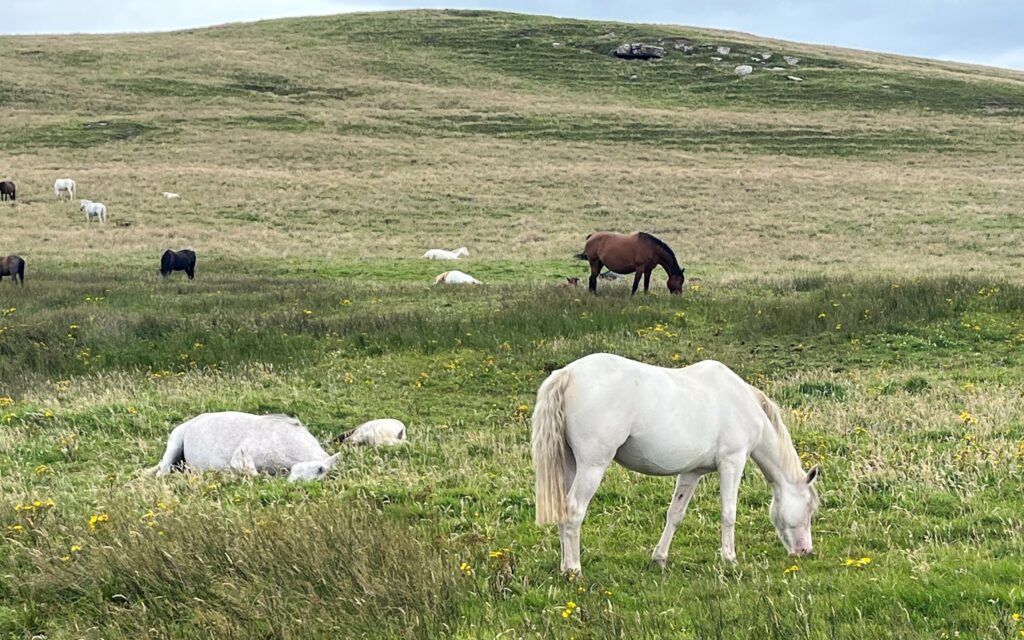
Mustang is different from the registered breed names on this list. The term generally refers to free-roaming horses in the western United States, not one standardized breed with a single conventional studbook. Their ancestry differs by herd and may include Spanish, ranch, cavalry, and other domestic-horse bloodlines.
Mustangs are managed on western public lands through the Bureau of Land Management’s Wild Horse and Burro Program. Eligible people can adopt or purchase them through BLM programs, which is why Mustangs now show up in trail homes, ranch work, mounted shooting, horse-training competitions, and many other settings far from the western ranges.
A Mustang that’s been gentled and has real riding miles can be a tough, sure-footed, intelligent horse. A newly adopted, untrained Mustang is an entirely different project. The latter requires safe facilities, time, patience, and either capable horse-training skills or a trainer who knows how to work with one. A low adoption fee doesn’t make an untrained horse a low-cost or low-risk first horse.
For current requirements, use the BLM’s official guide to adopting or purchasing a wild horse or burro. You can also read my guide to Mustang horse types, uses, and characteristics.
What Breed of Horse Is Easiest to Own?
The easiest horse to own usually isn’t determined by breed. It’s usually a mature, sound, trained horse with a good mind and a history of doing the work you need him to do. That could be a Quarter Horse, Morgan, Paint Horse, Tennessee Walker, Arabian, Thoroughbred, grade horse, or crossbred horse.
For a first-time buyer, I’d put these questions ahead of a breed reputation:
- Has this horse safely done the job I want him to do?
- Does he have the age, experience, and training to forgive mistakes?
- Is he sound enough for my intended use, and can I verify his history?
- Is he manageable to catch, lead, tie, tack up, load, and handle for routine care?
- Has a trainer or experienced horseman who knows me seen this exact horse?
- Will a veterinarian conduct a pre-purchase exam that represents my interests?
A quiet, proven 12-year-old trail horse is often a better first purchase than a beautiful young prospect from a breed with a reputation for being easy. That may not be the exciting answer, but it’s the answer that tends to keep people safe and enjoying horses.
FAQ
What is the most common horse breed in the United States?
The American Quarter Horse is widely regarded as one of the most common horse breeds in the United States. Its large registry and use in western events, ranch work, trail riding, pleasure riding, and racing help explain its reach. However, there isn’t a single national census that counts every living U.S. horse by breed, so a precise nationwide ranking is difficult to prove.
What breed of horse is easiest to own?
The easiest horse to own usually isn’t determined by breed. A mature, trained horse with a good temperament, verified soundness, and experience doing the job you need is usually a better choice than a young horse from a traditionally easy breed. The individual horse’s training and history matter more than the label on its papers.
What horse breed is best for a beginner?
No breed is automatically best for a beginner. A good beginner horse is typically mature, sound, well trained, forgiving, and experienced in the work the new rider wants to do. Quarter Horses, Paint Horses, Morgans, Tennessee Walking Horses, Arabians, Thoroughbreds, grade horses, and crossbreds can all include suitable beginner horses when the individual horse is the right match.
Are Thoroughbreds only racehorses?
No. Thoroughbreds are bred for racing, but many have successful second careers in eventing, show jumping, foxhunting, polo, trail riding, and pleasure riding. Their suitability depends on the individual horse’s soundness, temperament, retraining, and the rider’s experience.
Is a Mustang a horse breed?
Mustang generally refers to free-roaming horses in the western United States rather than one standardized breed like the American Quarter Horse or Morgan. Different Mustang herds have different ancestry. Many are adopted or purchased through the Bureau of Land Management and can become excellent riding horses after appropriate gentling and training.
The horse breeds commonly seen in the United States are familiar because they fit different parts of American horse life: ranch work, racing, endurance, trail riding, driving, showing, and family use. Breed is useful when you’re narrowing the field, but it should never be the last word. Choose the individual horse whose training, soundness, disposition, and experience fit the work you need him to do.
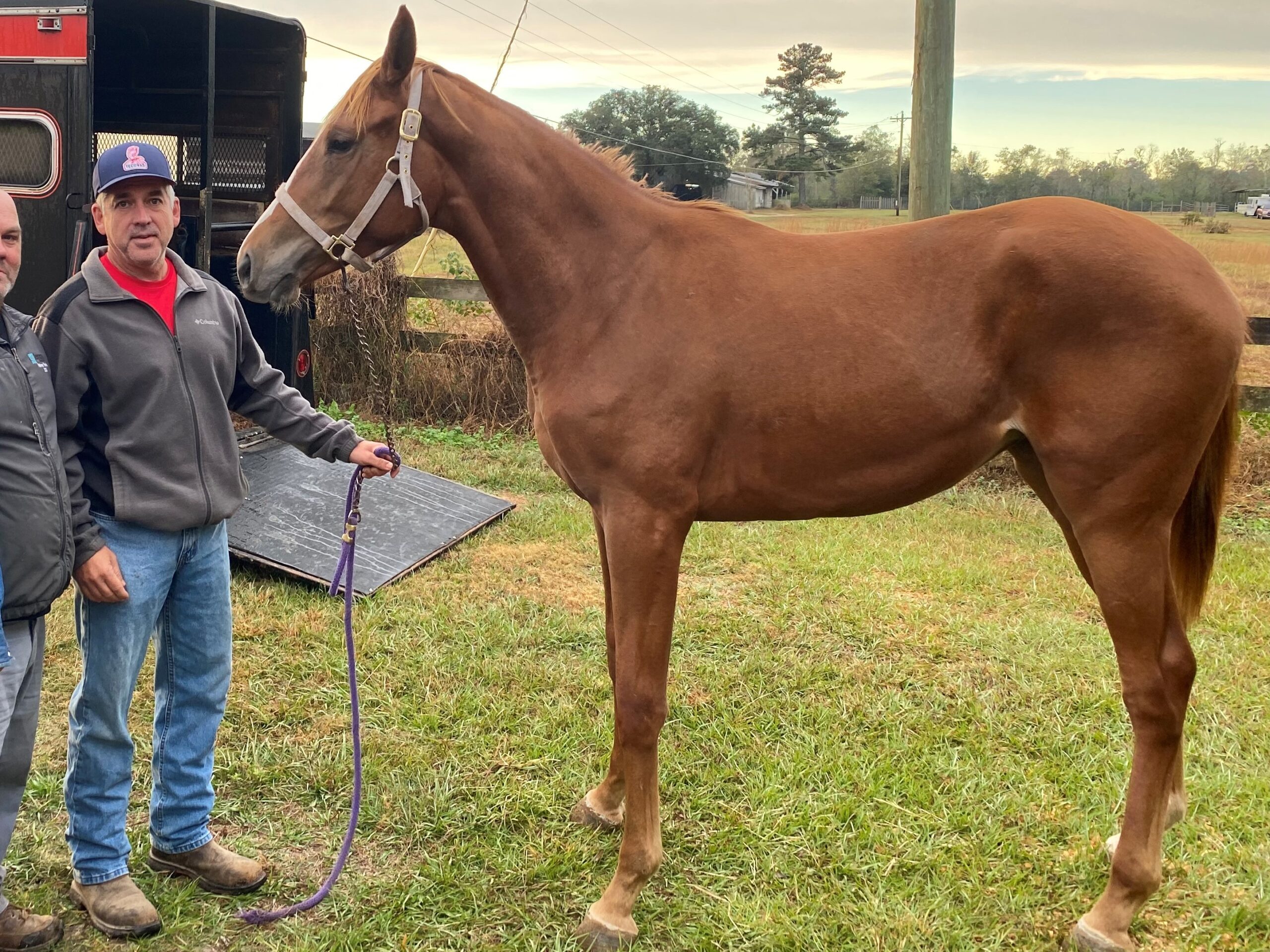
About Miles Henry
Racehorse Owner & Author | 30+ Years in Thoroughbred Racing
Miles Henry (legal name: William Bradley) is a professional horseman based in Folsom, Louisiana. He holds Louisiana Racing License #67012 and has spent over three decades managing Thoroughbreds at premier tracks including Fair Grounds, Delta Downs, and Evangeline Downs.
Expertise & Hands-On Experience: Beyond the track, Miles has decades of experience in specialized equine care, covering everything from hoof health and nutrition to training protocols for Quarter Horses, Friesians, and Paints. Every guide on Horse Racing Sense is rooted in this “boots-on-the-ground” perspective.
30 of their last 90 starts
Equibase Profile.

Connect with Miles: