
Last updated: September 18, 2026
Choosing a first horse can feel overwhelming, especially when every seller says their horse is “quiet” or “beginner-safe.” The trouble is that those labels can mean very different things, and the wrong match can shake a new rider’s confidence fast.
Best horse breeds for beginners: Quarter Horses, Morgans, Welsh Ponies, Tennessee Walking Horses, and American Paint Horses are common choices because many have traits that suit new riders. But breed only starts the conversation – training, temperament, and experience carrying beginners matter more.
Below, I’ll show you which breeds are often worth considering, what I’d look for before buying any horse, and the warning signs that tell me a prospect is probably too much for a first-time owner.
Table of Contents
How to Choose the Right First Horse
From watching beginners succeed – and struggle – with their first horses, I’ve learned that temperament, training, and lifestyle fit matter far more than breed. This is the matching I use when someone asks my opinion:
| Your Situation | Best Match | Why |
|---|---|---|
| Riding 1-2 times a week | Older, school-trained horse | Inconsistent riding calls for a horse that stays settled without daily work |
| Nervous or first-time rider | Low-reactive temperament | A calm baseline keeps a startle from becoming a fall |
| No trainer access | Finished, “push-button” horse | A green horse and a green rider are a risky combination |
| Family or children involved | Seasoned horse or pony with proven beginner experience | Safe ground manners and a history with novice riders matter as much as saddle safety |
For many first-time owners, an experienced horse somewhere in the 10-18 year range can be a good place to start. Age alone doesn’t make a horse safe, and an older horse may come with maintenance needs, but miles, training, soundness, and a dependable mind are usually worth more than youth.

A lesson I learned early: A new rider I knew wanted a young, flashy horse she could “grow with.” On paper he seemed like a good prospect. In reality, he needed more consistent riding and confidence than she had at that stage. Later, she rode a plain bay 14-year-old gelding instead – nothing fancy, but he carried her safely for years and let her build real skills before she moved up. The best first horse is rarely the most exciting one. It’s the one that makes mistakes manageable instead of dangerous.
What Makes a Horse Beginner-Friendly?
Temperament, size, and training affect safety and confidence more than breed alone. A well-matched horse lets a new rider focus on learning instead of managing avoidable problems.
- Temperament: Calm, patient, and forgiving – steady in unfamiliar situations and doesn’t overreact to an unbalanced or unintentional cue.
- Size: Choose a horse the rider can safely mount, lead, groom, and handle with confidence. A smaller horse may feel less intimidating, but quiet manners and a suitable build matter more than height alone.
- Maintenance needs: A horse with straightforward, manageable care needs helps a beginner focus on horsemanship. Still, “easy keeper” doesn’t always mean effortless – a horse that gains weight easily may need careful forage and grazing management.
- Training and experience: A well-trained, seasoned horse is far safer than a young or “project” horse. Horses with real experience carrying novice riders respond more consistently.
I’ve seen plenty of 12-16-year-old lesson horses carry beginners well over the years, and the pattern holds: it’s rarely the breed that causes trouble – it’s a mismatch between the individual horse’s experience and the rider’s.
What to Look For in a Beginner-Safe Horse
Before I worry much about a horse’s breed, I want to see how that individual handles ordinary beginner situations. A horse can have excellent bloodlines and a good reputation, yet still be the wrong match if it lacks experience, is fresh, sore, poorly trained, or simply too reactive for its rider.
- Safe ground manners: The horse should lead, stand tied, pick up its feet, load reasonably, and tolerate grooming and saddling without crowding, dragging, or threatening its handler.
- Consistent behavior after time off: Ask how the horse behaves after a few days without riding. A true beginner horse shouldn’t need to be ridden down before it’s safe for its owner.
- Experience with novice riders: “Kid-safe” and “beginner-safe” are seller terms, not guarantees. Ask who’s ridden the horse, at what level, and in what setting.
- A calm response to ordinary surprises: You’re not looking for a horse that never notices anything. You’re looking for one that looks, thinks, and settles instead of escalating.
- Soundness and comfort: A horse that’s sore, lame, poorly fitting in its tack, or uncomfortable under saddle may act like a training problem when it’s really in pain.
- A realistic trial and pre-purchase exam: Ride the horse more than once if possible, have your instructor or trainer evaluate it, and use an independent veterinarian for the pre-purchase exam.
A pre-purchase exam doesn’t guarantee a horse will stay sound or never develop a problem. It gives you and your veterinarian information about the horse’s condition at that time so you can decide whether it’s suitable for the job you want it to do.
Horse Breeds That Often Work Well for Beginners
American Quarter Horse

If I had to put one breed at the top of a beginner’s shopping list, it would often be the Quarter Horse – not because every one is quiet, but because the breed is common, versatile, and well represented in trail, ranch, and lesson settings. That gives a buyer more chances to find an older, finished horse with the kind of training a true beginner needs. I’ve seen young riders gain real confidence on a plain, older Quarter Horse that wasn’t flashy but knew its job inside and out.
- Size: Typically 14-16 hands and 950-1,200 pounds. Many are a practical size for adult riders, but ground manners and rider fit matter more than the number on the measuring stick.
- Maintenance: Often straightforward to manage, but many are easy keepers and may need a careful feeding and grazing plan to stay at a healthy weight.
- Suitability: Versatile enough for trail riding, ranch work, western pleasure, or local schooling shows without switching horses.
Morgan Horse
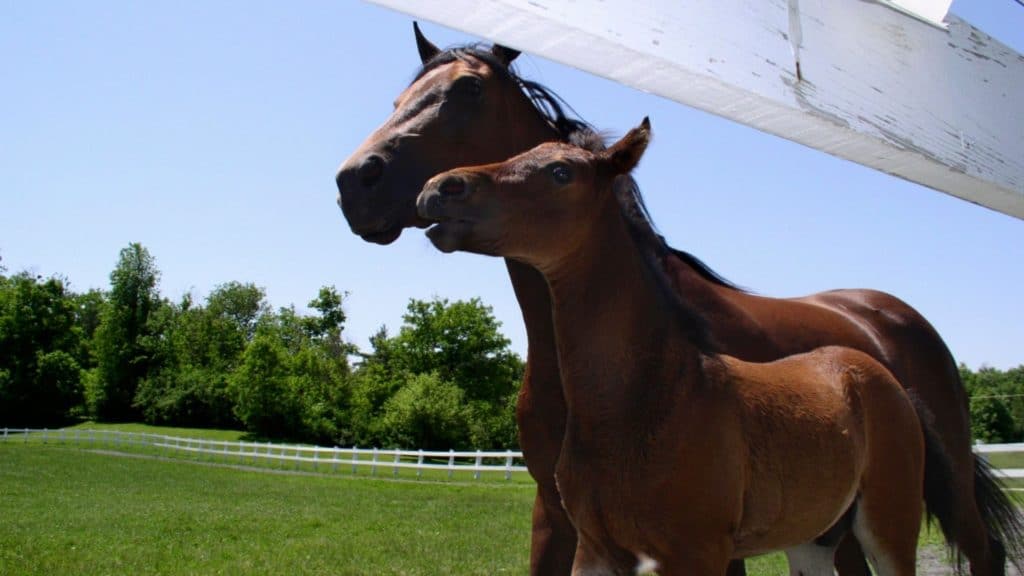
Morgans are worth a serious look for smaller adults, teens, and families who want one horse that can do more than one job. Many are people-oriented, hardy, and versatile, but I’d still judge the individual carefully – some are forward and energetic enough that they’re better for a confident beginner than someone riding entirely on their own.
- Size: Often 14-15 hands and about 900-1,100 pounds. Their compact size can suit smaller adults and teens, but rider confidence and the horse’s ground manners matter more than height alone.
- Maintenance: Often compact, versatile horses – evaluate the individual’s condition, soundness, and management needs like any other prospect.
- Suitability: A quiet, well-trained Morgan can suit pleasure riding, dressage, driving, or local competition. Test the individual’s energy level and responsiveness before assuming it’s a beginner match.
Welsh Pony

Welsh Ponies can make excellent first mounts for children and smaller adults, especially when they’ve been used in a reputable lesson program. The Welsh breed includes several very different types, from small Section A ponies to larger, stronger Cobs, so shop the individual rather than assuming every Welsh is the same. A sensible, well-schooled Section B is often a practical size for a young rider, but even a small pony needs respectful ground manners and an appropriate rider match. The Welsh Pony and Cob Society notes their intelligence and eagerness to please, which lines up with what I’ve seen in well-run lesson programs.
- Size: Typically under 14 hands and about 400-700 pounds. Their smaller size can suit younger riders, provided the pony has safe manners and is an appropriate match for the child’s ability.
- Maintenance: Generally hardy, but many are easy keepers and may need careful weight and pasture management.
- Suitability: Versatile across driving, dressage, and pleasure riding as a rider’s interests grow.
Tennessee Walking Horse

The Tennessee Walking Horse is widely appreciated for its smooth four-beat running walk, and many are known for an easygoing trail-horse temperament. For riders who find a posting trot difficult or uncomfortable, the running walk can feel smoother and easier to sit than a typical trot.
I grew up with friends who raised them – on overnight camping trips, we’d ride them into deep creeks, dive off their backs, swim around, and climb back on, and every time, the horses stood patiently waiting. That experience showed me how steady a well-trained Walking Horse can be in a relaxed trail setting, though I’d still evaluate each horse on its own training and behavior.
- Size: Most stand 14.3-17 hands.
- Maintenance: Hardy, low to moderate upkeep.
- Suitability: A properly trained, calm Tennessee Walker can be an appealing choice for a new rider, particularly one who values a smooth gait.
American Paint Horse
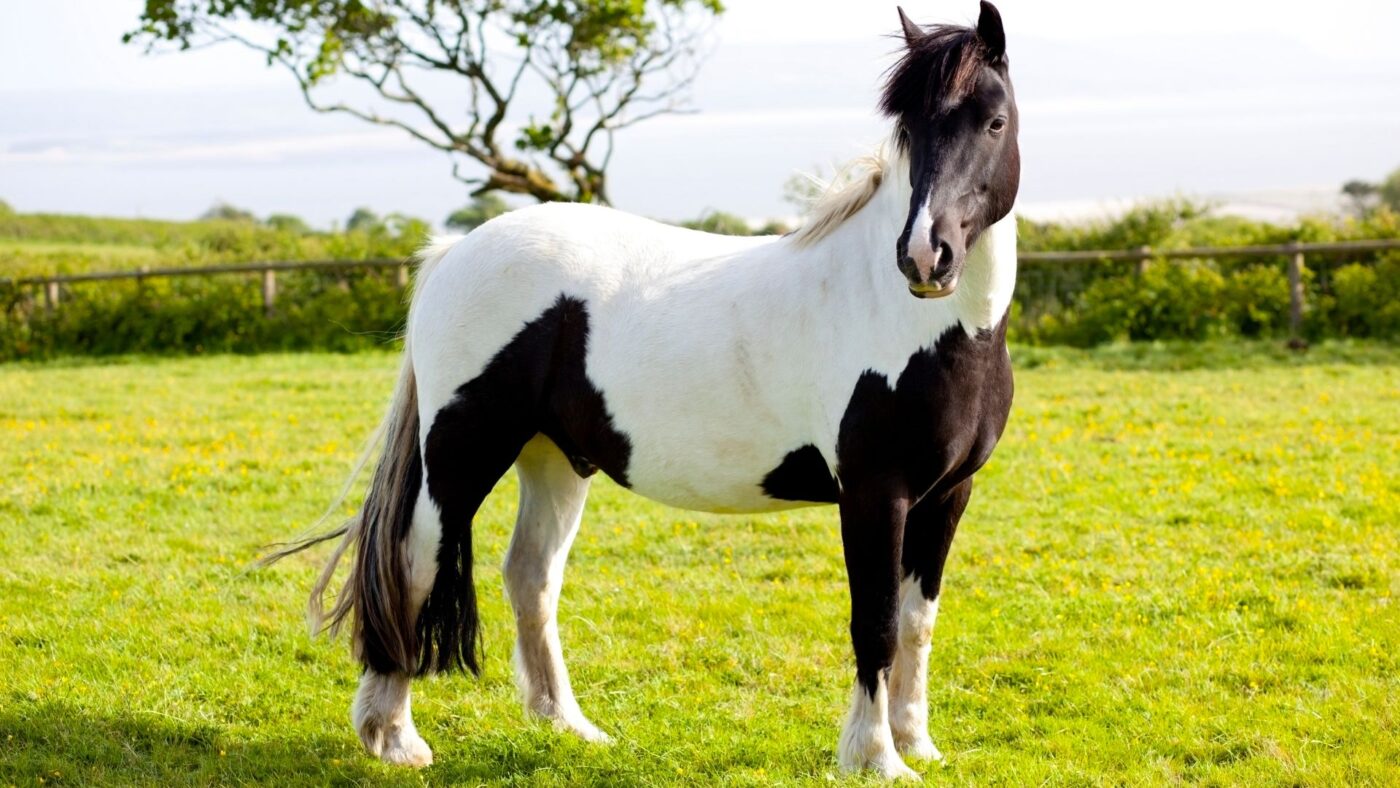
American Paint Horses are often on the same short list as Quarter Horses because many have similar stock-horse builds, training backgrounds, and uses. If you like the practical, versatile type often found in western and trail programs but want a horse with a tobiano, overo, or other pinto pattern, a well-trained Paint can be a very sensible first-horse prospect. Buy the horse’s mind and training first – the color should be a bonus.
- Size: 14-16 hands, 950-1,200 pounds.
- Maintenance: Many are economical keepers, but easy-keeping individuals still need a feeding plan that guards against excess weight.
- Suitability: Trail riding, western pleasure, and dressage are all realistic options.
| Breed | Typical Size (hh) | Why Buyers Often Consider Them | What to Check First |
|---|---|---|---|
| American Quarter Horse | 14-16 | Common in trail, ranch, and lesson settings; versatile and widely available | Training history, ground manners, and experience with novice riders |
| Morgan | 14-15 | Compact, versatile, and often people-oriented | Whether the individual is too forward for the rider |
| Tennessee Walking Horse | 14.3-17 | Smooth running walk can be comfortable for new or stiff riders | Trail experience, training quality, and behavior after time off |
| Welsh Pony | Usually under 14 | Practical size for children and some smaller adults | Respectful ground manners and an appropriate rider/pony match |
| American Paint Horse | 14-16 | Often shares the stock-horse versatility buyers like in Quarter Horses | Individual training and suitability, not coat color |
Additional Beginner-Friendly Breeds
Several other breeds combine gentle temperaments and smooth rides, making them solid choices as well:
- Icelandic Horse: Worth considering if your goal is mostly trail riding. Their size (13-14 hands) makes them approachable, and their extra gaits appeal to riders who want a comfortable ride without needing a large horse.
- Missouri Fox Trotter: A good fit if a smooth gait matters to you and you’re drawn to trail or ranch-style riding – 14-16 hands, known for a calm temperament.
- Haflinger: 13-15 hands, small, strong, and friendly – a common choice for children or smaller adult riders.
- Clydesdale: Some are exceptionally gentle individuals, but their size makes ground handling, mounting, transport, tack, and vet or farrier costs more demanding for a first-time owner. Have experienced help before choosing one.

Breeds That Need More Experience
Some breeds are more likely to include horses with the energy, sensitivity, athleticism, or specialized training that can challenge an inexperienced rider. That doesn’t make every individual unsuitable. Through years working with Thoroughbreds and Arabians, I’ve found the individual horse varies a lot, so have a knowledgeable horseman evaluate the specific prospect rather than ruling out an entire breed.

- Thoroughbred: Bred primarily for racing, often high-energy and athletic. Off-track Thoroughbreds can sometimes be retrained into calm mounts for a confident beginner with the right support.
- Arabian: Intelligent, enduring, and often highly responsive to their rider. A quiet, seasoned Arabian with a proven history carrying less-confident riders can work well, but a sensitive or forward individual may be too much for someone learning independently.
- Akhal-Teke: Sharp and enduring, often reactive – generally not a first-horse breed.
- Andalusian: Many are intelligent, athletic, and responsive. Those traits can suit an educated amateur, but a sensitive, green, or highly collected horse may not be the easiest first mount for someone learning independently.
Breed is a starting point, not a guarantee. A young Quarter Horse fresh off minimal training can be riskier than a 15-year-old Morgan with years of lesson experience. I’ve seen “hot” breeds turn out steady for a beginner, and calm-breed horses that didn’t work out – individual evaluation always comes first. Never buy without riding the horse yourself (or having your trainer ride it) and getting a proper pre-purchase exam.
Are You Ready for a Horse?
Before buying your first horse, ask yourself these questions honestly. Most beginner problems start here – not with breed choice:
- Can I ride consistently each week?
- Do I have access to a trainer or experienced mentor?
- Am I comfortable handling a 1,000-pound animal on the ground?
- Is my budget realistic for feed, vet, farrier, and tack?
If you answered no to more than one, a seasoned lesson horse or a partial lease is a smart next step, not a setback. Once you’re ready, see my step-by-step guide to buying your first horse and my breakdown of what owning a horse actually costs in the first year.
FAQ
What are the best horse breeds for beginner riders?
Quarter Horses, Morgans, and Welsh Ponies are consistently strong choices thanks to calm, forgiving temperaments and a long track record in lesson programs. Tennessee Walking Horses and American Paints are also solid options.
What’s more important than breed when choosing a first horse?
Training, temperament, and experience carrying less-confident riders usually matter more than breed. A quiet, experienced horse that matches your goals is usually a better first horse than a young horse from a breed known for being “beginner friendly.”
What type of horse should a beginner avoid?
The biggest red flags usually aren’t the breed. Be cautious with horses that are young, poorly trained, inconsistent after time off, have unresolved soundness issues, or have a history that can’t be verified.
What age horse is best for a beginner?
Many beginners do best with a sound, finished horse around 10 to 18 years old, especially one with a history of carrying novice riders. The best age depends on the individual: a well-maintained 19-year-old schoolmaster may be safer than a 10-year-old that’s green, fresh, or inconsistently ridden.
Should a beginner buy a green horse?
Usually not. A green horse needs a consistent, capable rider and regular training, while a beginner needs a horse that already understands its job. Pairing a green rider with a green horse often creates unsafe confusion for both of them.
How many times should I ride a horse before buying it?
Ride the horse more than once when possible, and try it in conditions that resemble how you’ll use it. Have a trainer or experienced instructor ride and handle the horse too. A pre-purchase exam by an independent veterinarian is also an important part of the decision.
Is a gelding better than a mare for a beginner?
Temperament, training, soundness, and handling history matter far more than sex. Many beginners do well with either a mare or a gelding. Some mares show noticeable behavior changes during estrus, while many don’t; some geldings are easygoing, while others aren’t. For a first horse, choose the individual with the safest mind, best training, and strongest record with novice riders.
Selecting your first horse is a real milestone, and the right match – suited to your lifestyle, goals, and experience – can turn riding from a hobby into a lasting passion. Breed narrows the search; an honest look at the individual horse in front of you decides it.
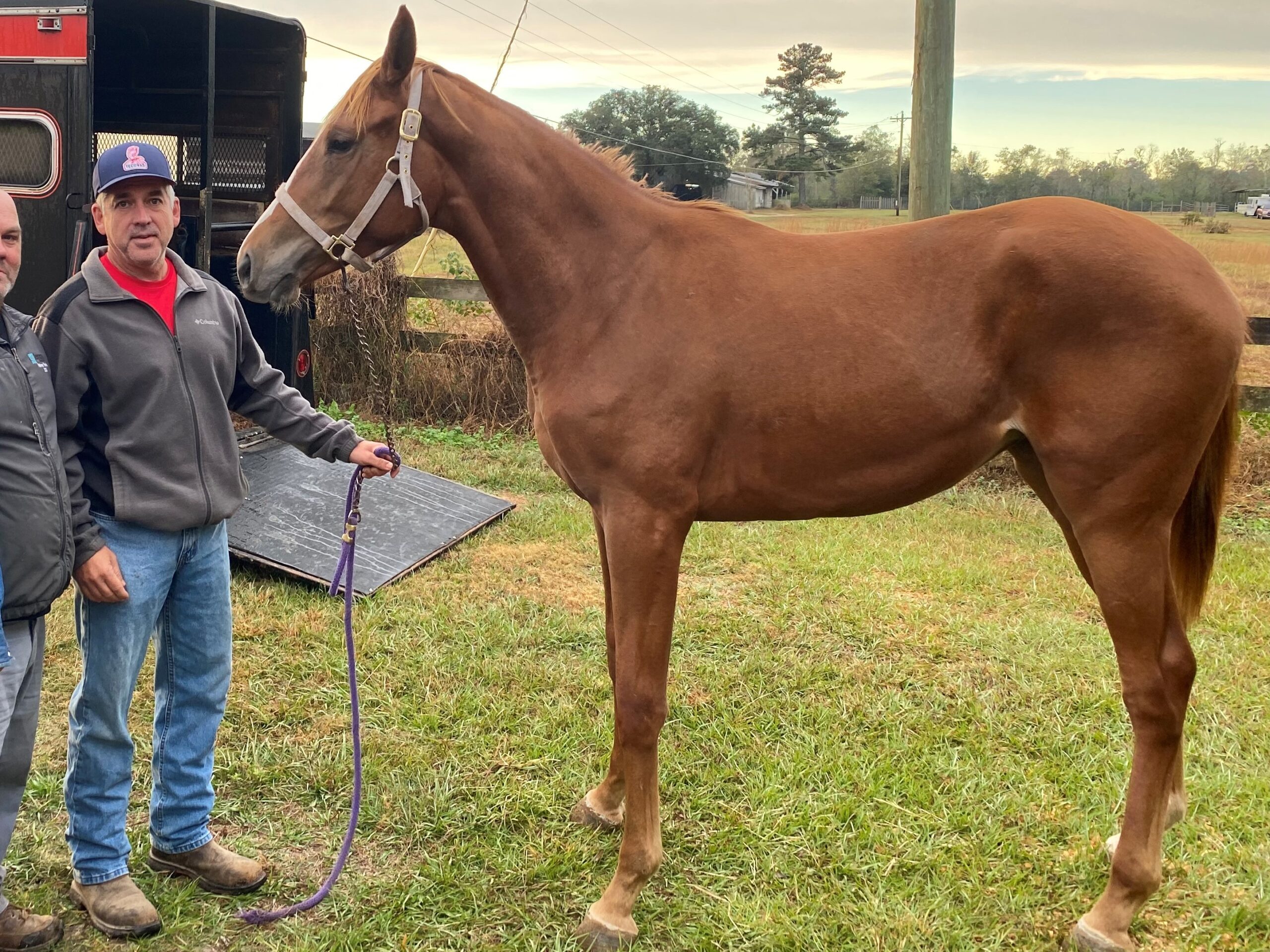
About Miles Henry
Racehorse Owner & Author | 30+ Years in Thoroughbred Racing
Miles Henry (legal name: William Bradley) is a professional horseman based in Folsom, Louisiana. He holds Louisiana Racing License #67012 and has spent over three decades managing Thoroughbreds at premier tracks including Fair Grounds, Delta Downs, and Evangeline Downs.
Expertise & Hands-On Experience: Beyond the track, Miles has decades of experience in specialized equine care, covering everything from hoof health and nutrition to training protocols for Quarter Horses, Friesians, and Paints. Every guide on Horse Racing Sense is rooted in this “boots-on-the-ground” perspective.
30 of their last 90 starts
Equibase Profile.

Connect with Miles: