

Last updated: June 9, 2026
Horse racing has no single world championship. Instead it has twelve races — spread across six countries, five disciplines, and every distance from a 1,200-metre sprint to a four-mile steeplechase — each the most important event of its kind on earth. The Saudi Cup is the richest. The Kentucky Derby is the most famous. The Grand National is the hardest. The Arc assembles the deepest field. Understanding what makes each one matter is the foundation of understanding the global sport.
| Rank | Race | Location | Founded | Purse | Surface | Timing |
|---|---|---|---|---|---|---|
| 1 | Saudi Cup | Riyadh, Saudi Arabia | 2020 | $20M | Dirt | February |
| 2 | Kentucky Derby | Louisville, KY, USA | 1875 | $5M | Dirt | First Saturday in May |
| 3 | Dubai World Cup | Dubai, UAE | 1996 | $12M | Dirt | Late March |
| 4 | The Everest | Sydney, Australia | 2017 | $13M USD | Turf | October |
| 5 | Prix de l’Arc de Triomphe | Paris, France | 1920 | $5.5M | Turf | First Sunday in October |
| 6 | Grand National | Liverpool, England | 1839 | £1M (~$1.25M) | Turf (jump) | April |
| 7 | Melbourne Cup | Melbourne, Australia | 1861 | $5.8M USD | Turf | First Tuesday in November |
| 8 | Breeders’ Cup Classic | Rotates, USA | 1984 | $7M | Dirt | Late October / November |
| 9 | Japan Cup | Tokyo, Japan | 1981 | ~$7M USD | Turf | Late November |
| 10 | Epsom Derby | Surrey, England | 1780 | ~$2.5M USD | Turf | June |
| 11 | Cheltenham Gold Cup | Gloucestershire, England | 1924 | ~$781K USD | Turf (jump) | March |
| 12 | Pegasus World Cup | Hallandale Beach, FL, USA | 2017 | $3M | Dirt | Late January |
How I ranked these races: These races were ranked using five factors: purse size, historical prestige, quality of competition, cultural significance, and influence on breeding and championships. No single factor determined the final order.
Responsible Gaming: Horse racing betting carries significant financial risk. This guide is for educational purposes only. Never bet more than you can afford to lose. If you or someone you know has a gambling problem, contact the National Council on Problem Gambling at 1-800-522-4700.
Table of Contents
1. Saudi Cup — Riyadh, Saudi Arabia
The Saudi Cup is the richest horse race in the world. Inaugurated in 2020 at King Abdulaziz Racetrack in Riyadh, it carries a $20 million purse with $10 million going to the winner. The two-day Saudi Cup meeting totals more than $35 million across the card and has attracted 57 Group or Grade 1 winners from 22 countries. The race draws the world’s best dirt horses through a winter campaign that positions Riyadh as the opening statement of the international dirt season each February. Past winners include elite American and Japanese horses whose Saudi Cup performance has launched spring campaigns toward Dubai and beyond.
The race is run over 1,800 meters on dirt — positioned deliberately between the typical American 9-furlong test and the 10-furlong Dubai World Cup — attracting horses who might target both races in the same winter campaign. The surface at King Abdulaziz is widely praised for being safer and more forgiving than traditional American tracks, which has helped the race gain acceptance from connections reluctant to ship internationally.
Miles’s Take — What the Saudi Cup changed about the sport: When the Saudi Cup launched in 2020 with a $20 million purse, the question was whether you could buy prestige. The answer turned out to be: not exactly, but you can change the economics that drive the sport. The Saudi Cup created a financial reason for connections to keep elite older dirt horses racing at four and five instead of retiring them to the breeding shed. The breeding economics used to push toward early retirement. The mega-purse era changed that calculation — and the Saudi Cup is its clearest expression. The horses it has attracted in six years are as good as any that have run anywhere. History takes longer than six years to build. The racing quality arrived immediately.
2. Kentucky Derby — Louisville, Kentucky
The Kentucky Derby is the most famous horse race in the world. Run annually on the first Saturday in May at Churchill Downs since 1875, it predates both the World Series and the Super Bowl and remains the longest continuously held major sporting event in the United States. More than 150,000 fans pack the stands each year for the Run for the Roses, and the national television audience includes millions of people who watch no other race during the year. The $5 million purse ranks it below several newer races by dollar value — but no race on earth generates comparable reach beyond the sport’s core audience. Secretariat’s 1973 record of 1:59.40 has stood for over 50 years and remains the benchmark against which every Derby performance is measured. For the full breakdown of Derby handicapping — post position, pace, and track conditions, the strategy guide covers the complete framework.
3. Dubai World Cup — Dubai, UAE
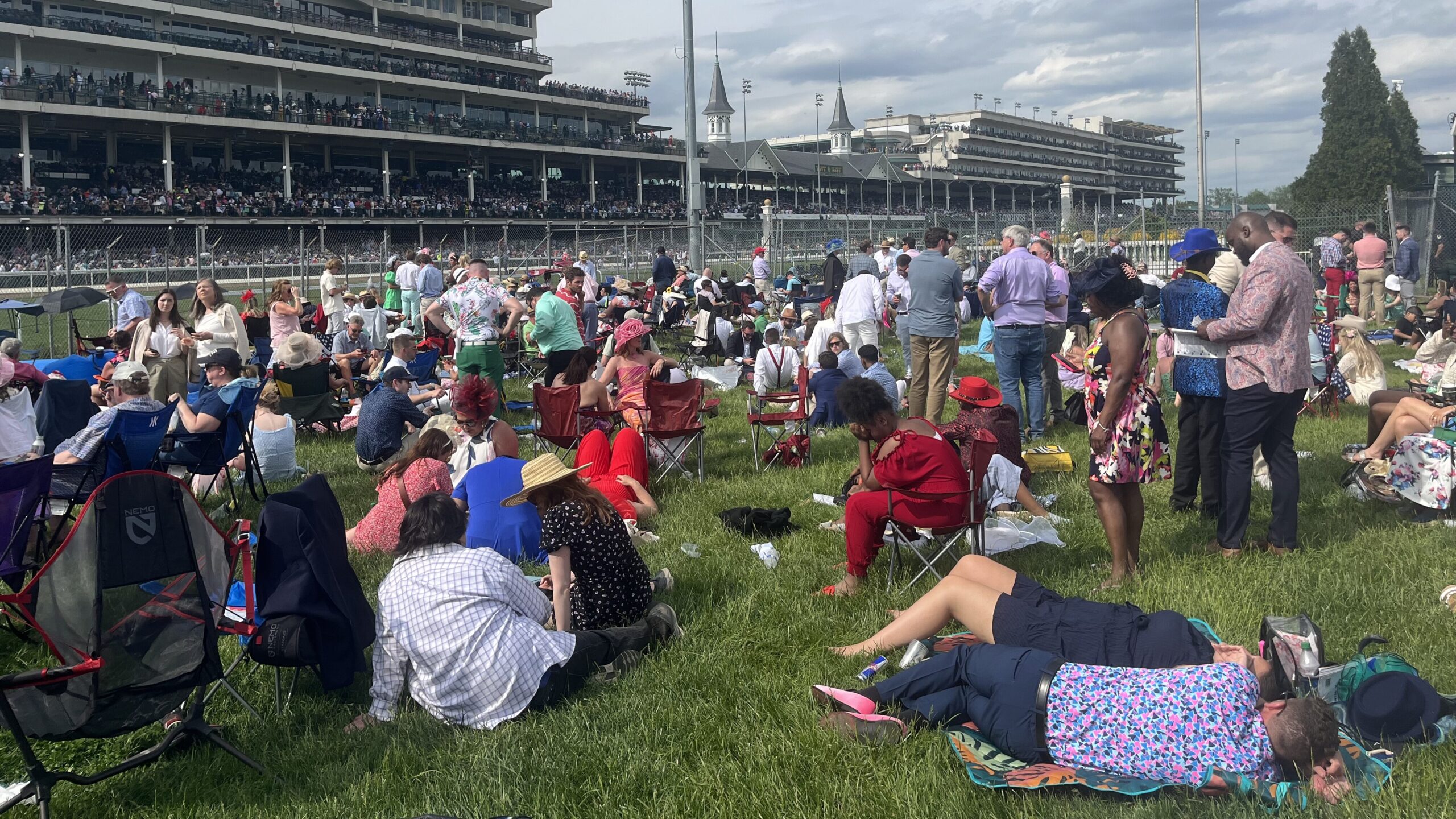
The Dubai World Cup anchors the world’s richest race day — $30.5 million total across nine races at Meydan Racecourse in late March, more than any other single race day on the global calendar. The main event carries a $12 million purse on dirt and draws the elite horses from America, Japan, and Europe. American-trained horses have consistently performed well at Meydan when they arrive with proven dirt credentials — the surface rewards similar qualities to American dirt racing while attracting international competition that rarely appears on the domestic calendar. Created by Sheikh Mohammed bin Rashid Al Maktoum in 1996, it was the original proof that serious prize money could pull international fields to a track without centuries of history — paving the road the Saudi Cup later traveled.
4. The Everest — Sydney, Australia
The Everest is the world’s richest turf race at $13 million USD — a 1,200-metre sprint at Royal Randwick in Sydney run each October. Despite launching only in 2017, it immediately became Australia’s most valuable race and has attracted the world’s best sprinters every year since. The slot system — where owners purchase starting positions and negotiate with horse connections to fill them — is a commercial innovation that other jurisdictions have studied as a model for creating high-value events built on invitation rather than traditional entries.
Sprint racing at the elite level compresses the margin between horses in a way that longer races do not. Giga Kick won at 20-1 in 2022 — a 1,200-metre race run in roughly 69 seconds where the difference between first and sixth can be less than a length. The Everest draws sprinters from across Australia and increasingly from overseas, and the October timing slots it neatly into the southern hemisphere spring carnival alongside the Cox Plate and the Melbourne Cup.
Nature Strip and Redzel built their reputations here. For American fans more accustomed to watching six-furlong sprints at Saratoga or Keeneland, the Everest operates at a comparable distance and intensity — but on a track and surface that rewards a different kind of gate speed and lateral agility.
5. Prix de l’Arc de Triomphe — Paris, France
The Arc is the race that settles arguments. Held on the first Sunday in October at Longchamp in Paris over a mile and a half, the €5 million race assembles horses from Britain, Ireland, France, Germany, Japan, and occasionally America into the deepest single-race international field in flat racing. Longchamp’s uphill finish in the straight separates pure speed from genuine stamina — winning the Arc in October carries breeding implications that shape the European bloodstock market for years.
Enable won it twice. Sea The Stars, Treve, and Frankel are among the champions who contested it. The race is the reason European trainers build entire spring-and-summer campaigns, and increasingly the destination Japanese connections target as their international statement race for the best turf horses. For the greatest racehorses who contested the Arc, the champions guide covers the legends.
6. Grand National — Liverpool, England
The Grand National is the most famous steeplechase in the world and the hardest major race in any discipline. Run every April at Aintree Racecourse near Liverpool over 4 miles and 2½ furlongs with 30 massive spruce fences, it creates a national event in Britain that transcends the sport — millions who never otherwise bet on racing place a wager on the National.
I Am Maximus won in 2024, was narrowly beaten in 2025, then came back in 2026 to become the first horse since Red Rum to regain the title while carrying top weight — one of the great performances in the race’s history. Red Rum won three times in the 1970s and remains Britain’s most beloved racehorse. For how jump racing differs structurally from flat racing, the types of horse races guide explains the full discipline breakdown.
From an American racing perspective, what the Grand National tests — jumping ability, stamina over four miles of undulating turf, the courage to keep running after clearing 30 obstacles — has no equivalent on this side of the Atlantic. The £1 million purse dramatically underrepresents its cultural weight. Simply finishing the race is considered a significant achievement. Winning it places a horse in British sporting folklore.
7. Melbourne Cup — Melbourne, Australia
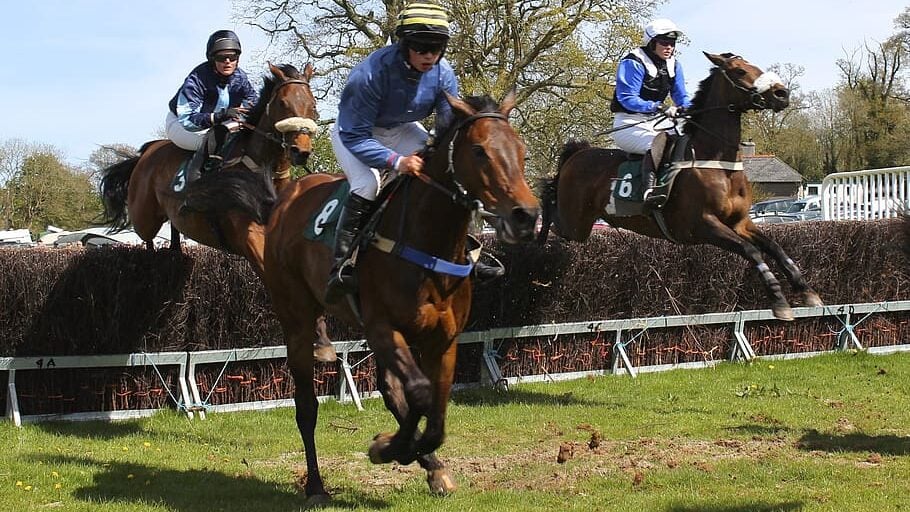
The Melbourne Cup stops a nation. Race day — the first Tuesday in November — is an official public holiday in the state of Victoria, and the $5.8 million USD purse draws elite international stayers from Europe, Japan, and the Middle East specifically for this race. The handicap format — where horses carry different assigned weights to theoretically level the field — produces genuine unpredictability that no other major staying race replicates. The first time I watched the Melbourne Cup from the United States, what struck me most wasn’t the race itself — it was the way an entire country seemed to stop for two minutes. That kind of cultural hold on a population is something racing in America has never achieved at a national level outside the Kentucky Derby.
Makybe Diva won three consecutive times from 2003 to 2005 — the benchmark of sustained excellence at this distance and under these conditions. Understanding weight assignments before betting the Cup is more important than assessing class alone; horses near the bottom of the weight range with proven staying form have historically produced the biggest returns.
8. Breeders’ Cup Classic — United States
The Breeders’ Cup Classic is America’s year-end championship and the race that decides the US Horse of the Year. Run in early November over 1¼ miles on dirt, the $7 million race forces three-year-olds fresh off the Kentucky Derby and Triple Crown trail to face older, physically mature horses — producing the most consequential results of any American race. The Breeders’ Cup rotates host tracks — Churchill Downs, Keeneland, Santa Anita, Del Mar — which means horses must prove they can win on different surfaces, in different climates, at different configurations. The 2026 championships run October 30-31 at Keeneland with total purses exceeding $34 million across two days.
Flightline’s 19-length demolition in 2022 is the most dominant individual performance in modern Classic history. Zenyatta’s 2009 win against males — the only female to win the Classic in its history — remains the race’s most celebrated moment. The Classic also determines where the sport’s elite meet at year-end: a three-year-old who won the Kentucky Derby in May and the Haskell Stakes in July faces the same horses that have been running and maturing all season. That generational collision makes it the most complete test of an American racehorse’s ability. For the complete US stakes circuit from the Triple Crown through the Breeders’ Cup, the 13 biggest horse races in the US covers the full championship calendar.
9. Japan Cup — Tokyo, Japan
The Japan Cup was established in 1981 to give Japanese horses an international benchmark. Four decades later the dynamic has reversed entirely — Japanese horses are now what everyone else has to beat. Run over 2,400 metres at Tokyo Racecourse in late November with a purse of approximately $7 million USD, it has emerged as a legitimate rival to the Arc as the premier autumn turf championship. Equinox’s dominant 2023 victory drew 223,000 fans to Tokyo and was one of the great individual turf performances of the modern era. Any serious follower of international turf racing treats the November Japan Cup as required viewing.
10. Epsom Derby — Surrey, England
Every race called a Derby in the world — the Kentucky Derby, the Irish Derby, the Italian Derby — takes its name from the race first run at Epsom Downs in Surrey in 1780. That fact alone earns it a permanent place on this list regardless of purse. The track configuration is unlike anything else in international racing: a sharp downhill run from the start, a left-hand turn through Tattenham Corner at full pace, and a cambered straight that genuinely tests a young horse’s balance and maturity. Galileo, Sea The Stars, and Camelot all won here before defining the European breeding landscape for years afterward.
11. Cheltenham Gold Cup — Gloucestershire, England
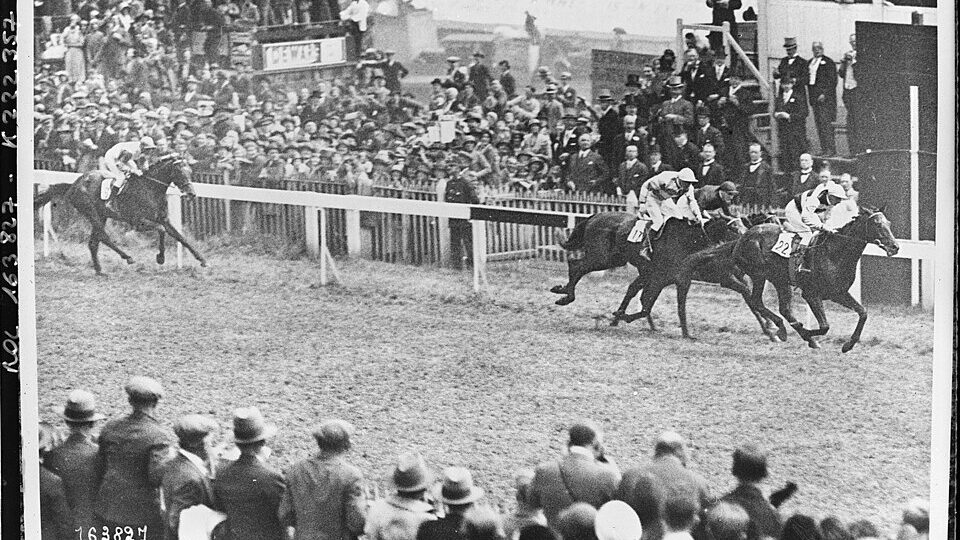
The Cheltenham Gold Cup is jump racing’s most prestigious prize — the race by which all steeplechasing horses are ultimately judged. Run over approximately 3¼ miles at Cheltenham in March with 68,000 fans in attendance, it belongs on this list not because of its $781,000 purse but because Cheltenham is the pinnacle of a discipline that has no equivalent in American racing. Arkle, Best Mate, and Kauto Star won the Gold Cup multiple times; their names are known to generations of fans who have never heard of most Grade 1 dirt winners.
12. Pegasus World Cup — Hallandale Beach, Florida
The Pegasus World Cup launched in 2017 at Gulfstream Park with a record $16 million purse that briefly made it the world’s richest race. The purse has since settled at $3 million, but the race gained significant new strategic importance when it became an official Win, and You’re In qualifier for the Breeders’ Cup Classic beginning in 2026 — the winner earns an automatic fees-paid Classic entry worth $150,000.
Skippylongstocking won the 2026 running, the latest addition to a roll call that includes Arrogate, Gun Runner, Knicks Go, and Life Is Good. Six of the nine Pegasus winners have also won a Breeders’ Cup race, which explains why the Classic connection was a natural fit.
Biggest Horse Races by Category
| Category | Race | Why It Leads |
|---|---|---|
| Richest single race | Saudi Cup | $20 million purse, $10 million to the winner |
| Richest race day | Dubai World Cup Night | $30.5 million total across nine races at Meydan |
| Richest turf race | The Everest | $13 million USD for 1,200-metre sprint at Royal Randwick |
| Most famous race | Kentucky Derby | 150,000+ fans, national TV audience including millions outside the sport |
| Most prestigious turf race | Prix de l’Arc de Triomphe | Deepest international turf field assembled in any single flat race annually |
| Hardest race | Grand National | 4 miles, 30 fences at Aintree — simply finishing is considered an achievement |
| Greatest staying race | Melbourne Cup | Two-mile turf handicap, the most internationally competitive staying field annually |
| Most historic race | Epsom Derby | First run 1780 — every other Derby in the world takes its name from this race |
| Pinnacle of jump racing | Cheltenham Gold Cup | The race by which all steeplechasing horses are ultimately judged |
| US year-end championship | Breeders’ Cup Classic | Decides US Horse of the Year — three-year-olds vs. older horses in November |
Biggest Horse Races by Region
| Region | Biggest Race | Why It Leads |
|---|---|---|
| United States | Kentucky Derby | Most famous race in the world — 150,000+ fans, national TV since 1875 |
| Europe (Flat) | Prix de l’Arc de Triomphe | Deepest international turf field assembled in any single flat race |
| Europe (Jump) | Grand National | Most famous steeplechase in the world — 4 miles, 30 fences at Aintree |
| Middle East | Saudi Cup | World’s richest single race at $20 million |
| Australia | Melbourne Cup | The race that stops a nation — richest staying race in the world |
| Asia | Japan Cup | Asia’s premier turf race — $7 million USD, 200,000+ fans at Tokyo Racecourse |
| UK (Classic) | Epsom Derby | The original Derby — every other Derby in the world is named after this race |
Honorable Mentions
Four races that knowledgeable fans would reasonably include on this list — and that appear on many international rankings — didn’t make the final twelve primarily because this list limits itself to one race per venue category where possible and prioritizes races with the broadest international participation.
Cox Plate (Australia) — Often called Australia’s weight-for-age championship, run at Moonee Valley in Melbourne over 2,040 metres on turf in late October. Many Australian racing analysts rate it above the Melbourne Cup as a pure quality test because the weight-for-age conditions mean the best horse on the day wins rather than the horse that drew a favorable weight. Winx won it four consecutive times from 2015 to 2018 in performances that rank among the greatest in racing history anywhere.
King George VI & Queen Elizabeth Stakes (UK) — Run at Ascot in late July over a mile and a half on turf, this is the only major British flat race that brings together horses from multiple age groups — three-year-olds, four-year-olds, and older horses — in a mid-summer championship. Frankel’s 2012 performance here is widely considered one of the greatest individual performances in flat racing history.
Royal Ascot Gold Cup (UK) — The centerpiece of the Royal Ascot festival, run over two and a half miles on turf in June. The world’s most prestigious staying flat race and the race that defines the stayer division in Europe. Trawlerman set the course record in 2025 with a time of 4:15.02.
Irish Derby (Ireland) — Run at The Curragh in County Kildare over a mile and a half in late June. One of the five Irish Classics and the race that often settles the European three-year-old picture when the best colts from the Epsom Derby and French Derby meet on neutral ground. The Coolmore and Ballydoyle operations nearby mean the Irish Derby field consistently represents the highest quality of European Classic breeding.
Key Takeaways: The 12 Biggest Horse Races in the World
- No single world championship exists — twelve races across six countries test different horses, different distances, and different disciplines; each is the most important event of its kind
- The Saudi Cup is the richest single race — $20 million in Riyadh since 2020; Skippylongstocking won the 2026 running; the race changed the economics of keeping elite horses in training longer
- The Kentucky Derby is the most famous — cultural reach beyond the sport’s core audience is unmatched; 150,000+ fans, national TV, since 1875
- Dubai World Cup Night is the richest race day — $30.5 million total at Meydan, with Magnitude winning the 2026 World Cup for American connections
- The Arc assembles the deepest international turf field — Britain, Ireland, France, Germany, Japan all target October at Longchamp; the uphill finish separates speed from stamina
- The Grand National is the hardest major race in any discipline — 4 miles, 30 fences; the £1 million purse understates its cultural significance in Britain by an order of magnitude
- The Epsom Derby gave every other Derby its name — first run 1780; Tattenham Corner and the cambered straight test qualities pedigree alone doesn’t predict
- Melbourne Cup handicap weights matter more than class — horses near the bottom of the weight range with proven staying form consistently outperform their public odds
- Rankings are subjective — purse, prestige, international participation, cultural reach, and breeding influence all factor in; the Cox Plate, King George, Ascot Gold Cup, and Irish Derby are legitimate honorable mentions that others would rank higher
Frequently Asked Questions
What is the biggest horse race in the world?
There is no single answer — it depends on what you mean by biggest. The Saudi Cup in Riyadh is the richest single race at $20 million. The Kentucky Derby is the most famous, with the largest non-racing audience of any horse race in the world. The Dubai World Cup night at Meydan is the richest race day at $30.5 million total. The Arc consistently assembles the deepest international turf field. Each is the biggest at something specific.
Is the Kentucky Derby bigger than the Saudi Cup?
The Saudi Cup is richer — $20 million to the Kentucky Derby’s $5 million purse. But the Kentucky Derby is more famous. The Derby draws over 150,000 fans to Churchill Downs and generates a national television audience of millions of people who watch no other race during the year. Its cultural reach outside the sport’s core audience is unmatched by any race globally. By pure prize money, the Saudi Cup leads. By fame and cultural significance, the Kentucky Derby leads. Both belong near the top of any list of the world’s biggest races.
What is the richest horse race in the world?
The Saudi Cup at King Abdulaziz Racetrack in Riyadh, Saudi Arabia carries a $20 million purse with $10 million going to the winner — the largest single-race payout in horse racing. Inaugurated in 2020, the race has quickly attracted the world’s best dirt horses. The total Saudi Cup meeting purse exceeds $35 million. For comparison, the Dubai World Cup carries a $12 million purse and The Everest $13 million USD.
What is the oldest horse race in the world?
The oldest continuously run major horse race on this list is the Epsom Derby, first run in 1780. The Grand National has run since 1839 and the Melbourne Cup since 1861. For historical reference, Chester Racecourse in the UK has held races since 1539 and is considered the oldest active racecourse in the world, though its races do not carry the same international prestige as those on this list.
What is the hardest horse race in the world?
The Grand National at Aintree is widely considered the most difficult major horse race. It covers 4 miles and 2½ furlongs over 30 massive spruce fences including Becher’s Brook and The Chair. Falls and unseats are common even in competitive fields, and simply finishing is considered a significant achievement. The Cheltenham Gold Cup over 3¼ miles of jumping is also considered among the most demanding races for its combination of distance, obstacles, and course difficulty.
What is the Prix de l’Arc de Triomphe?
The Prix de l’Arc de Triomphe — known as the Arc — is a Group 1 turf race held in October at Longchamp in Paris over a mile and a half with a purse of €5 million. It is widely regarded as the world’s premier test of middle-distance turf excellence, consistently assembling the deepest international flat racing field of any single race. Past winners include Enable, Sea The Stars, Frankel, and Alpinista.
How does the Melbourne Cup differ from the Kentucky Derby?
They test completely different horses. The Kentucky Derby is a 1¼-mile dirt race for three-year-olds in May requiring speed and tactical positioning. The Melbourne Cup is a two-mile turf handicap in November open to all ages carrying assigned weights — requiring sustained stamina over twice the distance. European staying horses regularly win the Melbourne Cup; they would be outclassed at Churchill Downs on dirt at 1¼ miles.
Which country has the most major horse races?
The United Kingdom hosts the most entries on this list with three — the Grand National, Epsom Derby, and Cheltenham Gold Cup. The United States has three as well — the Kentucky Derby, Breeders’ Cup Classic, and Pegasus World Cup. Australia has two — the Melbourne Cup and The Everest. France, Japan, Saudi Arabia, and the UAE each host one major race on this list.
What is the difference between flat racing and jump racing?
Flat racing involves horses competing over a set distance on dirt or turf with no obstacles. Jump racing — also called National Hunt or steeplechasing — requires horses to clear fences or hurdles over longer distances, adding jumping ability, stamina, and courage as requirements beyond speed. The Grand National and Cheltenham Gold Cup are jump races. All other races on this list are flat races.

About Miles Henry
Racehorse Owner & Author | 30+ Years in Thoroughbred Racing
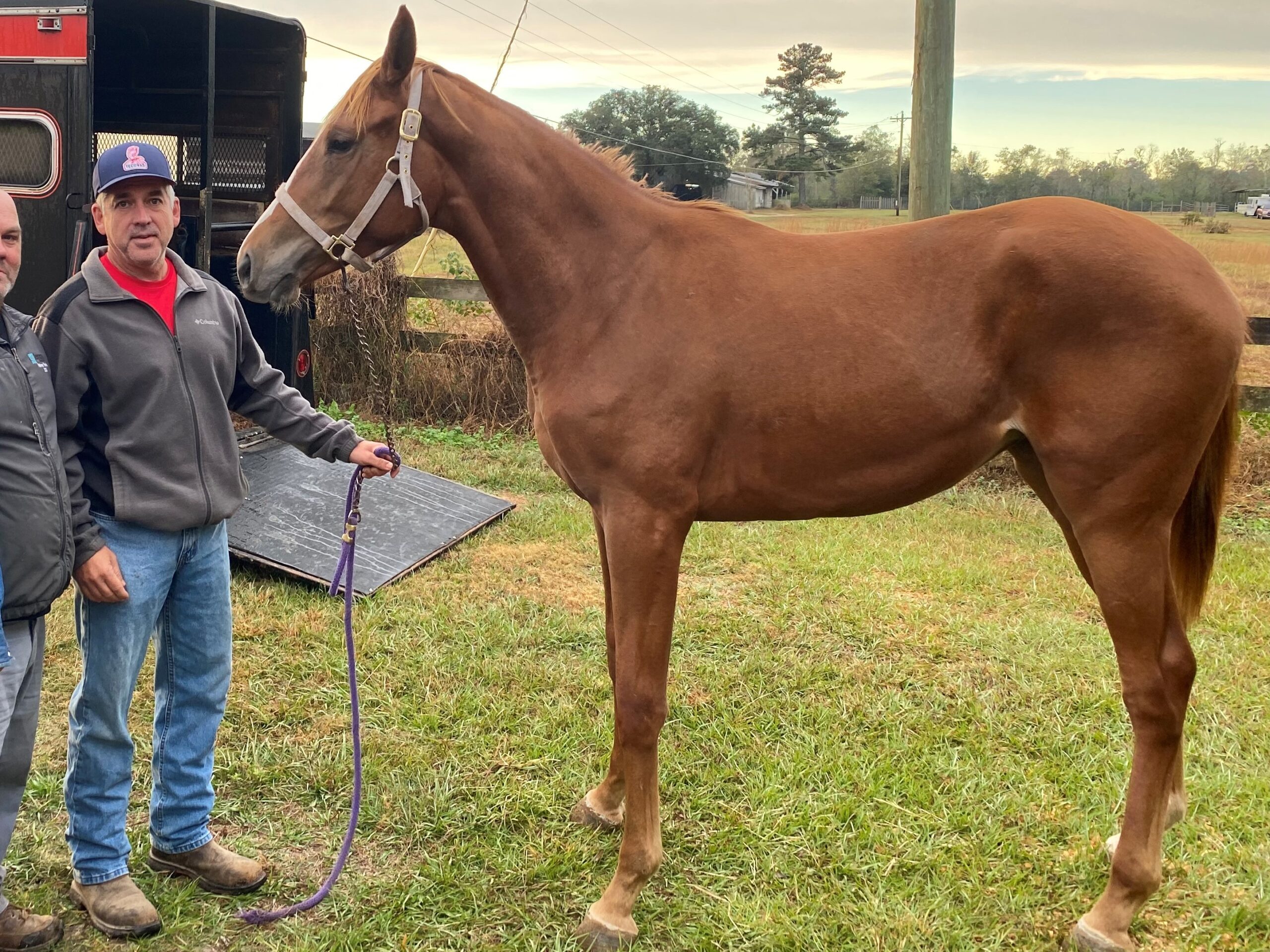
Miles Henry (legal name: William Bradley) is a professional horseman based in Folsom, Louisiana. He holds Louisiana Racing License #67012 and has spent over three decades managing Thoroughbreds at premier tracks including Fair Grounds, Delta Downs, and Evangeline Downs.
Expertise & Hands-On Experience: Beyond the track, Miles has decades of experience in specialized equine care, covering everything from hoof health and nutrition to training protocols for Quarter Horses, Friesians, and Paints. Every guide on Horse Racing Sense is rooted in this “boots-on-the-ground” perspective.
30 of their last 90 starts
Equibase Profile.

Connect with Miles: