

Last updated: November 6, 2026
Any links on this page that lead to products on Amazon are affiliate links and I earn a commission if you make a purchase. Thanks in advance – I really appreciate it!
Maybe you’ve got one trip to make, a horse to get to a new barn, or you’re thinking about buying a trailer and want to try one first. Either way, you’ve probably found out that renting a horse trailer isn’t as simple as renting a moving truck.
So, can you rent a horse trailer near you? Here’s where to look, what you might pay, and what to check before hauling your horse.
Table of Contents
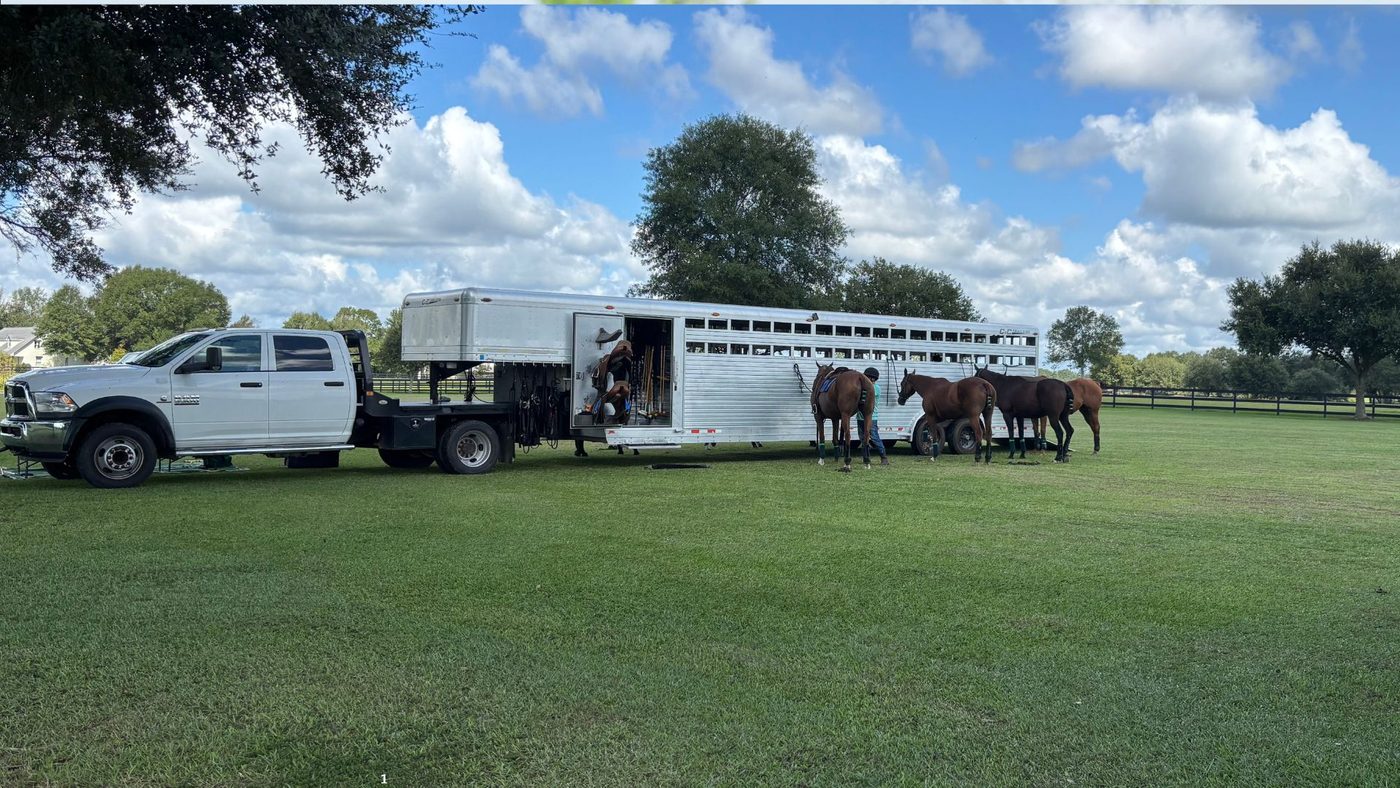
Where to Rent a Horse Trailer
Start with local horse contacts, peer-to-peer listings, and businesses that advertise horse trailer rentals, and call before you make plans around any listing.
Private owners
Ask at your boarding barn, your vet’s office, the feed store, and the local barrel racing, roping, or riding clubs. Someone usually knows an owner whose trailer sits more than it hauls. Facebook horse groups and Facebook Marketplace are good places to post that you’re looking. With a private owner, agree on the price, pickup and return times, whether you can take it out of state, and who pays if something breaks, and put it in writing. Make sure the owner is fine with you hauling horses in it, too.
Peer-to-peer trailer rental sites
Sites like Neighbors Trailer let private owners list trailers for rent, including horse trailers, and you book online. What’s available depends on where you live and changes from week to week. Before you book, confirm that the trailer suits your horse, that your truck can tow it, and exactly what the site’s protection package covers. Don’t assume it replaces your own insurance or covers your truck or your horse.
Horse trailer rental companies
Specialty rental companies are another option, though they’re scattered. AZ Horse Trailer Rental, a family-owned company in Queen Creek, Arizona, rents only horse and stock trailers, including two- and three-horse slant bumper pulls, and offers daily and weekly rates. Search for horse trailer rentals near you, then call before you drive out, because some places that show up online don’t actually rent horse trailers.
Does U-Haul rent horse trailers?
Rarely. U-Haul’s trailer rental FAQ lists horse trailer rentals in five markets: Apple Valley, Palo Cedro, and Temecula, California, and Las Cruces and Edgewood, New Mexico. That list is dated April 2021, so call the location to confirm, and don’t assume your local U-Haul rents horse trailers. Don’t haul a horse in a cargo trailer or a box truck. They aren’t built for it.
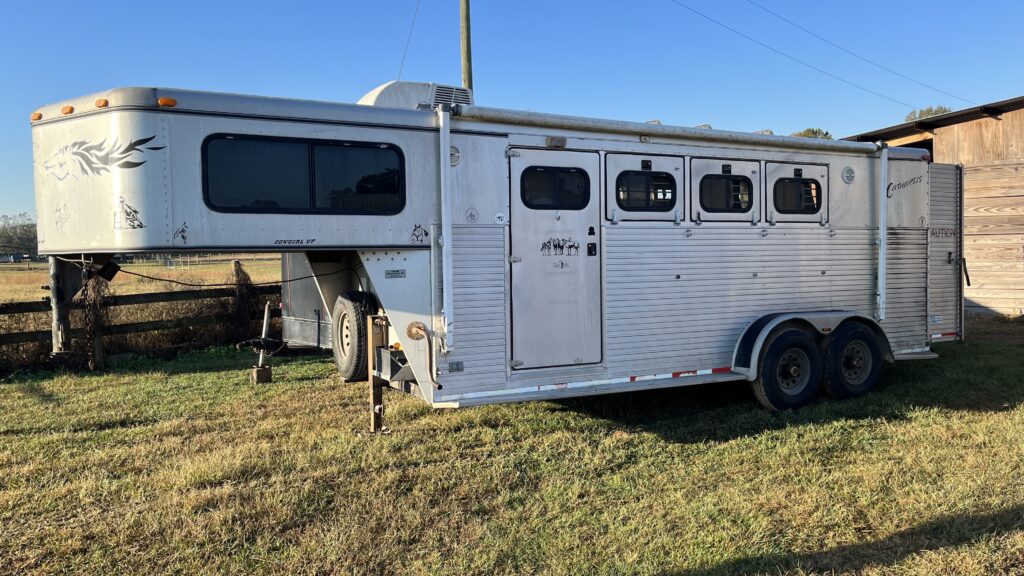
How Much Does It Cost to Rent a Horse Trailer?
The horse trailer rentals I found advertised ran about $70 to $150 a day. These are individual companies and listings, not a nationwide average.
| Rental | Daily Rate | Note |
|---|---|---|
| AZ Horse Trailer Rental: two- or three-horse slant | $70 | Arizona, in-state |
| AZ Horse Trailer Rental: 16-foot stock trailer or taller three-horse slant | $100 | Arizona, in-state; out-of-state quoted separately |
| Neighbors Trailer: advertised horse trailer listings | $70 to $150 | Private listings; availability varies |
Rates are advertised examples and can change, so confirm the current price and availability before you book.
Ask for a quote if you need a bigger trailer or living quarters, and compare the weekly rate with the daily total if you need it for several days. Ask about the deposit, delivery, cleaning fees, mileage or out-of-state charges, and what happens if you bring it back late. With a private owner, the going rates on these sites give you a starting point for working out a fair price.
Should You Rent or Buy?
If you only haul a horse once or twice a year, renting, borrowing, or hiring a hauler usually makes more sense than owning a trailer, paying for tires and registration, and finding a place to park it. If you haul to shows, races, or trail rides every month, having your own trailer saves a lot of scheduling and pickup trouble. A used trailer can be a good buy, as long as you check the floor, frame, tires, and brakes. If you’re deciding what kind to buy, this comparison of gooseneck vs. bumper pull trailers helps.
Renting before you buy is also a good way to find out whether a trailer suits you and your horse. A horse that loads fine in a slant load might fight a straight load, and a trailer that tows easily behind one truck can be a handful behind another.
What to Check Before You Tow a Rental
Check the truck and trailer ratings. Look up the towing capacity, payload, and gross combined weight rating for your specific truck, not just the highest number advertised for the model. Then find the trailer’s GVWR on its VIN plate near the tongue. That’s the most the trailer can weigh loaded, not what it weighs empty. Work out the trailer’s actual loaded weight with the horses, tack, hay, and water, and make sure it doesn’t go over the trailer’s GVWR or your truck’s towing and combined ratings. Keep the tongue weight within your truck’s payload and the hitch and ball ratings, too. Confirm the ball size and wiring connection with the owner before pickup. This look at how much a gooseneck horse trailer weighs helps with the math.
Walk around it with the owner. Check the tires, including the spare, the lights and turn signals, the brakes and breakaway switch, the hitch and safety chains, the doors and latches, and the floor. Pull up the mats if you can and look at the edges and the back of the floor. Don’t load a horse if you have any doubt about the floor. Make sure there’s enough room for your horse and that the dividers, chest bars, and butt bars are secure. Then photograph every scratch and dent before you leave, and make sure the owner sees them. I photograph any rental equipment and its damage before I leave the lot.
Make sure the brakes work with your truck. Most horse trailers have electric brakes, which need a brake controller in your truck, so sort that out before rental day. Have the owner show you that the trailer brakes and breakaway system work, and make sure the breakaway battery is charged before you pull out. If you’re new to the setup, it helps to understand how horse trailer brakes and brake controllers work.
Call your insurance agent. Ask whether your auto policy covers a trailer you’re towing, both for liability and for damage to the trailer itself, and whether it covers a rented trailer. Ask the rental company or owner what their coverage includes, and whether it covers damage a horse does to the trailer. Don’t assume, because coverage varies by policy and state.
Read the agreement and carry the paperwork. The rental agreement should spell out the rental period, the price, the deposit, and who’s responsible for damage and repairs. Carry the trailer’s registration and make sure the plate matches it.
Have your horse’s papers. Before you cross state lines, check the destination state’s entry rules with your vet. You may need a health certificate and a current negative Coggins test, and events can have their own requirements.
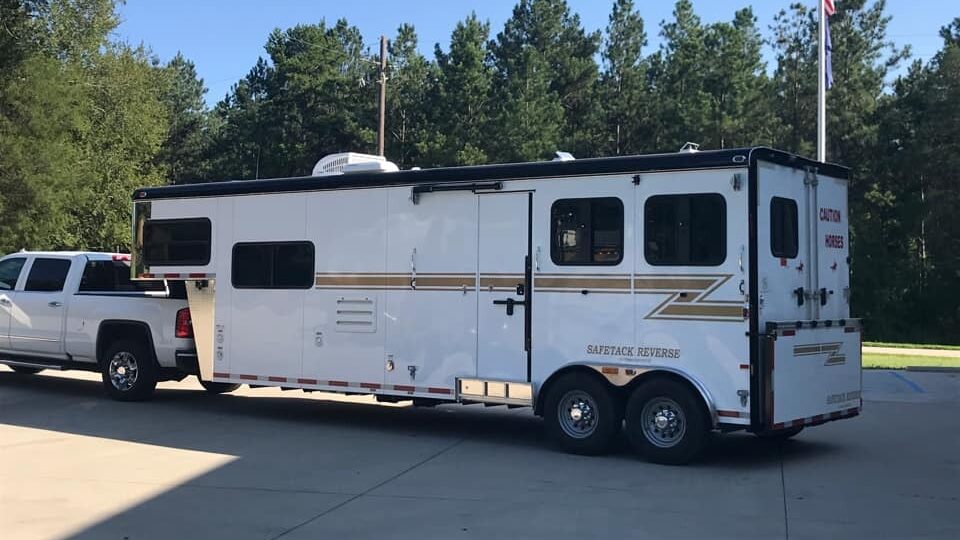
If you haven’t towed a horse trailer before, practice hooking it up, checking the lights and brakes, and backing it in an empty lot before you load a horse. This video walks through hooking up a horse trailer.

Returning the Trailer
Return it clean and follow any cleaning instructions the owner gave you. Muck out the manure and shavings and wash out the stalls, which is good manners and also makes it easier to see the floor. Bring back any keys, hitch parts, or paperwork that came with it. Then walk around it with the owner, take a few final photos, and compare them to the ones you took at pickup.
About Miles Henry
Racehorse Owner & Author | 30+ Years in Thoroughbred Racing
Miles Henry (legal name: William Bradley) is a professional horseman based in Folsom, Louisiana. He holds Louisiana Racing License #67012 and has spent over three decades managing Thoroughbreds at premier tracks including Fair Grounds, Delta Downs, and Evangeline Downs.
Expertise & Hands-On Experience: Beyond the track, Miles has decades of experience in specialized equine care, covering everything from hoof health and nutrition to training protocols for Quarter Horses, Friesians, and Paints. Every guide on Horse Racing Sense is rooted in this “boots-on-the-ground” perspective.
30 of their last 90 starts
Equibase Profile.

Connect with Miles: