

Last updated: August 2, 2026
The biggest horse racing payouts usually don’t come from picking the winner — they come from predicting how the first four finishers will line up. A $1 superfecta ticket in the 2026 Kentucky Derby turned a small wager into a $94,000 payout.
Exotic horse racing bets — what you need to know:
- Exacta: Pick 1st and 2nd in exact order — box (both orders), wheel (one horse on top), or straight
- Trifecta: Pick 1st, 2nd, and 3rd in exact order — keying one horse is more efficient than full boxing when you have a strong top opinion
- Superfecta: Pick top four in order — played at $0.10 minimum at most tracks to keep costs manageable
- The math: An 8-horse field has 56 possible exacta outcomes, 336 trifecta outcomes, and 1,680 superfecta outcomes — this is why the payouts are large
- Best conditions for exotics: 10+ horse fields, no odds-on favorite, competitive pace scenario
- Key rule: Be cautious singling a heavy favorite in a trifecta without strong pace, figure, and condition alignment behind it
Responsible Gaming: Horse racing betting carries significant financial risk. Historical data shows favorites win approximately 33-40% of the time — even the safest bet loses more than half the time. This content is for educational purposes only. If you or someone you know has a gambling problem, contact the National Council on Problem Gambling at 1-800-522-4700 or visit ncpgambling.org.
Table of Contents
2026 Kentucky Derby — Real Exotic Payout Example
The 2026 Kentucky Derby produced one of the most dramatic payout days in recent Derby history. Golden Tempo (post 19) won at 23-1, followed by Renegade (post 1) at 5-1, Ocelli (post 22) at 70-1, and Chief Wallabee (post 12) at 7-1. Three of the top four finishers were double-digit prices — and third-place Ocelli at 70-1 sent the trifecta and superfecta into record territory. Golden Tempo’s trainer, Cherie DeVaux, became the first female trainer to win the Kentucky Derby — a genuinely historic result on top of a historic payout day.
| Bet | Horses | Payout |
|---|---|---|
| $2 Exacta | 19-1 (Golden Tempo-Renegade) | $278.86 |
| $1 Trifecta | 19-1-22 (Golden Tempo-Renegade-Ocelli) | $11,250.78 |
| $1 Superfecta | 19-1-22-12 (Golden Tempo-Renegade-Ocelli-Chief Wallabee) | $94,489.95 |
A $1 trifecta box covering horses 19, 1, and 22 cost $6 and returned $11,250.78 — a 1,875x return. The $94,490 superfecta illustrates what an 18-horse field produces when a 70-1 shot finishes third. For historical context, the all-time Derby trifecta record — Giacomo, Closing Argument, Afleet Alex in 2005 — paid $133,134.80 on a $2 wager. The 2026 $1 trifecta at $11,250.78 ranks among the largest in modern Derby history.
The lesson from a race like this isn’t simply “include longshots” — every field has longshots, and most of them run like the ones they are. The real question is whether a horse has a realistic path to the board based on pace, form cycle, distance ability, and the class of horse it’s facing. Ocelli getting to third at 70-1 wasn’t luck showing up out of nowhere; it was a scenario where the pace up front didn’t hold, and a horse capable of finishing well got the run of the race it needed.

Understanding Exotic Bets — Exacta, Trifecta, Superfecta
Vertical exotic bets are horse racing wagers that require you to predict the finishing order of multiple horses in the same race. These bets include the exacta, trifecta, and superfecta, while horizontal exotics like the Daily Double and Pick 3/4/5 span multiple races. If any of the terminology below is new to you, our horse racing glossary covers the basics.
Exacta
An exacta combines two selections into one bet — both horses must finish in the positions you name, in the order you name them. A straight exacta means one specific order, such as horse 5 over horse 3. A 3-horse exacta box covers all six finishing orders at $2 base, costing $12 total. A wheel keys one horse on top with multiple horses underneath, which cuts cost when you have a strong opinion on the winner.
Trifecta
A trifecta extends the exacta concept to three finishing positions — first, second, and third must all be correct. A 3-horse box covers all 6 permutations at $1 base for $6 total; a 4-horse box covers 24 permutations for $24. When you have a strong top opinion, anchoring one horse in first and spreading underneath is usually more efficient than boxing everything
Superfecta
A superfecta covers the top four finishers in exact order, making it the hardest single-race exotic and the one with the biggest payout potential. Most tracks allow a $0.10 minimum per combination, so a 5-horse box at that base costs $12 and covers 120 combinations. That lower minimum is why the superfecta works best in big, chaotic fields.

The Mathematics of Exotic Bets
For bettors who want to understand why these payouts vary so widely, the math below explains it. Each position added multiplies the number of possible finishing outcomes — this is why a trifecta in the same field pays so much more than an exacta.
| Bet Type | 8-Horse Field Outcomes | Random Chance | Cost to Box (examples) |
|---|---|---|---|
| Exacta | 56 (8 x 7) | 1 in 56 (1.8%) | 3-horse box at $2 base = $12 (6 combinations) |
| Trifecta | 336 (8 x 7 x 6) | 1 in 336 (0.3%) | 4-horse box at $1 base = $24 (24 combinations) |
| Superfecta | 1,680 (8 x 7 x 6 x 5) | 1 in 1,680 (0.06%) | 5-horse box at $0.10 = $12 (120 combinations) |
These odds apply to random guessing — skilled handicapping using speed figures, pace analysis, and post position data improves your effective hit rate meaningfully. The math explains the payouts; your handicapping determines whether those payouts are achievable in practice.

How Experienced Bettors Structure Exotic Tickets
Simplicity and discipline tend to outperform complex systems at regional tracks. Below is a comparison of the main approaches, followed by detailed explanations of each.
| Strategy | Best For | Cost Range | Consistency | Why It Works |
|---|---|---|---|---|
| 3-Horse Box | Beginners | $6 (trifecta, $1 base) | Moderate | Covers all orders, lowest cost entry point |
| Exacta Box | Conservative bettors | $12 (3 horses, $2 base) | Higher than trifecta | Simpler structure, easier to hit |
| Favorite-Key Trifecta | Consistency seekers | $6-$12 | Reliable when key horse fires | Favorites win ~35%, often place in big fields |
| Longshot Inclusion | Payout chasers | +$6-$12 to base ticket | Lower | One longshot in the top four spikes payouts dramatically |
| Pace Analysis | Advanced bettors | Varies | Improved with correct read | Identifies leaders vs closers before race shape develops |
| Diminishing Stakes | Value seekers | Varies | Moderate | More on likely combos, less on longshot coverage |
Strategy 1 — The 3-Horse Box
This is the starting point for exotic betting. Pick three horses you believe are the most likely top finishers, box them in a trifecta, and cover all six possible finishing orders at $1 per combination ($6 total). This is the lowest-cost way to get exposure to trifecta-level payouts without structural complexity. Best for fields of 8 or more horses where you can identify three clear contenders.
Strategy 2 — Conservative Exacta Box
Box three horses in an exacta at $2 base ($12 total). This covers all six finishing order combinations for the top two positions and hits more often than a trifecta box with the same horses. Target fields without a heavy odds-on favorite — when the public is piling money on a single horse, the payouts compress and the exacta often doesn’t return enough to justify the cost.
Strategy 3 — Favorite-Key Trifecta
Key the favorite in first place with three or four horses in second and third ($6-$12 at $1 base). This is one of the most common structures among experienced bettors. Favorites win roughly 30-35% of races across most tracks, and they often remain competitive even when they don’t win — but pace pressure and race shape can create real vulnerability in large, chaotic fields, so this structure works best when your read on the pace supports it. A key box — anchoring the favorite in any of the three positions — costs more but provides insurance if the favorite runs second or third instead of first.
The 2026 Derby illustrates the risk: keying Renegade (5-1 favorite) strictly in first would have missed — Golden Tempo won at 23-1. A key box with Renegade also covering second would have partially protected the ticket.
Strategy 4 — Longshot Inclusion
Add one 8-1 or longer horse with improving form to your box. The cost increase is manageable — adding a fourth horse to a $1 trifecta box takes the ticket from $6 to $24 — but one longshot in the top three spikes the payout significantly. The 2026 Derby superfecta paid $94,490 largely because Ocelli at 70-1 finished third. One 70-1 horse in the top four sent the entire ticket into another dimension. A diminishing stakes approach works well here: bet $2 per combination on your likely combinations and $0.50 on combinations involving the longshot.
Strategy 5 — Pace Analysis
Use fractional times from past performances to identify likely leaders and closers. In a pace-heated field with multiple speed horses, key a closer in first and use speed horses in second and third. In a pace-controlled field with one clear front-runner, the front-runner becomes your key. Pace reading is one of the skills that separates consistent exotic bettors from recreational bettors. For deeper analysis, see the Kentucky Derby strategy guide on pace and post positions.
Quick decision tree — which strategy fits your situation:
- New to exotic bets? Start with a conservative 3-horse exacta box at $2 base
- Want reliable returns? Use a favorite-key trifecta with 3-4 horses in second and third
- Chasing big payouts in a large field? Add one longshot to your trifecta box and use diminishing stakes on longshot combinations
- Small field or odds-on favorite? Skip exotic bets — the payouts don’t justify the cost
Horseman’s Perspective — on exotic structures at Louisiana tracks: At Fair Grounds, exactas in healthy pools return better value per dollar than trifectas at the same cost level. A part-wheel exacta with a strong top opinion costs less and hits more often than a small trifecta box. Trifectas make more sense at larger meets where the pools are deeper. The one thing that’s cost me the most over the years: keying a single favorite in a trifecta when the pace didn’t support it. If three speed horses are going to fight for the lead through six furlongs, the favorite keyed on top is the horse most likely to get caught up in the pace and finish fourth or fifth. Build your structure around the pace scenario, not just the horse you like most.
Cost and Payout Estimates
Hit rates vary widely depending on field size, ticket structure, and handicapping accuracy — there’s no universal percentage that applies across tracks and skill levels. What’s more consistent is the cost-to-payout relationship, which is where the real planning happens:
| Bet Type | Typical Cost | Estimated Payout Range |
|---|---|---|
| Exacta (3-horse box) | $12 ($2 base) | $48-$240 |
| Trifecta (3-horse box) | $6 ($1 base) | $150-$600 |
| Superfecta (5-horse box) | $12 ($0.10 base) | $400-$2,000 |
Pros and cons of exotic bets:
- Pros: High potential payouts relative to stakes; rewards sharp handicapping; flexible structures allow tailored approaches; even a modest hit can return many times the cost
- Cons: Lower hit rates than straight bets; costs escalate quickly when adding horses; takeout rates are higher than Win/Place/Show bets; expect 7-8 misses per hit on trifectas
Reality check: Most exotic tickets lose. Budget accordingly and avoid chasing losses with larger tickets after misses.
Bankroll Management for Exotic Bets
Limit exotic bets to 1-3% of your session bankroll — with $1,000 to work with, that’s $10-$30 per race. Set a daily cap before you arrive at the track and don’t exceed it regardless of results. Expect 7-8 misses per trifecta hit — this is normal variance, not a sign your approach is wrong. Example: 10 races at $20 per trifecta ticket totals $200; two hits at $150 each returns $300 against $160 in losses — a $100 net profit, but only if two of those ten tickets cash. Never chase losses with increasingly large tickets; the takeout rate doesn’t change, only the risk does.
Exotic Ticket Cost Calculator
Enter your horses, bet type, and stake to calculate total cost and estimated payouts. Simulated payouts are based on the odds you enter — actual pari-mutuel payouts vary by pool size, track takeout, and finishing order.
> Open the Exotic Bet Calculator (educational simulation tool)
Exotic Bet Calculator
Educational simulation tool — calculates combination counts and cost; payout figures are estimates based on your odds inputs, not real pari-mutuel results

Kentucky Derby Exotic Betting Tips
The Derby’s field consistently produces some of the largest exotic payouts in American racing. The 2026 running — won by Golden Tempo at 23-1 with Ocelli at 70-1 finishing third — produced a $11,250 trifecta and a $94,490 superfecta on $1 base tickets. The field size, combined with uncertain pace scenarios and international contenders, creates conditions where longshots often factor into the top four. Favorites win roughly 35% of the time in the Derby. In 2026, the morning-line favorites all missed the top four — Golden Tempo at 23-1 won, and the trifecta required a 70-1 horse.
The most effective Derby structure is to key your top two horses in the top three positions via a key box, then add two or three longshots underneath at reduced stakes. This gives both upside and insurance against the favorite running second or third rather than first. Post position matters — inside-to-middle posts (5-10) have a historical edge worth building around. For the complete pace and post analysis framework, see the Kentucky Derby strategy guide.
On international horses: check European form carefully before dismissing them. International starters have factored into the top four with increasing frequency since 2023, and the public often underprices them due to unfamiliarity. Payout ranges vary widely — 2026 was an extreme upset year; more typical upset years run $200-$400 exactas, $500-$2,000 trifectas, and $3,000-$20,000 superfectas.
When to Use and Avoid Exotic Bets
| Use Exotic Bets When | Avoid Exotic Bets When |
|---|---|
| 10 or more horses in the field | 6 or fewer horses — payouts don’t justify cost |
| Competitive pace — multiple speed horses | One horse at 1-2 or shorter odds |
| Carryover situations — enlarged pools | Fewer than 3 solid contenders you can identify |
| Turf races with uncertain pace scenario | Low-confidence races — use Win/Place bets instead |
| Large stakes races with deep fields | After a losing streak — avoid chasing with larger tickets |
FAQs About Exotic Horse Racing Bets
What is the easiest exotic bet for beginners?
The exacta box is the easiest starting point — pick two or three horses you like, box them, and win if any two of them finish first and second in any order. A 3-horse exacta box at $2 base costs $12 and covers six finishing combinations. It is simpler to structure than a trifecta and hits more often, making it a better learning bet while you develop your handicapping.
How much does a trifecta box cost?
A $1 trifecta box with 3 horses costs $6 (6 combinations). With 4 horses it is $24 (24 combinations). With 5 horses it is $60 (60 combinations). The cost increases exponentially with each horse you add — this is why most bettors use a key structure rather than a full box once they have a strong opinion on one horse.
What is the difference between an exacta box and an exacta wheel?
An exacta box covers all finishing orders of your selected horses equally. An exacta wheel (part-wheel) keys one specific horse in one position with multiple horses in the other — for example, horse 5 on top with horses 3, 7, and 9 in second covers only 3 combinations at much lower cost. Use a box when you are uncertain which of your horses will finish first; use a wheel when you have high confidence in one horse but want coverage underneath.
What is the minimum bet for a superfecta?
Most tracks in the United States allow superfecta bets at a $0.10 minimum per combination. This makes superfecta boxes with five or six horses achievable without a large outlay — a 5-horse superfecta box at $0.10 costs $12, covering 120 combinations. Check the track program or platform for current minimums as they vary.
Which exotic bet has the best odds of hitting?
The exacta has the best hit rate among exotic bets because it involves only two finishing positions. In an 8-horse field, there are 56 possible exacta outcomes versus 336 trifecta outcomes and 1,680 superfecta outcomes. A 3-horse exacta box covers 6 of those 56 outcomes — roughly a 10% coverage rate before handicapping. Skilled handicapping can raise your effective hit rate significantly above that baseline.
How do I include longshots in my exotic bets?
Add one horse at 8-1 or longer with improving form to your box or key structure. The most efficient approach is diminishing stakes: bet $2 per combination on your most likely finishing orders and $0.50 on combinations that include the longshot. In large fields like the Kentucky Derby, longshots regularly appear in the top four — completely ignoring them is a structural mistake. The 2026 Derby’s $94,490 superfecta resulted largely from a 70-1 shot finishing third.
When should I avoid exotic bets and stick to straight bets?
Avoid exotic bets in fields of 6 or fewer horses, when one horse is 1-2 or shorter, or when you can only identify one or two genuine contenders. In these scenarios, the exotic payouts compress and do not justify the higher cost and takeout compared to a Win or Place bet. A correctly structured Win bet on a 10-1 horse in the right scenario returns more value than a poorly structured trifecta in the same race.
Key Takeaways: Exotic Horse Racing Bets
- Start with exacta boxes — lower cost, simpler structure, better hit rate than trifectas; the right starting point before moving to three-position bets
- Structure matters as much as horse selection — a part-wheel with a strong top opinion outperforms a random box with the same horses in most scenarios
- Never single a heavy favorite without pace, figure, and condition alignment — one pace collapse eliminates the entire trifecta ticket
- Large fields produce the best exotic value — 10+ horse fields with competitive pace scenarios create the conditions for large payouts and justify boxing multiple horses
- Longshots are common in large fields — in the 2026 Derby, Golden Tempo won at 23-1 and Ocelli finished third at 70-1, producing a $94,490 superfecta; the $0.10 minimum exists so you can cover them cheaply
- Diminishing stakes improves the risk/reward structure — bet more on likely combinations, less on longshot combinations
- Skip exotics when the field setup doesn’t justify them — a 6-horse field with a 1-2 favorite almost never produces a trifecta payout worth the cost
- The $0.10 superfecta minimum exists for a reason — use it to cover wide combinations in large, chaotic fields without overcommitting the bankroll
Responsible Gaming: Exotic bets amplify both excitement and risk. Set a budget before you arrive at the track — not at the window. For support: National Council on Problem Gambling 1-800-522-4700 | ncpgambling.org | Gamblers Anonymous
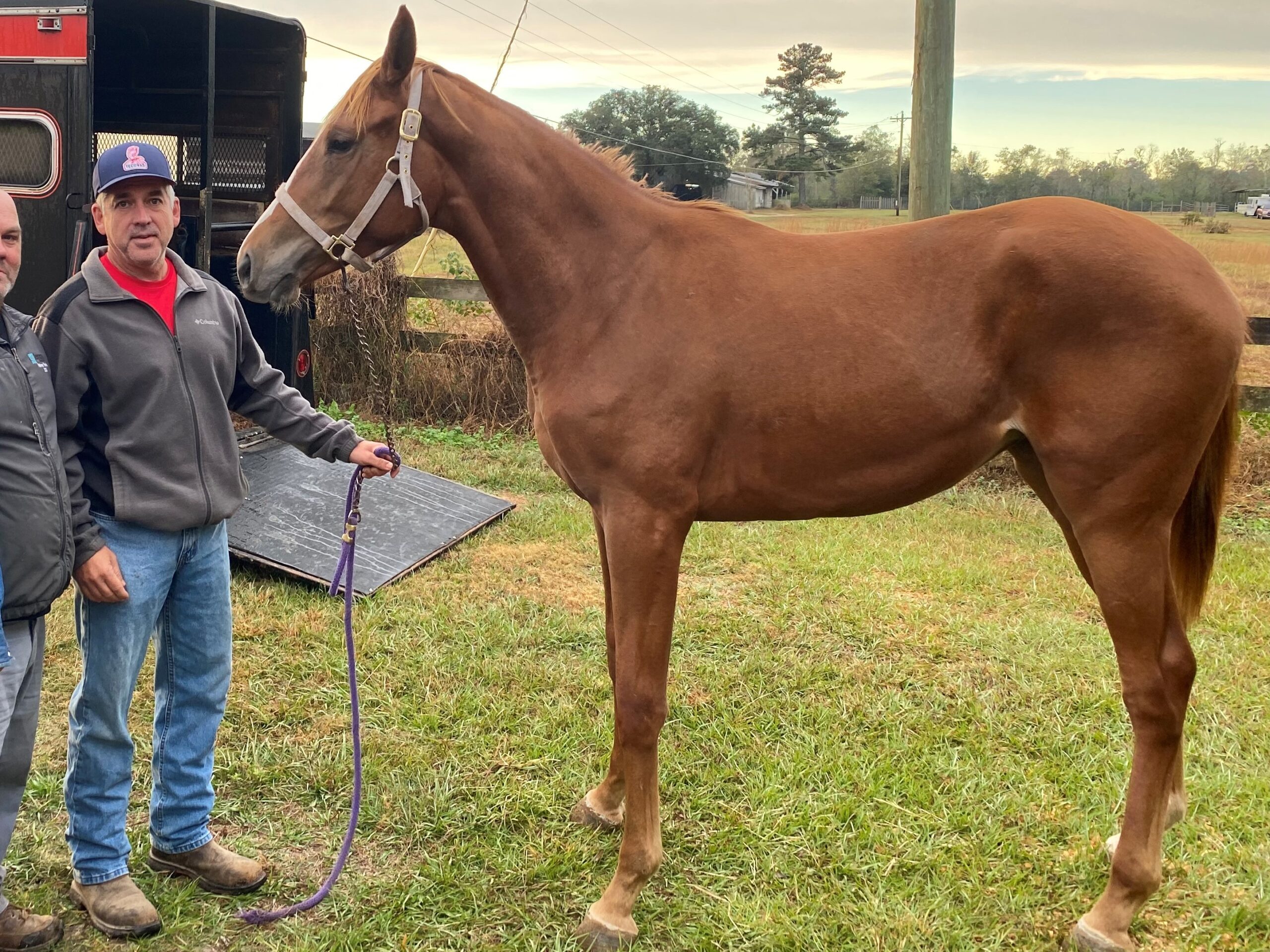
About Miles Henry
Racehorse Owner & Author | 30+ Years in Thoroughbred Racing
Miles Henry (legal name: William Bradley) is a professional horseman based in Folsom, Louisiana. He holds Louisiana Racing License #67012 and has spent over three decades managing Thoroughbreds at premier tracks including Fair Grounds, Delta Downs, and Evangeline Downs.
Expertise & Hands-On Experience: Beyond the track, Miles has decades of experience in specialized equine care, covering everything from hoof health and nutrition to training protocols for Quarter Horses, Friesians, and Paints. Every guide on Horse Racing Sense is rooted in this “boots-on-the-ground” perspective.
30 of their last 90 starts
Equibase Profile.

Connect with Miles: