
Last updated: May 6, 2026
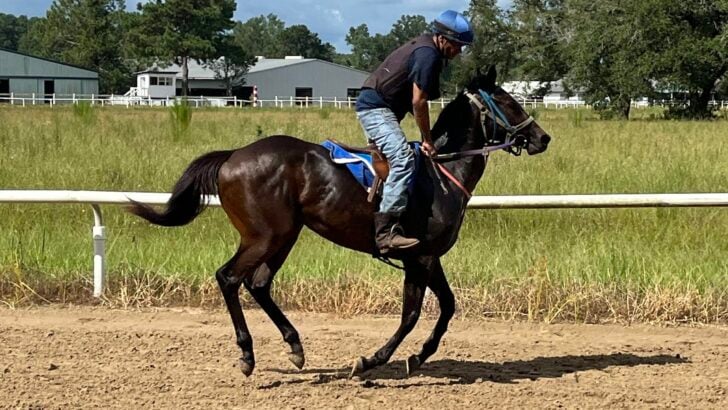
When do Thoroughbred horses start racing? Most make their debut at two or three years old — but why so young? The answer lies in a mix of tradition, physiology, and economics, all shaped by the January 1 birthday rule that defines racing age. As a racehorse owner with over 25 years of experience in Louisiana, I’ve seen this timeline play out firsthand with horses like my Astrology colt, Astrologysprotege.
This comprehensive guide breaks down the factors behind a racehorse’s early start — from training progression and physical development to the financial pressures and strategic decisions that shape debut timing. For a deeper dive into the January 1 system, see our guide on Why Do Racehorses Have the Same Birthday?.
FAQs About Thoroughbred Racing Age
Here are some of the most common questions about the Thoroughbred racing age and when horses make their debut.
What is the typical Thoroughbred racing age?
Most Thoroughbreds debut at two or three years old, with early foals (January-March births) often racing sooner due to their developmental advantage under the January 1 birthday rule system.
Why do some Thoroughbreds debut later?
Late foals (April-June births) typically need additional time for physical development, particularly bone maturation and muscle development, which may delay debuts to ensure long-term racing soundness and career success.
Can Thoroughbreds race before age two?
No. Jockey Club rules and most racing jurisdictions require horses to be at least two years old for official racing to ensure adequate physical and mental maturity for safe competition.
How long does it take to train a Thoroughbred for its first race?
Training typically requires 12-18 months from initial breaking (18-24 months of age) to race debut, including foundation training, conditioning, and race preparation phases.
What determines when a Thoroughbred is ready to race?
Readiness depends on physical development (growth plate closure, muscle development), mental maturity, training progression, and individual horse characteristics rather than strict age requirements.
The Foundation: Why Thoroughbreds Start Racing Young
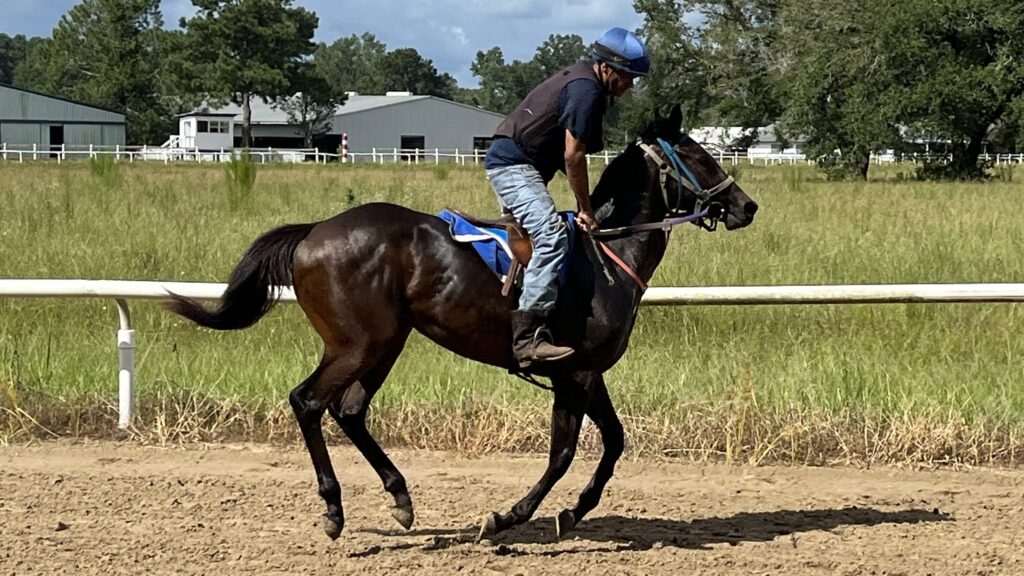
The decision to start racing a Thoroughbred at a young age stems from three interconnected factors that have shaped the industry for over 150 years. Understanding these elements is crucial for anyone involved in racehorse ownership or training.
Industry Structure and Tradition: The January 1 birthday rule established by The Jockey Club creates age-based competition categories. This system, combined with prestigious races like the Kentucky Derby restricted to three-year-olds, creates economic incentives for early debuts to maximize earning potential during prime racing years.
Physical Development Patterns: Thoroughbreds are selectively bred for precocious development, with most reaching physical readiness for light racing by 24-30 months. Their growth plates typically close during this period, making it a natural window for beginning competitive careers.
Economic Realities: With training costs averaging $72,000 annually according to UTCB Stud, owners face pressure to generate income through prize money, breeding rights, or sales opportunities that often depend on proven racing ability.
Training Timeline: From Breaking to Race Day
The path from yearling to racehorse follows a carefully structured progression that typically spans 12-18 months. Having guided numerous horses through this process, I can outline the key phases that determine debut timing.
Phase 1: Breaking and Foundation Training (18-24 Months)
Training begins with breaking at 18–24 months, following Horse.com, which emphasizes gradual conditioning. This phase focuses on the fundamentals every young horse must master before advancing:
- Ground manners and halter training
- Accepting tack and rider weight
- Basic commands and steering
- Working with a pony horse for confidence-building
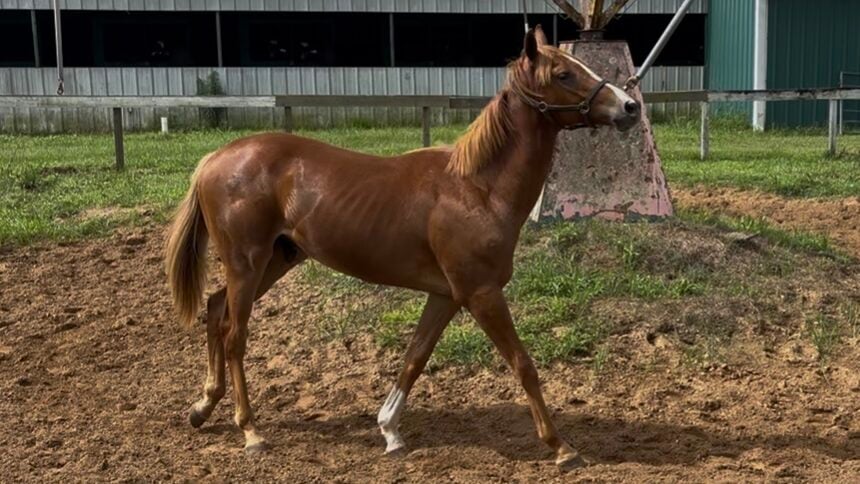
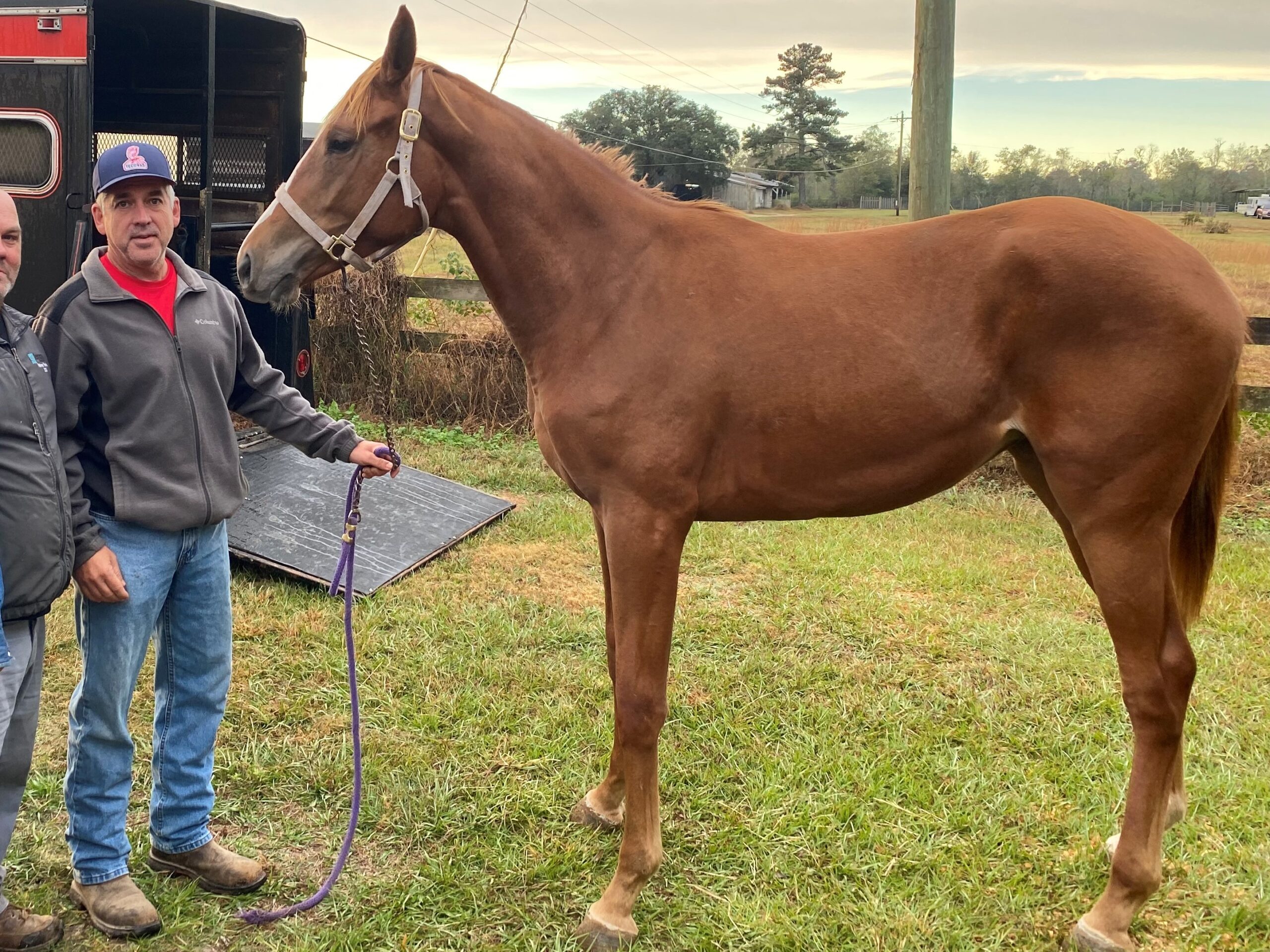
After laying this groundwork, I like to see certain markers before moving on. In my barn, for example, my Goldencents colt, a yearling born in March 2025, is currently in this phase. We begin with short sessions on the training track first with a pony horse for security, then gradually building independence. For detailed breaking procedures, see Saddle Training a Young Horse Step by Step.
Phase 2: Conditioning and Speed Development (24-30 Months)
Once horses are comfortable under saddle, we begin systematic conditioning. This typically starts with jogging to build cardiovascular fitness, then progresses to galloping and eventually breezing (working at racing speed). Read more about conditioning young horses.
During the initial months, horses work primarily at a jog, building stamina and muscle coordination. We then allow them to run straightaway distances of approximately 100 yards, gradually increasing as their strength develops. Each horse progresses individually, but the goal is to eventually work five furlongs at a controlled pace.
Thoroughbreds mature quickly, with growth plates closing by 24-30 months according to Mississippi State University Extension. Early foals (January-March), like my Astrology colt Astrologysprotege (foaled March 13, 2020), often reach racing readiness by their two-year-old year with fully developed stifle joints and robust muscle mass.
Phase 3: Race Preparation (6-9 Months Before Debut)
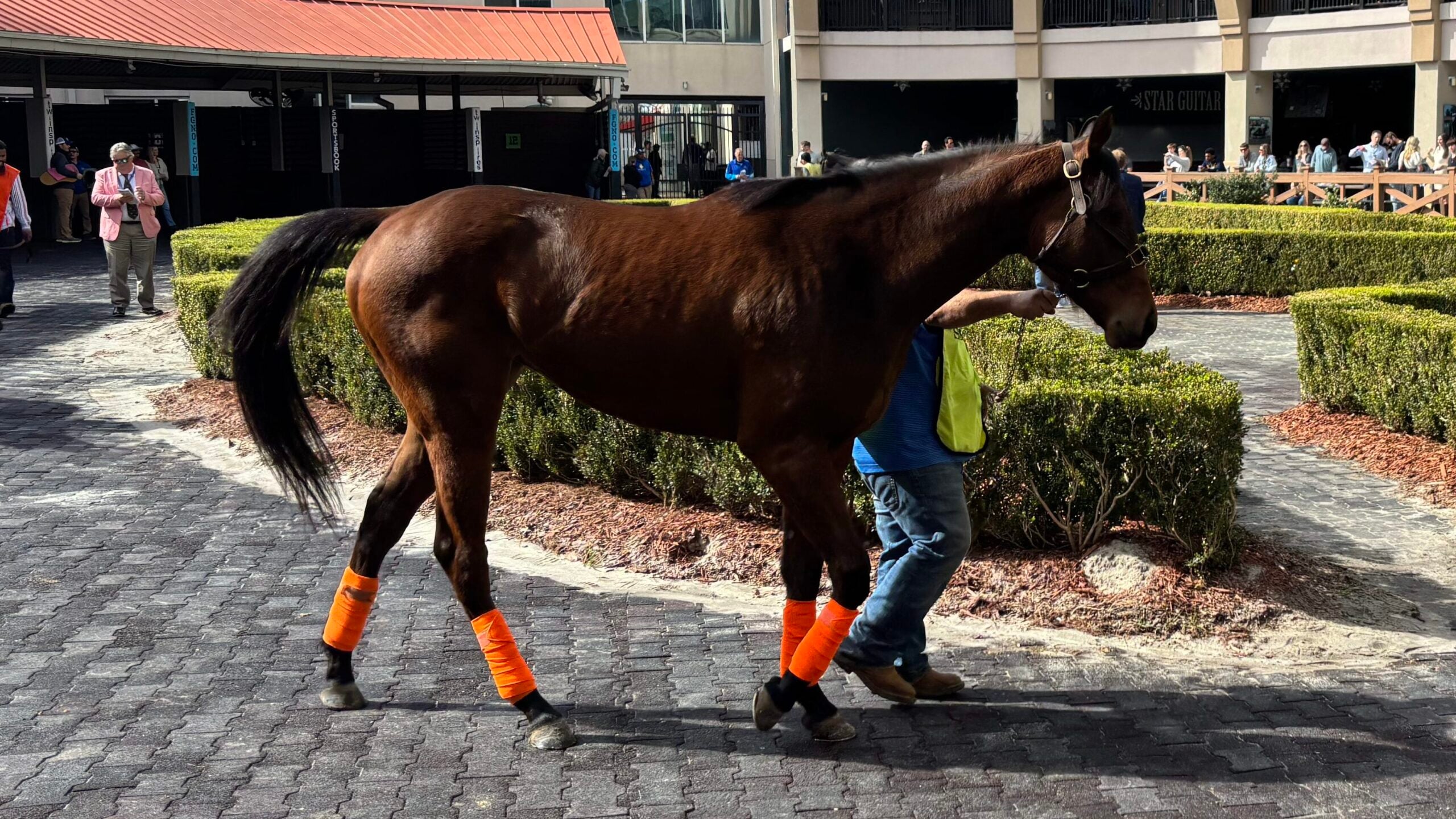
Gate schooling represents the final critical phase before debut. This involves teaching horses to load calmly, stand quietly, and break efficiently from the starting gate. At tracks like the Fair Grounds in New Orleans, we utilize schooling races—non-betting practice runs that simulate race conditions without the pressure of official competition.
Astrologysprotege benefited from this comprehensive 6-9 month progression, ultimately achieving success at Evangeline Downs as documented in his Equibase racing record. Early foals often make their debuts in spring, while late foals may wait until fall or their three-year-old season.
| Training Phase | Age Range | Key Activities | Duration |
|---|---|---|---|
| Breaking & Foundation | 18-24 months | Ground manners, tack acceptance, pony horse work | 2-4 months |
| Conditioning | 24-30 months | Jogging, galloping, distance building | 3-6 months |
| Race Preparation | 30+ months | Gate schooling, breezing, schooling races | 2-3 months |
Watch Dr. Larry Bramlage discuss building a Thoroughbred two-year-old for racing:

The Economics Behind Early Racing Debuts
Economic factors significantly influence when Thoroughbreds begin racing, creating both opportunities and pressures that shape industry practices. Understanding these financial dynamics is essential for making informed debut timing decisions.
Training Costs and Return on Investment
The substantial cost of maintaining a racehorse in training creates natural pressure for early debuts. With expenses averaging $6,000 monthly for basic training, plus additional costs for veterinary care, transportation, and race entries, owners often seek to recoup investments through prize money and breeding opportunities.
This economic reality particularly affects the two-year-old in training sales market, where horses with impressive speed during “breeze shows” can command significantly higher prices. The Ocala Breeders’ Sales (OBS) represents a prime example, where a fast quarter-mile breeze can add substantial auction value.
This market is largely driven by “pinhookers”—investors who purchase yearlings specifically to prepare and resell them as racing prospects for profit. To learn more about this specialized business, see our guide on The Business of Pinhooking.
Early success on the track doesn’t just mean bigger purses — it can also increase a horse’s value for breeding. For instance, a colt who shows speed at two may catch the eye of breeders hoping to buy a share of his breeding rights (called stallion syndication). Fillies that perform well early often become more desirable broodmares, since breeders believe they’ll pass on speed and soundness. All this means that early performance often pays off not just in winnings, but long-term value.
Qualifying Systems and Experience Building
Modern racing’s qualifying systems create additional incentives for early debuts. The path to prestigious races like the Kentucky Derby requires accumulating qualifying points through competitive performances, not just pedigree credentials.
A strategic two-year-old campaign allows horses to gain crucial race experience while building the competitive record necessary for Triple Crown qualification. This experience proves invaluable for mental development, teaching horses to handle the pressure of competition, crowds, and track conditions they’ll encounter in major races.
For comprehensive information about racing economics, read our guide on Thoroughbred Breeding Economics.
Physical Development and Foaling Date Impact
A horse’s birth month significantly influences its debut timing and early racing success, creating strategic considerations that extend far beyond the universal January 1 birthday system.
Late foals (April–June) often need more time to grow before they’re ready to train. Trainers usually watch their weight and body condition closely to make sure they develop safely and stay sound long-term. The science behind training young horses confirms that progressive exercise programs can strengthen bones and soft tissues when properly implemented, preparing horses for racing’s physical demands.
Early foals typically show several advantages by their two-year-old year: larger frame size, more advanced muscle development, and greater mental maturity. These horses often debut in spring or early summer, taking advantage of their developmental head start.
Conversely, late foals may benefit from delayed debuts that allow additional maturation time. Many of these horses ultimately prove their worth by their three-year-old season, when the developmental gap narrows considerably.
A foal born in January and one born in June of the same year are both considered the same “age” once January 1 hits. But those six months can make a big difference — more time to grow, build bone, gain muscle, learn manners. That’s why early foals often hit the track sooner and sometimes at a stronger level, giving them an edge under the January 1 system.
The Global Perspective: Early vs. Late Start Philosophies
The debate over optimal debut timing extends internationally, with different racing cultures adopting contrasting approaches that reflect varying priorities between commercial pressures and welfare considerations.
The European Approach
European racing, particularly in France and Ireland, often emphasizes patience over precocity. Trainers like Aidan O’Brien frequently delay debuts to age three, prioritizing long-term soundness over immediate returns. This philosophy argues that allowing full physical and mental maturation results in more durable racing careers.
Critics of early racing point to increased injury risks, particularly conditions like “bucked shins” that affect young horses whose bones are still adapting to racing stresses. They advocate waiting until three or four years of age for optimal skeletal development.
Research-Based Counter-Arguments
However, compelling research challenges the assumption that later starts necessarily improve career longevity. A comprehensive study published in the Equine Veterinary Journal found that horses starting their racing careers younger often enjoyed longer competitive lives.
This research suggests that properly designed training programs for two-year-olds can condition bones and soft tissues through progressive loading, potentially creating stronger, more resilient athletes. The key lies in gradual conditioning rather than rushing unprepared horses into competition.
The Japanese Model
Japan offers a fascinating middle ground between the U.S. and European approaches. Most Japanese Thoroughbreds debut at two, reflecting commercial and competitive realities, but training programs emphasize conservative progression with an eye toward long-term durability. Horses typically enter racing off carefully managed workloads that balance early conditioning with skeletal protection. This system has produced globally competitive champions like Deep Impact and Equinox, who combine precocity with sustained excellence, demonstrating the effectiveness of Japan’s balanced philosophy.
Champions from Both Approaches
Racing history demonstrates that both early and late debut strategies can produce exceptional horses:
- Nyquist (2016 Kentucky Derby winner): Raced extensively at two, winning the Breeders’ Cup Juvenile before capturing the Derby, proving early campaigns can build toward classic success.
- Animal Kingdom (2011 Kentucky Derby winner): Made a late debut at two but peaked during his three-year-old campaign, demonstrating that patience can pay dividends.
- Justify (2018 Triple Crown winner): Debuted at three and dominated immediately, showing that some horses benefit from extended maturation time.
- Flightline (2022 Breeders’ Cup Classic winner): Started at three and retired undefeated after just six starts, highlighting how late-developing horses can achieve extraordinary success.
Making the Individual Decision: Factors I Consider
After 25 years of racehorse ownership, I’ve learned that each horse requires individual assessment rather than adherence to rigid timelines. Several factors guide my debut timing decisions:
Physical Development Markers: I closely monitor growth plate closure, particularly in the knees and stifles, working with veterinarians to ensure skeletal readiness. Muscle development, coordination, and overall body condition provide additional readiness indicators.
Mental Maturity: Some horses demonstrate racing aptitude early, showing focus and competitiveness during training. Others require additional time to develop the mental toughness necessary for competition.
Market Considerations: Economic factors influence timing, but I prioritize long-term soundness over short-term financial pressures. A rushed debut can compromise a horse’s entire career.
Individual Horse Signals: Ultimately, horses often indicate their readiness through training performance, attitude, and physical development. Experienced horsemen learn to read these signals and adjust accordingly.
My current Goldencents yearling, turning two in 2026, is progressing well toward a planned June debut. This timeline reflects his March birth date, steady development, and individual characteristics that suggest he’ll benefit from a measured approach to race preparation.
This timeline tracks a Thoroughbred’s development from foaling to Derby age. It highlights key stages—growth, handling, foundation training, conditioning, gate schooling, and race preparation—showing the typical ages and milestones that help a young horse progress safely and effectively toward racing.
Thoroughbred Development Timeline: Foal → Derby
Foaling / Birth (Jan–Jun)
Foal is born after 11-month gestation. Early foals (Jan–Mar) develop faster, gaining a head start under the January 1 rule (80% of Derby winners raced at 2, Equine Vet J).
Yearling Phase (12–18 mo)
Weaning from dam; basic halter training, pasture play for bone strength (MSU Extension: reduces injury risk by 20-30%).
Breaking / Foundation (18–24 mo)
Saddle acceptance, pony horse work, ground manners (AAEP: builds confidence, prevents stress).
Conditioning & Speed (20–26 mo)
Jogging to breezing; growth plates close (MSU: moderate exercise strengthens bones by 19%). Build to 5-furlong works for racing readiness.
Race Prep / Gate Schooling (20–24 mo)
Loading/standing in gate, schooling races at tracks like Fair Grounds (AAEP: simulates conditions, reduces debut anxiety). Early foals start at 20 mo for spring debuts.
Race Debut (24–36 mo)
First official race (maiden/stakes). Early foals debut spring at ~24 mo; late foals fall at ~3 yrs. See Astrologysprotege’s debut.
Prestigious Campaign / Derby Prep (3 yrs)
Graded stakes, earning Derby points (e.g., Justify debuted at 3, won Triple Crown).
Derby Age / Peak Racing (3–4 yrs)
Major stakes, breeding valuation (peak at 4.5 yrs, Equine Vet J).
Each stage—from early handling to race debut and Derby preparation—represents an essential step in a Thoroughbred’s growth, training, and readiness for competitive racing.
Conclusion: When Do Thoroughbred Horses Start Racing?
When do Thoroughbred horses start racing? The answer involves balancing the January 1 birthday rule with individual development, economic realities, and strategic career planning. While most horses debut at two or three years old, successful timing depends on recognizing each horse’s unique readiness signals.
Early foals like my Astrology colt Astrologysprotege can benefit from their developmental advantage, often racing successfully at two as evidenced by his Equibase record. However, champions like Justify and Flightline prove that patient development can yield extraordinary results.
My current approach with the Goldencents yearling reflects this individualized strategy—targeting a June 2026 debut that respects his March birth date while allowing adequate preparation time. This balance between opportunity and caution represents the key to successful debut timing in modern Thoroughbred racing.
Ultimately, the best debut timing balances industry tradition with the individual horse’s readiness — a principle that has produced champions across every generation of racing.
For deeper insights into related topics, explore our comprehensive guides on How Fast Can a Horse Run?, How Long Do Racehorses Race? and Why Are Racehorses So Young? For breeding and economic considerations, see our detailed analysis in Thoroughbred Breeding Economics.
Join our newsletter for racehorse insights, share your thoughts in the comments, or contact me for advice. Let’s build a community of passionate racehorse owners!
About Miles Henry
Racehorse Owner & Author | 30+ Years in Thoroughbred Racing
Miles Henry (legal name: William Bradley) is a professional horseman based in Folsom, Louisiana. He holds Louisiana Racing License #67012 and has spent over three decades managing Thoroughbreds at premier tracks including Fair Grounds, Delta Downs, and Evangeline Downs.
Expertise & Hands-On Experience: Beyond the track, Miles has decades of experience in specialized equine care, covering everything from hoof health and nutrition to training protocols for Quarter Horses, Friesians, and Paints. Every guide on Horse Racing Sense is rooted in this “boots-on-the-ground” perspective.
30 of their last 90 starts
Equibase Profile.

Connect with Miles: