
Last updated: March 18, 2026
Any links on this page that lead to products on Amazon are affiliate links and I earn a commission if you make a purchase. Thanks in advance – I really appreciate it!
Feeding senior horses correctly is one of the most important, and most challenging aspects of horse ownership. Whether it’s the retired racehorse that gave you his best years or the steady trail partner that’s seen it all, watching them age is a privilege—but it also comes with a new set of challenges. One of the biggest? Keeping them at a healthy weight and ensuring they actually get the nutrients they need.
🚩 When to Call the Vet (Senior Alert)
Senior horses can decline rapidly. If you notice any of the following, contact your veterinarian immediately:
- Rapid Weight Loss: Greater than 10% in 30 days or a steady downward trend.
- Colic Signs: Rolling, pawing, sweating, or restless discomfort.
- Eating Distress: Coughing while eating or difficulty swallowing (Choke/Dental).
- Dehydration: Significant drop in water intake or dry, hard manure.
- Laminitis Signs: Hoof heat, strong digital pulse, or a “stone-bruised” gait.
- Sudden Lethargy: Paired with fever, diarrhea, or profound depression.
Who this guide is for: This specialized deep-dive on senior horse feeding for owners of horses 15+ years old, especially those showing signs of weight loss, dental issues, or metabolic changes like Cushing’s (PPID) or Insulin Resistance. For the foundational feeding principles that apply to ALL horses, start with my complete horse feeding guide.
Health & Nutrition Disclaimer
The information provided in this guide is based on my years of experience and research into senior horse care. However, every horse is an individual with unique medical needs. This content is for educational purposes only and does not replace professional veterinary advice. Always consult with a licensed veterinarian or equine nutritionist before making significant changes to your horse’s diet, especially if they have underlying health conditions like Cushing’s or EMS.
Why you can trust this guide: I’ve owned horses for over 30 years and worked closely with vets and nutritionists to keep my senior horses in top condition. This page reflects real-world barn experience combined with proven equine nutritional principles. Think of this as your central hub for senior horse feeding.

Why Senior Horses Need a Different Feeding Plan
As horses age, their bodies don’t digest and absorb nutrients the same way they once did. This isn’t just barn talk, it’s backed by equine extension programs and veterinary research showing that older horses undergo physical changes that affect chewing, digestion, and metabolism.
I learned this lesson the hard way with Duke, a 22-year-old bay gelding. Last year, he dropped weight steadily, BCS 5 → 4.5 → 4 over two months. I noticed wads of hay on the ground, barely chewed. ‘Quidding,’ the vet called it. His molars were worn down to almost nothing.
He was eating the same ration as our 8-year-olds, but getting half the nutrition.
Here’s what we changed:
- Switched to soaked hay pellets
- Started Nutrena Senior Complete soaked to a mash
- Added rice bran oil (1/4 to 1/2 cup daily)
- Kept consistent feeding times
Within six weeks, Duke regained weight, hit BCS 5 again, and had his energy back. That experience taught me: senior feeding isn’t about feeding ‘more’—it’s about feeding differently. Why? Three major changes happen as horses age:
- Teeth wear down, and chewing becomes less efficient: Older horses often struggle with long-stem hay because their teeth lose the ability to grind forage well. This can lead to weight loss and choke if not managed. Dental issues are a major driver of changes in senior feeding.
- Hindgut fermentation and nutrient absorption decline: Older horses extract fewer nutrients from the same forage than younger horses. Extension programs like Iowa State University Extension note that aged horses often require higher-quality or more digestible fiber sources to maintain weight and body condition.
- Metabolic issues become more common with age: Conditions such as Equine Metabolic Syndrome (EMS) and insulin resistance require specific low-sugar, low-starch diets to prevent insulin spikes and laminitis. University extension guidance confirms that keeping non-structural carbohydrates (NSC) below about 10–12% helps manage these metabolic risks. Utah State University Extension — Managing Equine Metabolic Syndrome.
In short, senior horses don’t just need “more food”, they need a diet tailored to their changing bodies. Choosing the right forage type, feed form, and feeding strategy helps prevent weight loss, digestive upset, and metabolic complications.
Quick Decision Guide: What Type of Senior Are You Feeding?
Not every senior horse needs the same diet. Use this quick checklist to find your starting point:
- The “Young” Senior: Still chewing well and maintaining weight? Focus on high-quality forage and a senior-specific ration balancer.
- The “Hard Keeper”: Losing weight or “quidding” (dropping hay)? Transition to soaked hay cubes/pellets and a calorie-dense complete feed.
- The Metabolic Senior: Dealing with Cushing’s or Laminitis? Stick to low-NSC forage and specialized feeds, and always test your hay.
Feeding Schedule Example for Senior Horses
Here’s a simple, realistic daily schedule you can adapt based on your horse’s type (Young Senior, Hard Keeper, or Metabolic Senior). This helps you visualize how to space meals and keep digestion stable.
| Time of Day | Feeding Strategy | Consistency & Volume | Benefit |
|---|---|---|---|
| Morning | Soaked forage + Senior Feed + Oil | Soupy/Soft (easy to chew) | Hydration + high-calorie start without a sugar spike. |
| Midday | Small Hay Net or Soaked Snack | Free Choice or Dampened | Maintains gut motility and prevents gastric ulcers. |
| Evening | Soaked Forage + Balancer/Low-NSC | Heavy Forage Base | Supports overnight gut health with slow-digesting fiber. |
| Night Snack | Optional Hay Net (Hard Keepers) | High-Quality Forage | Extra calories for heat production and weight gain. |
Example Senior Feeding Strategy
| Senior Type | Feeding Strategy | Why This Works |
|---|---|---|
| Young Senior (Good teeth/weight) |
1.5–2% BW quality hay + Ration Balancer | Maintains chewing efficiency; balancer fills nutrient gaps without adding excess “hot” calories. |
| Hard Keeper (Dental/Weight issues) |
Soaked Hay Cubes + Senior Complete Feed + Oil | Soaked forage bypasses poor teeth; fat (oil) adds calorie density without a sugar spike. |
| Metabolic (Cushing’s/EMS) |
Tested Low-NSC Hay + Low-Starch Pellet | Restricting Non-Structural Carbohydrates (NSC) prevents insulin spikes and lowers laminitis risk. |
Best Practices for Feeding Senior Horses: The “Why” and “How”
As horses age, many vets estimate that hindgut fermentation efficiency declines by about 5% to 10%. This is why digestibility and moisture become the most critical factors in your program.
1. Prioritize Accessible Fiber & Soaking
If your horse can no longer grind long-stem hay, you must provide “pre-processed” fiber. Practical Guideline: Soak hay cubes or pellets in a 1:1 to 2:1 water-to-feed ratio for 30–60 minutes. This increases moisture and softens particles, which reduces choking risk and improves digestion.
For a deeper look at forage choices, see my article on the best hay for senior horses.
2. Managing Metabolic Risks
Metabolic Senior Warning: If your horse has PPID (Cushing’s) or EMS (Equine Metabolic Syndrome), work closely with your vet. These conditions make horses more sensitive to sugar and starch, so diet is a major part of prevention and management.
What NSC means: NSC stands for Non-Structural Carbohydrates — basically the sugars and starches in forage that can spike insulin. In metabolic horses, high NSC can trigger insulin resistance and increase the risk of laminitis.
Why 10–12% NSC is the target: Most vets and equine nutritionists recommend keeping NSC below 10–12% for metabolic horses because it helps prevent dangerous insulin spikes. A lower NSC also supports long-term hoof health and reduces the chance of laminitis.
What happens if hay is higher: If your hay tests above 12% NSC, it can cause repeated insulin spikes, weight gain in the crest/neck, and increase laminitis risk, even if the horse looks “fine” otherwise.
Down here in Louisiana, managing senior metabolic horses is even more critical. Our spring pastures can spike NSC dangerously high—I’ve seen healthy-looking horses develop laminitis because owners didn’t restrict turnout when new growth came in. Plus, our summer heat means seniors sweat heavily and dehydrate faster.
Practical step: Test your hay by sending a sample to a lab or extension service. If NSC is too high, switch to a low-NSC hay, soak hay, or use a low-starch senior feed designed for metabolic horses.
Read more about preventing founder and laminitis in aging horses.
3. Adding Fat Safely
Fat is a great “cool” energy source for hard keepers. However, you must avoid overfeeding fat too quickly. Start with just 1/4 to 1/2 cup of oil per day and increase slowly to 1-2 cups over two weeks to avoid diarrhea or digestive upset.
Common Mistakes to Avoid When Feeding Older Horses
- Feeding more grain instead of better fiber: Grain doesn’t fix a forage-processing problem. Improve the fiber quality first.
- Ignoring dental checks: Sharp points or missing teeth make it physically impossible for them to extract nutrients.
- Not transitioning feeds gradually: Introduce new feeds over 7–10 days, starting at 25% new feed per day to prevent colic.
Those are the biggest mistakes I see. Here’s one more that’s actually more subtle: Years ago, I had a Thoroughbred mare named Stella, a former racer, probably 18, who was a hard keeper. She could eat all day and still look ribby. Her owner was skeptical when I suggested soaked pellets and oil: ‘Won’t that be too much fussing?’
Three weeks later: ‘She looks different. Her coat is better. She’s playful again.’
What changed? Soaked pellets hydrated the feed, increased digestibility, and oil provided ‘cool’ calories without starch spikes. Total time: 10 minutes per feeding.
That’s when I realized, senior feeding doesn’t have to be complicated. It just has to be intentional.

Monitoring & Routine Care
Success with seniors comes down to catching changes before they become crises. Use the Henneke Body Condition Score (BCS) system: 1 is emaciated, 5 is ideal, and 9 is obese. Aim for a 4–6 range for seniors.
| What to Monitor | Frequency | Why It Matters |
|---|---|---|
| Body Condition Score (BCS) | Weekly | Visual checks aren’t enough; use your hands to feel for ribs hidden by thick winter coats. |
| Dental Check | Every 6 Months | Prevents quidding (dropping wads of hay) and malabsorption of nutrients. |
| Water Intake | Daily | Hydration is the first line of defense against impaction colic, especially in cold weather. |
| Hoof Heat/Digital Pulse | Weekly | The “early warning” system for metabolic laminitis or abscesses. |
Frequently Asked Questions About Feeding Senior Horses
How do I know if my senior horse needs a complete feed?
If they are losing weight, “quidding” (dropping wads of hay), or have poor dental health, a complete feed replaces hay and ensures they get calories they can actually digest.
Do all seniors need senior feed?
No. If they are maintaining a healthy weight on hay and have good teeth, a ration balancer may be all they need to fill nutrient gaps. Compare brands in my guide to the top-rated senior horse feeds.
How much senior feed should I give my horse?
For a 1,000 lb horse, complete senior feeds replace 100% hay at 10-14 lbs/day (1-1.5% body weight), split into 3-4 meals. If using with hay, feed 4-6 lbs/day as a supplement. Always follow bag directions and weigh feed, over/underfeeding causes weight/metabolic issues. Compare top brands here
Should I soak senior horse feed?
For some horses, especially for those with dental issues. Use 1:1 to 2:1 water-to-feed ratio, soak 30-60 minutes until soupy. Prevents choke, increases hydration (critical for colic prevention), improves digestibility by 20%. Start gradual if horse resists texture—add applesauce.
Can senior feed cause laminitis or founder?
Yes, if high-NSC (>12-15% sugars/starches). Choose low-starch formulas (<10% NSC ideal for PPID/EMS). Test hay too. Soaked beet pulp or Timothy cubes are safer alternatives for metabolic seniors.

Conclusion & Next Steps
Feeding the senior horse is an evolving process. Tomorrow, go out and perform a hands-on Body Condition Score check. If your horse is losing weight, schedule a dental exam immediately and consider transitioning to a low-NSC soaked feed.For the fundamentals that support all these senior strategies, see the master feeding guide. For specific metabolic management, explore the Cushing’s horse feeding guide.
Always remember: If you’re unsure or if weight loss continues despite your best efforts, consult your veterinarian. For more help with your stable routine, check out my daily horse care schedule.
About Miles Henry
Racehorse Owner & Author | 30+ Years in Thoroughbred Racing
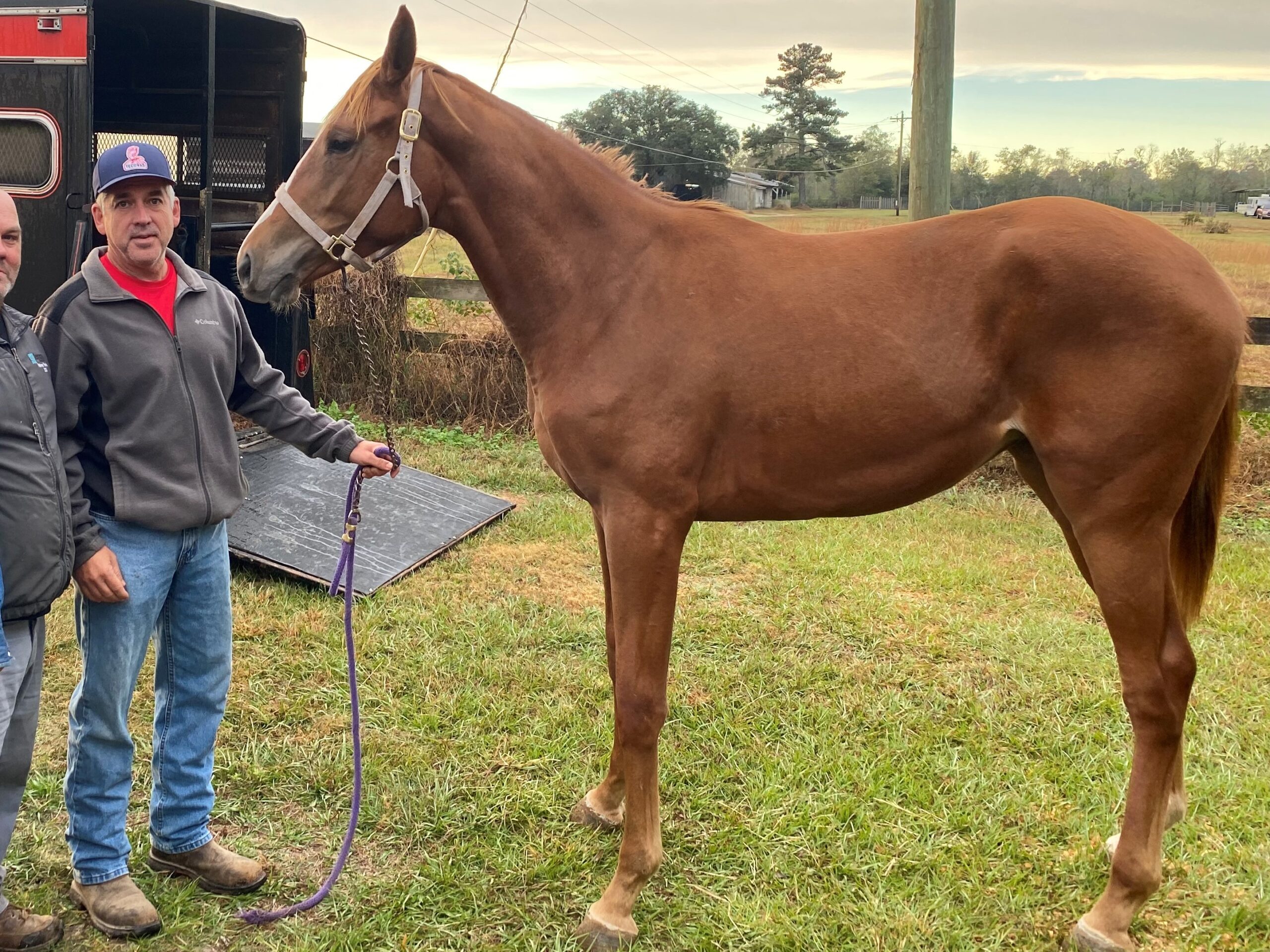
Miles Henry (legal name: William Bradley) is a professional horseman based in Folsom, Louisiana. He holds Louisiana Racing License #67012 and has spent over three decades managing Thoroughbreds at premier tracks including Fair Grounds, Delta Downs, and Evangeline Downs.
Expertise & Hands-On Experience: Beyond the track, Miles has decades of experience in specialized equine care, covering everything from hoof health and nutrition to training protocols for Quarter Horses, Friesians, and Paints. Every guide on Horse Racing Sense is rooted in this “boots-on-the-ground” perspective.
30 of their last 90 starts
Equibase Profile.

Connect with Miles: