Last updated: January 28, 2026

After 30 years managing horses—from Thoroughbred racehorses to barrel racers to backyard trail horses—I’ve learned something critical: the difference between a horse that thrives and one that just survives usually comes down to consistent, daily attention to the small things.
Most owners don’t need another generic horse care checklist they’ll print once and forget. What actually works is a realistic schedule built around how horses signal discomfort, how problems develop over time, and what owners can do consistently in the real world.
I’m Miles Henry (William Bradley, Louisiana Racing Commission License #67012). I’ve had horses at the Fair Grounds, Louisiana Downs, Delta Downs, and Evangeline Downs, and I’ve raised Quarter Horses, managed barrel racers, and cared for pleasure horses. This horse care schedule comes from real barn experience—the 5 a.m. hoof checks, weight tape measurements that caught problems early, and late-night colic scares that taught hard lessons.
This isn’t theory. It’s a practical, proven approach to daily, weekly, and monthly horse care that helps keep horses sound, comfortable, and performing at their best.
If you catch issues early, most emergencies never happen. Here’s the care schedule I use as a baseline in every barn, whether it’s a racehorse or a backyard trail horse:
Quick Reference: Critical Care Schedule at a Glance
| Frequency | Task | Red Flag Indicator | Learn More |
|---|---|---|---|
| Daily | Hoof pick & inspection | Heat in hoof, bounding pulse | Hoof Abscess |
| Daily | Manure count | Fewer than 6-8 piles/day | Colic Prevention |
| Weekly | Weight tape | Loss >30 lbs in 2 weeks | Cribbing/Digestive |
| Monthly | Body condition score | Drop >1 score in 30 days | Nutrition |
| 6-8 Weeks | Farrier visit | Cracks, chips, flared walls | Hoof Essentials |
| Annual | Dental & Vaccines | Quidding, head tossing | AAEP Guidelines |
Note: This care schedule is based on hands-on horse management experience and is intended as a general guide. It does not replace veterinary diagnosis or professional care. Always consult your veterinarian or farrier if you notice persistent pain, sudden changes, or emergency symptoms.
Table of Contents
Daily Essentials: The Non-Negotiables
These daily horse care tasks happen every single day—no exceptions. They’re where you catch problems before they become emergencies.
Morning Routine (6:00-7:30 AM)
Start your day by checking each horse for changes overnight. I walk through my barn looking for anything different from yesterday—a horse standing differently, manure that looks off, water buckets that haven’t been touched.
Morning Management: The Critical Care Window
| Time | Task | Time Needed | What to Look For |
|---|---|---|---|
| 6:00 AM | Visual health check | 2-3 min/horse | Lameness, swelling, abnormal behavior |
| 6:10 AM | Water inspection | 1 min/horse | Clean buckets, adequate water levels |
| 6:15 AM | Manure check | 1 min/stall | Consistency & count (8-12 piles/day) |
| 6:20 AM | Feed Hay | 5 min/horse | Eager appetite, clean feeders |
| 6:50 AM | Feed Grain (post-hay) | 3 min/horse | No feed refusal or “slow” eating |
| 7:00 AM | Hoof pick & inspection | 2 min/horse | Heat, digital pulse, thrush, debris |
Miles’ Rule: Feeding hay 30 minutes before grain creates a protective forage mat in the stomach, which is the most natural way to prevent acid splash and ulcers during the morning workout.
Total morning routine time for one horse: approximately 15-20 minutes
- Visual health check: Watch each horse move naturally before you approach. Look for lameness, swelling, or reluctance to bear weight. A horse that’s normally at the stall door but is standing in the back corner is telling you something. Small changes like unusual stomping behavior—especially focused on one leg—often signal developing hoof pain or discomfort.
- Water bucket inspection: Check that automatic waterers are functioning and buckets are clean. In Louisiana’s heat, a horse can drink 10-15 gallons daily. If yesterday’s bucket is still full, investigate immediately.
- Manure assessment: Most adult horses pass 8–12 manure piles per day. A consistent drop below that horse’s normal—especially fewer than 6–8 piles in 24 hours—is a red flag, especially combined with other changes, which can signal colic developing. Sudden increases in cribbing behavior alongside manure changes often indicate gastric discomfort.
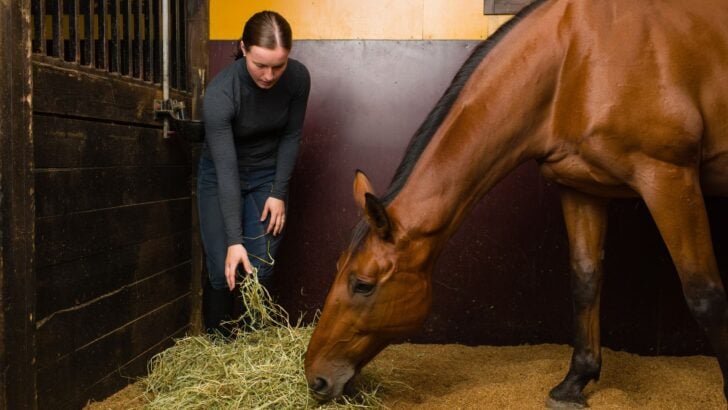
- Feed delivery: Morning hay or grain according to your program. I prefer feeding hay first, then grain 30 minutes later to support gut health. Aim for 1.5-2% of body weight in forage daily—that’s 15-20 pounds for a 1,000-pound horse, per AAEP nutrition guidelines.
- Hoof pick and inspection: Pick all four hooves daily. This takes two minutes per horse but prevents thrush, catches stone bruises early, and lets you monitor hoof wall quality. Check for heat in the hoof wall and increased digital pulse—early indicators of developing abscesses.

One morning in June 2019, I noticed our bay gelding Rusty standing slightly favoring his right front. No obvious heat, no visible swelling. Two days later he was dead lame from a brewing hoof abscess. That taught me to trust subtle morning observations—they’re often the first warning.
Midday Check (12:00-1:00 PM)
- Water refill and cleaning: Rinse and refill buckets. Algae builds fast in warm weather.
- Fly control application: In Louisiana, flies are relentless from April through October. Apply fly spray or check fly masks.
- Turnout supervision: If your horses get midday turnout, watch them move for the first five minutes. Lameness shows more clearly in motion.
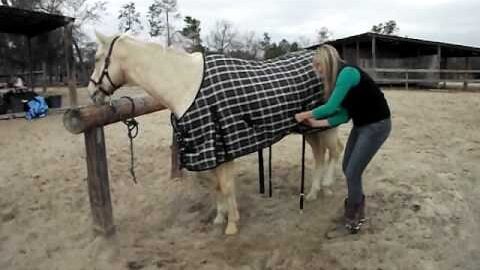
- Weather adjustments: Blanket or sheet as needed. Louisiana weather can shift 30 degrees in six hours.
Evening Routine (5:00-6:30 PM)
- Second feeding: Deliver evening hay and grain rations.
- Stall cleaning: Remove wet bedding and manure. Clean stalls prevent hoof problems and respiratory issues.
- Final visual check: Walk through one more time. Check for injuries from turnout, changes in attitude, or signs of illness.
- Blanket check: Ensure blankets fit properly and aren’t twisted or rubbing.
- Secure the barn: Close stall doors, turn off non-essential lights, verify water sources.
Miles’ Pro Tip: I keep a small notebook in my truck. If I notice something during daily checks—a small cut, slightly elevated digital pulse, one less manure pile than usual—I write it down. Most of the time it’s nothing. But when a problem develops, that log tells me exactly when it started and helps my vet make faster decisions.
Weekly Maintenance Tasks
These happen once or twice per week and keep your operation running smoothly.
Grooming and Body Condition
- Full body grooming (2–3x weekly): Curry, brush, and inspect the entire body. Watch for skin issues, new lumps, heat, or swelling. Focus on girth areas, pasterns, and under the jaw — early detection prevents minor issues from escalating.
- Mane and tail maintenance: Detangle and check for skin conditions at the base. Humid climates can foster rain rot or fungal growth.
- Weight monitoring: Use a weight tape weekly. A 50-lb loss over two weeks or sudden changes in body condition are early warning signs for digestive or metabolic issues.
Facility Maintenance
- Deep stall cleaning: Strip stalls fully once weekly, replace bedding. Look for wet spots that could harbor bacteria.
- Fence inspection: Walk fence lines checking for loose boards, nails, or damaged wire. Unsafe fencing is a leading cause of injuries.
- Water trough cleaning: Scrub and rinse shared waterers weekly. Stagnant water can harbor bacteria or algae.
- Tack inspection: Check leather, billets, and hardware for wear, cracks, or rust. Unsafe tack can cause injury during riding or turnout.
Training and Exercise
- Scheduled riding or groundwork: Horses in work need 4-6 sessions weekly. Trail horses might need 2-3. Consistency matters more than intensity.
- Turnout rotation: Rotate pastures if possible to prevent overgrazing and parasite buildup.
- Hoof condition check: Assess hoof growth, wall quality, and whether shoes are secure or loose.
Monthly Health Checkpoints
Monthly tasks catch developing problems before they require emergency vet calls.
Health Monitoring
- Body condition scoring: Assign a score from 1-9 following the Henneke system. Most horses should maintain 4-6. Racehorses might run 4-5, pleasure horses 5-6. Track monthly to catch slow weight loss or gain.
- Dental check: Watch for quidding (dropping feed), head tossing, or difficulty chewing. Schedule your vet immediately if you see these signs.
- Sheath or udder cleaning: Geldings need sheath cleaning every 6–12 months depending on buildup. Mares need udder checks for swelling, discharge, or irritation. Persistent changes require vet attention.
- Weight measurement: Use a livestock scale or weight tape. Document trends over three months. Sudden or consistent changes can indicate digestive, metabolic, or musculoskeletal issues.

Farrier Care
- Regular farrier visits: Every 6-8 weeks for most horses. Racehorses in training might need 5-week cycles. Barefoot horses still need regular trims to maintain balance.
- Between-visit hoof care: Apply hoof conditioner if needed. In Louisiana’s wet springs, thrush prevention matters. In dry summers, hoof hardener helps.
Skipping farrier appointments is one of the fastest ways to create lameness. I’ve seen horses go from sound to grade-2 lame in just two weeks past their scheduled trim.
Tack and Equipment
- Saddle fit check: Run your hand under the saddle after riding. Dry spots indicate pressure points. Reassess fit every few months as horses gain or lose muscle.
- Bit and bridle cleaning: Wash bits after each use, deep-clean leather monthly with saddle soap and conditioner.
- Blanket rotation and repair: Check all blankets for rips, broken buckles, or worn straps. Repair immediately.
Quarterly and Seasonal Care
These tasks align with seasonal changes and physiological cycles.
Deworming Schedule
I follow a strategic deworming protocol based on fecal egg counts rather than blanket quarterly dosing. This approach reduces parasite resistance and saves money. Research from the AAEP’s parasite control guidelines shows that targeted deworming based on fecal egg counts significantly reduces resistance development compared to interval-based programs.
Strategic Deworming: A Seasonal Guide
| Season | Timing | Product/Target | Notes |
|---|---|---|---|
| Spring | March-April | FEC Test / Baseline | Deworm high shedders (>200 EPG) with Ivermectin or Moxidectin. |
| Summer | June-July | Retest if needed | Only treat horses showing elevated egg counts. Use heat to your advantage. |
| Fall | Nov-Dec | Praziquantel + Ivermectin | Target tapeworms and bots after the first hard frost. |
| Winter | As needed | Based on FEC | Most adult horses do not require routine winter deworming. |
Veterinary Note: Over-deworming leads to drug resistance. Always consult with your vet to interpret Fecal Egg Count (FEC) results before administering chemical dewormers.
Young horses (under 3 years) and seniors (over 20 years) need more frequent monitoring. Consult your vet for a tailored program. For more on parasite management, see our guide Managing Internal Parasites in Horses.
Seasonal Preparation
Spring (March-May):
- Body clip horses as needed to remove winter coats
- Increase fly control measures as temperatures rise
- Monitor pasture grazing to prevent laminitis; watch for hoof heat, uneven weight distribution, or reluctance to move
- Inspect and repair barn fans for summer heat
Summer (June-August):
- Increase electrolyte supplementation during heavy work
- Provide shade and fans in barns
- Adjust riding schedules to early morning or evening
- Watch for heat stress—rapid breathing, elevated temperature above 103°F
Fall (September-November):
- Assess blanket inventory and order replacements
- Schedule annual dental work before winter
- Bot fly deworming after first frost
- Check water heaters before freezing temperatures hit
Winter (December-February):
- Increase hay rations to maintain body heat—horses generate warmth through hindgut fermentation
- Break ice on water sources twice daily in freezing weather
- Check blanket fit weekly as horses lose or gain weight
- Monitor for rain rot and scratches in wet conditions
For comprehensive winter care strategies including blanket selection, frozen water solutions, and cold-weather nutrition, see our complete winter horse care guide.

Veterinary Reminder: Seasonal care varies by age, breed, and workload. Always consult your veterinarian before changing deworming schedules, rations, turnout, or exercise routines.
Quick Reference: Seasonal Care at a Glance
| Season | Key Tasks | Red Flag Indicators | Vet Reminder |
|---|---|---|---|
| Spring | Body clip, fly control, pasture monitoring | Hoof heat, laminitis signs, sudden colic | Consult vet if laminitis signs or poor condition appear |
| Summer | Shade, fans, electrolytes, adjust ride times | Rapid breathing, temp >103°F | Hydration support; call vet if heat stress persists |
| Fall | Dental work, blanket prep, bot fly deworming | Weight loss, lameness, poor coat | Schedule vet check if body condition drops |
| Winter | Increase hay, break ice, blanket check | Hypothermia, frostbite, matted coat | Adjust feed/turnout; call vet for persistent issues |
Note: This table summarizes key seasonal tasks. Always adjust for your horse’s age, health, and workload. Consult your veterinarian for individualized care.
Annual Veterinary and Professional Care
These are the big-ticket items that keep horses healthy long-term.
Veterinary Examinations
- Annual wellness exam: Complete physical including heart and lung auscultation, temperature, digital pulse assessment, and general soundness evaluation.
- Vaccinations: Follow AAEP guidelines for core vaccines (tetanus, EEE/WEE, West Nile, rabies) administered annually. Risk-based vaccines (influenza, rhinopneumonitis, strangles) depend on exposure, travel schedule, and facility requirements.
- Dental floating: Most horses need teeth floated every 12 months. Seniors might need 6-month intervals. Young horses (2-5 years) often need more frequent work as permanent teeth erupt.
- Coggins test: Required annually for interstate travel and show competition in most states.
💡 Miles’ Pro Tip: Digital Record Keeping
I’ve switched to using my smartphone for injury documentation. When I notice a small cut, heat in a hoof, or minor swelling, I take a quick photo with the date stamp. Two weeks later, if that area is still concerning, I have visual proof of how it’s progressed or healed. This has saved me countless hours trying to remember “when did that start?” during vet calls.
Professional Assessments
- Saddle fitting consultation: If your horse has changed shape significantly through training or age, have a professional check saddle fit.
- Nutritionist consultation: Consider this if managing metabolic issues, supporting performance horses, or addressing chronic weight problems.
- Chiropractor or bodywork: Many performance horses benefit from annual or semi-annual adjustments, particularly if they show stiffness or resistance under saddle.
For advanced care techniques including chiropractic work, acupuncture, and specialized conditioning programs, see our guide on advanced horse care beyond the basics.
Annual Care at a Glance
| Task | Frequency | Red Flag / Notes |
|---|---|---|
| Vaccinations | Annual (core), risk-based as needed | Watch for swelling, fever, or injection site reactions |
| Dental Floating | Annually (6 months for seniors) | Dropping feed (quidding), head tossing, weight loss |
| Coggins Test | Annually | Legal requirement for travel, boarding, or competition |
| Saddle Fit Consultation | As Needed / Changes in condition | Sores, white hairs, dry spots, or “girthiness” |
| Nutritionist Review | As Needed | Adjusting for workload, age, or metabolic concerns |
| Chiropractic / Bodywork | Semi-annual or performance-based | Stiffness, uneven gait, resistance to bending |
Note: Professional annual care is the foundation of long-term soundness. Always use qualified, licensed professionals for dental, chiropractic, and veterinary work to ensure the safety of your horse.
Emergency Protocols: What to Have Ready
Hope you never need this section, but having a plan prevents panic when emergencies happen.
Emergency Contact List (Post This in Your Barn)
- Primary veterinarian name and 24-hour number
- Emergency equine hospital location and contact
- Farrier contact information
- Poison control hotline (ASPCA: 888-426-4435)
- Farm address with GPS coordinates for emergency responders
- Nearest neighbors who can help in an emergency
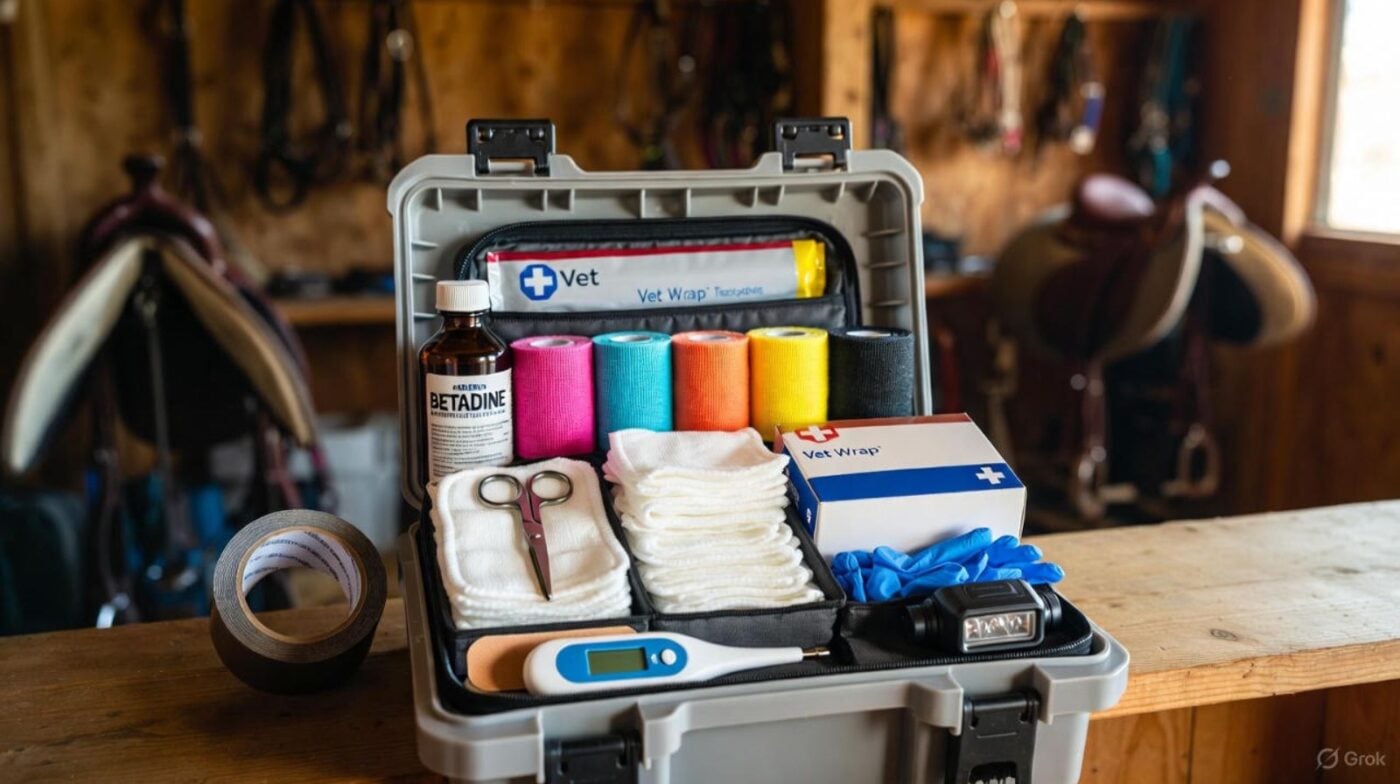
First Aid Supplies to Keep Stocked
- Digital thermometer (normal temp: 99-101°F)
- Stethoscope for gut sounds
- Sterile gauze pads and roll gauze
- Vetrap or cohesive bandage
- Antiseptic wash (Betadine or chlorhexidine)
- Triple antibiotic ointment
- Banamine paste or injectable (with vet authorization)
- Hoof pick and knife
- Flashlight with fresh batteries
- Clean towels

When to Call the Vet Immediately
Don’t wait on these situations:
⚠️ Warning: Never Medicate Without Veterinary Approval
While products like Banamine can be lifesaving when used correctly, administering the wrong medication, incorrect dosage, or treating without a diagnosis can mask serious conditions or cause additional harm. Always consult your veterinarian before giving any medication, even if you’ve used it before on other horses.
- Signs of colic: pawing, repeatedly lying down and getting up, looking at flanks, no gut sounds, elevated heart rate above 50 bpm at rest
- Severe lameness: non-weight bearing, obvious fracture, or deep lacerations near joints
- Eye injuries: cloudy eye, squinting, excessive tearing, or visible trauma
- Respiratory distress: labored breathing, nostril flaring at rest, abnormal lung sounds
- Sudden severe swelling: especially in the head, neck, or chest areas
- Neurological signs: wobbling, head tilt, inability to stand, seizures
- Choking: extended neck, feed coming from nostrils, distress while trying to swallow
For more on equine emergency care, see our comprehensive guide on Emergency Care Preparedness.
Regional Considerations: Louisiana Climate Specifics
Horse care isn’t one-size-fits-all. What works in Colorado doesn’t work here in Louisiana’s heat and humidity.
Heat and Humidity Management (April-October)
Louisiana summers are brutal. Heat indices regularly hit 105-110°F, and horses can’t sweat efficiently when humidity tops 80%.
- Work early or late: Ride before 9 a.m. or after 7 p.m. during peak summer.
- Electrolyte supplementation: Horses sweating heavily need sodium, potassium, and chloride replacement. I add loose salt to grain and keep salt blocks available.
- Cooling protocols: After work, hose horses with cool water focusing on large muscle groups and major blood vessels (neck, chest, hindquarters). Scrape off water immediately—it acts as insulation if left on.
- Shade and airflow: Provide run-in sheds or tree cover. Fans in stalls make a measurable difference.

Wet Season Challenges (December-March)
Louisiana gets 50-60 inches of rain annually, most falling in late fall through early spring. Wet conditions create specific problems.
- Hoof health: Thrush and white line disease thrive in wet conditions. Pick hooves twice daily and treat with thrush preventatives. Our guide on hoof abscess causes covers wet-weather prevention in detail.
- Mud management: Use gravel in high-traffic areas. Rotate turnout to prevent pastures from becoming mud pits.
- Rain rot and scratches: Check pasterns, shoulders, and hindquarters daily for scabby skin. Treat immediately with antimicrobial shampoo.
- Blanket rotation: Wet blankets cause hypothermia. Keep spares dry and swap them out when horses come in wet.
Insect Pressure Year-Round
We don’t get winter relief from flies like northern states do.
- Fly spray daily: I use permethrin-based sprays on bodies and pyrethrin on faces. Reapply after sweating or rain.
- Fly masks and sheets: Essential for horses with fly allergies or sensitive skin.
- Manure management: Remove manure from paddocks twice weekly minimum. Composting reduces fly breeding.
- Fans in stalls: Moving air discourages flies and reduces mosquito landings.
Record Keeping That Actually Helps
I used to think record keeping was paperwork for the sake of paperwork. Then a mare dropped 75 pounds over six weeks, and my feeding records showed exactly when it started—right after I’d switched hay suppliers. That log helped my vet pinpoint a nutritional deficiency fast.
What to Track
- Feeding log: Type and amount of hay, grain, and supplements daily. Note any refusals.
- Health observations: Temperature when taken, manure count and quality, water consumption estimates, minor injuries or swelling.
- Weight measurements: Weekly tape measurements or monthly scale weights.
- Farrier visits: Date, what was done, any concerns noted, next appointment scheduled.
- Veterinary care: All visits, treatments given, medications with dosages and duration, follow-up recommendations.
- Vaccination and deworming dates: Product used, lot number, expiration date, next due date.
- Training and exercise: Date, duration, intensity, any soundness concerns noted.
How to Keep Records
Use whatever system you’ll actually maintain. I keep a small weatherproof notebook in my truck for daily observations, then transfer important information to a binder monthly. Some people prefer smartphone apps or spreadsheets. The best system is the one you’ll use consistently.
“Track unusual behaviors alongside environmental factors—temperature, humidity, and insect pressure. Being able to correlate subtle health changes to climate conditions often allows you to intervene 48 hours before a minor issue becomes a veterinary emergency.”
Common Mistakes and How to Avoid Them
I’ve made most of these mistakes personally. Learn from my experience.
Mistake 1: Skipping Daily Hoof Picks
This seems minor until your horse develops thrush so severe it causes lameness. Two minutes per horse daily prevents this entirely. In Louisiana’s wet conditions, thrush can develop in under a week if hooves stay packed with mud.
Mistake 2: Waiting Too Long for the Farrier
Eight weeks is the maximum interval between trims for most horses. Go longer and you risk flared hooves, cracked walls, and balance problems that take months to correct. Racehorses in training need 5-6 week cycles. The cost of regular farrier work is far less than treating lameness.
Mistake 3: Over-Relying on Automatic Waterers Without Monitoring
Automatic waterers are convenient until they malfunction and you don’t notice for 12 hours. Always verify they’re working and horses are drinking. Dehydration develops fast in heat or during illness.
Mistake 4: Feeding the Same Ration Year-Round
Horses need more calories in winter to maintain body heat and less in summer when pasture is lush. Seniors need different nutrition than young horses in training. Reassess feeding programs seasonally and as workload changes.
Mistake 5: Ignoring Subtle Behavior Changes
A horse that’s usually at the stall door but stands in the back corner is communicating discomfort. Slightly less enthusiasm at feeding time can indicate developing ulcers. Small changes like unusual stomping behavior—especially persistent stomping focused on one leg or occurring at night when insects aren’t active—often signal hoof pain, early laminitis, or skin irritation that needs immediate investigation.
Similarly, sudden increases in cribbing behavior or changes in how intensely a horse cribs can indicate gastric discomfort or stress. These behavioral shifts are often the first warning of bigger problems developing. Trust your baseline knowledge of each horse’s normal behavior—you know your horses better than anyone.
Looking to reduce costs without cutting corners? Our DIY horse care guide shows which tasks you can handle yourself and where professional help is non-negotiable.

Frequently Asked Questions
How much time does proper horse care actually require?
Budget 2-3 hours daily for one horse—more if you’re training actively. That includes feeding twice daily, stall cleaning, turnout/bring-in, grooming, and basic health checks. Add riding or training time on top. Weekend barn chores (deep cleaning, tack maintenance, fence checks) add another 3-4 hours weekly.
Can I reduce costs by spacing out farrier visits?
Short answer: no. Stretching farrier visits from 6 to 10 weeks might save $40 per visit, but the lameness problems you create will cost hundreds or thousands in vet bills. Regular hoof care is non-negotiable. Proper hoof balance prevents issues; poor balance causes them.
What’s the minimum acceptable care standard for backyard horses?
Minimum standards include daily access to clean water, adequate forage (1.5-2% of body weight daily), shelter from weather extremes, hoof care every 6-8 weeks, annual veterinary exam with vaccinations, and daily observation for injury or illness. Anything less puts the horse’s welfare at risk.
How do I know if I’m spending too much time on horse care?
You’re not spending too much time if the horse is healthy, sound, and thriving. You might be inefficient if basic tasks take significantly longer than they should. Focus on streamlining routines—prepare grain the night before, organize tack efficiently, keep frequently-used items accessible. But never cut corners on actual health and safety tasks.
Should I keep horses on a rigid schedule or allow flexibility?
Horses thrive on routine for feeding times—their digestive systems expect food at consistent intervals. Aim for feeding within the same 30-minute window daily. Other tasks (grooming, riding, turnout) can be more flexible as long as they happen regularly. Dramatic schedule changes cause stress and can trigger digestive upset.
What’s the best way to handle horse care when traveling?
Have a reliable backup caretaker who knows your horses and routine. Provide written instructions covering feeding amounts and times, medication schedules, turnout preferences, emergency contacts, and your veterinarian’s information. Leave your cell number and expected return date. For trips longer than 3-4 days, consider boarding at a professional facility.
How does Louisiana’s humidity affect horse care schedules?
Louisiana’s high humidity (often 70-90% in summer) significantly impacts several care aspects. Horses can’t cool efficiently through sweating when humidity is high, requiring earlier morning workouts and later evening sessions during peak summer. Humidity also accelerates hoof moisture problems—thrush develops faster in wet conditions, requiring twice-daily hoof picking from December through March during our wet season. Fly populations remain active nearly year-round here, unlike northern states with winter die-off, so fly control must be a daily task rather than seasonal. Finally, blanket management differs—wet blankets in our climate cause hypothermia even at 50°F, so you need multiple spares to rotate during rainy periods.
Building Your Sustainable Horse Care Routine
Thirty years of managing horses has taught me that consistency beats perfection every time. You don’t need a color-coded spreadsheet or a 10-page checklist. You need a realistic routine you can maintain through Louisiana summers, wet winters, busy work weeks, and unexpected emergencies.
The horses that thrive aren’t necessarily the ones with the most expensive feed or elaborate care schedules—they’re the ones whose owners show up every day and pay attention to the small details. A horse with consistent hoof care, adequate forage, clean water, and an owner who notices when something’s different will outlast a horse with premium supplements but inconsistent basic care.
Start with the daily non-negotiables: clean water, adequate forage, hoof picks, and visual health checks. Build from there as your routine solidifies. Track what works and what doesn’t. Adjust seasonally. Trust your baseline observations of each horse’s normal behavior.
Most importantly, don’t wait for problems to become emergencies. The weight loss you catch at 30 pounds is easier to address than the 80-pound drop that lands you in a veterinary crisis. The subtle lameness you investigate immediately might be a simple stone bruise instead of the full-blown abscess it becomes if ignored for three days.
Horse care isn’t complicated—but it is daily, it is detailed, and it requires consistency. Build a schedule that works for your life, your climate, and your horses’ specific needs. Then show up and do it, every single day.
For more practical horse care insights based on real barn experience, explore our guides on managing digestive health, understanding horse behavior signals, and preventing laminitis.
About Miles Henry: Miles Henry (William Bradley, Louisiana Racing Commission License #67012) has over 30 years of hands-on experience managing Thoroughbred racehorses, Quarter Horses, and pleasure horses across Louisiana. His racehorses have competed at Fair Grounds, Louisiana Downs, Delta Downs, and Evangeline Downs. Every article on Horse Racing Sense reflects real barn experience—not theory.
Connect: Books | Newsletter
Download Printable Horse Care Checklist PDF
This care schedule is based on hands-on horse management experience and is intended as a general guide. It does not replace veterinary diagnosis or individualized treatment. Always consult your veterinarian or farrier if you notice persistent pain, sudden changes, or emergency symptoms.

About Miles Henry
Racehorse Owner & Author | 30+ Years in Thoroughbred Racing
Miles Henry (legal name: William Bradley) is a Louisiana-licensed owner
#67012.
Beyond the racetrack, he’s cared for Quarter Horses, Friesians, Paints, and trail mounts for 30+ years—bringing hands-on experience to every breed profile, health guide, and gear review on this site.
His racehorses have finished in-the-money in
30 of their last 90 starts
Equibase Profile.
Connect: