
Last updated: August 6, 2026
Any links on this page that lead to products on Amazon are affiliate links and I earn a commission if you make a purchase. Thanks in advance – I really appreciate it!
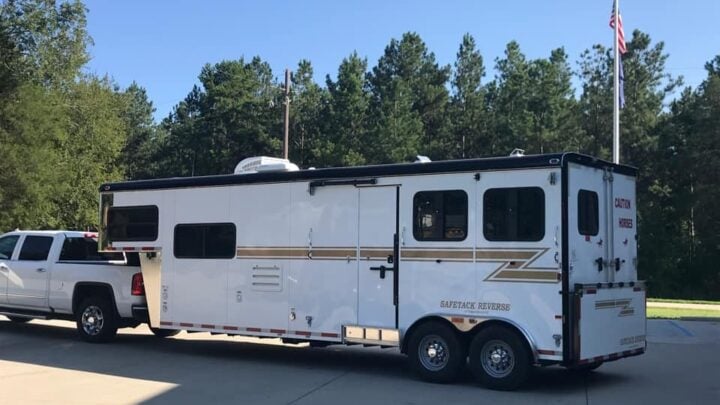
Choosing a gooseneck vs bumper pull horse trailer isn’t a decision I make from a spec sheet. We keep our racehorses in Folsom and haul to races regularly, and over the years we’ve used both styles. I’ve learned that the differences affect how the trailer feels, how confidently I can handle it, and how the horses arrive.
Which is better, a gooseneck or a bumper pull? Neither is universally better—both have their place. A gooseneck generally pulls more steadily in a properly matched setup, while bumper pulls are simpler, often less expensive, and work well for many owners. For frequent hauling, longer trips, more horses, or when I prioritize the steadiest towing feel, a gooseneck is usually the trailer I prefer.
The biggest mistake I see is people choosing a trailer based on what’s sitting on the dealer’s lot instead of matching it to their truck, the number of horses they haul, and how they actually travel. That’s how folks end up with a trailer that looks right on paper but is frustrating, under-matched, or simply wrong for the way they haul. Below, I’ll break down the real-world differences between gooseneck and bumper-pull trailers so you can decide which setup fits your actual hauling.
If you’re comparing more than these two hitch styles, my guide to horse trailer types covers materials, sizes, loading configurations, and other common trailer styles.
Table of Contents
How I Decide Between the Two
When people ask me whether they should buy a bumper pull or a gooseneck, I don’t start with brand names or looks. I start with a few practical questions, because those usually answer it faster than any sales pitch will.
| Choose a Gooseneck If You… | Choose a Bumper Pull If You… |
|---|---|
| Haul frequently | Haul occasionally |
| Carry multiple horses | Usually haul one or two horses |
| Need living quarters | Want a simpler setup |
| Have a suitable pickup already | Already own a properly rated SUV or truck |
| Travel long distances | Mostly haul locally |
How Many Horses Are You Hauling?
Horse count alone isn’t the real dividing line – I’ve seen one horse hauled professionally in a full-size gooseneck, and three horses handled comfortably in a well-matched bumper pull. What actually pushes people toward a gooseneck is a combination of factors: how often you haul, how far you travel, how much gear you’re carrying, and whether you need overnight capability. The more of those that stack up, the more a gooseneck’s extra length and capacity start to pay for themselves.

Do You Need Living Quarters?
If living quarters are part of your plan, the decision usually moves toward goosenecks – the longer frame provides room for sleeping, storage, and amenities without sacrificing as much horse space. See my full breakdown of living quarters versus standard trailers for the tradeoffs.
What Truck Are You Towing With?
This is where a lot of people get themselves in trouble. A bumper pull can work with some properly rated full-size SUVs or half-ton trucks, depending on the trailer, hitch requirements, and actual loaded weight. Payload capacity is often the limiting factor before advertised tow capacity – a truck can be rated to tow plenty of weight and still fall short on payload once horses, tack, feed, and water are loaded. A gooseneck requires a pickup with the right bed-mounted hitch setup – if you don’t already own one, that alone may make the decision for you. That’s why experienced haulers look at the entire combination – truck, hitch, trailer, horses, and equipment – rather than one tow rating number.
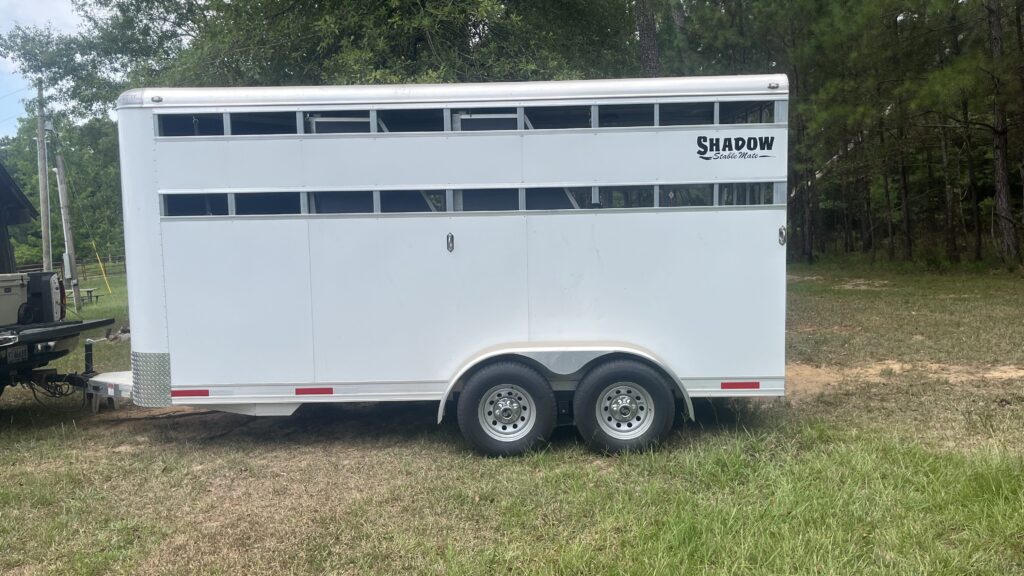
Gooseneck vs Bumper Pull Horse Trailer: Key Differences
There’s a common idea that goosenecks are harder to drive than bumper pulls, and that hasn’t been my experience. They’re different, yes, and the feel changes with trailer length and load balance, but a properly matched gooseneck is easier and steadier to pull than a similarly sized bumper pull.
We’ve hauled both to race meets in summer heat, through crosswinds, and on rough highways. One thing we’ve consistently noticed is that our horses usually seem to come off long trips quieter and less bothered in the gooseneck. I can’t say the trailer alone is responsible for that every time, but the steadier ride is one big reason we keep coming back to it.
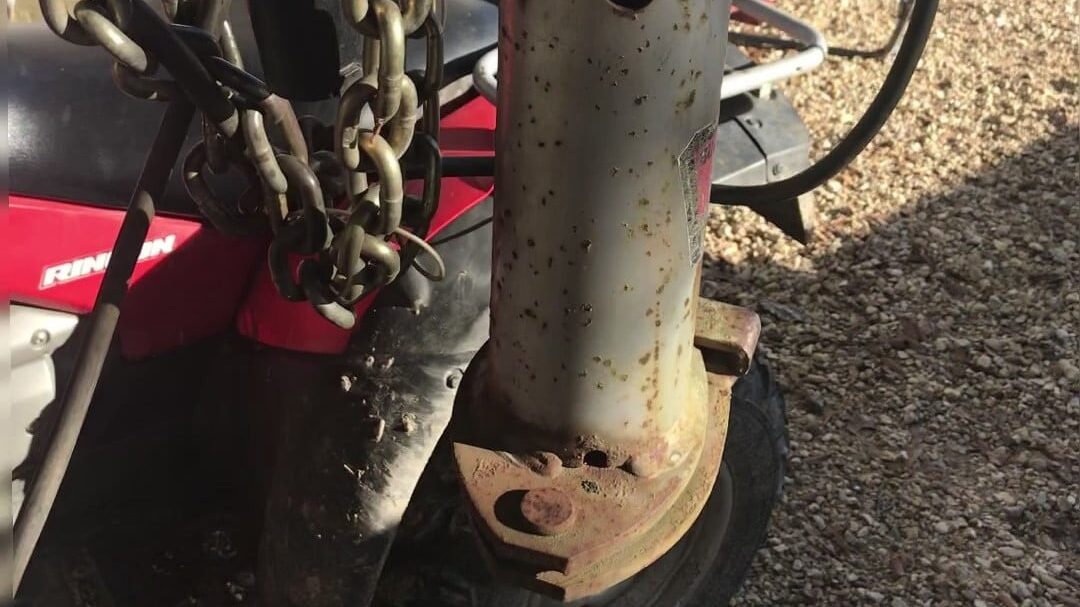
Weight placement: The gooseneck ball is mounted in the truck bed, generally over or slightly ahead of the rear axle, so the trailer’s vertical load is carried through the truck’s frame closer to the axle instead of hanging off the rear bumper.
Stability on the road: A gooseneck usually feels more planted and less fussy, especially when horses shift their weight or road conditions aren’t ideal.
Room and capacity: Goosenecks are generally built larger, giving you more space for horses, gear, and sometimes living quarters.
Sway tendency: A properly loaded bumper pull can tow very well, but a gooseneck often feels less susceptible to sway in comparable setups because its hitch connection sits farther forward in the truck. Trailer design, load balance, tires, and road conditions still matter.
Miles’s Take: Based on my experience hauling racehorses, I’d rather pull the gooseneck every time the truck and trailer are properly matched. The way the weight sits in the truck makes a real difference, and with live horses behind me, that’s not a small detail.

| Factor | Gooseneck | Bumper Pull |
|---|---|---|
| Hitch setup | Requires a bed-mounted hitch in a suitable pickup | Uses a properly rated rear receiver hitch |
| Truck-bed use | Occupies space around the hitch, may limit bed use | Leaves the truck bed open |
| Towing feel | Often steadier in comparable setups | Can tow well when properly matched and loaded |
| Maneuvering | Good turning ability but takes practice, especially backing | Often easier for occasional owners to learn, though sway sensitivity depends on trailer design, loading, hitch setup, tires, and road conditions |
| Typical cost | Usually higher | Often lower |
| Storage | Larger, may need more room | Usually easier to store |
| Best fit | Frequent hauling, more horses, gear, or living quarters | Fewer horses, occasional hauling, simpler ownership |
Tow Vehicle, Tongue Weight, and Pin Weight
The biggest safety problem I see isn’t bumper pull versus gooseneck by itself – it’s people towing with a vehicle, hitch, or setup that isn’t actually rated for the loaded trailer they’re pulling.
Tongue weight is the portion of a bumper-pull trailer’s loaded weight carried by the rear hitch. A gooseneck has a comparable vertical load at the bed-mounted hitch, commonly called pin weight. Neither number is the same as the trailer’s total loaded weight, and both must be checked against the truck’s hitch, axle, payload, and trailer ratings.
Bumper pulls and goosenecks distribute their loaded weight differently. A bumper pull applies tongue weight behind the rear axle, while a gooseneck applies pin weight through the hitch in the truck bed. The actual load depends on the trailer design and how it’s loaded, so use the manufacturer’s specifications and the truck’s ratings rather than relying on a general percentage.
Check the whole combination, not just the tow rating: payload, front and rear axle ratings, GVWR, GCWR, hitch or pin-weight rating, and the trailer’s actual loaded weight all matter, and the lowest applicable rating controls the combination. A truck may look fine based on advertised towing capacity alone, yet still fall short on payload or hitch rating once horses, tack, feed, and water are loaded.
No trailer style makes up for a bad truck-and-trailer match or a driver who never checked the numbers in the first place – hitch style alone doesn’t determine safety.
Why Some Owners Prefer a Bumper Pull
A bumper pull can be the better fit when you’re hauling one or two horses locally, already own a properly rated SUV or pickup, or want a trailer that’s easier to store and less expensive to buy. It leaves the truck bed available for other work, doesn’t require a bed-mounted gooseneck hitch, and is often simpler to hook up for occasional hauling. A well-maintained, properly loaded bumper pull isn’t an inferior trailer just because it uses a rear hitch instead of a bed-mounted one.
Downsides of a Gooseneck Trailer
The main downside is simple: you need the right truck and hitch setup to pull one. If you don’t already own a pickup with a bed available for a gooseneck hitch, that alone may make the decision for you.
The other obvious drawback is cost. Goosenecks usually cost more upfront, and if you add living quarters or move into a larger model, that price climbs quickly. A gooseneck also asks more of you as an owner beyond the truck and price tag: it takes up space in the truck bed, generally has a larger turning arc, and can be trickier to park or store in tight spots. Backing one takes practice, even if it becomes second nature over time.
None of that makes a gooseneck the wrong choice for frequent haulers – it just means the tradeoffs are real, not just a truck-and-price footnote. More room, better balance, and a steadier feel on the road are worth those tradeoffs for a lot of owners, but not automatically for everyone.
If you want the fuller picture, see my guide to where bumper pulls fit among the main horse trailer types. It helps show where they’re still a perfectly good choice.
Key Takeaways
Neither trailer is automatically right for everyone – the best choice depends on your horses, your truck, and how often you haul.
Goosenecks usually feel steadier because the hitch weight sits in the truck bed over the rear axle, not behind the vehicle on a rear hitch.
Bumper pulls can work very well, especially for fewer horses and a simpler setup, but for the way we haul racehorses, a gooseneck is still my preference.
Don’t rely on tow rating alone – check hitch rating, payload, trailer ratings, and your actual loaded setup.
For frequent hauling, more horses, or living quarters, many owners end up preferring a gooseneck.
Before You Buy: Ask Yourself These Questions
A few honest answers to these narrow the decision faster than any spec sheet:
How often will I actually haul? Weekly hauling and a couple of trips a year call for different trailers.
How many horses will I carry, most of the time? Not the rare exception – your typical load.
Do I need living quarters, or would I rather book a hotel? Be honest about how often you’d actually use them.
What truck do I already own, or plan to buy? The trailer decision often starts here, not the other way around.
Where will I store the trailer? A gooseneck’s extra length needs real space.
Do I mostly haul locally, or travel longer distances? Distance changes how much the steadier ride is worth to you.
FAQs
Is a gooseneck trailer safer than a bumper pull?
Not automatically – safety still depends on the truck, hitch, ratings, loading, and driver. But in my experience hauling racehorses, a gooseneck usually feels more stable and controlled because the hitch weight sits over the truck’s rear axle instead of hanging off the back.
What is tongue weight, and why does it matter?
Tongue weight is the amount of the trailer’s front-end weight carried by the hitch, and it’s different from total trailer weight. It matters because your truck and hitch both have to handle that weight safely, along with the rest of the loaded trailer.
Can any truck tow a gooseneck trailer?
No. A gooseneck requires a pickup with a bed-mounted hitch setup. A bumper pull works with a wider range of properly rated vehicles, but you still need to check the actual ratings for the full combination.
How many horses can I haul in a bumper pull trailer?
There is no universal number, since bumper pulls vary widely in size and weight rating. Many common bumper pulls are built for one to three horses, but the limiting factor is the trailer’s rating, horse size, and tow vehicle – not simply the number of stalls.
Which is better for long-distance hauling?
A gooseneck is generally the better fit for long distances – the steadier towing feel and extra capacity matter more the longer you’re on the road. A well-matched bumper pull can still handle long hauls, but the gap becomes more noticeable over hours than it does on a short local trip.
We’ve hauled plenty of miles in both bumper pull and gooseneck trailers getting horses to and from the track, and my honest answer is still that both can do the job when matched correctly. Owners who haul regularly and have the right truck often end up preferring a gooseneck once they’ve spent enough time using both – but no trailer design can compensate for poor loading, an overloaded truck, or aggressive driving. Those factors have a much bigger impact on how safely horses travel than which hitch style you choose.
About Miles Henry
Racehorse Owner & Author | 30+ Years in Thoroughbred Racing
Miles Henry (legal name: William Bradley) is a professional horseman based in Folsom, Louisiana. He holds Louisiana Racing License #67012 and has spent over three decades managing Thoroughbreds at premier tracks including Fair Grounds, Delta Downs, and Evangeline Downs.
Expertise & Hands-On Experience: Beyond the track, Miles has decades of experience in specialized equine care, covering everything from hoof health and nutrition to training protocols for Quarter Horses, Friesians, and Paints. Every guide on Horse Racing Sense is rooted in this “boots-on-the-ground” perspective.
30 of their last 90 starts
Equibase Profile.

Connect with Miles: