
Last updated: September 25, 2026
When a horse suddenly starts biting, kicking, refusing to be caught, acting girthy, or spooking at things it used to ignore, most of us reach for a training fix. That reaction is understandable—but it can miss what the horse is trying to tell us. A sudden behavior change in horses is often information, not defiance.
Quick answer: A sudden behavior change is usually information, not defiance. Look first for pain, management, or environmental causes before treating it as a training problem.
This article walks through the framework I use: how to describe the change clearly, what to check for pain and discomfort, which routine or herd shifts can matter, how to read the pattern, when training helps, and when it is time to call in help. I’ll also share what my filly Diamond taught me when her aggression turned out to be an abscess.
Table of Contents
Start With the Change, Not the Label
Calling a horse “bad,” “stubborn,” or “difficult” does not tell you what to fix. I want to know what the horse is actually doing and whether that behavior is new. A horse that has always been sharp is different from a quiet horse that suddenly pins its ears when you tighten the girth. An occasional spook is one thing; refusing to leave the barn aisle is another.
Before changing the training routine, write down the facts:
- What exactly is the horse doing?
- When did you first notice it?
- What happens immediately before the reaction?
- Does it occur in one place, with one handler, or during one task?
- Has anything changed in feed, turnout, tack, work, herd dynamics, travel, or the daily routine?
Those questions get you past “my horse is being difficult.” They give you useful details to share with your veterinarian, farrier, saddle fitter, or trainer.
For help reading the signals you see, use my guide to horse body language. It explains ears, eyes, posture, tail movement, and tension. This article focuses on the next decision when those signals represent a real change.

Rule Out Pain and Physical Discomfort
A sudden behavioral shift can be the first indication that a horse is hurting. Not every grumpy horse has a major medical problem, but pain belongs near the top of the list when a horse starts resisting a situation it used to handle without trouble.
| What you notice | What to check | Who can help |
|---|---|---|
| New girthiness, bucking, or resistance under saddle | Tack fit, back soreness, teeth, feet, workload, and signs of discomfort when ridden. | Veterinarian, saddle fitter, farrier, trainer |
| Sudden aggression around feed, grooming, or turnout | Pain, illness, herd conflict, ulcers, and recent changes in the horse’s environment. | Veterinarian, barn manager, trainer |
| Reluctance to move, short steps, or stiffness turning | Feet, legs, joints, muscle soreness, footing, and recent work or travel. | Veterinarian, farrier, trainer |
| New sensitivity when bridling or eating | Teeth, mouth, poll, ears, bit fit, and handling history. | Veterinarian, qualified equine dental provider, trainer |
If the horse is lame, colicky, has trouble breathing, has a fever, stops eating or drinking, is injured, or becomes suddenly dangerous, skip training and call your veterinarian promptly. For additional owner guidance on unwanted behavior and vices, see the University of Minnesota Extension overview of unwanted horse behaviors and vices.
Look at What Changed Around the Horse
Horses notice routine changes that people can easily overlook. If physical discomfort is not the obvious answer, review what changed around the horse before deciding it needs more work or stricter correction.
- Turnout and herd dynamics: A new neighbor, separation from a buddy, a herd conflict, or trouble at the fence can change a horse’s behavior quickly.
- Feed and forage access: A different hay, less turnout, a new feeding time, or a change in concentrate can affect energy, comfort, and predictability.
- Workload and schedule: A layoff, a sudden increase in work, a trailer trip, or inconsistent exercise can leave a horse frustrated or sore.
- Handling and stable environment: New people, barn construction, storms, unusual noise, or inconsistent handling can build tension even when nobody intends to create a problem.
I don’t jump to ‘this horse needs more work’ just because it’s unsettled. First I want to know what changed. Once I figure out whether it’s boredom, separation, pain, a disrupted routine, or confusion about the job, I can pick the response that actually fits.
Read the Pattern Before You Make Your Move
How and when the behavior appears tells you a lot about where to look next. A horse that acts up only when saddled needs a different investigation from one that panics when separated from a pasture mate.
| Pattern | First question | Reasonable next move |
|---|---|---|
| It appeared suddenly | Could pain, illness, injury, tack, or a major routine change be involved? | Pause the demand and investigate the physical and management picture first. |
| It happens in one task or place | What is different about that saddle, gate, trailer, aisle, rider, or exercise? | Break the task into smaller pieces and identify the trigger before adding pressure. |
| It happens around one horse or person | Is there a herd conflict, fear history, resource issue, or handling problem? | Change the setup for safety and have an experienced professional observe if it continues. |
| It has built over time | Has the horse been rehearsing the behavior because the routine is unclear or inconsistent? | Make the routine clearer, lower the difficulty, and use a consistent plan. |
When Training Is the Right Next Step
Once you’ve checked for obvious pain and management problems, training may be the right next step. The goal isn’t to win an argument with the horse. It’s to give the horse a clear, repeatable answer to a situation it finds confusing, exciting, or worrying.
I start with small, safe requests the horse can understand. If an anxious horse struggles, I lower the difficulty. If a horse pushes through my space, I go back to clear ground manners and response-to-pressure work. If a horse worries about a new object, I give it time to investigate rather than trapping it in a fight.
For step-by-step exercises, see my guide to groundwork for horse training. For focused line work, use how to lunge a horse safely and effectively. Those articles cover the mechanics; this page helps you decide whether training is the right first answer.
When to Stop and Get Help
I don’t keep experimenting when safety starts slipping. Biting, striking, kicking, rearing, bolting, flipping over, severe separation distress, or a horse that suddenly cannot be handled safely are not problems to solve by watching a few videos and trying harder.
Get professional help promptly when:
- The behavior is sudden, extreme, escalating, or clearly out of character.
- Someone could be injured, including the horse.
- You suspect pain, illness, lameness, a neurological problem, or another medical cause.
- The horse has already rehearsed a dangerous behavior enough that you are losing control of the situation.
- You are not confident you can work safely from the ground or under saddle.
Start with a veterinarian when the change may be physical. Then involve a qualified trainer or equine behavior professional who can see the horse, the handling, and the environment in person.

What Diamond Taught Me
I learned this lesson with my filly, Diamond. Out of nowhere, she started acting aggressively toward other horses in the pasture, which was completely out of character for her. It would have been easy to call her territorial or difficult and focus only on separating her from the others.
Instead, I stepped back and looked for the change behind the behavior. After watching her carefully, I suspected she was hurting, so I called my veterinarian. We had Diamond scoped, and the exam confirmed gastric ulcers. Around the same time, she had begun cribbing a little—another change that told me she was uncomfortable. Her pasture aggression was not a training problem to correct; it was information that something was wrong.
Horseman’s take: When a dependable horse acts out, I ask what it may be trying to tell me. Training still matters, but it works best after I have ruled out the reasons a horse might be unable—not unwilling—to do what I am asking.
Sudden Behavior Change in Horses: FAQs
Why is my horse suddenly behaving badly?
A sudden behavior change can be related to pain, illness, a change in tack or shoeing, stress, turnout or herd changes, feed changes, workload, or a training problem. Start by identifying what changed and contact your veterinarian promptly if the horse seems unwell, lame, injured, or dangerous.
Can pain make a horse aggressive?
Yes. A horse in pain may pin its ears, bite, kick, resist handling, avoid being saddled, or become defensive around other horses. Aggression does not prove pain, but sudden or out-of-character behavior deserves a physical assessment rather than an assumption that the horse is simply being difficult.
Should I use groundwork for a behavior problem?
Groundwork can help when the horse is physically comfortable and needs clearer communication, confidence, or safer manners. It is not a substitute for investigating sudden pain, illness, lameness, or a major management problem first.
When should I call a veterinarian about behavior?
Call your veterinarian when behavior changes suddenly, accompanies lameness, loss of appetite, fever, colic signs, breathing trouble, injury, or obvious discomfort, or when a normally manageable horse becomes dangerous or clearly unlike itself.
Is cribbing a training problem?
Cribbing is a specific behavior with its own welfare and management considerations. A horse that cribs should be evaluated in the context of diet, turnout, stress, health, and management rather than treated as simply disobedient. See my dedicated cribbing guide for the detailed discussion.
A sudden behavior change in horses deserves attention before correction. Describe the change, rule out pain and management issues first, keep the environment clear and safe, and only then reach for training. That approach has kept me from misreading more than one horse over the years.
About Miles Henry
Racehorse Owner & Author | 30+ Years in Thoroughbred Racing
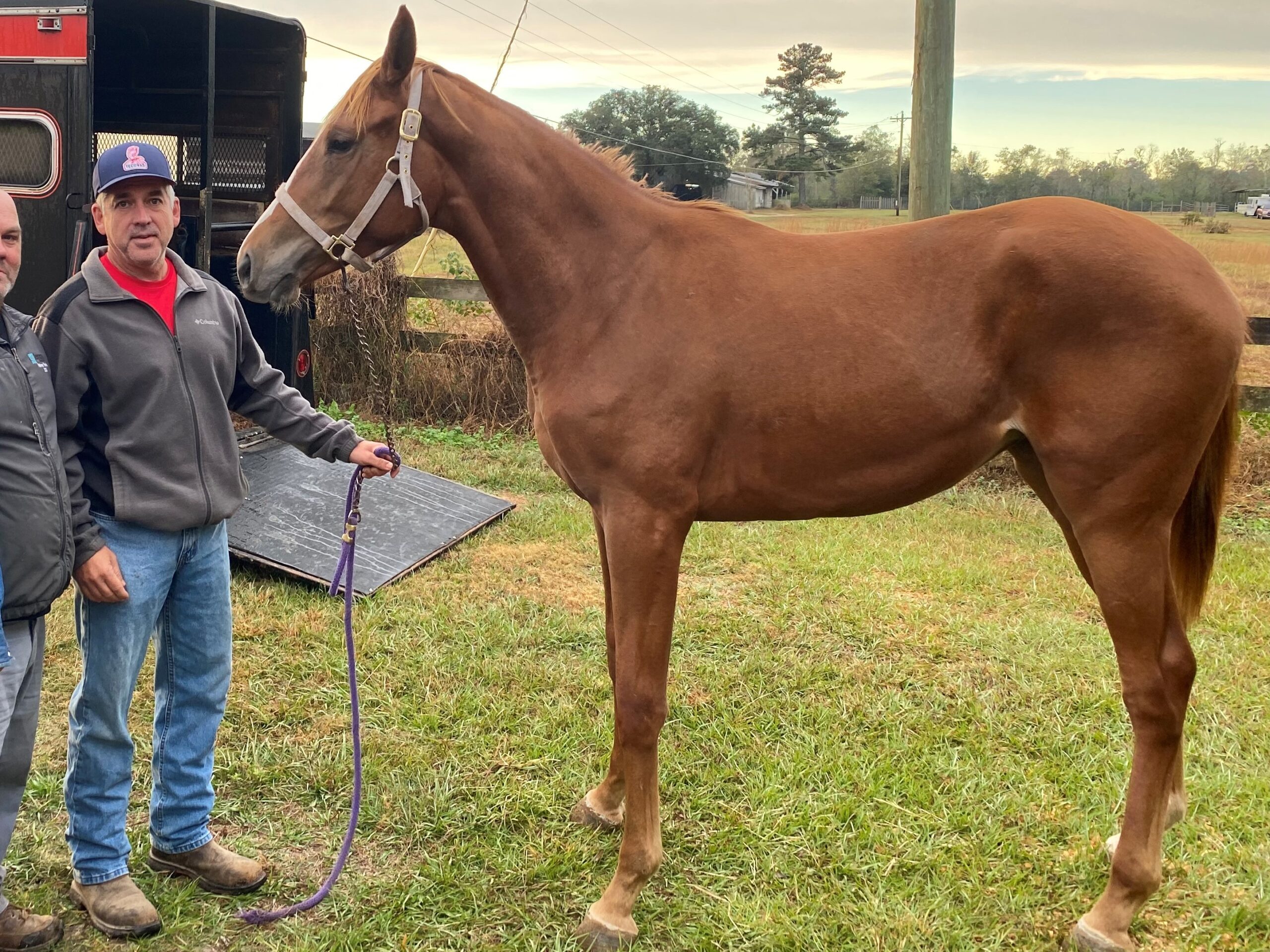
Miles Henry (legal name: William Bradley) is a professional horseman based in Folsom, Louisiana. He holds Louisiana Racing License #67012 and has spent over three decades managing Thoroughbreds at premier tracks including Fair Grounds, Delta Downs, and Evangeline Downs.
Expertise & Hands-On Experience: Beyond the track, Miles has decades of experience in specialized equine care, covering everything from hoof health and nutrition to training protocols for Quarter Horses, Friesians, and Paints. Every guide on Horse Racing Sense is rooted in this “boots-on-the-ground” perspective.
30 of their last 90 starts
Equibase Profile.

Connect with Miles: