

Last updated: August 15, 2026
Few things stop a racehorse owner, trainer, or fan in their tracks like hearing about a breakdown at the races. When several fatalities make the news, the question comes quickly: are racehorse deaths increasing? I’ve owned racehorses long enough to know that one catastrophic injury is one too many, and no statistic makes it easier when the horse is yours. But the honest answer has to come from long-term data, not only the emotion of a difficult day at one track.
According to The Jockey Club’s Equine Injury Database, the reported North American Thoroughbred racing-related fatality rate declined from 2.00 fatalities per 1,000 starts in 2009 to 1.07 per 1,000 starts in 2025. That is meaningful progress, but it does not make any fatality acceptable. Rates can still vary by year, region, track, surface, and racing conditions.
This guide explains how fatality rates are measured, what the current data shows, why those numbers can be misunderstood, and what owners, trainers, veterinarians, and regulators can do to reduce risk.
Table of Contents
How Racehorse Fatality Rates Are Measured
To decide whether deaths are increasing or decreasing, you need a rate, not only a raw count. A track that runs more races and has more starters can report more fatalities in a year even if its safety rate improved. The standard comparison is the number of racing-related fatalities per 1,000 starts.
For example, a rate of 1.07 fatalities per 1,000 starts means that, across a large group of recorded starts, just over one racing-related fatality occurred for every 1,000 horses that started. It does not mean that 1.07% of horses died. That rate is the better tool for comparing years, meets, tracks, and jurisdictions with different numbers of races.
Read the rate correctly: A fatality rate measures risk per start. It is more useful than a raw total when comparing different years or tracks, but it can’t explain the cause of an individual incident by itself.
The Jockey Club Equine Injury Database has tracked racing-related fatalities in North American Thoroughbred racing since 2009. The Horseracing Integrity and Safety Authority, or HISA, also publishes safety metrics for covered horses and tracks operating under its rules. Their coverage is not identical, so a reader should always check the population and period behind a number before comparing one report with another.
Are Racehorse Deaths Increasing? What the Data Shows
The long-term trend in North American Thoroughbred racing is down. The Jockey Club reported that the overall racing-related fatality rate fell from 2.00 fatalities per 1,000 starts in 2009 to 1.07 in 2025, a 47% decline. The report also described declines across dirt, turf, and all-weather surfaces during that period.1
| Data set or period | Fatalities per 1,000 starts | Why it matters |
|---|---|---|
| North American EID, 2009 | 2.00 | Baseline year showing where the modern Equine Injury Database trend began. |
| North American EID, 2025 | 1.07 | A 47% lower reported rate than in 2009, showing long-term safety progress. |
| HISA-regulated tracks, 2025 | 1.04 | Racing-related fatalities at racetracks operating under HISA rules. |
| U.S. tracks outside HISA rules, 2025 | 1.21 | Reported EID rate for U.S. Thoroughbred tracks not operating under HISA rules. |
HISA reported that nearly 99.90% of starts at HISA-regulated tracks in 2025 were completed without a racing-related fatality. It also began publicly reporting training-related fatalities in 2025, a separate measure that showed 0.55 deaths per 1,000 official workouts at covered racetracks and their training centers.2
Progress is worth recognizing, but it is not the same as declaring victory. In racing, the goal should never be to get comfortable with a lower number. The goal is to keep finding preventable risk before it becomes another horse’s bad day.
Why Headlines and Raw Numbers Can Mislead
A cluster of fatalities at one meet deserves attention, investigation, and clear communication. It can be hard on owners, trainers, grooms, riders, veterinarians, and fans. But a short run of incidents does not automatically prove that the national rate is rising. Safety data has to be evaluated across enough starts and enough time to tell a real trend from variation, while still treating every incident with the seriousness it deserves.
Conditions aren’t the same at every track. Surface type and maintenance, weather, the horses entered, the time of year, local veterinary protocols, field size, and the population of horses racing there can all matter. HISA’s 2025 report noted continued analysis of an increase in racing-related fatalities near the end of seasonal meets. That is a good example of why the industry needs specific, data-driven safety work rather than broad assumptions.2
As an owner, I don’t think the right response is to dismiss concern because a long-term rate improved. The right response is to ask what happened, whether there was a common factor, what the veterinary and necropsy review found, and what can be changed before the next horse is put at risk.
What Causes Fatal Racehorse Injuries?
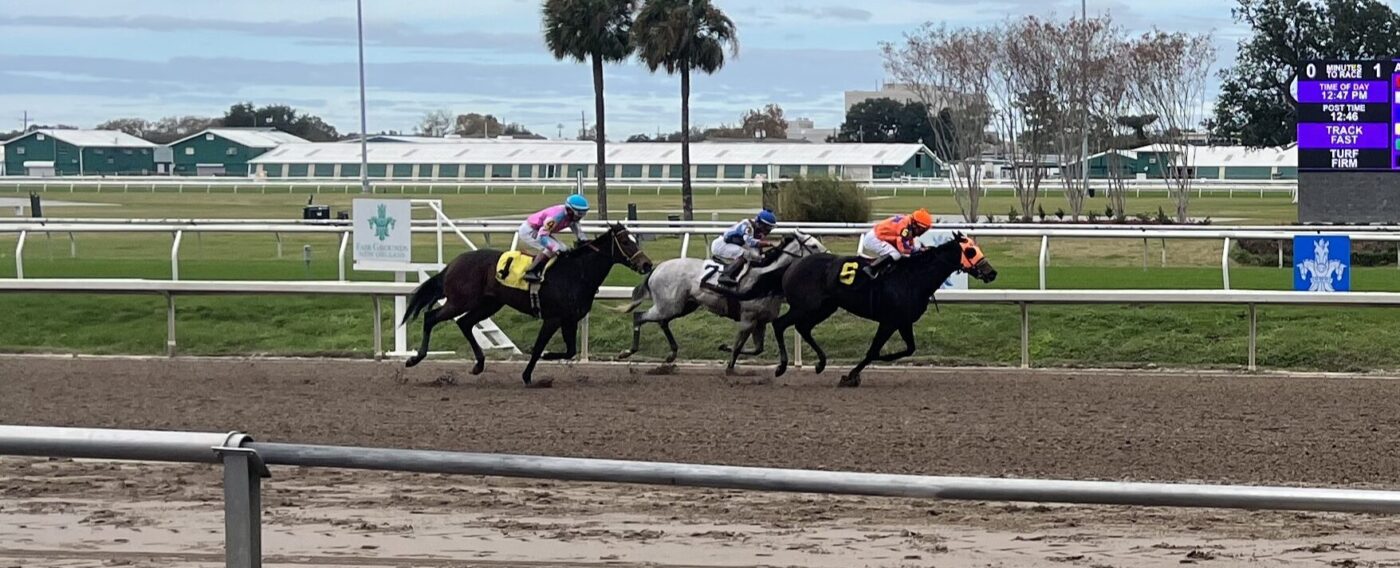
Fatalities in racing don’t have one simple cause. Catastrophic musculoskeletal injuries are a major concern, but fatal events can also involve sudden illness, gastrointestinal problems, respiratory or cardiovascular events, and other medical conditions. Within the musculoskeletal fatalities HISA reviewed, fetlock fractures accounted for roughly three-quarters of cases in 2025, up from about two-thirds in the prior year. That is one reason fetlock soundness gets so much attention in pre-race examinations.2
The hard truth is that people often want an immediate answer after a fatal injury, but horses are complicated athletes. The real answers usually come from veterinary examinations, necropsy findings, and an honest look at everything leading up to the event. A race chart or a headline cannot provide that answer on its own.
Anyone who has watched a horse train consistently knows they are not machines. Two horses can complete the same workout and handle it completely differently. One comes back bouncing and cleans up his feed; another may tell you something is not quite right through the smallest change in his walk, attitude, appetite, stride, or recovery.
A horse’s bone, joints, tendons, and ligaments respond to repeated loading from training and racing. Soundness history, previous injury, conditioning, age, conformation, hoof balance, racing surface, distance, speed, workload, recovery, and the individual horse’s biology may all affect risk. That’s why it’s not responsible to say every breakdown was caused by overwork, an owner trying to save money, a trainer ignoring lameness, or a particular medication.
Those can be legitimate welfare concerns when evidence supports them. But the cause of a fatality should be based on veterinary and regulatory findings, not assumptions. Medication discussions deserve the same care: phenylbutazone and flunixin are nonsteroidal anti-inflammatory drugs, while corticosteroids and furosemide are different drug classes with different uses and rules. The important questions are whether a medication was administered and withdrawn under the applicable rules, whether the horse is sound and suitable to race, and whether any treatment or condition raises a welfare or safety concern.
Why Some Broken Legs Lead to Euthanasia
Not every broken leg means a horse must be euthanized. Some fractures can be repaired, and many horses recover from serious orthopedic injuries with appropriate veterinary treatment. But certain fractures are catastrophic: they may be unstable, involve severe soft-tissue damage, compromise blood supply, or leave the horse unable to bear weight safely.
Horses are large animals that must bear weight on all four limbs. When one limb cannot support the horse, prolonged overload on the opposite limb can cause severe complications, including supporting-limb laminitis. In some cases, pain cannot be controlled adequately, or the realistic prognosis for a comfortable life is poor. That is when humane euthanasia may be the veterinarian’s recommendation.
It’s never a casual decision. The attending veterinarian considers the injury, pain level, treatment options, and realistic prognosis for the horse’s welfare. For a fuller explanation, see my guide on why some racehorses are euthanized after a serious leg injury.
What Racing Is Doing to Improve Safety
Better data is one part of reducing fatalities. The Equine Injury Database makes patterns visible across years, surfaces, and horse populations. HISA’s rules and reporting provide a national framework for many U.S. Thoroughbred tracks, including safety and medication-control requirements, incident reporting, and published metrics.
On the practical side, safety work includes pre-race veterinary inspections, veterinary scratches, review of training and racing records, track-surface testing and maintenance, out-of-competition testing, medication controls, necropsy and mortality reviews, and better sharing of veterinary information. The goal is not one magic fix. It’s to identify horses at higher risk and prevent them from racing when the risk is too high.
Owners also play a role. A trainer cannot make a good decision if the people around the horse are unwilling to speak up when something changes. A groom who notices a horse is not himself, an exercise rider who feels a change, a farrier who sees a hoof issue, or an owner who asks a hard question can all be part of protecting that horse.
The Jockey Club’s 2026 Welfare and Safety of the Racehorse Summit highlighted how risk tools, surface measurement, diagnostic technology, hoof balance, pre-race examinations, and postmortem review fit into that larger effort. One presentation described HISA’s CHECK program, which combines veterinary, training, and racing data to help regulatory veterinarians prioritize potentially at-risk horses.1
What Responsible Owners Can Do
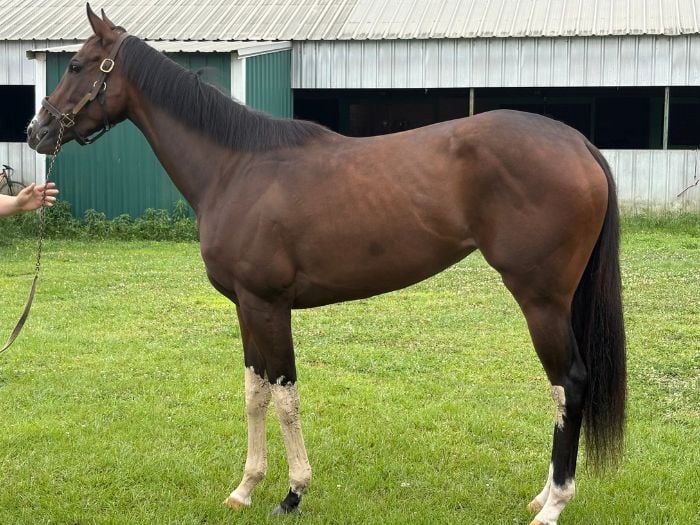
Owners aren’t veterinarians, but they are never powerless. The best owners I know stay involved enough to understand their horse’s program without trying to second-guess every professional around them. They choose people carefully, ask questions, and make it clear that the horse’s welfare comes before getting to the entry box.
Choose the right trainer and support team. Ask how the trainer approaches rest, veterinary care, training changes, and scratches. Get to know the veterinarian and farrier involved with your horse. Good communication makes it easier to spot a concern before it becomes a larger problem.
Understand the horse’s workload. You do not need to micromanage a training chart, but you should know when your horse is working, racing, resting, and returning from time off. Ask what the plan is and why it fits that individual horse.
Pay attention to small changes. A change in appetite, attitude, gait, recovery, or routine is not proof of a serious injury. It is a reason to ask questions and, when appropriate, involve the veterinarian. The horse cannot explain what hurts, so the people around him have to notice what he is telling them.
Do not rush a horse back. The temptation to get a horse back to the races can be real, especially when bills continue and the horse has shown ability. But a horse is not a machine. The right rest, diagnosis, and rehabilitation plan may be the most important part of protecting both its racing future and its life after racing.
My view as an owner: Safety rules and statistics matter, but good horsemanship still happens one horse at a time. The people who care for a horse must be willing to stop, investigate, rest him, or scratch him when something does not look right. That decision may be disappointing in the moment, but it is part of doing right by the horse.
FAQs About Racehorse Deaths and Safety
Are racehorse deaths increasing?
No. According to The Jockey Club’s Equine Injury Database, the reported North American Thoroughbred racing-related fatality rate declined from 2.00 deaths per 1,000 starts in 2009 to 1.07 in 2025. Individual tracks, regions, and periods can still have higher or lower rates, so the data should be monitored continuously.
Should owners be worried about racehorse safety?
Owners should take safety seriously and stay involved in their horse’s care, but concern should lead to informed questions rather than panic. Choose a trainer and support team carefully, understand the horse’s workload, speak up about changes, and support decisions to rest, evaluate, or scratch a horse when needed.
Why do racehorses suffer fatal injuries?
There is no single cause. Catastrophic musculoskeletal injury is a major concern, but fatal events can also involve illness and other medical conditions. Risk can be affected by the individual horse’s soundness and conditioning, training and racing history, hoof balance, surface, workload, recovery, and other factors. Each case needs veterinary evaluation.
Are all horses euthanized after breaking a leg?
No. Some fractures can be treated successfully. However, severe or unstable fractures may leave a horse in uncontrollable pain or unable to bear weight safely, creating a poor prognosis for a comfortable life. In those cases, a veterinarian may recommend humane euthanasia.
What should a new racehorse owner ask before sending a horse into training?
Ask about the trainer’s approach to conditioning, rest, veterinary evaluation, medication rules, records, communication, and scratching a horse that is not right to race. You should also understand the horse’s baseline condition, workload, farrier schedule, and who will contact you when a concern arises.
Sources: 1. The Jockey Club, 12th Welfare and Safety of the Racehorse Summit (2026). 2. Horseracing Integrity and Safety Authority, 2025 Annual Metrics Report (published March 24, 2026).
The best answer to whether racehorse deaths are increasing is not a slogan. The long-term rate has improved, but the work is not finished. Transparent data, strong veterinary oversight, honest reporting, careful training decisions, and good daily horsemanship all matter because every racing fatality is more than a statistic.
About Miles Henry
Racehorse Owner & Author | 30+ Years in Thoroughbred Racing
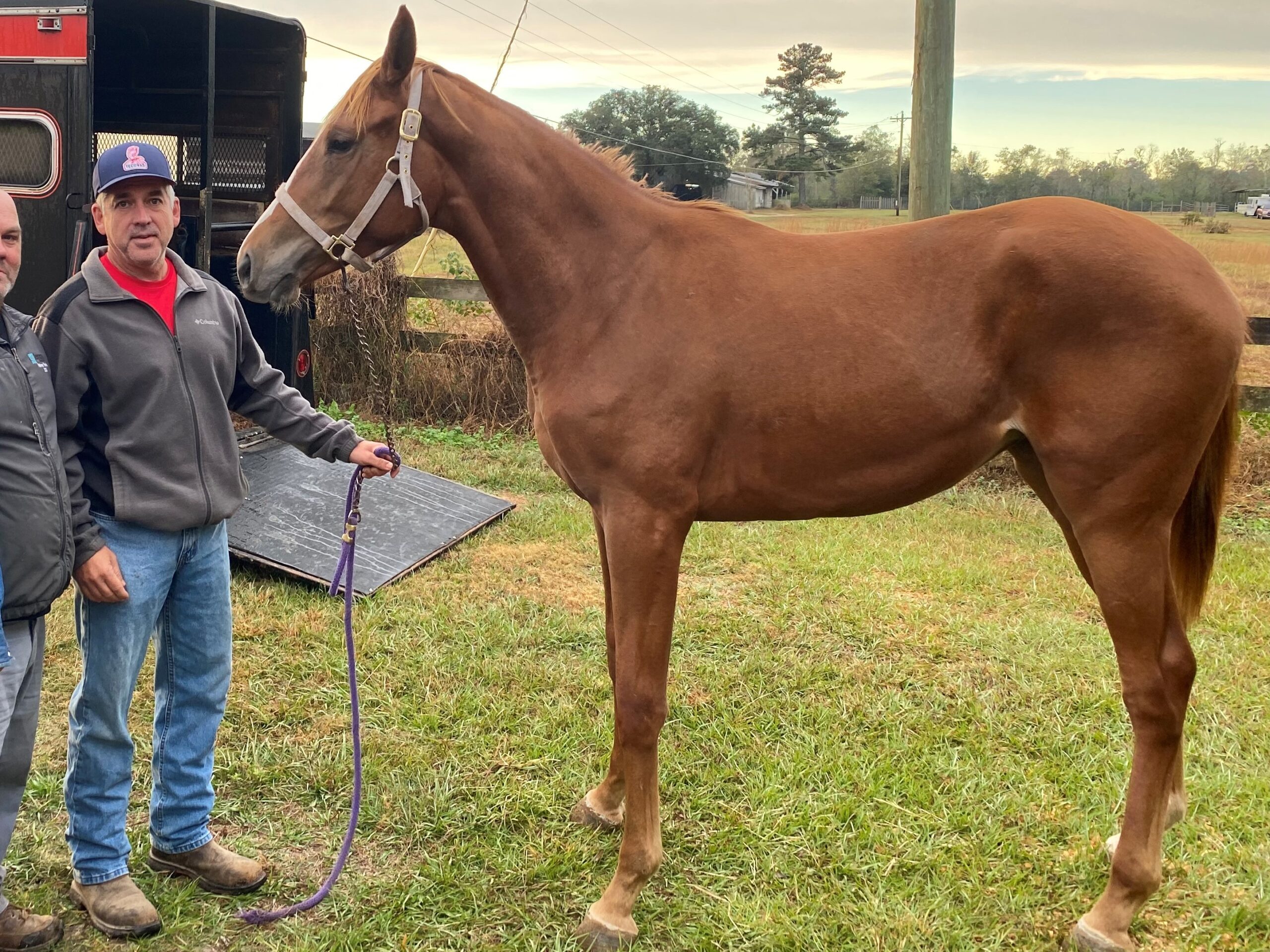
Miles Henry (legal name: William Bradley) is a professional horseman based in Folsom, Louisiana. He holds Louisiana Racing License #67012 and has spent over three decades managing Thoroughbreds at premier tracks including Fair Grounds, Delta Downs, and Evangeline Downs.
Expertise & Hands-On Experience: Beyond the track, Miles has decades of experience in specialized equine care, covering everything from hoof health and nutrition to training protocols for Quarter Horses, Friesians, and Paints. Every guide on Horse Racing Sense is rooted in this “boots-on-the-ground” perspective.
30 of their last 90 starts
Equibase Profile.

Connect with Miles: