
Last updated: September 24, 2026
Are you looking to buy a horse and want to know whether it has the traits to run fast, or are you wondering if there’s something you can do to improve your horse’s speed? There’s plenty of advice about what makes a horse fast, but not all of it holds up in the real world.
Quick answer: A horse’s top speed is largely set by genetics, build, muscle makeup, and cardiovascular capacity. Good feed, conditioning, hoof care, and recovery don’t create ability that isn’t there, but they keep a horse sound, fit, and ready to show the ability it has.
This guide explains how genetics and build shape real speed and what to look for when you’re buying, then the barn work that helps a horse perform and what legitimate products can and can’t do. It also covers how breed and distance fit in, whether racehorses are still getting faster, common myths about horse performance, and why illegal drugs are never the answer.
Table of Contents
What Actually Determines a Horse’s Speed
A fast horse isn’t one trait on four legs. Speed comes from how a horse is built, how it moves, how its muscles produce power, how well it delivers oxygen, and how all of that fits the distance. Training can improve fitness and coordination, but it works within the limits of the horse you have.
Build and Stride Efficiency
At a gallop, speed depends on stride length and stride rate. A horse’s proportions, limb angles, shoulder and hip structure, balance, and way of moving all affect how efficiently it covers ground. Conditioning can improve strength, balance, and coordination, but it can’t rebuild a horse’s frame. Conformation matters for another reason too: a horse has to stay sound enough to train and race. If you’re shopping, have the horse jogged and watch it move, and get a pre-purchase exam from a vet before you buy. My article on stride efficiency in racehorses goes deeper.

Muscle and Energy Systems
Muscle makeup influences whether a horse is better suited to explosive efforts or sustained speed. Broadly, horses have fibers that favor endurance, fibers that favor quick power, and intermediate fibers that can adapt with training. A horse’s starting fiber mix comes largely from genetics, as does some of its natural tendency toward short bursts of anaerobic power or more efficient aerobic work over a longer trip. Conditioning improves muscle size, blood supply, and efficiency, but it won’t turn a natural stayer into a pure sprinter.
Heart, Lungs, and Recovery
The heart, lungs, blood volume, and circulation help determine how effectively oxygen reaches working muscle and how quickly a horse recovers. Conditioning can make a major difference here, especially when a horse is sound enough to handle the work. My article on horse heart size covers what a big heart does and doesn’t mean.
Genetics and Distance Aptitude
Genetics shapes a horse’s build, muscle characteristics, metabolism, and likely best distance. The best-known racing marker is a variant of the MSTN, or myostatin, gene, often called the “speed gene.” It’s useful information, but it isn’t a crystal ball. Research in Ireland led by Emmeline Hill found that certain versions are linked to sprinting, middle-distance, or staying ability, and a later study with Trinity College Dublin pinned down how the gene works. Still, one marker can’t predict class, soundness, temperament, or whether a horse will be any good. My guide to Thoroughbred genetics covers it in more detail.
After years of watching horses train, you learn that pedigree papers tell you what a horse might do, but the horse in front of you tells you what it can do.
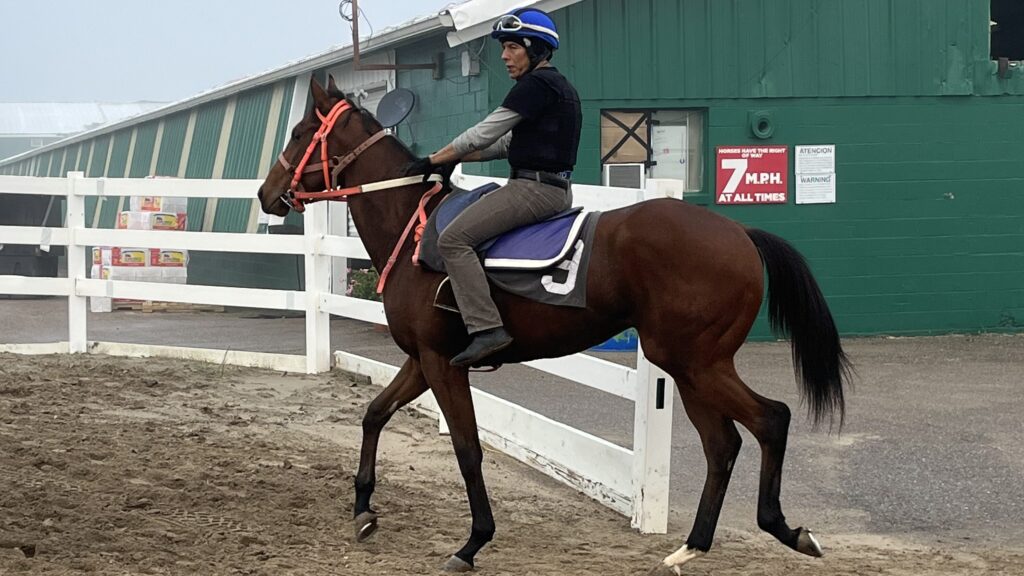
For a quick visual summary of these factors, this short video walks through them.

What Helps a Horse Perform at Its Best
If you want to help a horse run its best without crossing any lines, the real work happens in the barn, not in a bottle.
- Balanced nutrition: Start with quality forage and a ration that meets the horse’s energy, protein, vitamin, and mineral needs for its workload.
- Hydration: Keep clean water available at all times, and use electrolytes thoughtfully when a horse is sweating heavily or working in heat.
- Soundness: Regular hoof care, quick attention to soreness, and a sensible training surface keep a horse in work.
- Progressive conditioning: Fitness builds over weeks and months, so a good program increases the workload gradually. My guide to racehorse workouts explains how trainers build a horse up.
- Recovery: Rest days, turnout when it’s appropriate, cooling out properly, and a workload that fits the individual horse all matter.
Technology can help when you use it to follow the individual horse, not replace good horsemanship. Heart rate monitors, stride analysis, and recovery data let a trainer track changes over time and notice when a horse isn’t handling its work normally. None of them creates speed, and none replaces an experienced trainer or vet, but they can help catch trouble earlier.
Horseman’s Take: I own a Polar heart rate monitor and use it on some of my horses. The numbers are most useful when I compare a horse with its own previous works. They help me judge how hard a gallop really was for that horse and whether it’s recovering the way it should. Simple video review of a horse’s stride has also caught changes early, before they turned into bigger problems.

Can Supplements Make a Horse Faster?
Legitimate products support the horse, not the stopwatch. They can help with hydration, nutrition, comfort, or digestion when a horse has a real need in one of those areas. What they don’t do is change the inherited traits that set top speed. Their value is in keeping a horse comfortable and training consistently enough to show the ability it already has.
| Product type | What it may help with | Does it add top speed? |
|---|---|---|
| Electrolytes | Replacing electrolytes lost through heavy sweating and supporting normal hydration | No. Used appropriately, they may help prevent a hydration-related drop in performance. |
| Joint products | Supporting comfort in some horses, depending on the product and the underlying issue | No. A horse with lameness or joint disease needs a vet’s evaluation, not a supplement-only plan. |
| Balanced feed and forage | Meeting energy, protein, vitamin, and mineral needs for work and recovery | No. A poor ration can hold a horse back, but feeding more can create new problems. |
| Digestive products | Supporting horses with a specific digestive concern, depending on the ingredient and diagnosis | No. Poor appetite, weight loss, or signs of ulcers need veterinary attention. |
Notice the pattern. Every legitimate product works by removing something that could hold a horse back, not by adding ability that wasn’t there. That’s where a lot of supplement marketing gets ahead of reality. My horse supplements guide explains how I sort useful products from expensive marketing.
Horseman’s Take: I’ve been asked about “speed supplements” more times than I can count. If a product promises to make an average horse run like Secretariat, I leave it on the shelf. What I’ve learned is that the horses that improve usually aren’t the ones on the newest product. They’re the ones that stay sound, handle their training, and get steady feed, good hoof care, and a small problem dealt with before it costs them weeks.

Breed, Distance, and the Individual Horse
Breed gives you a starting point, not a guarantee. Quarter Horses were developed for explosive acceleration over short distances, while Thoroughbreds were developed to carry their speed over longer races. That difference shows up most clearly when horses race at the distances each breed was built for. For more, see my guides to Quarter Horse racing and horse breeds that race.
I’ve seen the two breeds meet head to head. In Louisiana, I’ve run Quarter Horses against Thoroughbreds in 870-yard races, and I’ve owned a Thoroughbred that ran against Quarter Horses at that distance. In my experience, the Thoroughbreds dominated those races for the most part, and Louisiana doesn’t card those open-breed races anymore. At 870 yards, just under half a mile, a race is long enough for a Thoroughbred’s ability to carry its speed to matter.
Within either breed, the individual still counts. Pedigree, conformation, stride, soundness, temperament, conditioning, and the exact distance all shape the result. Breed tells you what a horse may be inclined to do, not what it will do.
Are Racehorses Getting Faster?
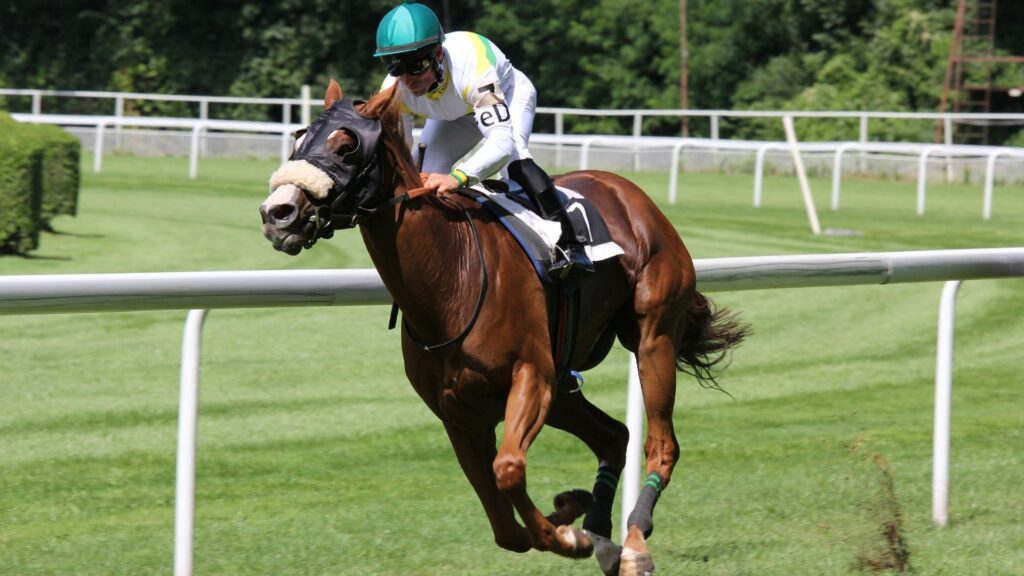
For years, the common view was that Thoroughbreds had hit a speed limit, because winning times in the big middle-distance races had barely moved. A 2015 study from the University of Exeter, published in Biology Letters, challenged that. Looking at British flat racing back to 1850 and accounting for ground conditions, the researchers found racehorses are still getting faster overall, but most of the gain is in sprints. At middle and long distances, speed among elite horses appears to be leveling off.
Why that pattern exists isn’t settled. It could reflect limits on sustaining top speed over a distance of ground, a shift in breeding toward sprinters, changes in race conditions, or some combination. Either way, it’s a good reminder that sprint speed and classic-distance speed aren’t the same trait. For the horses behind the famous records, see my list of the fastest racehorses in history.
Common Myths About Horse Speed
“The right supplement will make my horse faster.” No legal product changes muscle makeup, heart size, or bone structure. Supplements can support a horse that’s already training well, but they can’t manufacture speed.
“Training can make any horse fast.” Conditioning brings out what’s there. It can’t overcome structural or physiological limits. A fit draft horse still won’t come close to a racehorse’s top speed.
“Speed is all in the heart.” A big heart helps a horse sustain speed, but it only works as part of the whole horse. A great heart in a poorly built horse won’t make a great racehorse.
“All Thoroughbreds are about the same.” The range within the breed is huge. The difference between a maiden claimer and a Grade 1 horse isn’t just training. It’s the athlete that training has to work with.

Why Illegal Drugs Aren’t the Answer
Some prohibited drugs and methods can alter performance, which is why regulated racing tests for them and penalizes their use. In HISA-covered Thoroughbred racing, banned substances are prohibited at all times, while certain controlled medications may be used only under strict rules and outside restricted periods. Illegal performance drugs aren’t a shortcut worth considering. They put the horse, the people responsible for it, and the integrity of the race at risk. For the full picture, see my guide to performance-enhancing drugs in horse racing.
What Makes a Horse Fast? FAQs
Can a supplement make a horse faster?
No legal supplement reliably adds top speed. A balanced ration, a hydration plan, and appropriate products may help a horse stay healthy enough to train consistently, but they don’t change the inherited traits that largely determine athletic ability.
What helps a horse perform better?
The basics make the biggest difference: quality forage and balanced nutrition, clean water, sensible conditioning, good hoof care, recovery time, and quick attention to soreness or illness.
Is a horse born fast or made fast?
Both matter, but genetics sets much of the ceiling. Training, soundness, and management decide how much of that ability the horse can show and how long it stays in training.
Can training improve a horse’s speed?
Training can improve fitness, coordination, and a horse’s ability to handle and recover from work. It can’t reliably turn a horse without the right inherited traits, build, and movement into an elite-speed athlete.
There’s no shortcut to a fast horse. Genetics, build, muscle makeup, and heart and lungs set the raw material, and feeding, soundness care, conditioning, and recovery decide how much of it reaches the track. Spend your money on the program that keeps a horse healthy and training, not on a tub that promises to create ability, and let the horse tell you what it’s capable of.
About Miles Henry
Racehorse Owner & Author | 30+ Years in Thoroughbred Racing
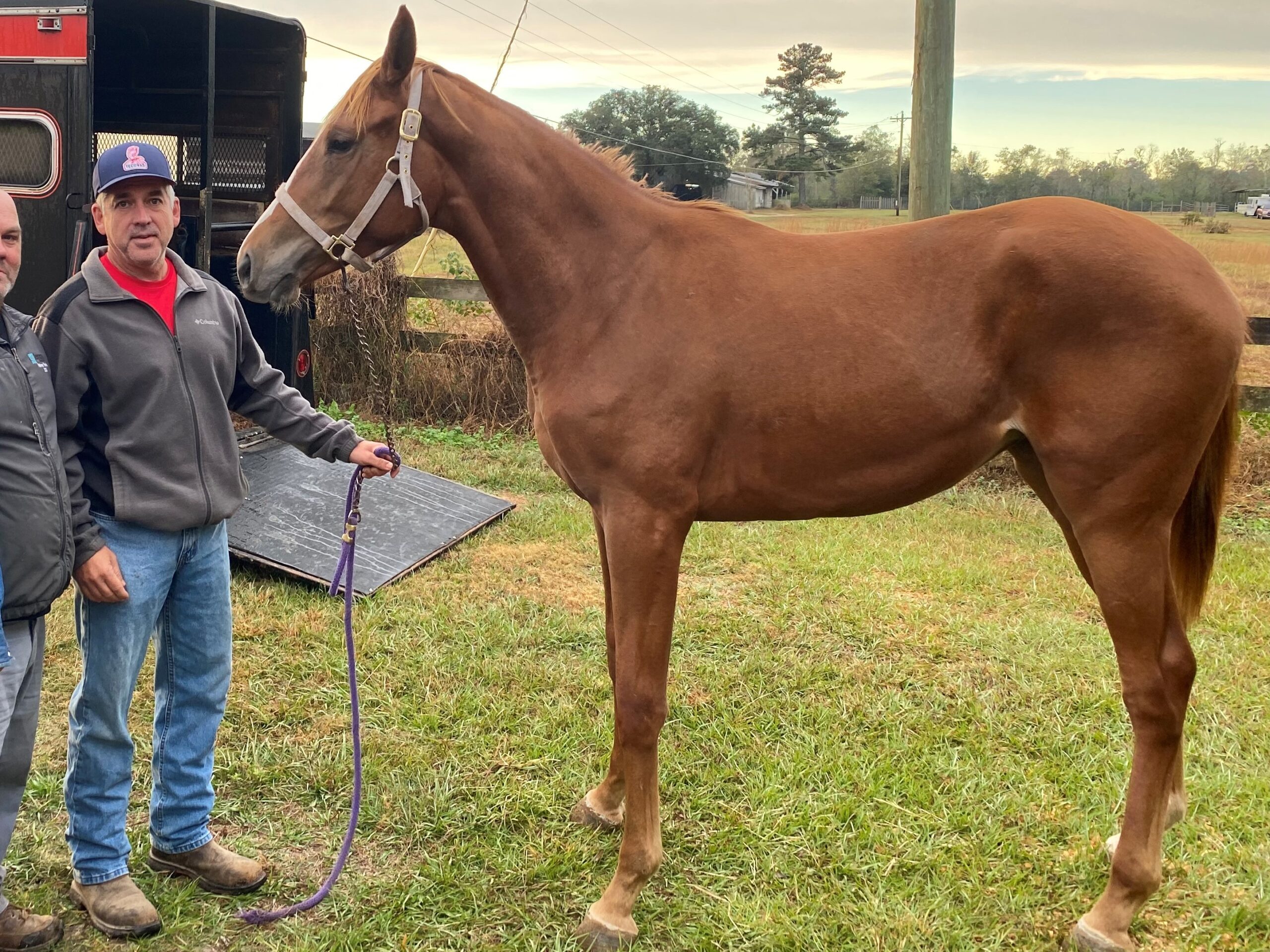
Miles Henry (legal name: William Bradley) is a professional horseman based in Folsom, Louisiana. He holds Louisiana Racing License #67012 and has spent over three decades managing Thoroughbreds at premier tracks including Fair Grounds, Delta Downs, and Evangeline Downs.
Expertise & Hands-On Experience: Beyond the track, Miles has decades of experience in specialized equine care, covering everything from hoof health and nutrition to training protocols for Quarter Horses, Friesians, and Paints. Every guide on Horse Racing Sense is rooted in this “boots-on-the-ground” perspective.
30 of their last 90 starts
Equibase Profile.

Connect with Miles:
Fazlu Fakih
Tuesday 10th of January 2023
Doing horse racing in India would like to understand how the extra weight, even a kg affects the running of a thoroughbred. please explain from 5 furlongs to a mile. thank you.
Bil
Tuesday 10th of January 2023
Generally, 1 lb additional weight equals 1/5 of a second in time, which translates to 1 horse length in a mile race. I wrote an article about racing weight you can check out: https://horseracingsense.com/why-do-some-race-horses-carry-weights/