

Last updated: August 29, 2026
Any links on this page that lead to products on Amazon are affiliate links and I earn a commission if you make a purchase. Thanks in advance – I really appreciate it!
If your horse is eating well but still struggles to hold weight, you may be wondering whether a weight gain supplement is the missing piece—or whether something else is causing the problem. It is frustrating to watch a horse clean up his feed and still lose condition, but reaching for a supplement is not always the first answer.
Most horses that need to gain weight don’t need a supplement first—they need enough usable forage, enough total calories, and a reason for the weight loss ruled out. But when a horse is healthy, maintaining a good appetite, and still burning more calories than the current ration supplies, a weight gain supplement can be a useful way to close that remaining gap.
Below, I’ll walk through when a weight gain supplement actually makes sense, what I look for on the label, and when a thin horse needs a veterinarian rather than another calorie product.
Table of Contents
Check the Basics First
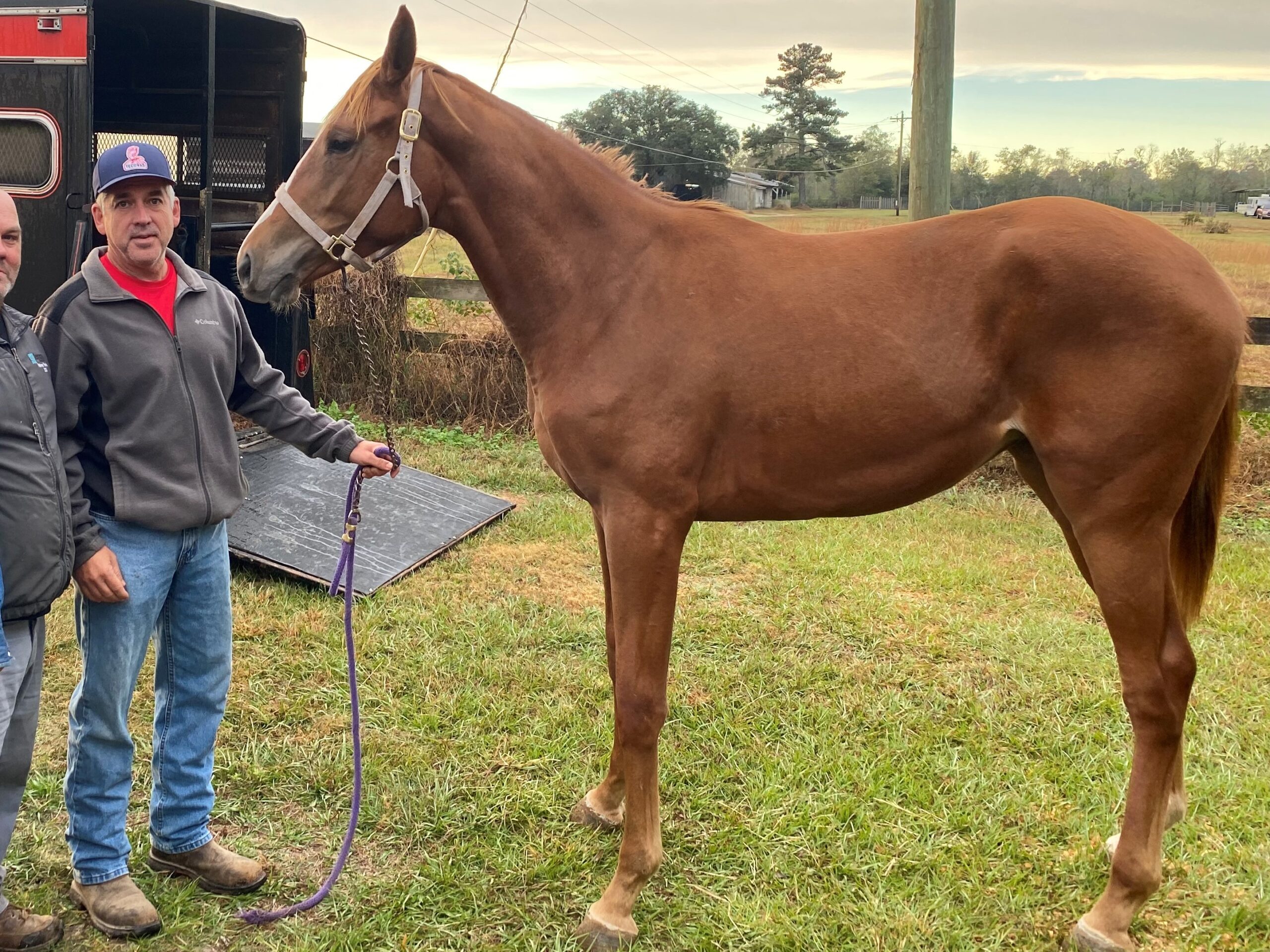
One of my young horses stayed lean despite eating well. After my vet evaluated her and blood work didn’t turn up an underlying problem, my first change was more alfalfa – not a supplement. That’s usually where I start: build the forage base, make sure there isn’t a health issue, then use a supplement only if it solves a specific remaining problem.

Before I spend money on a weight gain product, I want to know whether the horse is actually short on calories or whether something is preventing him from using the feed he already gets. I check forage quality and access, make sure he isn’t being pushed off feed by a pasture mate, review what’s actually being fed each day, and consider workload, teeth, parasite control, appetite, manure, and any recent change in behavior or performance.
If a horse is losing weight without a clear reason, eating poorly, has loose manure or recurring mild colic, trouble chewing, or a sudden attitude change, I involve my veterinarian before changing the feed program. A supplement can add calories – it can’t solve the reason a horse is failing to hold condition in the first place. If you’re still figuring out why your horse is dropping weight, start with common reasons horses lose weight before adding more calories on top of an unaddressed problem.

When a Weight Gain Supplement Can Help
Once the basics check out, a supplement becomes a reasonable tool for closing the remaining calorie gap – not the first thing to reach for. In my experience, the horses that benefit most aren’t just “skinny horses.” They’re horses burning more calories than they’re replacing: hard keepers, horses in regular or demanding training, older horses whose teeth, chewing ability, appetite, or digestive health has changed, or horses coming back from a setback like illness, injury, or neglect.
I’ve found this is especially true with horses in training – a racehorse can look great one month and start losing condition the next because the workload changed faster than the feeding program did. A healthy horse in light work that maintains an appropriate body condition on a balanced forage-based ration may not need an extra weight-gain supplement.
What to Look for on the Label
Not all “high-calorie” supplements deliver those calories the same way, and the right choice depends on the individual horse’s ration, workload, and health history – not simply whether a product contains molasses.
| Look for | Why it matters |
|---|---|
| A clear feeding rate and calories per serving | Lets you compare what the product actually contributes to the daily ration, rather than buying on package claims alone |
| Fat, digestible fiber, and/or appropriate protein sources | These provide different calorie sources, and the right balance depends on the horse’s workload, metabolism, and total ration |
| A complete label and guaranteed analysis | You need to know what the horse receives per day, especially if it’s already on a fortified feed or other supplements |
| Sugar and starch information, when relevant | Particularly important for horses with insulin dysregulation, PPID, obesity risk, or a laminitis history |
| Palatability and a realistic daily cost | A supplement doesn’t help if the horse won’t eat it or the feeding rate isn’t sustainable long term |
| Heavy reliance on sweeteners or unclear marketing claims | Not automatically disqualifying, but a reason to compare the full label, calorie contribution, and fit for your specific horse |
A note on two ingredients that commonly appear in supplement marketing: vitamin E and selenium are legitimate nutrients, but selenium has a narrow safety margin and regional forage already contributes some of a horse’s intake. Don’t add a selenium-containing supplement simply because it’s on the label – ask your vet or an equine nutritionist about your horse’s total intake first. Probiotics and prebiotics may be included for digestive support, but the evidence and response vary by strain, dose, and horse, and they don’t diagnose or treat ulcers, parasites, or chronic diarrhea.
Introduce any new supplement gradually. Watch appetite, manure, water intake, and behavior after introducing anything new – if you see a meaningful change or your horse seems uncomfortable, stop and call your veterinarian for advice. And don’t expect quick results: judge progress over weeks, not days. Take consistent photos, use a weight tape the same way each time, and reassess body condition every two to four weeks.

How I Decide If a Supplement Belongs in My Feed Room
A Horseman’s Take: Before I add a supplement, I ask myself a short list of questions: Is the horse actually getting enough forage, and is he eating it? Have his teeth been checked recently? Is he working harder than his current ration accounts for? Would the supplement I’m considering add meaningful calories at the recommended daily serving, or am I mainly paying for flavoring and a small scoop? Can I measure whether it’s working with body-condition scores, a weight tape, and consistent photos – or am I just hoping? If I can’t answer those with real confidence, I’m not ready to buy anything yet.
The best weight gain supplement depends on why the horse is losing weight in the first place. A hard-working Thoroughbred, an older horse with poor chewing ability, and a horse recovering from illness may all need different approaches – which is exactly why “just buy the top-rated one” rarely works as advice.
Weight Gain Supplements for Horses Worth Comparing
This section contains affiliate links. If you buy through one, I may earn a commission at no additional cost to you. I compared these products based on ingredients, suggested daily serving sizes, added vitamins and minerals, and how each formula may fit into a horse’s overall ration. Neither product’s current label information clearly states calories per recommended daily serving, so I’m not assigning a specific calorie contribution. Always check the current label and feeding directions before ordering, especially if your horse already receives a fortified feed or has digestive or metabolic concerns.
| Product | Formula focus | May fit best for | Verify before buying |
|---|---|---|---|
| Horse Guard Super Weight Gain | Soy-based formula with added vitamins, minerals, and probiotics | A horse needing added condition after the full ration has been reviewed | Recommended daily serving, actual calorie contribution, total vitamin-and-mineral intake, and fit with any digestive or metabolic diagnosis |
| Adeptus Gleam & Gain | Concentrated, pre-measured fat-based conditioning supplement | An owner who wants a low-volume calorie supplement that is simple to portion consistently | Current fat percentage, ingredient list, feeding directions, calories at the recommended serving, daily cost, sugar/starch information when relevant, and fit with the rest of the ration |
If I were choosing between these two, I would not pick based on the product name alone. I would choose the formula that fills the actual gap: extra calories for a hard keeper, added nutrients for a deficient ration, or convenience for an owner who needs a consistent daily feeding routine.
Horse Guard Super Weight Gain
Horse Guard is one product I have personally used as part of a broader feeding program for horses that needed help maintaining condition. I have seen some horses maintain or gradually improve condition on it as part of that program, while others showed a less noticeable change. That is why I treat any weight-gain supplement as one part of the feeding plan, not a one-size-fits-all answer.
The current label lists soy-based ingredients along with added vitamins, minerals, and probiotics. Before using it, compare the recommended daily serving with the rest of your horse’s ration—especially if the horse already receives a fortified feed or another vitamin-and-mineral product.
If this type of supplement fits your horse’s ration and feeding goals, you can check the current product details and availability below.

Adeptus Nutrition Gleam & Gain
I have not fed Adeptus Gleam & Gain to my horses, so my comments are based on the current manufacturer information and feeding directions available at the time of this update. The product is marketed as a concentrated, fat-based conditioning supplement offered in pre-measured servings. Confirm the current fat percentage, ingredient list, feeding directions, and cost at your horse’s recommended daily serving before deciding whether it provides enough added energy to make a practical difference.

Neither product is a substitute for a veterinary feeding plan when a horse has unexplained weight loss, diagnosed digestive disease, insulin dysregulation, PPID, a laminitis history, or severe underconditioning.
When to Call Your Vet Instead
A supplement isn’t the answer if: your horse hasn’t been examined for the underlying cause of weight loss, weight isn’t improving despite consistent feeding, appetite is dropping, manure is abnormal, or your horse shows any signs of colic or laminitis. Those situations call for veterinary involvement, not a different product off the shelf.
A severely underweight horse – particularly one at a Body Condition Score of 1 or 2 – needs a veterinarian-directed refeeding plan, not a weight gain supplement added on top of a rushed feeding schedule. Adding calories too quickly to a starved horse can cause dangerous metabolic complications, including refeeding syndrome – this isn’t a situation to manage with a product alone. My guide to putting weight on a horse safely covers the full process, including what a safe refeeding pace actually looks like.
FAQs
Do horses actually need weight gain supplements?
Many healthy horses on a well-balanced forage-based ration don’t need an additional weight-gain supplement. They can make sense for hard keepers, horses in demanding work, and some horses recovering from illness or underconditioning – but only after medical causes of thinness have been considered and the forage base is solid. Growing horses, pregnant mares, and nursing mares have more specific nutritional needs, so it’s wise to review their ration with a veterinarian or equine nutritionist rather than simply adding a general weight-gain product.
How do weight gain supplements for horses work?
They increase the horse’s daily calorie intake, most often through fat, digestible fiber, protein, or a combination of those ingredients. The best choice depends on the horse’s whole ration, workload, body condition, and health history – not simply whether a product contains molasses or sugar. For a horse with insulin dysregulation, PPID, obesity risk, or previous laminitis, ask your vet or an equine nutritionist to help evaluate the ration’s sugar and starch levels.
How long does it take to see results from a weight gain supplement?
Expect to judge progress over weeks, not days. Take consistent side and rear photos, use a weight tape the same way each time, and assess body condition every two to four weeks. If the horse isn’t improving despite eating the planned ration, or continues to lose condition, call your veterinarian rather than simply adding more supplement.
Are horse weight gain supplements safe?
Generally, yes, when used appropriately and introduced gradually – but they aren’t automatically safe for every horse. Talk to your vet before adding one, especially for a horse with confirmed or suspected gastric disease, insulin dysregulation, PPID, or a laminitis history, since those horses need a more individualized plan.
Is rice bran better than oil for putting weight on a horse?
Neither is automatically better. Rice bran, oil, fortified feeds, forage changes, and commercial weight gain products all add calories differently, and the right choice fits the horse’s total diet, appetite, health history, and what you can feed consistently. If the horse is thin for no obvious reason, identify the cause before choosing a calorie source.
Can you put weight on a horse without grain?
Often, yes. Depending on the horse’s needs, weight can sometimes be added by improving forage quality or access and by using calorie sources such as stabilized rice bran, oil, beet pulp, or a suitable commercial product. Whether a horse needs a grain-based concentrate depends on the calorie gap, workload, health history, and how much usable forage he’s actually consuming.
What is the best weight gain supplement for a horse?
There isn’t one best supplement for every horse. The right choice depends on why the horse needs weight, what he’s already eating, his workload, and any health considerations – which is exactly why matching the product to the individual horse matters more than picking a top-rated name off a list.
Final Thoughts
A weight gain supplement can be useful, but it should solve a specific problem – not replace good management. Start with forage, health, teeth, and total calories. Once those pieces are right, the best supplement is simply the one that fills the remaining gap for your individual horse.
Related reading:
- Why Is My Horse Losing Weight?
- How to Put Weight on a Horse Safely
- Feeding Options for a Horse That Needs to Gain Weight
- Best Senior Horse Feeds
About Miles Henry
Racehorse Owner & Author | 30+ Years in Thoroughbred Racing
Miles Henry (legal name: William Bradley) is a professional horseman based in Folsom, Louisiana. He holds Louisiana Racing License #67012 and has spent over three decades managing Thoroughbreds at premier tracks including Fair Grounds, Delta Downs, and Evangeline Downs.
Expertise & Hands-On Experience: Beyond the track, Miles has decades of experience in specialized equine care, covering everything from hoof health and nutrition to training protocols for Quarter Horses, Friesians, and Paints. Every guide on Horse Racing Sense is rooted in this “boots-on-the-ground” perspective.
30 of their last 90 starts
Equibase Profile.

Connect with Miles: