

Last updated: September 18, 2026
Are you thinking about buying a horse and wondering how the numbers work? Before you base your decision on price alone, remember that the horse with the lowest asking price isn’t always the bargain. A calm, sound horse that suits your riding ability may cost more up front, but it can save you money on training, veterinary care, and safety problems later.
Quick answer – horse purchase prices in 2026:
- Grade horse / trail horse: $500-$5,000 – most affordable; no breed premium; value driven by training and soundness
- Quarter Horse (pleasure): $3,000-$15,000 – one of the most popular breeds; transparent pricing; often a practical choice for newer riders when well-trained
- Off-track Thoroughbred (OTTB): $500-$5,000 to acquire; often $3,000-$8,000 more to retrain for recreational use
- Warmblood / sport horse: $10,000-$100,000+ – dressage, jumping, eventing; price scales with competition record
- Racehorse (Thoroughbred): $5,000-$100,000+ – claiming prices vary by track and condition book; elite bloodlines at auction far higher
| Type of Horse | Purchase Price | Best For |
|---|---|---|
| Grade horse / trail horse | $500-$5,000 | Casual riding, trail riding, buyers with a limited purchase budget |
| Quarter Horse (pleasure) | $3,000-$15,000 | Trail, ranch, western riding; newer riders when the individual horse is well trained |
| Off-track Thoroughbred (OTTB) | $500-$5,000 | Experienced riders or buyers budgeting for a thoughtful transition and retraining period |
| Warmblood / sport horse | $10,000-$100,000+ | Dressage, jumping, eventing, competitive goals |
| Racehorse (Thoroughbred) | $5,000-$100,000+ | Licensed owners with a trainer and a separate racing budget |
| Mustang (BLM) | $125-$1,000 | Experienced horsepeople prepared to train or work with a trainer |
| Rescue / free horse | $0-$1,500 | Experienced owners who can evaluate condition, training, and immediate care needs |
The purchase price is only the entry cost. Before you set a budget, read the first-year horse ownership cost guide to see what board or home care, farrier work, veterinary care, transport, tack, and an emergency reserve can add.
Table of Contents
What Actually Drives a Horse’s Price
Breed influences the market, but training, soundness, performance record, and suitability for a specific job usually drive the biggest price differences. A registered horse with papers often commands a premium over an equally trained grade horse, and the Quarter Horse has a deep, active market in the U.S. that makes its pricing relatively transparent. But the training is where the real money is – a horse that’s been professionally started or finished in a discipline is worth multiples of an untrained horse of the same breed and age, because that training represents years of professional time. You’re paying for skills, not just an animal.
Why the cheapest horse isn’t always the cheapest horse: Early in my career I bought an unregistered grade mare for $400 at a local sale. She was calm in the ring and looked sound. Within three weeks she had an abscess, two months later a foot issue that required corrective shoeing for two years, and by month four she’d kicked through a fence twice. Between vet bills, specialty farrier work, and fence repairs, that $400 horse cost me close to $4,000 in the first year before I ever put a saddle on her. I sold her for $300. A very low price may reflect age, soundness, training gaps, or circumstances you need to understand before you take the horse home – not necessarily anything the seller is hiding, but something worth finding out before you buy.
Horse Prices by Use and Training Level
| Use / Training Level | Price Range | What You’re Paying For |
|---|---|---|
| Unstarted / green (no training) | $500-$3,000 | The horse itself – genetics and conformation only; buyer pays for all training |
| Started under saddle (basic training) | $2,000-$6,000 | Walk, trot, canter; halter broke; basic handling; rideable by experienced rider |
| Beginner-safe / kid-safe trail horse | $4,000-$12,000 | Calm, reliable, forgiving; handles all rider levels; often older with proven temperament |
| Experienced trail / pleasure horse | $5,000-$15,000 | Many miles, various terrain, loads and stands; suitable for confident amateurs |
| Western performance (cutting, reining, barrel racing) | $8,000-$50,000+ | Specialized training; show record; competition-ready |
| English sport (dressage, show jumping, eventing) | $10,000-$150,000+ | Warmblood breeding; FEI/USEF competition record; imported European horses at the top end |
| Racehorse (active / claiming) | $4,000-$100,000+ | Race record, bloodlines, and the specific claiming level set by that race’s condition book – see the racehorse ownership cost guide |
| Companion / pasture horse (retired) | $0-$2,000 | Company for other horses; light handling; not for riding |
The most underpriced category in that table is the beginner-safe trail horse. Buyers consistently underestimate how rare a genuinely reliable beginner horse is. That reliability is the product of thousands of hours of correct handling – it’s worth every dollar of the premium.
Horse Prices by Age
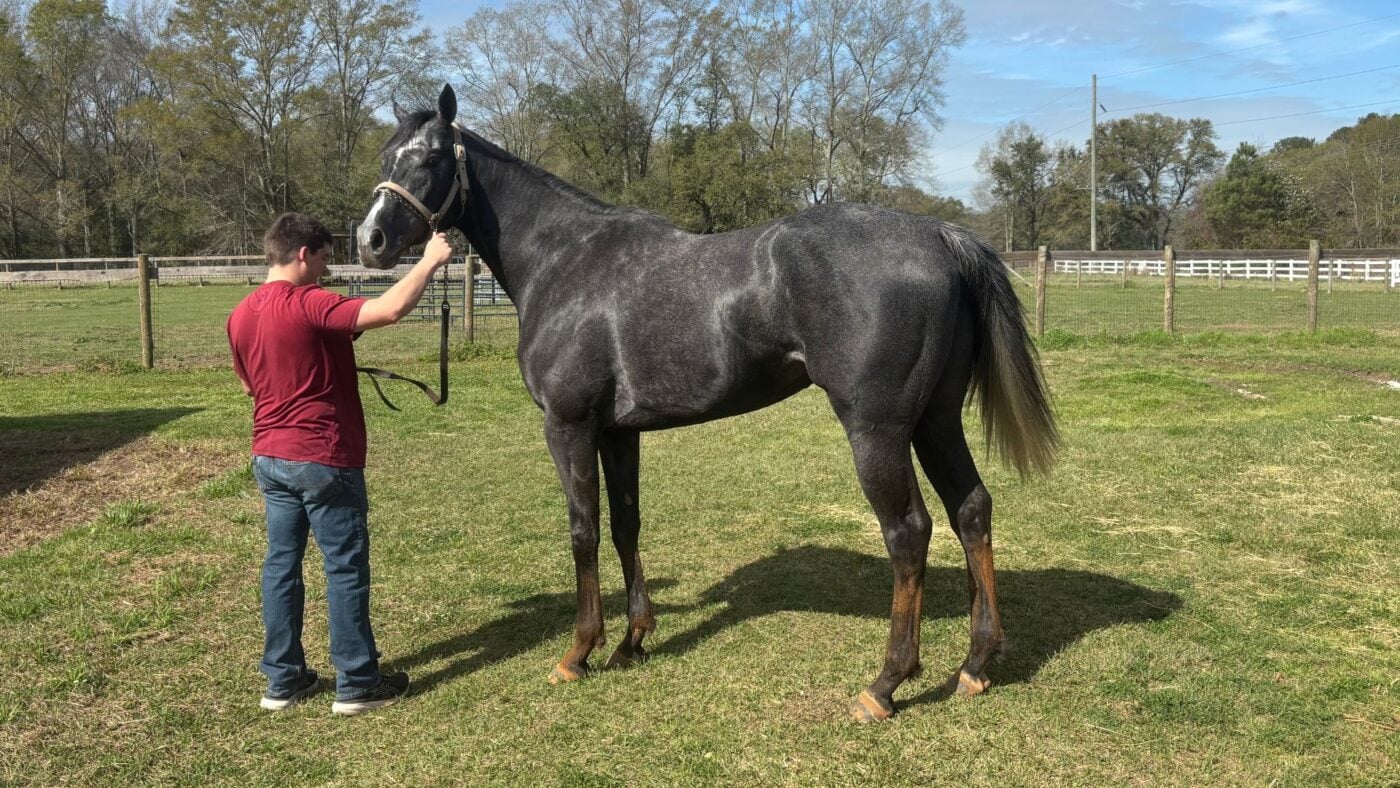
Young, unstarted horses (under 3) are often the least expensive, since there’s no training or performance record yet to pay for – value is speculative and best suited to experienced trainers and breeders. Price climbs through the 3-6 range as training and competition results come in, then holds strongest for horses in their prime working years, roughly 7 to 14, where training is complete and soundness is proven. Past that, horses in the 15-18 range can still represent strong value for a buyer who wants a calm, experienced horse, and horses 19 and older are often discounted or offered as companions rather than riding prospects – though a safe, sound senior can still be worth real money to the right buyer.
If you’re buying your first horse, the 12-16 year old range is often the best value. The horse is experienced enough to be forgiving of a less experienced rider, its training is established, and the lower price reflects age rather than any flaw. Many of the best beginner horses I’ve seen are 14-year-old Quarter Horses or grade horses that have been everywhere and done everything – they won’t spook at a plastic bag, they’ll stand at the mounting block, and they’ll teach a new rider more in six months than a young horse will in two years.
Horse Prices by Breed
These are broad market estimates, not fixed national prices – regional demand, discipline popularity, and individual training shift them constantly. Registration and a deep, active buyer/seller market give a breed like the Quarter Horse relatively transparent, consistent pricing, but breed alone rarely explains why one horse sells for triple another of the same breed and age. Training does that.
| Breed | Typical Price Range | Common Use | What Drives the Price |
|---|---|---|---|
| Quarter Horse | $3,000-$15,000 | Trail, ranch, barrel racing, western pleasure | Registration papers, AQHA show record, reining or cutting training |
| Thoroughbred (pleasure) | $1,000-$10,000 | Trail, light riding, eventing, OTTB programs | Off-track condition, retraining level, age; many available cheaply post-career |
| Thoroughbred (racing) | $5,000-$100,000+ | Racing; claiming levels set by the condition book | Bloodlines, race record, trainer, auction venue |
| Arabian | $5,000-$30,000 | Endurance racing, English pleasure, halter shows | Show record, halter conformation, endurance results |
| Warmblood (Dutch, Hanoverian, KWPN) | $10,000-$100,000+ | Dressage, show jumping, eventing | European registry status, jumping scope, dressage scores, age and training level |
| Paint / Appaloosa | $2,000-$12,000 | Western events, trail, family horses | Color pattern, registration, show record; often priced similarly to Quarter Horses |
| Morgan | $3,000-$15,000 | Driving, trail, pleasure, endurance | Breed registration, driving training commands premium |
| Draft Horse (Clydesdale, Percheron, Belgian) | $3,000-$12,000 | Farm work, driving, trail riding | Size, broke-to-drive status, pulling experience |
| Friesian | $15,000-$60,000 | Dressage, driving, exhibitions | KFPS registry papers, age, training level; breed rarity drives a significant premium |
| Mustang (BLM adopted) | $125-$1,000 | Trail, endurance, companion | BLM adoption fee; trained Mustangs sell for $1,000-$5,000 privately |
| Pony (Shetland, Welsh, Connemara) | $1,000-$8,000 | Children’s riding, driving, small adult trail | Size, child-safe temperament, show record |
| Grade horse (unregistered) | $500-$5,000 | Trail, pleasure, companion | Training level, soundness, temperament; no breed premium |
From the barn – what I’ve paid at different price points: I’ve bought horses across a wide range. A $30,000 Louisiana-bred Thoroughbred at the Breeders Sale. A $5,000 claimer off the track at Evangeline Downs. Growing up on our family ranch, Quarter Horses were the workhorse – we rarely paid more than $3,000 for a solid trail horse, and the ones priced higher were almost always priced that way because of their rodeo or cutting horse training. The breed matters, but the training matters more. A well-trained grade horse is often a better buy than an untrained registered one.
What Your Budget Realistically Buys
| Your Budget | Realistic Horse | What to Expect |
|---|---|---|
| Under $2,000 | Grade horse, OTTB needing retraining, or rescue | Training gaps likely; vet exam essential; budget for immediate care costs |
| $2,000-$5,000 | Solid trail or pleasure Quarter Horse; older experienced horse | Good value available; inspect carefully; horses in the 12-18 age range are common here |
| $5,000-$10,000 | Sound beginner-safe horse; trained pleasure or trail horse | Best range for first-time buyers; genuinely beginner-safe horses live here |
| $10,000-$25,000 | Finished amateur performance horse; experienced show horse | Competition-ready for amateur levels; specific discipline training verified |
| $25,000-$75,000 | Higher-level sport horse; serious Warmblood; upper-level event horse | Proven at recognized shows; professional evaluation essential |
| $75,000+ | Elite sport horse; top-level racehorse; FEI-level competition prospect | Professional buyer’s agent and full vetting required; not a first horse |
Where You Buy Affects Price and Risk
The same horse can sell for very different prices depending on the venue. Understanding what each buying channel offers – and what risks it carries – is as important as knowing the breed and age ranges. Location matters here too: a Quarter Horse priced at $8,000 may sell differently in Louisiana than in California, since local markets value different things – a ranch-broke horse often brings more in a western market, while a horse with English competition experience commands more where that discipline is active.
| Purchase Channel | Price Impact | Advantages | Risks |
|---|---|---|---|
| Private sale (owner direct) | Negotiable; often mid-market | Can trial the horse; get full history; negotiate freely | Price may be emotional, not market-based; full due diligence required |
| Horse dealer / trader | Typically above market | Selection; convenience; some offer trial periods | A short showing can’t reveal everything; verify independently |
| Public auction (non-select) | Can be below market for unprepared buyers | Transparent pricing; large selection | Limited viewing time; no trial; as-is condition; fast decisions required |
| Select consignment sale | At or above market | Horses vetted by consignor; reliable pedigree documentation | Premium pricing; competitive bidding |
| Claiming race (racehorses only) | Fixed at claiming price; $4,000-$50,000+ | Price is certain; horse has a verifiable race record | No pre-purchase exam; inherit any undisclosed conditions; full claiming process guide |
| Rescue organization | $0-$1,500 adoption fee | Known history from the rescue; often vetted before adoption | Unknown full history; may need rehab time; not all are rideable |
| BLM Mustang adoption | $125 adoption fee (untrained); $1,000+ trained | Very low entry cost; unique bond opportunity | Untrained mustangs require expert handling; not for beginners |
From the barn – dealers vs. private sales: I’ve bought horses both ways. Private sales give you more time with the horse and more honest information – the owner usually wants the horse to go somewhere it’ll be cared for, and that works in your favor if you ask the right questions. Dealers know how to present a horse well, and a horse’s behavior on a given day can be affected by management, routine, or timing you don’t see. That’s exactly why an independent vet exam before you commit – not after – matters regardless of who you’re buying from. Neither channel is always better; both require due diligence.
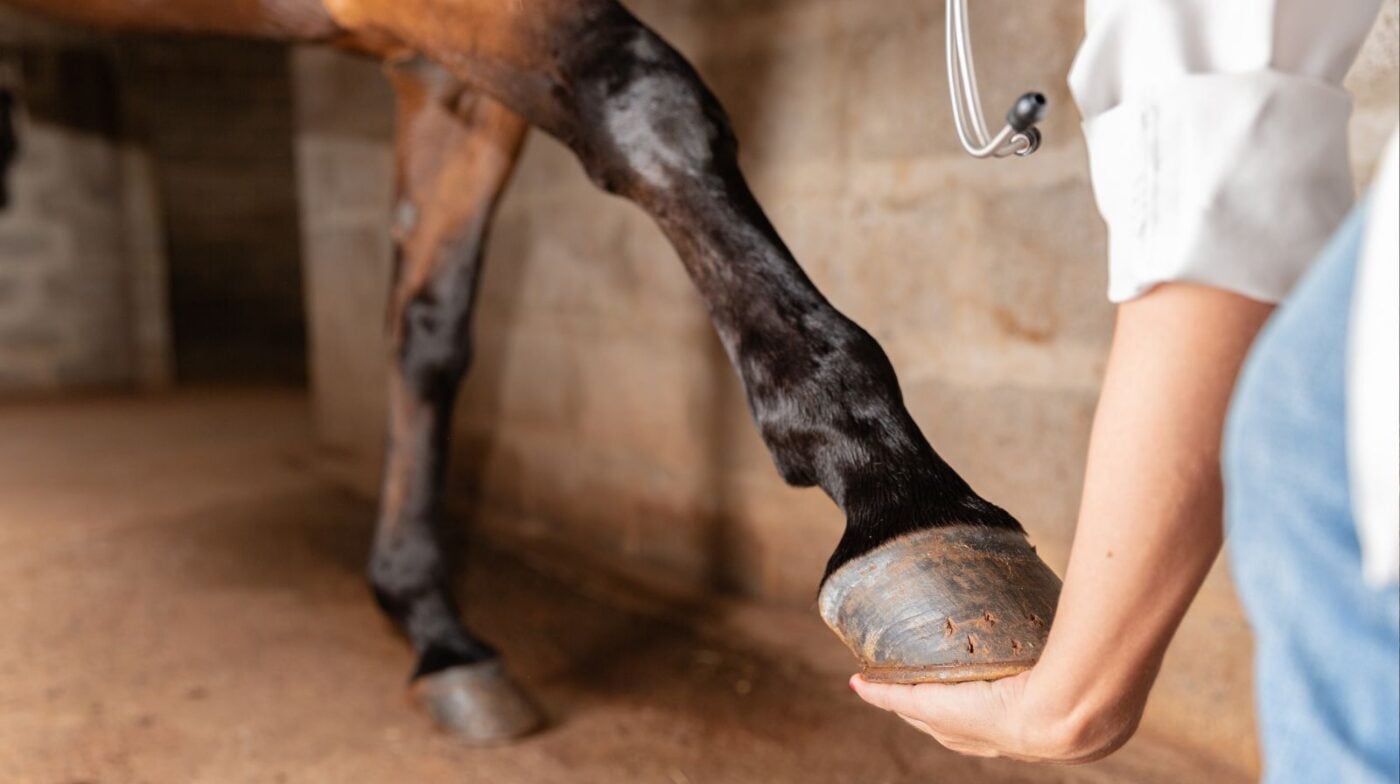
Before you buy: The sale price tells you what the horse costs to acquire, not what it will cost to own. Arrange an independent pre-purchase exam when appropriate, and leave room in your budget for hauling and first-year care.
When I bought Little Millie, a Thoroughbred yearling, I skipped the pre-purchase exam and went with my experience alone. An issue showed up in the first month that an exam may have identified. The pre-purchase exam cost $600; the treatment afterward cost $2,800. I’m not saying every horse needs full imaging – your vet is the right person to judge that against the horse’s price, job, and history.
For the next steps, read my guide to buying your first horse, pre-purchase exam guide, and first-year horse ownership cost guide.
FAQs: How Much Does a Horse Cost?
These are the questions buyers usually ask after narrowing down a budget and starting to compare horses.
How much does a horse cost on average?
The average horse purchase price in the United States ranges from $3,000 to $10,000 for a sound, trained pleasure horse suitable for recreational riding. Quarter Horses, grade horses, and older Thoroughbreds represent the more affordable end of the registered breed market. Warmbloods, top-level sport horses, and competitive racehorses can reach $50,000-$200,000+.
What is the cheapest type of horse to buy?
Grade horses (unregistered, mixed-breed) are typically the cheapest to purchase, often available for $500-$2,000 for a sound, rideable horse. Mustangs adopted through the BLM program start at a $125 base fee for untrained horses. Off-track Thoroughbreds can also be acquired very cheaply, though they usually require a retraining investment.
How much does an OTTB cost to buy?
Off-track Thoroughbreds can be acquired for very little – sometimes free through organizations like the Thoroughbred Aftercare Alliance – or for $500-$3,000 through private sale shortly after retirement. Most need a deliberate transition period before they’re suitable for recreational riding, and the time and professional help required varies widely with the individual horse, its racing career, and the rider’s goals.
Are free horses really free?
No. A free horse carries the same ongoing costs as a purchased horse from the moment it arrives – board or pasture, farrier, routine vet care, and emergency reserves. A horse offered for free because of owner hardship may be a genuine opportunity, but always have a vet examine it before accepting and budget realistically for what you’re committing to.
Is a $5,000 horse a reasonable budget for a beginner?
Often, yes. $5,000 to $10,000 is where a lot of genuinely beginner-safe, sound trail or pleasure horses live in today’s market. What matters more than the exact number is matching the horse’s training and temperament to your actual skill level – a well-trained horse at the top of that range is usually a better beginner buy than an undertrained horse at the bottom.
What costs should I expect before bringing a horse home?
Beyond the purchase price, budget for an independent pre-purchase exam, transport, and any immediate tack or supplies. A basic exam runs a few hundred dollars; a comprehensive one with imaging costs more, depending on the horse and your vet’s recommendation. Hauling can add anywhere from about $100 for local transport to well over $1,000 for a longer haul.
How much should I budget beyond the horse’s sale price?
Set aside money for an independent pre-purchase exam, hauling, any immediate tack or equipment, and the first month of board or home-care expenses. The exact amount depends on distance, the exam your veterinarian recommends, and what comes with the horse. Don’t spend every dollar of your budget on the sale price and leave nothing for the first expenses that arrive after the purchase.
About Miles Henry
Racehorse Owner & Author | 30+ Years in Thoroughbred Racing
Miles Henry (legal name: William Bradley) is a professional horseman based in Folsom, Louisiana. He holds Louisiana Racing License #67012 and has spent over three decades managing Thoroughbreds at premier tracks including Fair Grounds, Delta Downs, and Evangeline Downs.
Expertise & Hands-On Experience: Beyond the track, Miles has decades of experience in specialized equine care, covering everything from hoof health and nutrition to training protocols for Quarter Horses, Friesians, and Paints. Every guide on Horse Racing Sense is rooted in this “boots-on-the-ground” perspective.
30 of their last 90 starts
Equibase Profile.

Connect with Miles: