

Last updated: May 20, 2026
Is a pony a baby horse? I’ve worked with horses in Louisiana for 30 years, and I still hear that question all the time — from new owners, curious kids, and even people who’ve been around barns long enough to know better. A pony is not a baby horse. Baby horses are called foals, and aside from both being equines, that’s where the similarity ends.
Short answer: No — a pony is not a baby horse. Ponies are a distinct type of equine that stays small their entire lives. Baby horses are called foals and grow into full-sized horses.
- Pony: A fully mature equine standing under 14.2 hands (58 inches) — any age, distinct breed traits, permanent small size
- Foal: A baby horse or pony under one year old — still growing regardless of adult size
- Key distinction: A pony’s small size is genetic and permanent; a foal’s small size is temporary
- Naming: Male foals are colts, female foals are fillies — after their first birthday they become yearlings
About this guide: Written by Miles Henry, Louisiana racing license #67012, with 30 years of experience working with Thoroughbreds, Quarter Horses, and ponies. Sources include the United States Equestrian Federation, peer-reviewed equine behavior research, and a 2020 study on pony temperament.
Pony vs. Foal: The Key Differences
Most people think the pony vs. horse difference is just about size — but age and genetics are the real distinctions. A pony’s small size is genetic and permanent. A foal’s small size is temporary — it will grow into its adult size within two to four years, depending on breed. The United States Equestrian Federation (USEF) generally defines ponies in competition as equines standing no taller than 14.2 hands (58 inches) at the withers, with three size categories: small (up to 12.2 hh), medium (over 12.2 to 13.2 hh), and large (over 13.2 to 14.2 hh).
| Feature | Pony | Baby Horse (Foal) |
|---|---|---|
| Height | Under 14.2 hands — permanent | Small now, but still growing to adult size |
| Age | Any age — fully mature adults | Under one year old |
| Diet | Hay and grass — efficient “easy keepers” | Nursing on mother’s milk |
| Build | Short legs, broad chest, dense bones, thick coat | Long spindly legs, thin body, fine coat |
| Hooves | Strong, hard hooves built for work | Soft, tender hooves — not yet hardened |
| Temperament | Intelligent, capable, sometimes opinionated | Playful, curious, dependent on dam |
| Uses | Riding, driving, competition, therapy, companionship | Too young for any ridden work |
What Makes a Pony a Pony
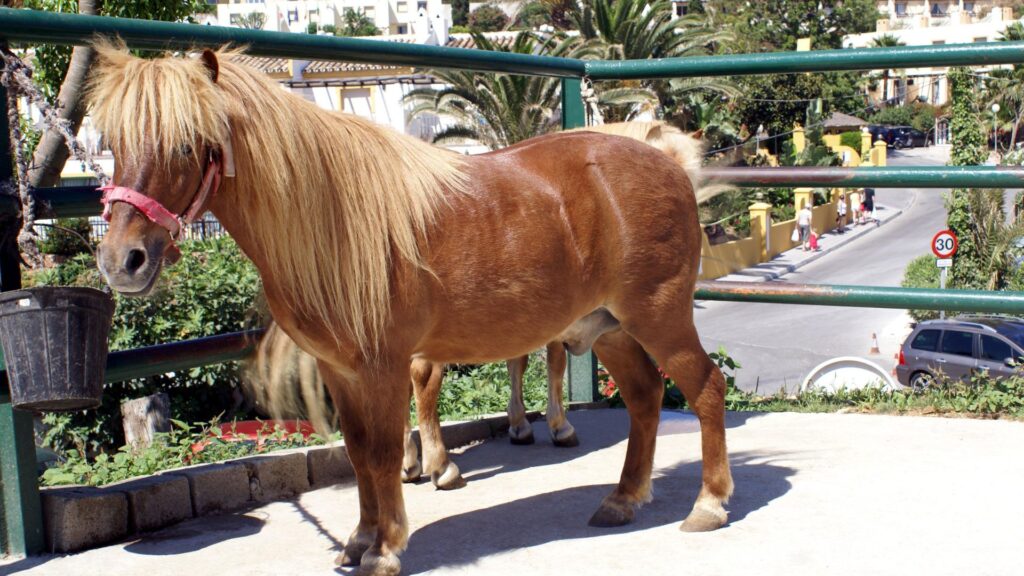
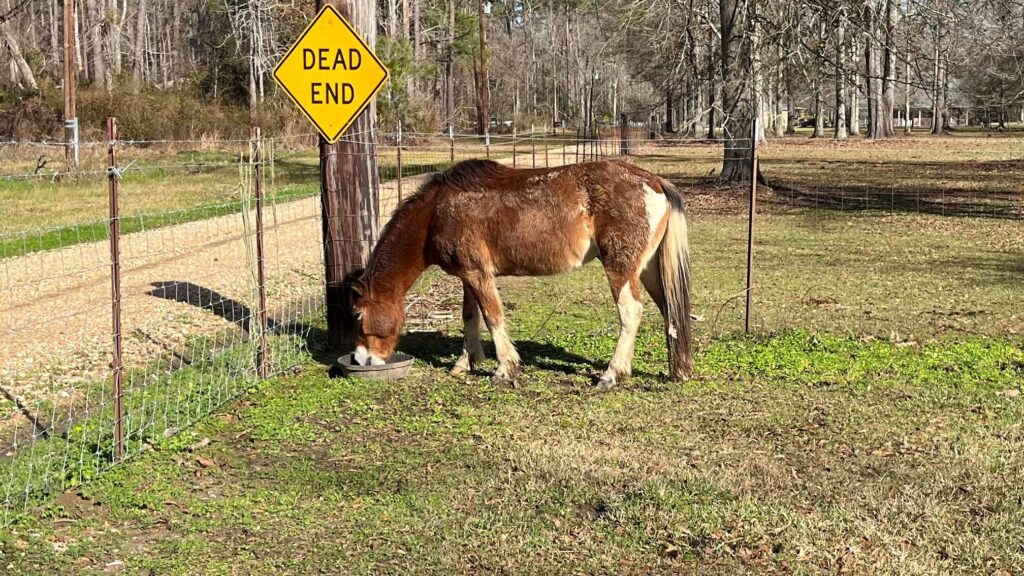
Size is the most visible distinction, but it’s not the whole story. Ponies have a fundamentally different build from horses — broader, more muscular, with denser bone structure, shorter legs, and thicker manes, tails, and coats. These traits evolved for endurance in harsh environments, not just miniaturization. It’s worth noting that not all small equines are ponies — miniature horses may stand shorter than some ponies but are still classified as horses due to their proportionate horse-like conformation and genetics. Classification depends on breed characteristics and conformation, not height alone.
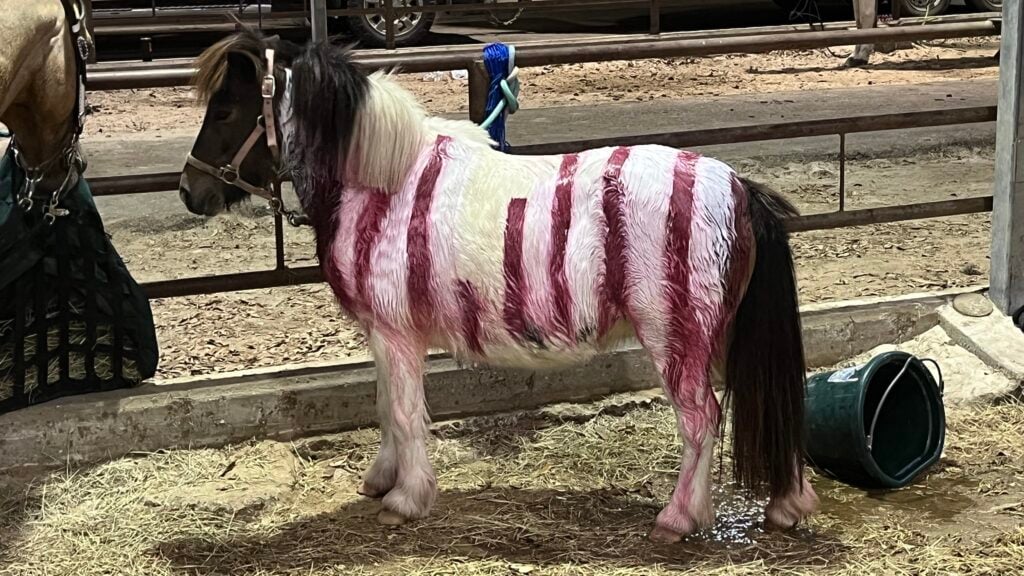
- Temperament: Ponies are generally calm and docile — a 2020 study found they’re frequently chosen for their non-nervous disposition, making them ideal for children and novice riders. That said, any experienced horseman will tell you ponies can also be sharp, clever, and have a strong opinion about what they will and won’t do.
- Build and hardiness: Thicker manes, broader chests, shorter legs, and dense bone structure make ponies well-suited for heavy loads, challenging terrain, and harsh climates on less feed than a comparable horse — historically valuable in agriculture and mining.
- Athletic capability: Don’t let the size fool you. A friend’s Welsh pony competes in barrel racing against larger horses and holds his own. Organizations like Pony Club have built entire structured programs around pony sport and horsemanship for a reason.
Pony Power: Don’t Underestimate These Equines
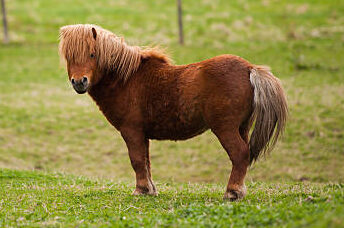
Ponies have hauled coal in mines, plowed fields, pulled carts, and carried children safely for centuries. Today, they compete in jumping, dressage, driving, and Western disciplines. Their strength-to-size ratio is exceptional — draft-type ponies often carry or pull loads proportionally greater than full-sized horses. The Shetland Pony in particular has a working history that goes well beyond its reputation as a children’s mount.
What a Baby Horse Actually Looks Like
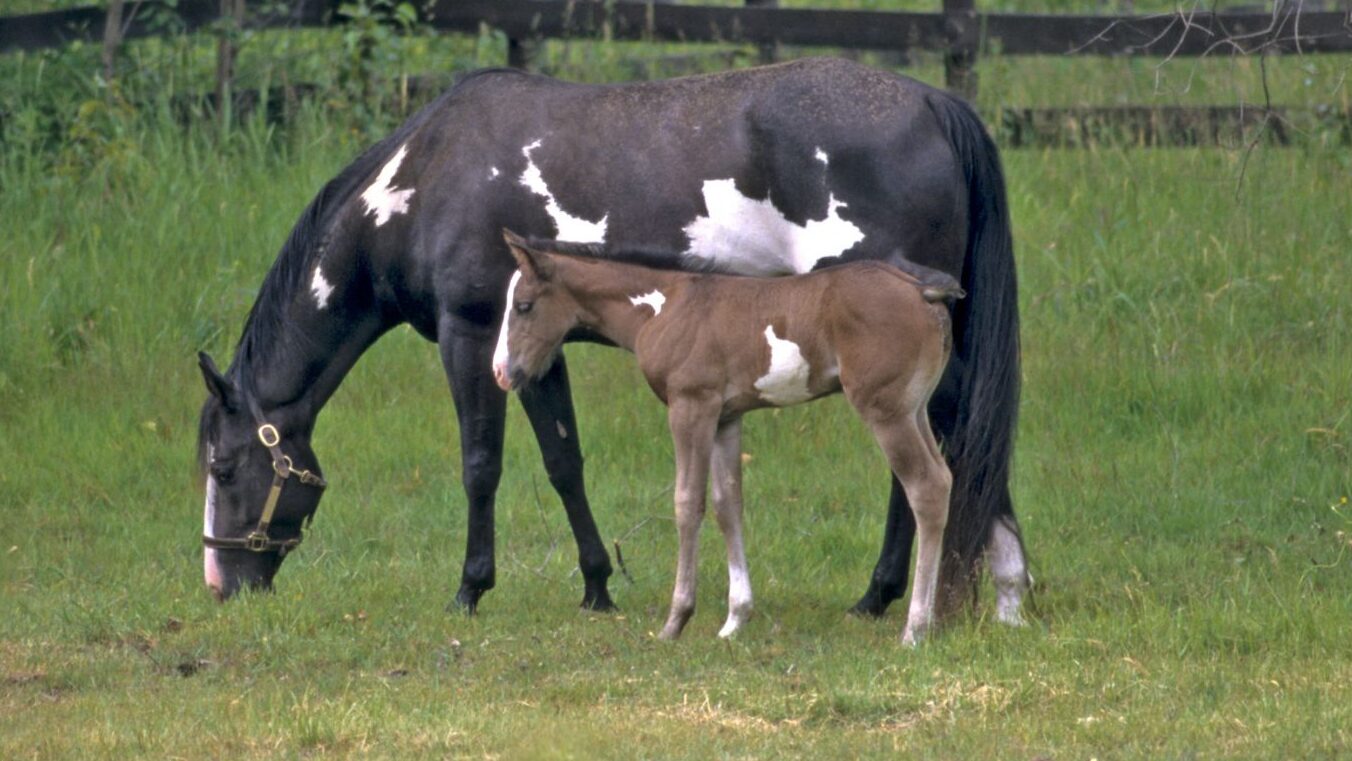
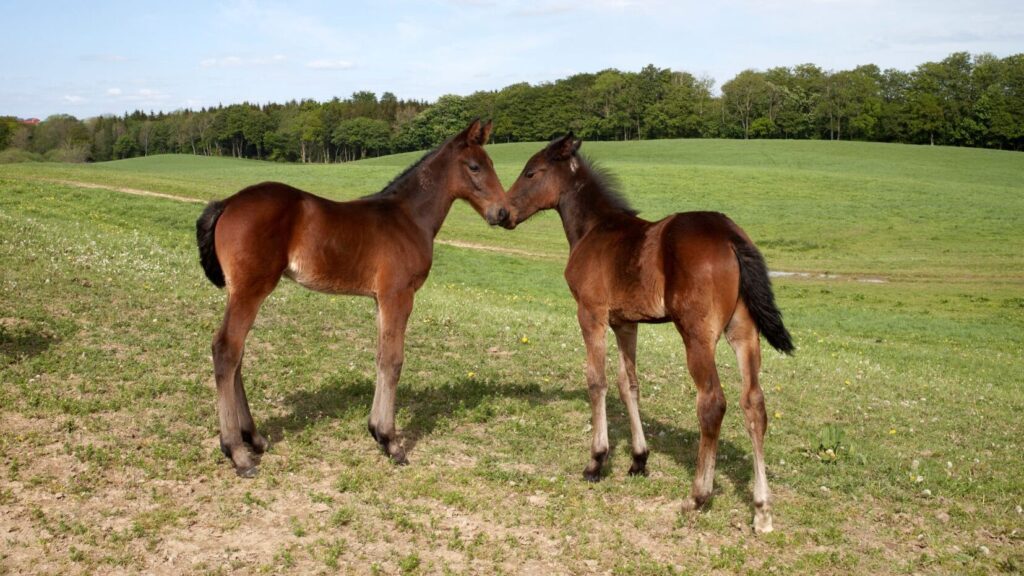
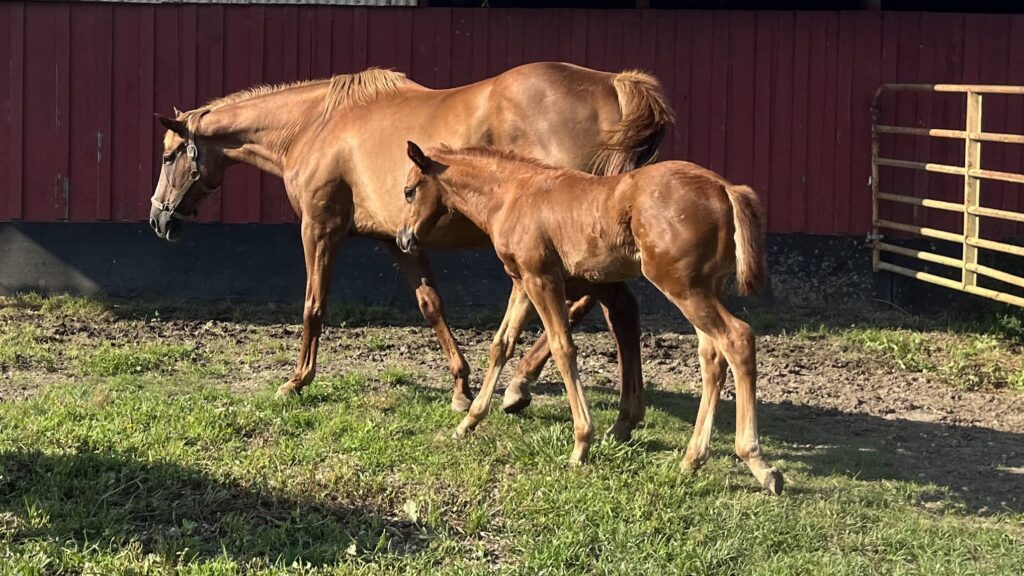
Foals are unmistakable — disproportionately long spindly legs, a fine thin coat, soft undeveloped hooves, and total dependence on their dam for nutrition. Within hours of birth, most foals stand and walk. Within weeks, they’re running. But they won’t be rideable for years, and won’t reach physical maturity until age four to six, depending on breed. By those same ages, most ponies are already fully mature and working.
People sometimes use the phrase “baby pony,” but the correct term is still foal — whether the young animal will grow into a pony or a full-sized horse. The word foal applies to any young equine under one year old, regardless of adult size.

FAQs: Is a Pony a Baby Horse?
What is a baby horse called?
Baby horses are called foals. Male foals are colts, and female foals are fillies. After a baby horse’s first birthday, they are called a yearling.
What is the difference between a pony and a baby horse?
Ponies don’t grow taller than 14.2 hands and typically have thick coats and dense bones. Baby horses grow up to be horses over 14.2 hands tall.
Can ponies and horses breed?
Yes, ponies and horses can breed, and their offspring are typically exceptional. Can You Crossbreed a Pony and a Horse?
What do ponies eat?
Ponies are typically “easy keepers” and do well on a diet of forage, hay, or grass. What do Ponies Eat? Plus Pony Facts Every Owner Should Know
Do baby horses change color as they age?
Yes, baby horses, or foals, often change color as they age. Their coat color can transform significantly from birth to adulthood due to genetic factors and the maturation process. This is most noticeable in the first few years of their lives.
What is a baby pony called?
A baby pony is called a foal, just like a baby horse. The term foal applies to any young equine under one year old, regardless of whether it will grow into a pony or a full-sized horse. Male foals are colts and female foals are fillies.
Connect with Me
- Email: mileshenry@horseracingsense.com
- Social Media: Follow me on Facebook for updates, tips, and insights into the world of horses.
- Website: Visit my website horseracingsense.com, for more articles, resources, and information about horses.
- YouTube
About Miles Henry
Racehorse Owner & Author | 30+ Years in Thoroughbred Racing
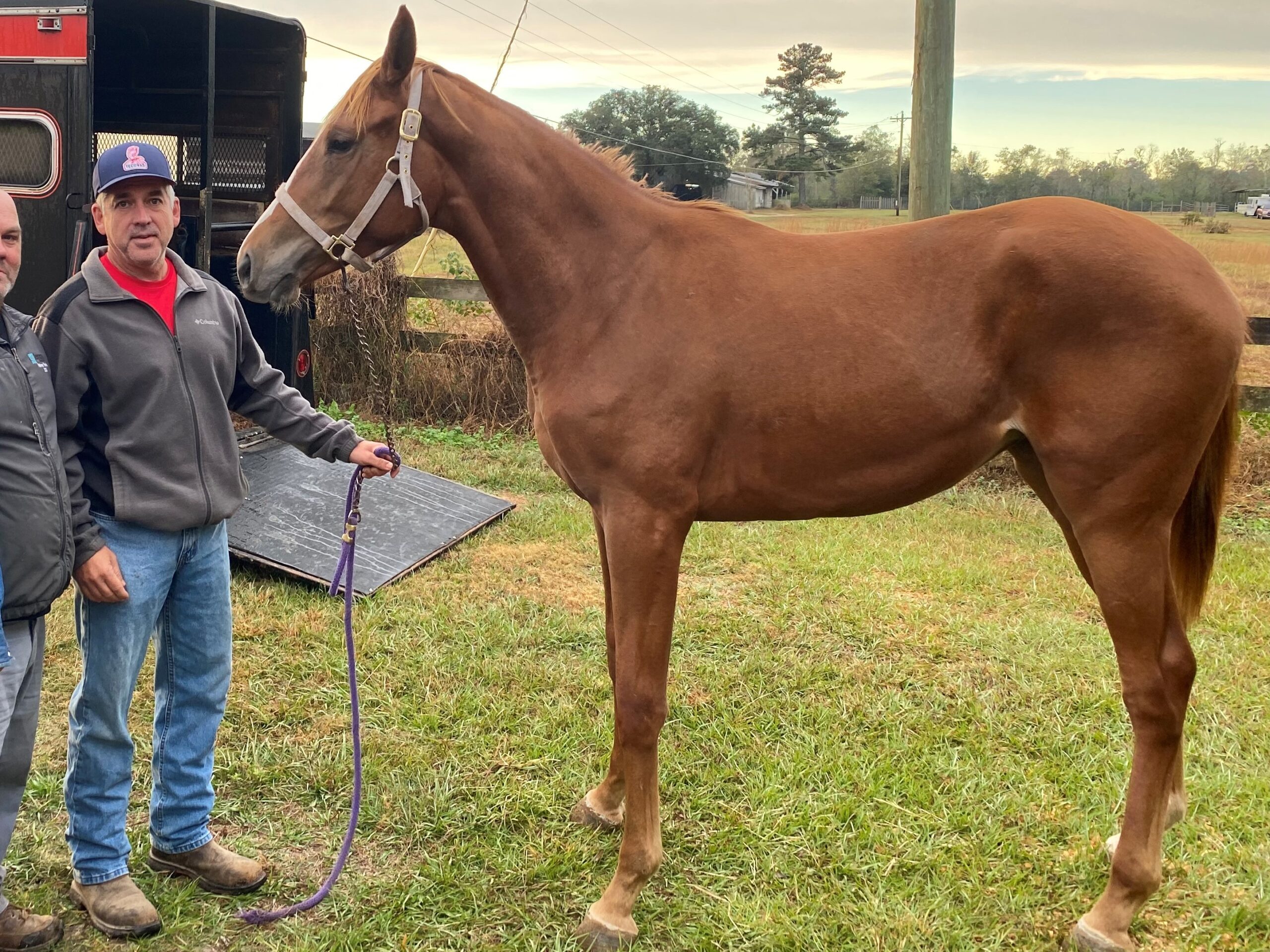
Miles Henry (legal name: William Bradley) is a professional horseman based in Folsom, Louisiana. He holds Louisiana Racing License #67012 and has spent over three decades managing Thoroughbreds at premier tracks including Fair Grounds, Delta Downs, and Evangeline Downs.
Expertise & Hands-On Experience: Beyond the track, Miles has decades of experience in specialized equine care, covering everything from hoof health and nutrition to training protocols for Quarter Horses, Friesians, and Paints. Every guide on Horse Racing Sense is rooted in this “boots-on-the-ground” perspective.
30 of their last 90 starts
Equibase Profile.

Connect with Miles: