
Last updated: September 10, 2026
A lot of first-time horse owners ask whether a Quarter Horse is the right place to start. After years around horses, my answer is usually yes—but not because every Quarter Horse is automatically beginner-safe.
A well-trained Quarter Horse can be one of the best choices for a beginner. Many have the size, trainability, and practical riding background that help new riders build confidence. Still, the safest choice is a sound, seasoned horse with a proven history carrying riders at your skill level—not simply any horse advertised as a quiet Quarter Horse.
In this guide, I’ll explain why many Quarter Horses work well for beginners, what I look for in a first horse, what a beginner-safe mount may cost, and the red flags that should make you slow down or walk away.
If you’re still comparing the breed itself—its build, common uses, care needs, and whether it fits your riding goals—read my complete American Quarter Horse guide.

Table of Contents
Why Quarter Horses Can Suit Beginners
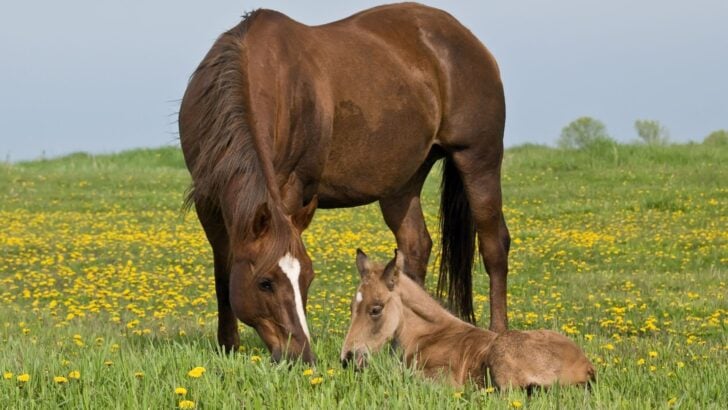
Quarter Horses have earned a strong reputation as practical riding horses. You see them in trail barns, lesson programs, 4-H projects, ranch settings, and Western events because many are trainable, handy-sized, and capable of doing a variety of jobs.
For a new rider, that can be a good starting point. Many adult Quarter Horses stand somewhere around 14.3 to 16 hands, which can feel less physically overwhelming than a much taller horse. More important, there is a large pool of Quarter Horses that have spent years carrying riders on trails, around arenas, and through everyday situations.
But breed reputation is only the starting point. A quiet, seasoned horse with real miles under saddle is a better beginner prospect than a young registered Quarter Horse with limited experience. Most beginners don’t need a fancy horse. They need one that lets them relax, learn, and make mistakes without turning every mistake into a rodeo.
- They are often practical-sized: Many beginners find a mid-sized Quarter Horse less intimidating to handle, tack up, and mount than a much taller horse.
- There are many experienced ones available: The breed is common in trail, ranch, lesson, and family settings, so patient shopping can uncover horses with useful real-world mileage.
- They can grow with a rider: A well-trained Quarter Horse may be happy trail riding one day and trying ranch work, local shows, or Western events later—if that individual horse is trained and sound for the job.
My take: I don’t put much weight on a seller saying a horse is “quiet for a Quarter Horse.” I want to see the horse stand to mount, walk off without rushing, steer and stop softly, and stay manageable when ordinary things happen around him. That tells me more than his breed or color ever will.
My Experience With a Beginner and a Quarter Horse
I remember riding alongside my daughter Addie on one of her first trail rides. She was nervous and unsure, so we paired her with Red, a seasoned and patient Quarter Horse. When Addie climbed into the saddle, Red stood still and gave her time to settle herself, adjust her reins, and get comfortable.
During the ride, Red responded to her tentative cues without rushing her. When she hesitated, he stopped. When she was ready to move on, he walked forward quietly. At one point, a rabbit darted across the trail. I braced for a reaction, but Red stayed steady and went on as if nothing had happened.
By the end of the ride, Addie was smiling and asking if she could trot next time. That kind of horse can change how a beginner feels about riding. It also taught me something worth repeating: I would not assume that behavior from a horse just because he is a Quarter Horse. I would want to see it for myself before buying.

What I Look For in a First Horse
When I am helping a beginner evaluate a horse, I care much more about his behavior and documented history than I do about his pedigree. The horse should already be doing the kind of job the new owner wants him to do.
- Quiet ground manners: He should be reasonably easy to catch, lead, groom, tack up, pick feet, and mount. A first-time owner has enough to learn without fighting a horse on the ground.
- Real riding mileage: Look for a horse that has been ridden regularly and has a history with trails, lessons, 4-H, family riding, or another job that matches your plans.
- Soft, uncomplicated basics: He should walk off quietly, steer without a fight, stop when asked, and not need a rider to hold him together every stride.
- A record with similar riders: A horse that has safely carried beginners, children, or timid adults is more meaningful than a sale-ad claim that he is “safe for anyone.”
- Soundness for the intended job: The horse does not have to be perfect, but he should be physically capable of doing what you expect without a maintenance program you do not understand or cannot afford.
- Normal behavior after time off: Ask how the horse acts after a few days without riding. Some horses are quiet only when they are worked hard and regularly.
Age can help provide that mileage, but I would not buy from a number alone. I have met older horses that were not suitable for beginners and younger horses with unusually solid training. Still, most first-time owners are better off with a horse that has been ridden enough miles to become dependable rather than one that is still learning his own job.
What a Beginner-Safe Quarter Horse Costs
In many areas, you may see usable, experienced Quarter Horses advertised from roughly $3,000 to $8,000. That is only a broad starting point, though. A truly safe, sound, well-trained horse with a documented history carrying beginners or children can cost more—sometimes considerably more.
Price changes with the horse’s location, age, soundness, discipline, training, show record, and proof of what he has actually done. A horse that has quietly carried lesson students, 4-H kids, or family riders for years is often worth a premium because that history lowers the risk for a new owner.
- Proven beginner or kid-safe history: A documented record with novice riders often adds value because it is hard to replace.
- Training that matches your plans: A finished trail horse, quiet lesson horse, or family mount may be a better value for a beginner than an athletic prospect with more talent than experience.
- Region and local demand: Prices vary a great deal by location and by the number of similar horses available nearby.
- Soundness and maintenance: A lower purchase price can stop looking like a bargain if the horse requires frequent treatment, specialized shoeing, or training you did not budget for.
If a horse is priced much lower than comparable, proven beginner mounts, do not assume you found a bargain. Ask what is behind the price. It may be nothing serious, but it could also involve soundness, behavior, maintenance, limited training, or a seller who needs the horse gone quickly.
Red Flags When Shopping for a Beginner Horse
Over the years, I have seen beginners fall in love with color, breeding, or a pretty face before they ask the questions that matter. The best first horse I have known was not always the flashiest one. He was the one that showed up every day ready to do his job.
- The seller will not let you see normal handling: Watch the horse get caught, led, tied, groomed, picked up, saddled, mounted, and ridden. If possible, see how he behaves after a day or two off.
- Only the seller rides the horse: A horse may look quiet under a skilled rider and feel completely different to a novice. Bring a trainer, instructor, or experienced horseperson to ride and handle him first.
- The seller discourages an independent pre-purchase exam: Hire your own equine veterinarian and explain exactly how you plan to use the horse. A PPE can identify health and soundness findings, but it cannot certify temperament, safety, value, or suitability for a particular rider.
- A young or green horse is marketed as beginner-safe: A horse can be sweet, athletic, and well bred but still need an experienced rider. Green horses need guidance, and green riders need a horse that already knows his job.
- There is pressure to decide immediately: A legitimate seller should understand that a first horse is a major decision. Do not let urgency replace a careful evaluation.
- The horse has no verifiable history: Ask what he has done recently, who has ridden him, how often he has been worked, whether he has hauled, and whether there have been behavior or soundness issues.
- The sale is built around color or papers: A flashy palomino, a pretty gray, or impressive breeding may catch your eye, but none of it tells you whether the horse will safely carry you down the trail or around an arena.
A pre-purchase exam is an important part of buying, especially for a first-time owner. The veterinarian’s job is to document relevant findings and help you understand the horse’s physical condition for the intended use; the final decision about suitability still requires the full picture, including training, behavior, history, rider match, and your own goals.
Choosing a Quarter Horse for a Child
For a child, I would add one more requirement: look for a horse with real experience carrying children. A quiet adult trail horse is not automatically a child’s horse. A horse that has packed kids in lessons, 4-H, lead-line classes, pony club activities, or family riding situations gives you more useful evidence.
The horse should be small enough for the child to handle safely with supervision, but size should not be the deciding factor. I would rather see a child on a slightly larger horse with steady ground manners and a forgiving mind than on a smaller horse that is quick, pushy, or hard to catch.
Watch how the horse acts when the child approaches, grooms, leads, mounts, and rides. Also ask whether the horse has carried children away from the barn, on trails, near other horses, and in unfamiliar settings. A horse that behaves well only in his home arena with his regular rider may not be the same horse when the situation changes.
Other Horses That Can Suit Beginners
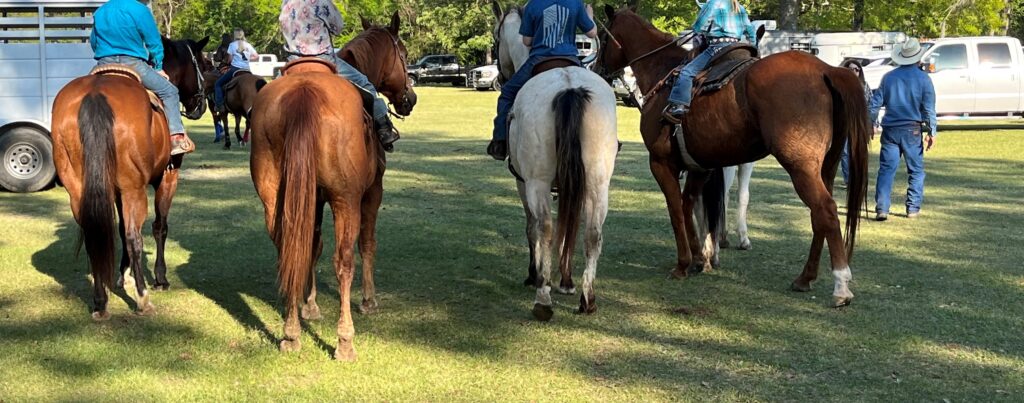
Quarter Horses are not the only good option. Paint Horses, Morgans, grade horses, some gaited horses, and certain draft crosses can all make excellent first horses when they have the right mind, training, and proven work history.
I would not automatically rule out a Thoroughbred, Arabian, or crossbred horse either. A well-trained, quiet individual with the right history can suit the right beginner, while a reactive or poorly trained horse of any breed can be a bad match. The best first horse is usually the sound, seasoned one that is already doing the kind of riding you want to do.
For a broader comparison of breeds and beginner options, see my guide to the best horses for beginners.
Are Quarter Horses Good for Beginners: FAQs
Are Quarter Horses good for beginner riders?
Yes, many Quarter Horses make excellent beginner horses. I have seen why they earn that reputation: a seasoned one can be steady, willing, and forgiving. But I would never buy a horse based on breed alone. A horse with a quiet, documented history carrying riders at your level is usually a safer choice than a young registered Quarter Horse with limited experience.
What makes a Quarter Horse safe for a beginner?
Look for a sound, seasoned horse with quiet ground manners, soft steering and brakes, a willingness to stand for mounting, and a proven record with riders at your skill level. The breed may point you toward horses with those traits, but it does not guarantee them.
How much does a beginner-safe Quarter Horse cost?
In many areas, experienced Quarter Horses may be advertised from roughly $3,000 to $8,000. However, truly safe, sound, well-trained horses with a documented record carrying beginners or children can cost more. Location, training, soundness, and proven history all affect the price.
Should a first-time buyer get a pre-purchase exam?
Yes. Use an independent equine veterinarian and explain how you plan to use the horse. A pre-purchase exam can identify health and soundness findings, but it can’t guarantee temperament, future soundness, value, or whether a horse is the right match for a particular rider.
How tall are Quarter Horses?
Many Quarter Horses stand about 14.3 to 16 hands. That common size range can feel manageable to many adult beginners, although a horse’s training and temperament matter much more than height alone.
Is a young Quarter Horse a good choice for a beginner?
Usually not. A young or green horse may be kind and athletic, but it is still learning its job. Most new riders learn more safely on a seasoned horse that already has the miles, training, and experience to forgive beginner mistakes.
Quarter Horses for Beginners: The Bottom Line
A well-broke Quarter Horse can be an excellent first horse, but the words “Quarter Horse” and “beginner-safe” should never replace a careful evaluation. Look for a horse with a quiet, verifiable history, soundness appropriate for the work you want to do, and experience carrying riders with your level of confidence.
Take your time, ride more than one horse, bring a knowledgeable trainer or instructor when you can, and arrange an independent pre-purchase exam before you commit. The horses that stand out to me over the years aren’t always the ones with the most talent—they’re the ones that take care of their riders and do their job day after day.
About Miles Henry
Racehorse Owner & Author | 30+ Years in Thoroughbred Racing
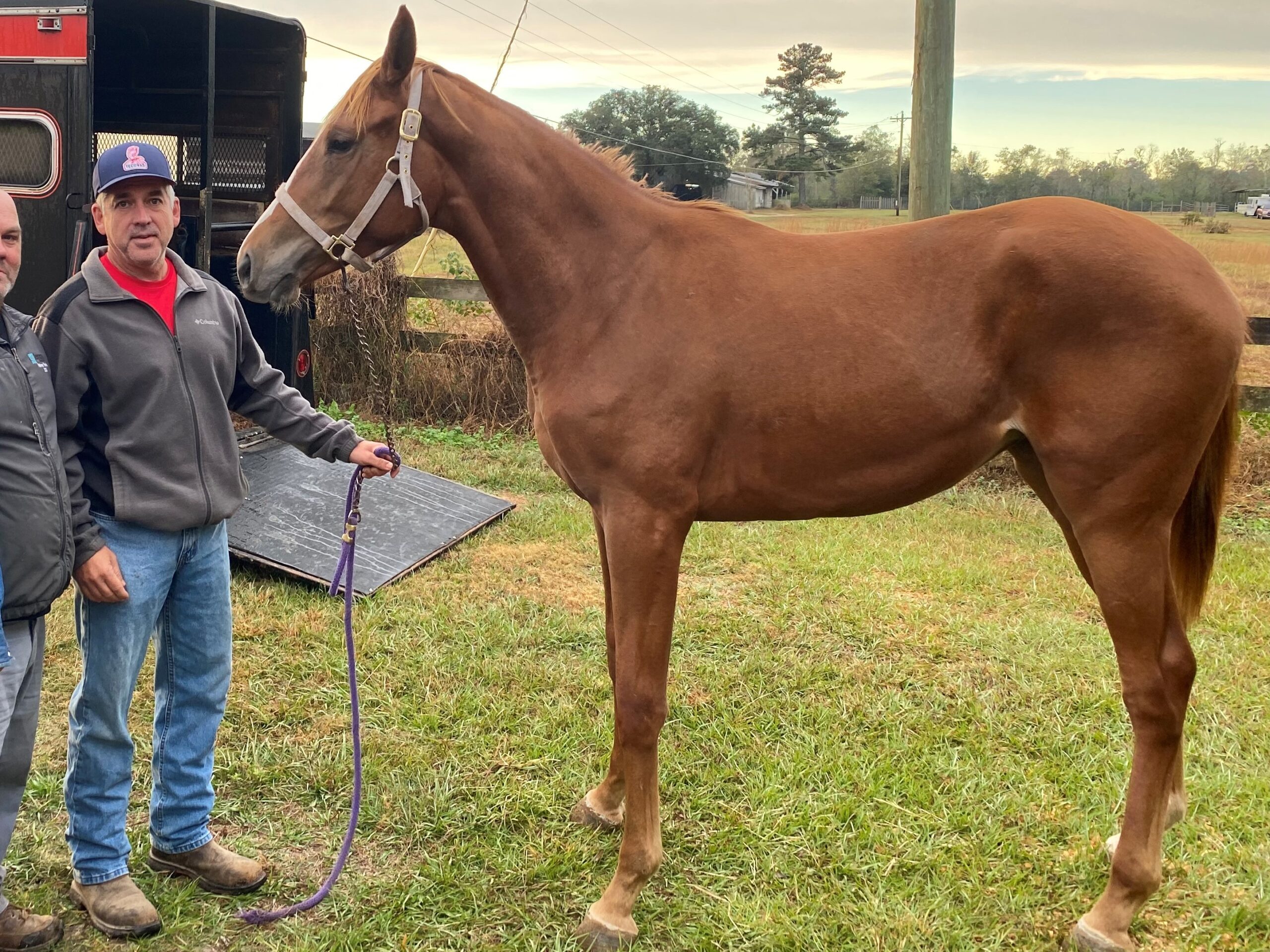
Miles Henry (legal name: William Bradley) is a professional horseman based in Folsom, Louisiana. He holds Louisiana Racing License #67012 and has spent over three decades managing Thoroughbreds at premier tracks including Fair Grounds, Delta Downs, and Evangeline Downs.
Expertise & Hands-On Experience: Beyond the track, Miles has decades of experience in specialized equine care, covering everything from hoof health and nutrition to training protocols for Quarter Horses, Friesians, and Paints. Every guide on Horse Racing Sense is rooted in this “boots-on-the-ground” perspective.
30 of their last 90 starts
Equibase Profile.

Connect with Miles: