
Last updated: October 4, 2026
Any links on this page that lead to products on Amazon are affiliate links and I earn a commission if you make a purchase. Thanks in advance – I really appreciate it!
It’s hot and humid in south Louisiana, and visitors often show up in shorts and ask if they can ride one of my horses. My rule is simple: if you get in the saddle, you wear long pants and proper boots. That usually brings up two questions: why not shorts, and what are horseback riding pants called, anyway?
Here’s what each style is called, how they differ, and why the pants you wear matter once you’re in the saddle.
Table of Contents
What Are Horseback Riding Pants Called?
In English riding, the two main names are breeches and jodhpurs, often shortened to “jods.” In the U.K., you’ll also hear them called riding trousers or horse riding trousers. Riding tights are a stretchier pull-on option, and Western riders wear jeans.
| Name | What it means | Usually worn with |
|---|---|---|
| Breeches | Snug riding pants that end around the lower calf, often with a knee patch or full-seat grip | Tall boots, or paddock boots with half chaps |
| Jodhpurs | Full-length riding pants, traditionally with a cuff at the ankle | Paddock or jodhpur boots |
| Riding tights | Stretchy pull-on riding pants, usually with grip | Tall boots, or paddock boots with half chaps |
| Riding jeans | Jeans designed or cut for riding, with a longer inseam so they don’t ride up in the saddle | Western or cowboy boots |
Chaps and half chaps aren’t pants, but they come up in the same conversation. They go over your pants or boots to add a layer between your leg and the saddle, and many riders like them for extra grip and coverage. I’ve explained why riders wear chaps separately.

What’s the Difference Between Breeches and Jodhpurs?
Traditionally, it comes down to where they end on your leg and the boots you wear with them. As Your Horse magazine explains, breeches finish around mid-calf, so there’s no extra fabric bunched inside a tall boot, while jodhpurs run to the ankle and are worn with short paddock boots. Manufacturers sometimes use the names loosely now, so check the length on any pair you’re buying.
Jodhpurs are common for kids and new riders, because paddock boots usually cost less than tall boots and young riders outgrow both fast. Breeches are the standard for most adult English riders, especially those in tall boots or half chaps.
Both come with either knee patches or a full seat. Full-seat breeches have grip material from the seat down the inner thigh to the knee, while knee-patch breeches have it only at the knee. Many dressage riders prefer a full seat, and knee patches are common in the hunter and jumper rings, but neither is automatically better. Pick the one that feels right in your saddle. If you’re leaning toward a full seat, my guide to full-seat riding breeches goes into more detail.
If you’re buying a first pair for a child or a beginner in paddock boots, pull-on jodhpurs are a simple, budget-friendly place to start.

Do You Need Special Pants to Ride a Horse?
Not for every ride, but you do need the right kind of pants. If you’re going on a one-time trail ride on vacation, comfortable long pants that fit close and riding-appropriate boots with a defined heel will usually get you through, and you don’t need to spend $100 on breeches. If you’re going to ride regularly, purpose-made riding pants are worth the money.
The difference becomes pretty obvious once you spend some time in a saddle. Bare skin against stirrup leathers chafes and pinches fast, and regular pants have their own problems. You don’t want a thick inside seam rubbing your leg, loose fabric bunching behind your knee, or a waistband that moves every time the horse does. Riding pants fit close, bend at the hip and knee, and keep the seams out of the way, and knee patches or a full seat give you a more consistent feel against the saddle.

What Do Western Riders Wear?
Western riders traditionally wear jeans, and you’ll still see them on trail riders, ranch hands, ropers, and many barrel racers. Riding jeans are usually cut to fit over cowboy boots, with a flatter inside seam, a higher back so the waistband doesn’t gap when you sit, and enough length to stay down over the boot when you bend your knee. If you’re shopping for a pair, I’ve covered the best riding jeans for women and for men.

Can You Ride in Leggings or Sweatpants?
You can ride in leggings or sweatpants for a short, casual ride if they fit close and you’ve got riding boots with a heel on, but neither is as good as purpose-made riding pants. I don’t object to someone riding in sweatpants for a little while, but they’re often bulky, thin, and slippery in the saddle. Ordinary leggings usually stay closer to your leg, but they may not have the saddle-specific seams, durability, or knee and seat grip found in riding tights. If you ride regularly, riding tights give you the same stretch with grip where you need it, and there are fleece-lined winter riding tights for cold weather.
Horse Riding Pants FAQs
Can you wear regular jeans horseback riding?
Yes, especially for Western riding or a casual ride, but jeans made for riding are more comfortable. Look for a flat inside seam, a little stretch, a higher back, and a bootcut leg long enough to stay over your boots.
Can men wear breeches?
Yes. Breeches are made for men and women, and men ride in them across English disciplines like dressage, show jumping, and eventing.
What are jodhpur straps?
Jodhpur straps are elastic straps that run under the foot or boot to keep the cuff of a pair of jodhpurs from riding up the leg. Traditional jodhpurs often come with them, and they’re handy for riders in paddock boots.
If you’re riding English, breeches, jodhpurs, or riding tights are the usual choices. Western? Jeans are the norm. Whatever you wear, pick long pants that fit close enough not to bunch in the saddle, and pair them with proper boots. And if you’re riding one of my horses, shorts still aren’t happening.
About Miles Henry
Racehorse Owner & Author | 30+ Years in Thoroughbred Racing
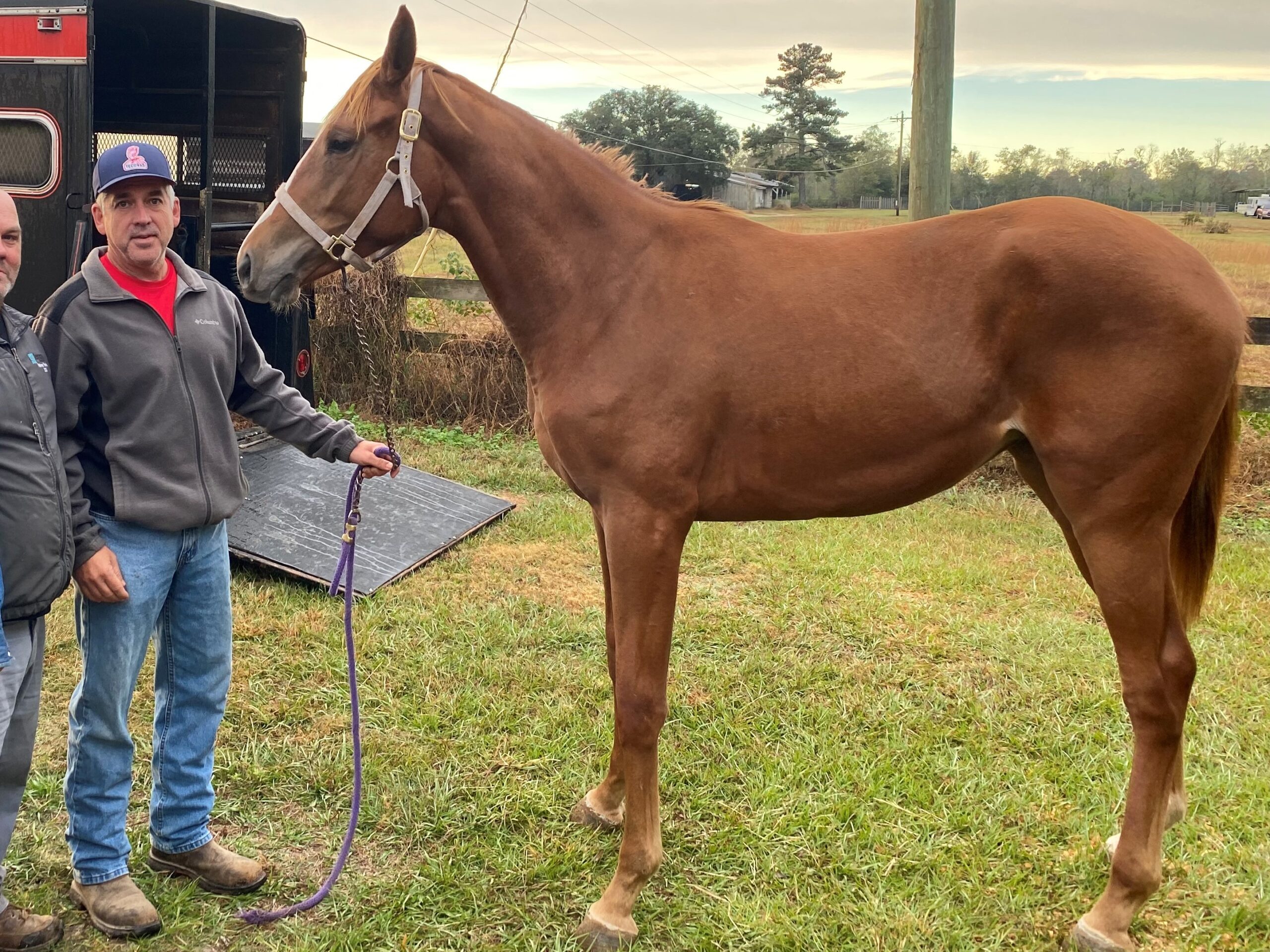
Miles Henry (legal name: William Bradley) is a professional horseman based in Folsom, Louisiana. He holds Louisiana Racing License #67012 and has spent over three decades managing Thoroughbreds at premier tracks including Fair Grounds, Delta Downs, and Evangeline Downs.
Expertise & Hands-On Experience: Beyond the track, Miles has decades of experience in specialized equine care, covering everything from hoof health and nutrition to training protocols for Quarter Horses, Friesians, and Paints. Every guide on Horse Racing Sense is rooted in this “boots-on-the-ground” perspective.
30 of their last 90 starts
Equibase Profile.

Connect with Miles: