
Last updated: August 15, 2026
A bay horse has a reddish-brown body with black points–a black mane, tail, and lower legs. A dark bay can look black in a dim barn aisle, while a light bay can pass for buckskin at first glance. Take the horse outside before you make the call.
After years around Thoroughbreds and sale barns, I have learned not to identify color from a stall photo alone. Here are the bay shades you commonly see and the quickest ways to tell bay from black, chestnut, brown, and buckskin.
Table of Contents
Bay Horse Color: Shades From Light to Dark
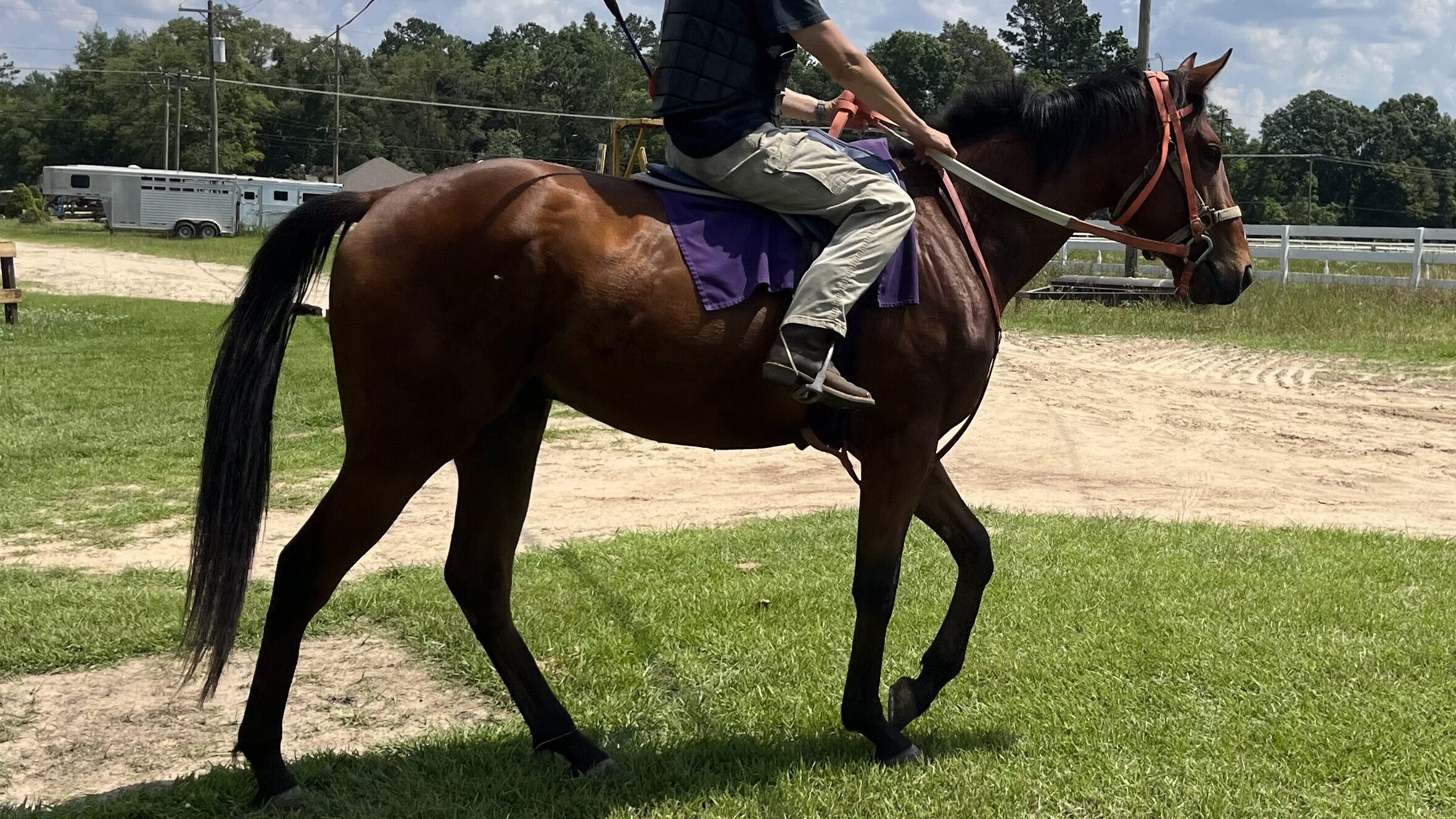
“Bay” isn’t one shade; it’s a range. Lighting, season, and age all change how a bay looks, which is why the same horse can seem like a different color from one week to the next. The following shade names are useful barn and sale descriptions, not separate base-color genotypes; a horse can genetically be bay while looking quite different across season, lighting, and coat condition.
Light Bay (Golden Bay)
Light bays are the horses that make people stop and look twice. In early morning or late afternoon light, the coat can almost glow, and that’s when people sometimes mistake them for buckskin. Light bay ranges from warm copper-red to golden brown, always with black points. A foal or yearling coat can look lighter, woollier, or more golden than the mature coat, so it’s wise not to predict an adult shade from a young horse alone.
Field note: That coppery sheen in early light is usually your first clue, but don’t stop there.
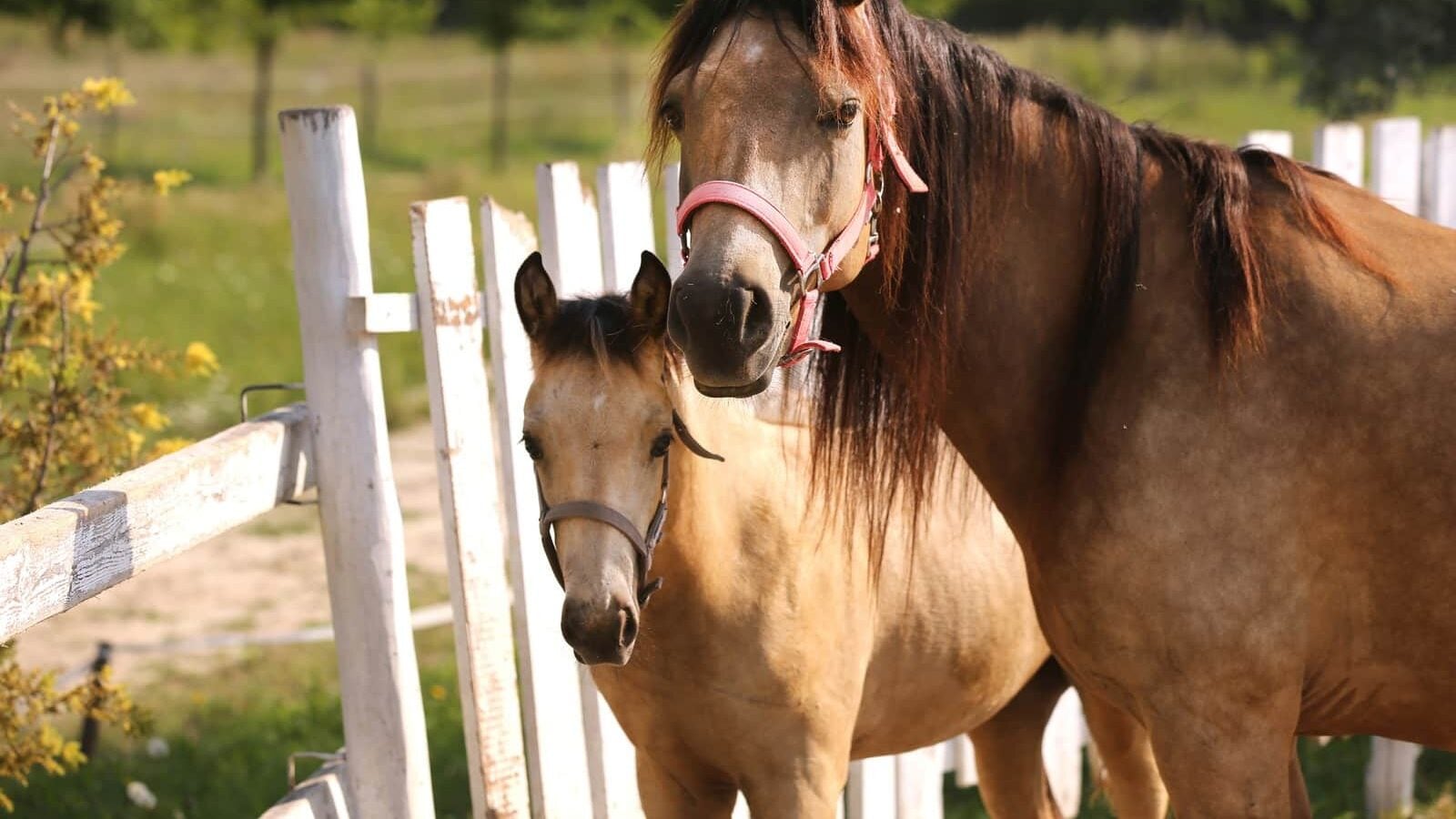
Light bay and buckskin both have black points, so the points alone don’t settle it. A light bay usually has a copper, red, or warm reddish-brown body, while a buckskin typically has a tan, gold, or yellow body produced by a cream-dilution allele on a bay base. In borderline cases, especially from a photograph, pedigree information or a color test is more reliable than an eyeball call. For more on how that dilution works, see our buckskin genetics guide.
Classic Bay (Standard)
This is the textbook bay most people picture first: a balanced reddish-brown body with strong black points and clear contrast that holds up in almost any lighting. It’s the most common shade in racing and performance horses and sits right in the middle of the bay spectrum, which is also why it’s sometimes mistaken for a darker chestnut when there’s nothing nearby to compare it to.
Practical cue: Evenly balanced color with cleanly defined points, you’re probably looking at a classic bay.
Dark Bay (Mahogany)
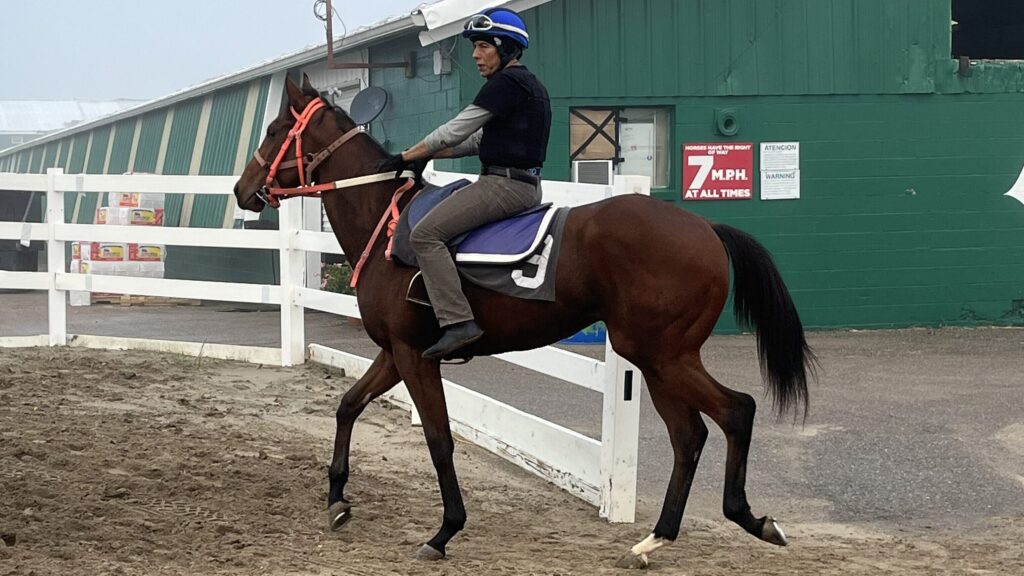
I’ve seen plenty of dark bays listed as black at first glance, especially in sale barns where the lighting is poor, and every horse looks a shade darker. The difference often becomes clearer once the horse steps outside. In natural light, a dark bay may show a reddish or brown cast through the body coat that is easy to miss indoors.
Field cue: Part the hair at the shoulder, flank, or behind the elbow and look in daylight. A reddish or brown cast supports bay, but use it with the horse’s black points and overall body color. If the distinction matters for breeding, registration, or a sale listing, test rather than guess.
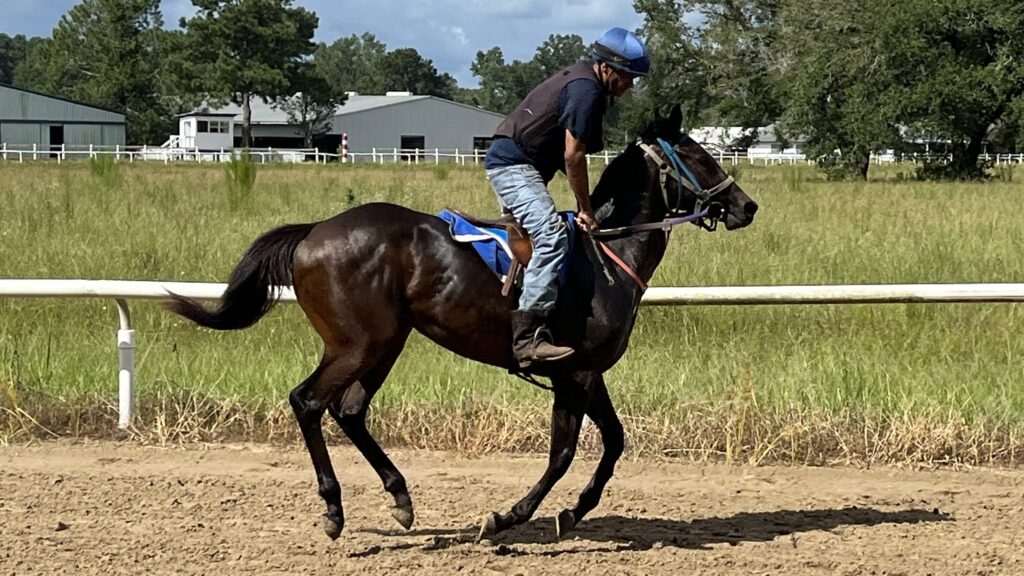
Blood Bay
Blood bays stand out immediately in sunlight because the coat carries much deeper red saturation than a standard bay. On a clean horse in summer condition, the color can almost look lacquered or wine-toned from a distance, which is exactly why blood bays are favorites in the show ring and in sale photography.
Practical note: That much red saturation shows every bit of dust, dullness, or a rough coat, so grooming and coat condition matter more visually on a blood bay than on other shades.
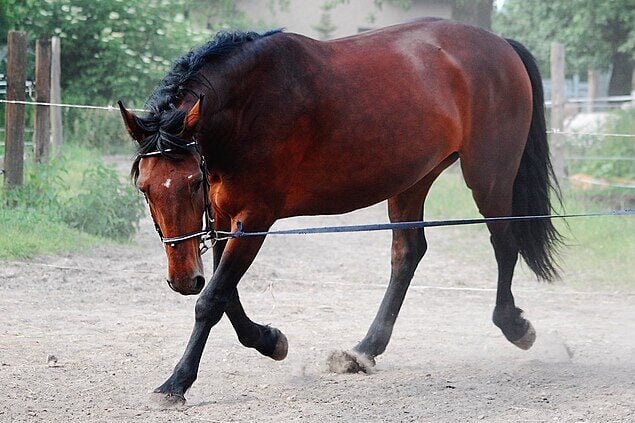
Bay shade quick summary:
- Light bay — warm copper, red, or golden-brown body with black points; often confused with buckskin
- Classic bay — a medium reddish-brown body with clear black points
- Dark bay — can look black in poor light; check the full body coat in daylight
- Blood bay — a particularly rich, deep red bay shade, often described as wine-toned
There’s also wild bay, where the black points stop lower on the leg, around the ankle or fetlock, instead of running the full length of the cannon bone. It’s a variation on standard bay rather than a separate color.
How to Tell a Bay From Black, Brown, or Chestnut
Bay horses are, in my experience, the most commonly misidentified color in the barn. A horse that looks black at first glance can show deep red tones the moment it steps into the sun. When I’m uncertain, I don’t guess from a stall photo or dim barn light; I take the horse outside and check the whole coat. That whole-horse check comes down to four things.
Part-the-hair check. On a very dark horse, part the coat at the shoulder, flank, or behind the elbow and look in natural light. A reddish or brown cast to the body hair supports bay, but use it with the whole-horse picture: the black points, body color, and any lighter areas around the muzzle or flanks.
Points test. Look at the mane, tail, lower legs, and ear rims. On an unmodified bay, the underlying points are black. White markings can cover parts of the legs or face, and dilution genes can alter the appearance, so use this check with the body color and natural-light view.
Contrast test. Step back and look at the whole horse. Bay shows a clear break between the reddish body and the black points. If everything blends together, something else is going on.
Daylight test. Don’t trust barn lighting. Always confirm in natural light; sunlight exposes red tones that artificial light tends to hide, and it’s one of the most useful practical checks for telling a dark bay from a true black.
At the simplest level, bay, black, and chestnut are the basic coat-color outcomes. Dilution, gray, white-pattern, roan, and other modifier genes then change what we see on the horse. Once that framework clicks, bay gets much easier to separate from the colors it’s most often confused with.

Color matters when you’re buying, selling, or registering a horse. A dark bay can look black in a stall photo or under poor barn lighting, so take the horse outside before you make the call.
Young horses and winter coats can also look lighter, duller, or more golden than the mature summer coat. Check the whole horse in natural light instead of judging color from one photo.
| Color | Body color | Points | Quick field check |
|---|---|---|---|
| Bay | Reddish-brown | Jet black | Red roots + sharp contrast in sunlight |
| Chestnut | Red-brown | Same as body, or flaxen; never black | No black points anywhere on the horse |
| Seal brown | Very dark brown | Black | Often shows lighter tan areas around the muzzle, eyes, elbow, or flanks; classification can vary by registry and genetics |
| Black | True black | Black | Coat remains black overall in natural light; a DNA test can resolve uncertain cases |
For a full side-by-side, see this bay vs. chestnut comparison guide.
Why Bay Horses Have Black Points
Bay coloring comes from two basic gene effects working together. The Extension gene allows a horse to produce black pigment, while the Agouti gene limits that black pigment mostly to the mane, tail, lower legs, and ear rims. The result is the reddish-brown body and black points that define a bay horse.
In plain English: A bay horse can make black pigment, but the genetics keep most of it at the points instead of spreading it across the whole body. That is why a bay has a brown or red body with a black mane, tail, and legs.
Other genes can change how that basic bay pattern looks. For example, one cream-dilution gene turns bay into buckskin, while genes such as dun, gray, and white-pattern genes can further change the coat’s appearance. If you are breeding for color or trying to predict a foal’s color, DNA testing is more reliable than judging a horse by eye alone.
How Common Are Bay Horses?
Bay is common in many breeds and especially familiar in Thoroughbreds, Quarter Horses, Arabians, and Warmbloods. Exact percentages vary by breed, registry, and population studied, so I wouldn’t hang a single number on how common bay is across all horses everywhere. In the Thoroughbred world, bay is so common that it can fade into the background until you’re trying to identify a dark horse correctly on a program, at a sale, or in a paddock.
For Thoroughbred registration, The Jockey Club describes bay as a coat ranging from yellow-tan to bright auburn with a black mane, tail, and lower legs unless white markings are present. That registry description is useful when a horse falls near the dark bay/brown/black border visually.
Source: UC Davis Veterinary Genetics Laboratory, horse coat color genetics.
Test Your Bay Identification
Key Takeaways: What Is a Bay Horse?
- Bay equals reddish-brown body plus black points — this is the usual visual pattern that defines bay, though white markings can cover portions of the legs or face.
- Use daylight and the whole-horse check — look for black points, then examine the body coat in sunlight. Parting the hair can help on a very dark horse, but it’s one clue, not a genetic test.
- Bay results from two genes working together — Extension enables black pigment, and Agouti restricts it to the points, which is why bay is a common color in many breeds.
- Dark bay is not black — the two can look identical in poor light; sunlight and the whole-horse check usually separate them in the field, and the distinction matters in auction and registry settings.
- Bay shades can look different at different ages — foal and seasonal coats can look lighter, woollier, or more golden than the mature coat, so evaluate in natural light rather than off one photo.
- Color testing settles close calls — daylight and the whole-horse check are useful in the field, but DNA testing is the better answer when color matters for breeding, registration, or a sale listing.
What Is a Bay Horse? FAQs
What defines a bay horse?
A reddish-brown body coat combined with black points on the mane, tail, lower legs, and ear rims. Both features must be present; a reddish body alone without black points is chestnut, not bay.
What is the difference between bay and chestnut?
Bay has black points: a black mane, tail, and lower legs. Chestnut has no black pigment anywhere; the mane and tail either match the body color or are lighter, called flaxen. See the full bay vs. chestnut comparison guide for more detail.
Can a bay horse turn black?
No. A genetically bay horse does not turn black. Dark bays can appear black in low light or under a winter coat, but sunlight or hair-parting reveals the underlying red pigment.
What does a light bay horse look like?
A light bay, sometimes called golden bay, has a warm copper, red, or golden-brown body with solid black points. Light bay and buckskin both have black points, so body color and, when it matters, a color test are more reliable than the points alone for telling them apart.
Can two bay horses produce a black foal?
Yes. Both bay parents must carry a hidden version of the Agouti gene that allows black pigment to spread across the whole coat, and the foal must also inherit the ability to produce black pigment. The exact odds depend on both parents’ DNA results, so a color test is the only way to know the likely outcomes with confidence.
Is bay dominant over black?
A horse only needs one copy of the gene that restricts black pigment to the points, as long as it can also produce black pigment in the first place. That combination produces bay rather than solid black. Bay comes from two genes working together, not a single dominant trait on its own.
Can bay horses have white markings?
Yes. Bay is a base color, and white markings such as stars, blazes, and socks occur independently of it. American Pharoah, the Triple Crown winner, was bay with minimal white.
Is dark bay the same as brown?
No. Dark bay shows red or mahogany tones when the coat is parted or viewed in sunlight. Brown, or seal brown, is darker overall and often shows lighter tan areas around the muzzle, eyes, and flanks, though classification can vary by registry and genetics.
A bay can fool you in a dim barn aisle or a single sale photo, especially at the dark end of the range. Take the horse into natural light, look for the black points, and check the body coat before you call it black. When color matters for breeding, registration, or a sale listing, a genetic test is better than a guess.
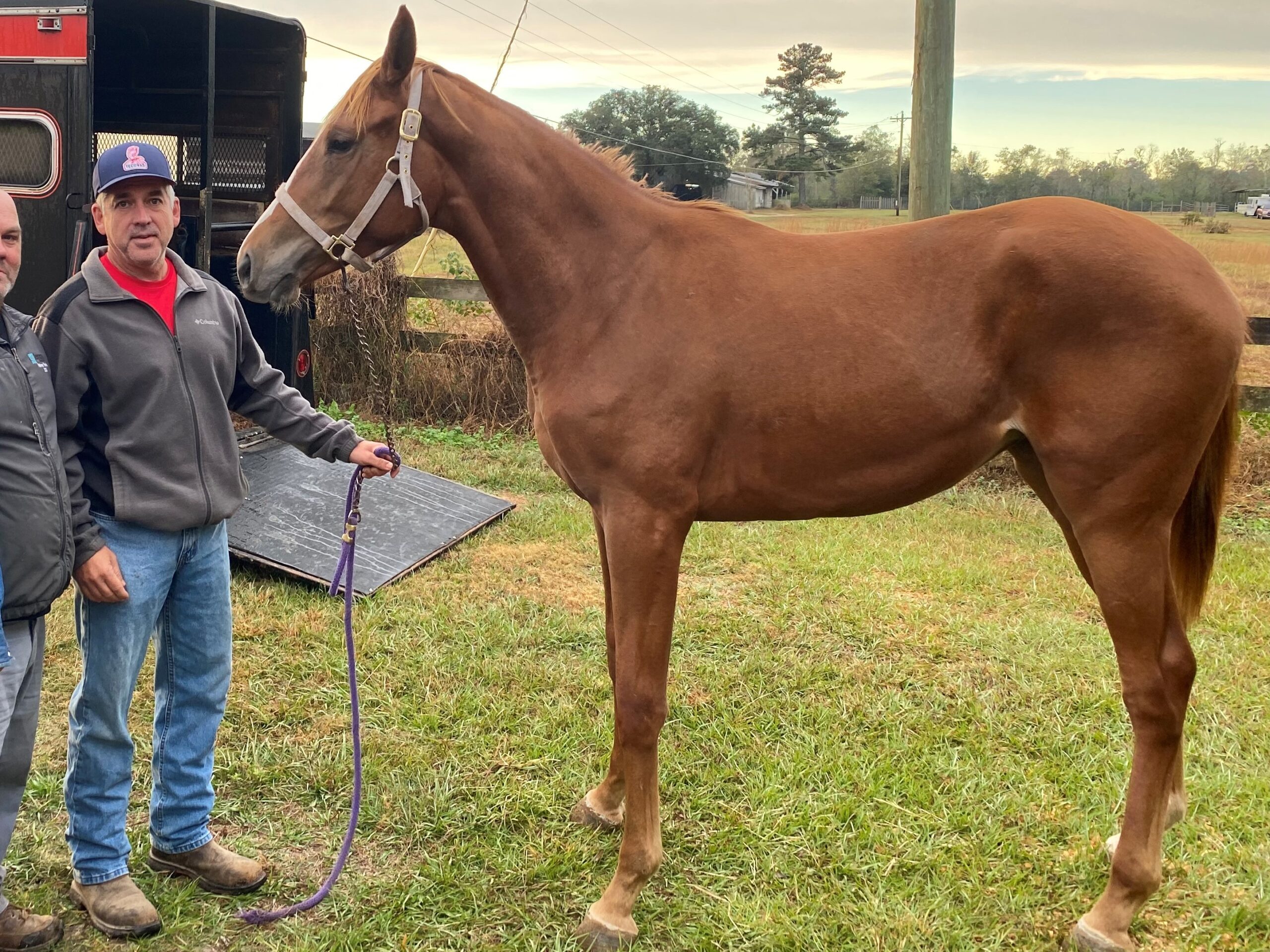
About Miles Henry
Racehorse Owner & Author | 30+ Years in Thoroughbred Racing
Miles Henry (legal name: William Bradley) is a professional horseman based in Folsom, Louisiana. He holds Louisiana Racing License #67012 and has spent over three decades managing Thoroughbreds at premier tracks including Fair Grounds, Delta Downs, and Evangeline Downs.
Expertise & Hands-On Experience: Beyond the track, Miles has decades of experience in specialized equine care, covering everything from hoof health and nutrition to training protocols for Quarter Horses, Friesians, and Paints. Every guide on Horse Racing Sense is rooted in this “boots-on-the-ground” perspective.
30 of their last 90 starts
Equibase Profile.

Connect with Miles: