

Last updated: November 7, 2026
Maybe you watched a polo match and wondered who first thought of chasing a ball with a stick from the back of a galloping horse. Or perhaps someone told you polo is an English game, and you weren’t so sure. The story behind it isn’t as straightforward as you might think.
Here’s where the game came from, a timeline of how it spread, and how it ended up in England, America, and Argentina.
Table of Contents

Where Did Polo Originate?
No one can point to a single birthplace. Early forms are traced to the mounted nomads of Central Asia, and Britannica puts some of the earliest recorded games in Persia sometime between the 6th century BC and the 1st century AD. The Museum of Polo and Hall of Fame notes that it doubled as military training, a way to teach a rider to stay on a running horse, turn hard, and swing a stick at full speed.
In time, polo became a national sport in Persia, played widely by the nobility. Women played, too. Britannica describes the queen and her ladies playing against King Khosrow II and his courtiers.
The game is still played in Iran, where it’s called chogan. UNESCO added Iran’s chogan to its list of the world’s intangible cultural heritage in 2017 and says the game has a history of more than 2,000 years there. Azerbaijan’s version, chovqan, played on Karabakh horses, was added in 2013.
When Was Polo Invented? A Timeline
There’s no confirmed invention date or single inventor of polo. Some of the earliest recorded games were played in ancient Persia, and the modern version developed much later, after British players took up the game in India. These are the dates that show how it spread.
| Date | What Happened |
|---|---|
| About 600 BC to AD 100 | Some of the earliest recorded polo is played in Persia, mainly as cavalry training |
| 6th century AD | Women and men play polo at the Persian royal court |
| 821 | Chinese ambassadors play a team from the Japanese emperor’s court |
| 13th century | Polo is popular among Muslim rulers in India |
| 1859 | British tea planters and officers form the Silchar Polo Club in Assam, India |
| Early 1860s | The Calcutta Polo Club is formed |
| 1869 | First match in England, between the 10th Hussars and 9th Lancers |
| 1872 | Polo reaches Argentina |
| 1876 | James Gordon Bennett brings polo to the United States |
| 1890 | The Polo Association, now the U.S. Polo Association, is founded |
| 1900 to 1936 | Polo is played at five Olympic Games |
Dates come from Britannica, the Museum of Polo, and Olympedia.
How Polo Spread Across Asia
From Persia, the game spread across Asia, to Arabia, Tibet, China, and Japan. By at least 821, Chinese ambassadors were playing a team from the Japanese emperor’s court. It could be dangerous in more ways than one. In 910, after a favorite relative of the emperor A-pao-chi was killed in a match, the emperor had the surviving players executed, according to Britannica.
Polo was played among Muslim rulers in parts of India by the 13th century. Manipur, in the northeast, had its own distinct and older tradition. There, the local game was sagol kangjei, played on Manipuri ponies and used to test the king’s cavalry skills. Modern polo traces its roots to that game, and Manipur’s Mapal Kangjeibung in Imphal is called the world’s oldest living polo ground, according to Manipur Tourism.
The word polo comes from the Balti word for ball, according to Britannica. Balti is spoken in Baltistan, in the mountains of northern Pakistan.
How the British Shaped Modern Polo
The British were the first Europeans to take up the game. In 1859, British tea planters and military officers in Assam formed the Silchar Polo Club, the first polo club founded by Europeans, after Lieutenant Joe Sherer saw the game played and declared, “We must learn the game!” according to the Museum of Polo. The Calcutta Polo Club followed in the early 1860s.
British officers carried the game home. In 1869, the 10th Hussars played the 9th Lancers in the first match in England, eight players a side with almost no rules, according to Britannica. It wasn’t yet the four-player game you’d recognize today. By 1875, matches at Richmond Park and Hurlingham drew more than 10,000 people, according to Britannica. That same year, the first official polo rules were published, according to the Hurlingham Polo Association, and Hurlingham’s rules went on to shape the modern game.
How Polo Came to the United States and Argentina
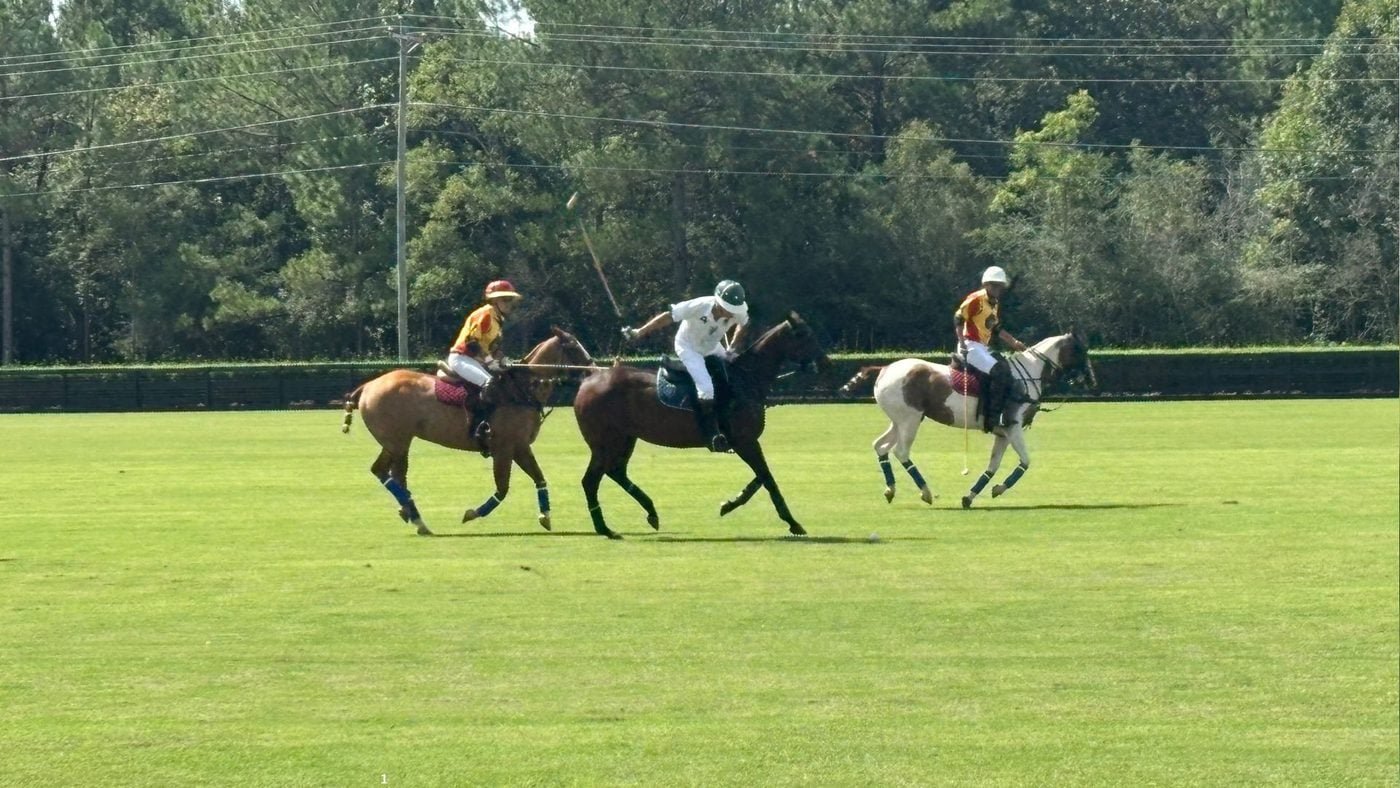
James Gordon Bennett, publisher of the New York Herald, saw polo in England and came home in early 1876 with mallets, balls, and a copy of the Hurlingham rules. The first American match was played indoors at a New York riding academy, and by spring it had moved outdoors to Westchester County. That summer, the game reached Newport, Rhode Island, according to the Museum of Polo. By 1890, seven clubs had formed the Polo Association, now the U.S. Polo Association, to standardize the rules.
Polo reached Argentina in 1872, and it found a home there. Argentina has dominated the Cup of the Americas against the United States for most of its history, according to the Museum of Polo. Polo was played at five Olympic Games, from 1900 to 1936, and Argentina won gold at the last two, in 1924 and 1936, according to Olympedia.
Today, the countries that play polo stretch from Argentina and England to the United States, India, and Pakistan.
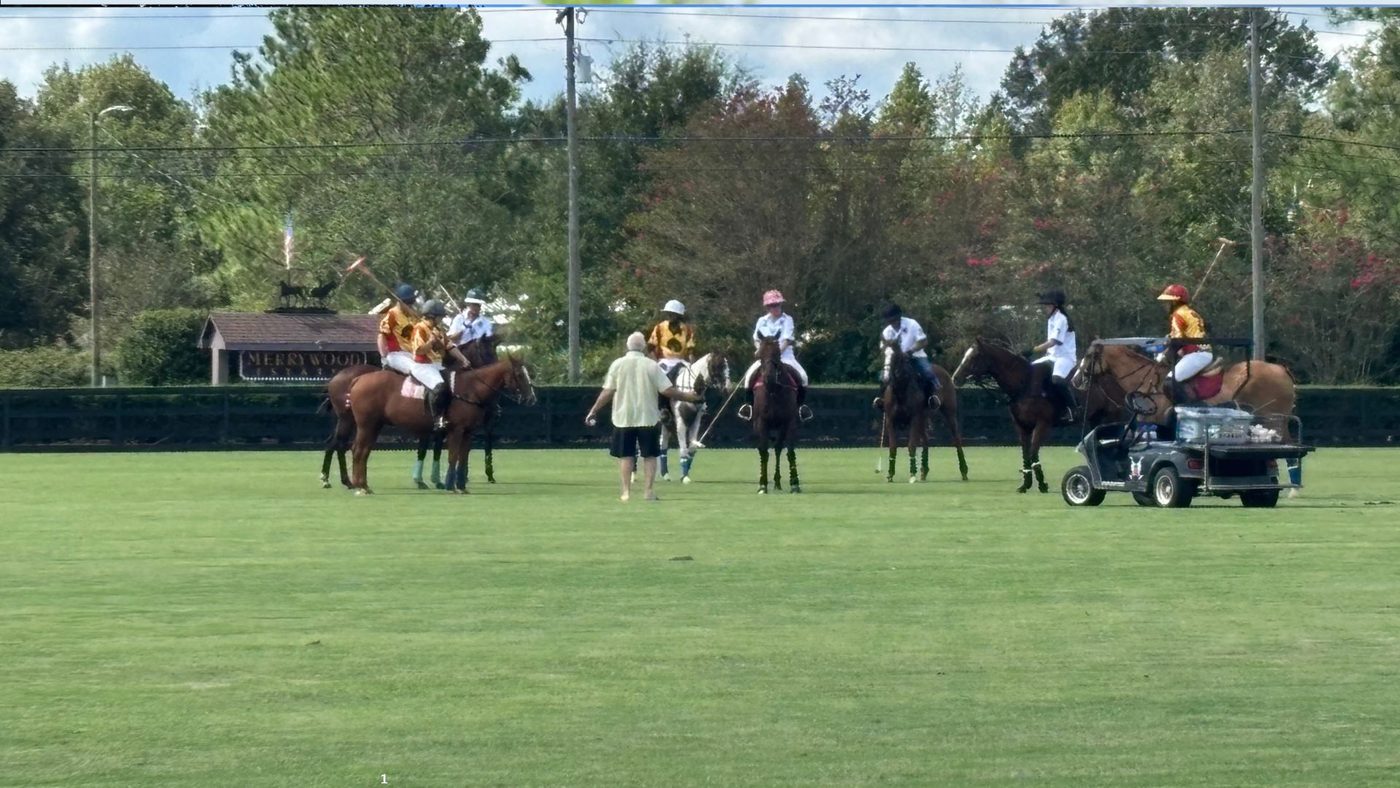
Watch how the players control their horses at speed while they line up a swing.

About Miles Henry
Racehorse Owner & Author | 30+ Years in Thoroughbred Racing
Miles Henry (legal name: William Bradley) is a professional horseman based in Folsom, Louisiana. He holds Louisiana Racing License #67012 and has spent over three decades managing Thoroughbreds at premier tracks including Fair Grounds, Delta Downs, and Evangeline Downs.
Expertise & Hands-On Experience: Beyond the track, Miles has decades of experience in specialized equine care, covering everything from hoof health and nutrition to training protocols for Quarter Horses, Friesians, and Paints. Every guide on Horse Racing Sense is rooted in this “boots-on-the-ground” perspective.
30 of their last 90 starts
Equibase Profile.

Connect with Miles: