Last updated: August 31, 2026
Why are ponies mean? Ask around any barn, and you’ll hear the same jokes about stubborn, pushy, occasionally nippy ponies – usually delivered with real affection, but there’s genuine truth behind it too. If you’ve been nipped or crowded by a pony that seemed to know exactly what it was doing, you’re not imagining things.
Ponies are not inherently meaner than horses, but many are quick learners, food-motivated, and very good at noticing inconsistent rules. Because ponies are often handled by children and beginners, pushy behavior such as crowding, nipping, or testing boundaries can become a habit. Still, do not assume every bite or pinned ear is bad attitude—fear, pain, discomfort, and past handling can produce similar behavior.
In this article, I’ll explain why ponies develop this reputation, what “mean” behavior actually looks like and what usually triggers it, how to rule out pain or discomfort before assuming it’s a training issue, and how to build the kind of consistent, safe handling that actually improves it.
Why Are Ponies “Mean”?
A few real factors combine to give ponies their reputation, and none of them mean a pony is simply born difficult:
- Many are quick learners and highly perceptive. Ponies become very good at noticing routines, gaps in handling, and opportunities around food or turnout – if a rule gets enforced one day and let slide the next, a pony often picks up on that faster than most horses do, and will test the boundary again.
- Many traditional pony breeds developed in demanding environments. Limited forage, rough terrain, and harsh weather favored hardy, alert, economical animals. That history may help explain why some ponies are remarkably self-sufficient and aware of their surroundings, but it doesn’t mean any individual pony is destined to be difficult – and pony breeds themselves have very different histories (Shetland, Welsh, Connemara, and others were shaped by different environments and different jobs).
- They’re disproportionately handled by inexperienced owners. Because of their size, ponies are the default choice for children and first-time owners – exactly the handlers least likely to set and consistently enforce clear boundaries. A quick-learning pony that gets mixed messages from different handlers is a genuine recipe for pushy behavior, independent of the pony’s underlying temperament.
- They can be food-motivated and opportunistic. A pony that’s learned nipping or crowding sometimes gets a treat, a reaction, or gets left alone will keep trying it – not out of malice, but because it worked before.
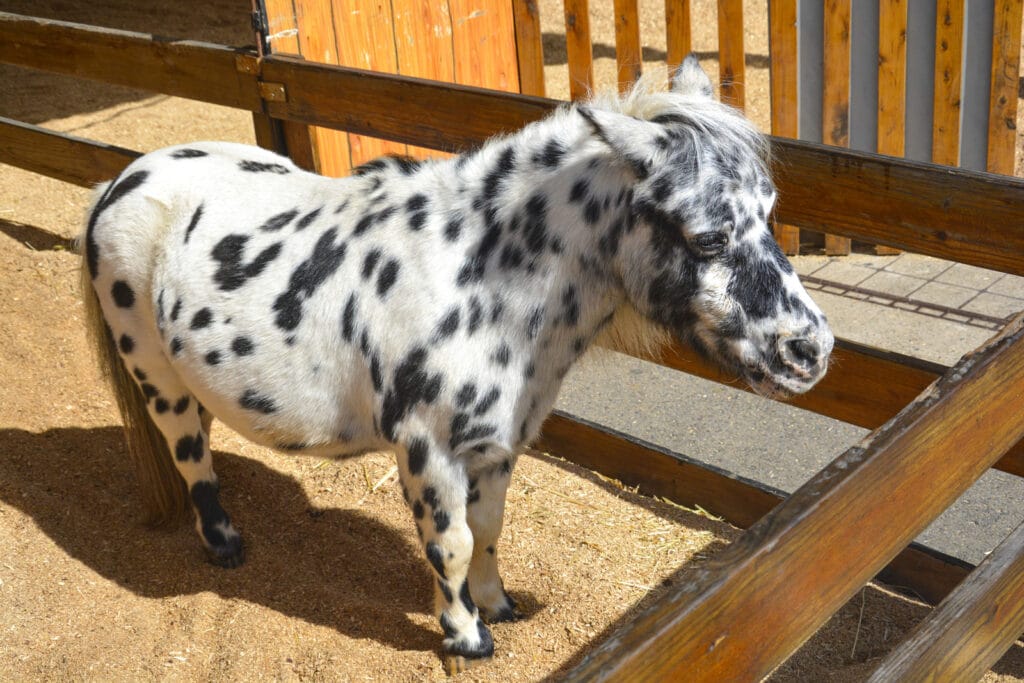
None of this means ponies are naturally worse-tempered than horses – individual temperament varies enormously, breed to breed and pony to pony. But the combination above explains why the reputation exists and persists, and points toward what actually helps: consistent, informed handling from an experienced person, not assuming the pony is simply born difficult.
What “Mean” Behavior Usually Looks Like
“Mean” is really a catch-all word, not a diagnosis. One owner might mean a pony that crowds at the gate; another might mean ear-pinning at feeding time, nipping during grooming, refusing to be caught, or kicking when a child walks behind it. The specific behavior matters, because what fixes crowding isn’t necessarily what fixes biting during tacking up – and the trigger tells you a lot about the real cause.
- Nipping during treats or grooming: often connected to food expectations, overfamiliar handling, or a learned response – but can also signal discomfort worth checking.
- Crowding or barging: usually a personal-space and leading-manners issue.
- Pinned ears at feed time: a warning about food or space – address the underlying cause, not just the warning sign.
- Biting during tacking or girthing: check for pain, saddle fit, girth sensitivity, dental issues, or ulcers before assuming it’s simple defiance.
- Charging, striking, repeated kicking threats, or biting that breaks skin: treat this as a safety concern and get experienced help rather than working through it alone.
Biting specifically tends to fall into a few categories worth telling apart: food-related nipping (reaching for treats or pockets), learned behavior (biting has gotten a reaction or made someone back off before), fear or defensiveness (a startled or cornered pony), and pain (a sore mouth, girth area, or back making the pony reactive to touch). The right response is different for each – more consistent treat manners for the first, calm and consistent boundaries for the second, more space and patience for the third, and a veterinary check for the fourth.
Does Breed or Age Affect a Pony’s Temperament?
Breed can influence size, energy level, sensitivity, and the kind of work a pony was originally developed to do, but it doesn’t guarantee a child-safe temperament. A well-bred, well-handled Shetland or Welsh Pony can be a wonderful children’s mount – but a spoiled or undertrained one of either breed is often exactly what people mean when they say “mean pony.”
When choosing a pony for a beginner, I’d put far more weight on the individual’s handling history, ground manners, experience with children, and soundness than on the breed name alone. If you’re drawn to a specific breed, learn its typical size and history, then evaluate the actual individual pony in person with an experienced horseman or instructor.
Age matters, but maybe not the way people assume – a young pony can be close to its adult height well before it has the judgment, training, or consistency you’d want in a beginner’s mount. For a first pony, an older animal with a known history of standing for grooming, leading politely, loading, being caught, and carrying children safely is usually a far better bet than a young, green pony, regardless of breed.
Can Training Fix Pushy or Nippy Behavior?
Training helps many cases, but rule out pain, discomfort, and management triggers first. Pushy or nippy behavior is often learned and can improve substantially with calm, consistent handling—but don’t assume every bite is a manners issue. A sudden change in behavior, repeated aggression during grooming or tacking up, sensitivity to touch, or a pony that seems unusually defensive deserves a pain, tack-fit, dental, and veterinary check before you treat it purely as a training problem. A reader who assumes every bite is a boundary issue risks escalating pressure on a pony that’s actually hurting or scared.
When to pause and get help: If the behavior is sudden, escalating, directed at children, or associated specifically with grooming, tacking, feeding, or being touched in one particular area – or if anyone has already been injured – pause the training plan and involve a veterinarian, qualified instructor, or experienced behavior professional rather than working through it alone.
If you’ve just gotten a pony – especially one without much prior training – the first real work is simply spending quality time together and establishing clear, consistent boundaries from day one. Working in a round pen with a pressure-and-release approach is a reliable way to do this: the pony learns that calm, respectful behavior gets rewarded with the release of pressure, which builds both manners and trust at the same time.

Establishing Trust
Trust comes first, before any real training progress. Build it through short, predictable sessions and clear personal-space rules. If you use food rewards, give them from a bucket or only once the pony already has decent treat manners – hand-feeding a pony that’s already nipping tends to make the problem worse, not better.
Once the pony is relaxed, many enjoy a quiet scratch at the withers or neck, or another spot they clearly accept. If a pony threatens to bite, stay out of range and don’t turn it into a game or a standoff – step back calmly rather than backing off in a way that rewards the nip, and get experienced help if the behavior repeats.
An unfamiliar person can make a worried or poorly socialized pony more defensive, especially if the pony has had rough handling in the past. Introduce new handlers quietly, give the pony room to move away when safe, and avoid putting children in charge of an unfamiliar pony until an experienced adult has assessed its manners.
Teach Clear Ground Manners
Once trust is established, the goal isn’t to “win” an argument with the pony – it’s to teach predictable ground manners: stay out of the handler’s space, lead without dragging or crowding, halt when asked, stand quietly, yield to pressure, and keep teeth and feet to itself. Walking beside the pony while training these basics, rather than always leading from directly in front, helps reinforce a working partnership instead of a pull-and-resist dynamic.

Physical cues help too – consistently pairing a specific touch or aid with the response you want (light pressure at the poll to ask for a lowered head, for example) builds a shared vocabulary between you and the pony over time. Patience matters more than speed here: expect to repeat the same request many times before it becomes automatic, and stay consistent rather than raising pressure out of frustration.
Are Ponies Dangerous?
Most horse owners had a pony themselves as a child, or got one for their own kids, and don’t think twice about being around them. If you’re newer to equines and wondering whether a pony is safe to have around children, the honest answer is: generally yes, with reasonable precautions.
Ponies may bite, crowd, pin their ears, threaten to kick, or resist being caught when they feel worried, uncomfortable, protective of food or space, confused by what’s being asked, or when the behavior has simply worked for them before – and, like horses, they will bite if pushed to it.
Ponies are smaller than many horses, but they’re still powerful animals: a bite can break skin, and a kick, strike, knockdown, or bolting pony can seriously injure a child or adult. Treat repeated biting, pinned ears, charging, or kicking threats as a safety issue, not a funny pony habit – and keep small children away from an untrained or newly acquired pony until you understand its temperament and have established reliable ground manners.
A Horseman’s Take: Most of the “mean” ponies I’ve dealt with over the years came down to the same pattern: nobody set consistent boundaries with them early on, often because a child was doing the handling without close adult supervision. A pony that’s smart enough to test you is also smart enough to learn quickly once the rules are actually consistent. That said, I’ve also seen ponies written off as “mean” when the real problem was a sore back or an ill-fitting saddle – so I always rule that out first before assuming it’s just a training gap.
Below is a video showing pushy or boundary-testing pony behavior.

FAQs
Why are ponies so mean?
Ponies are not inherently meaner than horses. Many are quick learners and can become pushy when rules around personal space, food, leading, or handling are inconsistent. But biting or aggression can also be linked to fear, pain, discomfort, guarding food or space, or a poor handling history—so look at the specific situation rather than assuming the pony is simply being difficult.
Are ponies more aggressive than horses?
Not necessarily. Temperament varies far more from individual to individual than from the label ‘pony’ or ‘horse.’ Ponies are often handled by children and beginners, and inconsistent boundaries can make any smart equine seem pushy. A pony that repeatedly bites, threatens to kick, charges, or suddenly changes behavior should be assessed for safety and possible discomfort.
Is it safe for children to be around ponies?
A well-trained, appropriately matched pony can be an excellent partner for children, but every child should be supervised around any equine. Do not assume small means harmless—ponies can bite, kick, knock a child down, or pull away when frightened. Choose a pony with proven child experience and solid ground manners, and keep inexperienced children out of the handling equation until an adult has assessed the pony.
How do you stop a pony from biting or being pushy?
Start by identifying the trigger—such as treats, grooming, feeding, tacking up, crowding on the lead, or a sudden change in behavior. Rule out pain and discomfort, then use calm, consistent handling to teach personal space, polite leading, and standing quietly. Avoid hand-feeding a nippy pony, and bring in an experienced trainer or instructor if the behavior continues or anyone is at risk.
Why does my pony pin its ears at me?
Pinned ears are a warning, not an explanation by themselves. A pony may pin its ears because it wants more space, is guarding feed, expects an unpleasant task, feels uncomfortable, or has learned that the gesture makes people move away. Notice what happens immediately before the ear-pinning and whether it is new or becoming more intense—that context tells you far more than the ears alone.
About Miles Henry
Racehorse Owner & Author | 30+ Years in Thoroughbred Racing
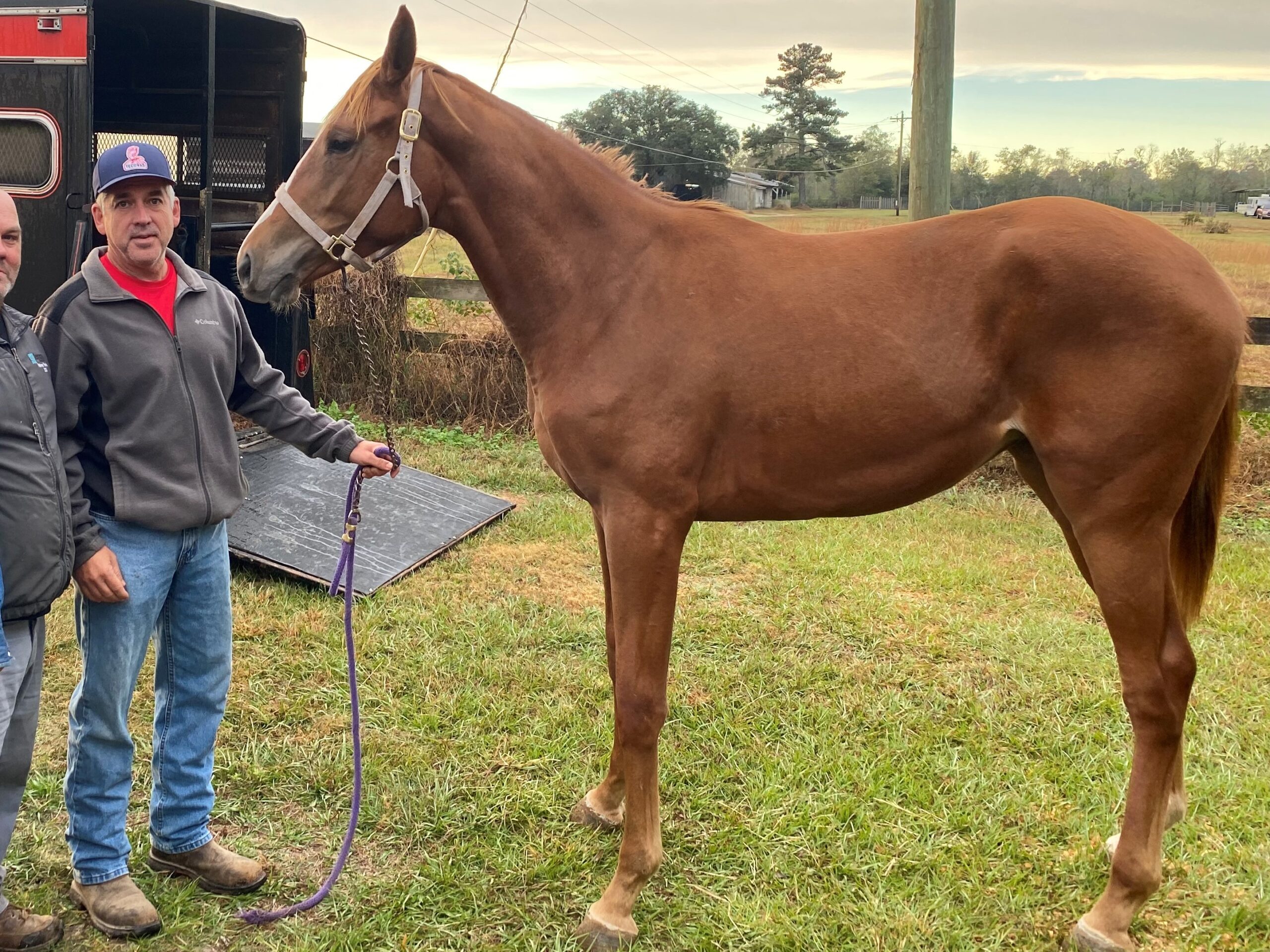
Miles Henry (legal name: William Bradley) is a professional horseman based in Folsom, Louisiana. He holds Louisiana Racing License #67012 and has spent over three decades managing Thoroughbreds at premier tracks including Fair Grounds, Delta Downs, and Evangeline Downs.
Expertise & Hands-On Experience: Beyond the track, Miles has decades of experience in specialized equine care, covering everything from hoof health and nutrition to training protocols for Quarter Horses, Friesians, and Paints. Every guide on Horse Racing Sense is rooted in this “boots-on-the-ground” perspective.
30 of their last 90 starts
Equibase Profile.

Connect with Miles: