Last updated: October 3, 2026
If you’re standing beside a trailer load of hay wondering whether to buy it, you’re trying to avoid two expensive problems: hay your horses won’t eat and hay that isn’t right for them. I’ve bought hay from feed stores, straight out of the field, and from a neighbor who cut 20 acres of my land for half the crop. The rule that’s saved me the most trouble is simple: open the bales before you buy.
I’ll walk you through how to inspect a hay load, match grass hay or alfalfa to the horse in front of you, decide when a hay test is worth the money, store hay without ruining it, and change to a new hay without upsetting your horse’s gut.
Table of Contents

Choosing Hay for Horses: What to Check First
Never judge a load by the outside of the stack. Open a few bales from different spots, top, middle, and bottom, and look at the hay inside. A little fading on the outside of stacked hay is normal. What you care about is what’s in the middle of the bale. A quick look, feel, and smell will catch plenty of bad hay before it ever makes it into your barn.
| Check | What you want | Pass on it if |
|---|---|---|
| Smell | Clean, fresh, and hay-like | It smells musty, moldy, sour, fermented, or otherwise off. |
| Look | Clean hay at the right maturity for the horse you’re feeding | It’s discolored throughout, visibly moldy, excessively coarse, or full of weeds. |
| Feel | Dry and reasonably soft, without sharp, woody stems | It’s damp, brittle, or so stemmy your horse will leave most of it behind. |
| Dust | Little to none when you pull a flake apart | A visible cloud of dust rises when you pull the flake apart. |
| Temperature | Cool and dry all the way into the bale | The bale feels warm or damp inside. |
| Contents | Nothing but hay | You find dirt, trash, dead animals, toxic plants, or, in alfalfa, blister beetles. |
Smell is one of the first checks I make. If a bale smells musty or throws dust when I shake out a flake, it isn’t going in my feeders. Your nose won’t tell you everything about a load, but it’ll catch plenty of hay that shouldn’t be fed, and dusty or moldy hay can cause breathing problems and other health issues.
Before you pay for a big load, ask when and where it was cut, whether it got rained on before baling, and how it’s been stored. Then check that the bales are consistent. One good bale from the top of the trailer doesn’t mean every bale underneath is the same, and if you’re committing to months of hay, that’s when a test pays for itself.
Grass Hay vs. Alfalfa: Which Type Fits Your Horse?
Bermuda, timothy, orchardgrass, and teff are grass hays, and alfalfa and clover are legumes. Legume hay is usually higher in protein, calcium, and calories, but the actual numbers swing a lot with plant maturity, weather, and how the hay was made, so you can’t judge nutrition by the name alone. As a general example, University of Georgia Extension puts good grass hay at about 10 to 16 percent crude protein and legume hay at about 18 to 22 percent, with most horses eating 1.5 to 2 percent of their body weight in forage a day.
| Horse | Hay that usually fits |
|---|---|
| Easy keeper or overweight horse | Mature grass hay, fed by weight, often in a slow feeder |
| Most adult horses in light or moderate work | Good-quality grass hay |
| Hard keeper or horse in heavy work | Leafy grass hay with some alfalfa added |
| Growing horse or nursing mare | Grass hay with alfalfa, or a legume mix |
| Senior with dental problems | Soft, leafy hay, or soaked cubes or pellets if chewing is hard |
| Insulin-resistant or laminitis-prone horse | Tested low-sugar hay chosen with your vet or nutritionist |
Local hay is usually fresher and cheaper than hay hauled in from far away, and in south Louisiana that mostly means Bermuda. I’ve had good results with Alicia Bermuda when it’s cut young and handled well. The loads I’ve bought have been finer-stemmed and leafier than other Bermuda I’ve fed, so my horses have wasted less of it. If you’re deciding whether alfalfa belongs in your horse’s ration, I’ve covered the pros and cons of alfalfa hay, and older horses with worn teeth have their own needs, covered in the best hay for senior horses.

Does the Cutting Matter?
Less than most people think. In many areas, first cutting is coarser and later cuttings can be leafier, but that isn’t a rule you can count on. Weather, plant maturity, and how the hay was cured matter more than the cutting number. Grass hay is usually most digestible before it gets overmature and throws heavy seed heads, while legume hay is commonly cut around early bloom. Judge the hay in front of you, not the number on the invoice.
Choosing Hay for Easy Keepers and Insulin-Resistant Horses
This is where looking at hay isn’t enough. Sugar and starch don’t show up in the color, smell, or softness of a bale, and a soft, leafy load that looks perfect can still be too rich for a metabolic horse. For a horse with insulin dysregulation, equine metabolic syndrome, or a history of laminitis, have the hay tested and go over the results with your vet or an equine nutritionist.
Ask which numbers to use, since labs report sugar and starch a few different ways. Hay and Forage Grower notes that hay below about 12 percent NSC is commonly considered suitable for metabolic horses, but some horses need a stricter limit, and the rest of the diet and pasture access matter too. Don’t pick by label, either. Alfalfa can be lower in sugar than some grass hays, but it’s more calorie-dense, so the analysis and the horse should decide, not whether it says grass or alfalfa.
If the only hay you can get tests too high, soaking can pull out some of the water-soluble sugar. Results vary, though, and soaking also leaches some nutrients, so it won’t turn untested hay into a guaranteed safe feed. If you soak, throw out the water and feed the hay right away. Hay choice is a big part of managing equine metabolic syndrome and preventing laminitis in horses, and a slow-feed hay net helps easy keepers stretch their hay out over the day.

When Is Hay Testing Worth It?
You can learn a lot by opening a bale, but you can’t see its sugar, protein, or mineral content. That’s where a hay analysis earns its keep. It’s most worth it when you’re buying a large load to last for months, switching suppliers, feeding an insulin-resistant horse, or trying to figure out why a horse won’t hold weight. If you’re feeding healthy horses hay from a grower you’ve used for years, you may decide inspection is enough, but testing is the only way to know what’s actually in it.
To sample, use a hay probe to pull cores from at least 10 to 15 bales from the same lot or cutting, mix them in a clean bag, and send them to a forage lab. Don’t mix bales from different fields or cutting dates into one sample, or the report won’t describe any single load. Your county extension office can usually point you to a lab, and when the report comes back, University of Minnesota Extension’s guide to reading a hay analysis explains what the numbers mean.
How to Store Hay So It Stays Good
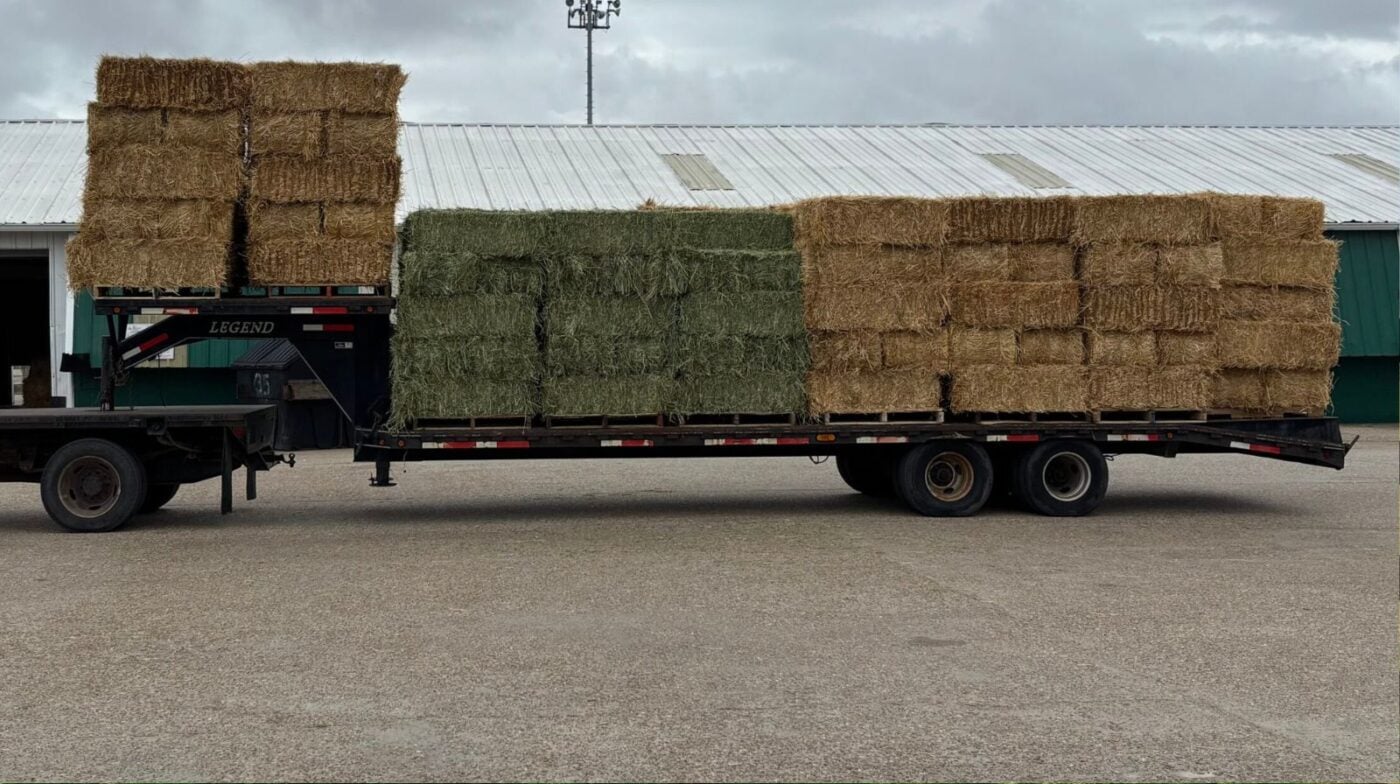
A good load can go downhill fast if you stack it on damp ground or shut it into a hot, airless corner of the barn. Keep hay under a roof, off the ground on pallets, and where air can move around the stack. If you have to cover hay outdoors, pitch the cover so rain runs off instead of pooling on top. The AAEP recommends feeding hay within about a year of harvest to get the most out of it.
Watch newly baled hay for heat, especially after a wet cutting. Hay baled too wet heats as it cures and, in bad cases, can catch fire on its own. If a stack feels hot or smells sharp, musty, or burnt, check it with a hay temperature probe. According to Penn State’s farm safety guidance, a stack around 150 degrees is in the danger zone and needs close watching. If the temperature keeps climbing, call your local fire department before you disturb the stack, because pulling apart overheated hay lets in fresh air and can start a fire. For planning how much space you’ll need, here’s how much a bale of hay weighs and what a bale of hay costs.
Changing to New Hay Safely
Even good hay can upset a horse if you change it overnight. When you can, mix the new hay in with the old and increase it gradually over several days to a week, watching manure, appetite, water intake, and attitude. Call your vet right away for signs of colic like pawing, repeated rolling, looking at the flank, or reduced manure. A horse that turns sore-footed or doesn’t want to move after a hay change needs a call too, since that can be an early sign of laminitis. How much you feed and how you feed it matter as much as the hay itself, and those are covered in my best practices for feeding horses hay.
Common Questions About Choosing Hay
How much hay does a horse need a day?
A common starting point is about 1.5 to 2 percent of the horse’s body weight in forage per day, or roughly 15 to 20 pounds for a 1,000-pound horse. The right amount depends on the horse, its work level, body condition, and how much pasture it gets.
What’s the best hay for horses?
There isn’t one best hay for every horse. Clean grass hay works well for many adult horses, while growing horses, nursing mares, and some hard keepers may do better with alfalfa or a grass-alfalfa mix. Horses with insulin problems or a laminitis history need tested hay and a plan from their vet or nutritionist.
Can horses eat hay that got rained on?
Sometimes, but inspect it closely. Rain on curing hay can lower its nutrient value, and it raises the odds of mold if the hay was baled or stored damp. If it smells musty, feels warm or damp, throws dust, or shows mold, don’t feed it. A test can tell you about nutrients, but it won’t make moldy hay safe.
How long does hay stay good?
Stored dry, off the ground, and under cover, hay keeps for months. The AAEP recommends feeding it within about a year of harvest for the best nutritional value.
The best hay buy is rarely the prettiest bale or the cheapest one on the trailer. It’s the load you inspected, that fits the horses you’ve got, and that you can keep dry until it’s fed. If a horse has special nutritional needs, spend the money on the analysis before you spend it on the hay. That habit will save you more money than a cheap load you end up throwing away.
About Miles Henry
Racehorse Owner & Author | 30+ Years in Thoroughbred Racing
Miles Henry (legal name: William Bradley) is a professional horseman based in Folsom, Louisiana. He holds Louisiana Racing License #67012 and has spent over three decades managing Thoroughbreds at premier tracks including Fair Grounds, Delta Downs, and Evangeline Downs.
Expertise & Hands-On Experience: Beyond the track, Miles has decades of experience in specialized equine care, covering everything from hoof health and nutrition to training protocols for Quarter Horses, Friesians, and Paints. Every guide on Horse Racing Sense is rooted in this “boots-on-the-ground” perspective.
30 of their last 90 starts
Equibase Profile.

Connect with Miles: