
Last updated: August 25, 2026
Any links on this page that lead to products on Amazon are affiliate links and I earn a commission if you make a purchase. Thanks in advance – I really appreciate it!
Quick Answer: If you want American made cowboy boots, the safest starting points are Anderson Bean, Abilene, and Rios of Mercedes – all with a track record of domestic manufacturing. Lucchese and Tony Lama still make plenty of boots in Texas too, but they also sell imported models under the same name, so check the specific collection or style before you buy.
I’ve worn cowboy boots daily for thirty years, and here’s where most buyers get tripped up: an American boot brand isn’t the same thing as an American-made boot. A company can be proudly Texan in history and marketing while also selling boots made outside the United States. If you’re spending real hours in these boots – pasture checks, loading horses, standing around the barn all day – fit, heel stability, and how the boot handles dirt and weather matter as much as where it was made. Below, I’ll break down which brands you can trust at a glance, which ones require checking style-by-style, and what I would look for before spending my money
American-Made Cowboy Boot Brands Compared
| Brand | Best for | Origin |
|---|---|---|
| Anderson Bean | Everyday Western wear, work-capable | U.S.-made bootmaker (Texas) |
| Abilene | U.S. production without luxury pricing | U.S.-made bootmaker |
| Rios of Mercedes | Long-term ownership, traditional craft | U.S.-made bootmaker (Mercedes, Texas) |
| Lucchese | Premium leather, dress wear | U.S.-made and imported models both exist—verify the exact style |
| Tony Lama | Heritage styling, El Paso Collection | Varies by collection—verify the exact style |
U.S.-Made BootmakerAnderson Bean

Anderson Bean is a Texas bootmaker with a long track record of U.S. manufacturing, blending traditional handcrafting with more modern styling. For a horse owner who wants a well-built Western boot for regular wear—not a boot that only comes out for dress occasions—it is one of the first brands I would investigate. See current Anderson Bean listings and confirm the exact style’s country of origin before ordering.
U.S.-Made BootmakerAbilene

Abilene’s been making boots in the U.S. for more than 30 years, built around what the brand calls “Affordable Quality” – genuine leather construction without the price tag of a handmade luxury boot. If you want U.S. production without moving into the premium price tier, this is where I’d point you.
See current Abilene listings and confirm the style before ordering.
U.S.-Made BootmakerRios of Mercedes
Rios of Mercedes, based in Mercedes, Texas, is one of the longer-running domestic bootmakers still operating – a heritage brand built on craftsmanship rather than volume. If you’re treating boots as a long-term purchase and want traditional construction behind them, this is the one I’d look at first. See current Rios of Mercedes listings and confirm the style before ordering.
Verify the StyleLucchese

Lucchese is best known for its handcrafted boots made at its El Paso, Texas factory, and the brand’s been vocal about keeping that work onshore while other heritage names went overseas. But the brand also sells imported models: its Frontier Tech line is made in China, and some fashion-forward styles come from Mexico and Brazil. If you’re paying specifically for a U.S.-made Lucchese, don’t assume from the collection name alone – confirm the exact style number on the product page or with Lucchese customer service before you order. See current Lucchese listings here.
Verify the CollectionTony Lama

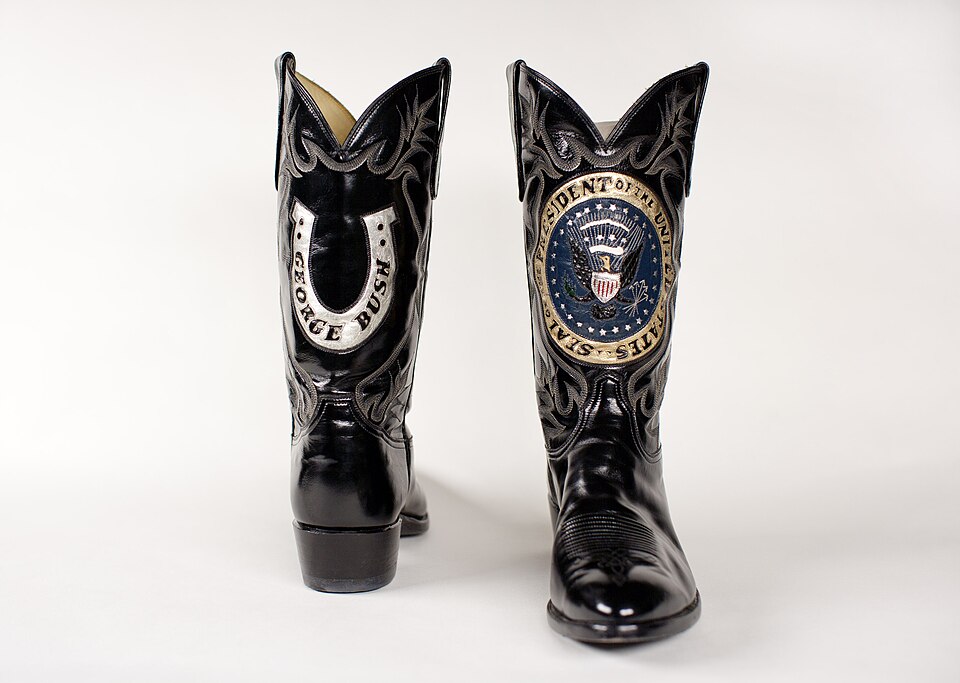
Tony Lama has deep roots in El Paso bootmaking – the brand made boots for a sitting president, and its factory was once the largest Western boot manufacturer in the world. Today, country of origin varies by collection. Tony Lama’s own El Paso Collection is marketed as “made in the USA with global parts.” Other lines in the catalog are made in Mexico. The practical rule: shop the collection page, then confirm the country-of-origin label for the exact boot before you buy – don’t assume the whole Tony Lama catalog is one or the other. See current Tony Lama listings here.
How to Tell If a Boot Is Actually Made in the USA
A Boot Owner’s Honest Take: After thirty years buying boots, the lesson I keep relearning is that brand reputation and country of manufacture are two different questions. A company can be proudly American in history, headquarters, and marketing while making most of what it currently sells overseas. Chisos is a good example – the brand is Texas through and through in its story and design, but the boots themselves are made in Leon, Mexico, as I found out firsthand reviewing my own Chisos No. 2 pair. Ariat’s the same story: China and Mexico for most of the line, with only its Two24 line made domestically, which I dug into when I looked at where Ariat actually makes its boots. None of that is a knock on the boots – some of the best construction in the world comes out of Mexico’s bootmaking regions, and I’ve written up which cowboy boot brands are made there if that’s what you’re actually after. But if buying American labor specifically is your goal, check the specific model, not just the brand name.
In this guide, “U.S.-made” means the manufacturer identifies that specific boot as made in the United States. It doesn’t necessarily mean every piece of leather, every outsole, and every component was sourced domestically too.
- Check the label, product page, or manufacturer directly. Imported boots generally have to identify their foreign country of origin, but a U.S.-made boot doesn’t always carry a “Made in USA” label by law. When a listing is vague, look for the country-of-origin stamp inside the boot or ask the manufacturer using the exact style number.
- Look for a named domestic collection. Brands with mixed manufacturing (Lucchese, Tony Lama, Ariat, Justin) usually name their USA-made lines specifically – “El Paso Collection,” “Signature Series,” “Two24” – rather than labeling the whole catalog as domestic.
- Don’t assume from price alone. A higher price doesn’t guarantee domestic production – some imported lines are priced right alongside the domestic ones.
How I’d Choose Between These Boots
If I were buying strictly because I wanted a U.S.-made boot, I’d settle the origin question first, then buy on fit – a beautiful boot with a famous name isn’t a good purchase if the instep’s loose or the toe shape doesn’t suit how you’ll use it. For barn work and riding, I’d favor a stable walking heel and a toe shape that gives your foot room. For dress wear, leather quality and finish matter more than an aggressive sole.
If I needed just one pair and wanted the surest bet on U.S. origin without stepping into four-figure pricing, I’d start with Anderson Bean or Abilene and go from there based on which look I wanted. Either way, I’d rather own one boot that fits right and can be resoled than two pairs picked on brand name alone.
For riding, a traditional leather sole usually slides in and out of the stirrup cleanly, while rubber or hybrid soles make more sense if you spend much of the day walking wet concrete, mud, gravel, or slick barn aisles. Construction, fit, and what actually separates a true cowboy boot from a Western-style fashion boot is its own topic – I cover that in my complete guide to real cowboy boots.
Why American-Made Boots Cost More
US labor costs more than manufacturing in Mexico, Brazil, or China, and that difference shows up directly in retail price – it’s the main reason brands split their catalogs between domestic and imported lines in the first place. You’re also generally paying for a slower, more hands-on process: Lucchese boots pass through roughly 150 to 200 artisans before they’re finished, using techniques like lemonwood pegging that don’t scale to mass production. If a domestic-made boot and an imported one from the same brand are priced close together, that’s worth double-checking against the country-of-origin label rather than assuming price tells you where it was built.
FAQs: American-Made Cowboy Boots
Are Lucchese boots made in the USA?
Most Lucchese boots are handcrafted at the brand’s El Paso, Texas factory, but not all of them – the brand also sells imported models. Its Frontier Tech line is made in China, and country of origin varies elsewhere in the catalog. If you’re paying specifically for a U.S.-made Lucchese, confirm the exact style number on the product page or with Lucchese customer service.
Are Tony Lama boots made in the USA or Mexico?
Both, depending on the collection. Tony Lama’s El Paso Collection is marketed as made in the USA with global parts, and the brand identifies other USA-made products from that factory too. Other lines in the catalog are made in Mexico. Check the specific style rather than assuming from the brand name.
What cowboy boot brands are made in the USA?
Anderson Bean, Abilene, and Rios of Mercedes have a track record of manufacturing domestically. Brands like Lucchese and Tony Lama make some boots domestically and others overseas, so check the specific collection rather than assuming from the brand name.
How can I tell where my cowboy boots were actually made?
Check the label, product page, or manufacturer directly. Imported boots generally have to identify their foreign country of origin, but a U.S.-made boot doesn’t always carry a Made in USA label by law. If a listing is vague, look for the country-of-origin stamp inside the boot or ask the manufacturer using the exact style number.
Are American-made cowboy boots worth the extra cost?
That depends on what you value. Domestic manufacturing generally means higher labor costs and often more hands-on construction, but it doesn’t automatically mean better quality than a well-made imported boot – Mexico’s Leon region, for example, has centuries of bootmaking tradition of its own. If buying American labor specifically is the goal, it’s worth paying for; if you just want a well-built boot, origin alone shouldn’t be the only factor.

Before You Order
- Save the exact style number, not just the brand name
- Check the current product page for country-of-origin language
- If it’s unclear, contact the brand or retailer in writing and ask
- Confirm width, toe shape, heel, and outsole against how you’ll actually use the boot
- Keep the box and label until you know the fit works
About Miles Henry
Racehorse Owner & Author | 30+ Years in Thoroughbred Racing
Miles Henry (legal name: William Bradley) is a professional horseman based in Folsom, Louisiana. He holds Louisiana Racing License #67012 and has spent over three decades managing Thoroughbreds at premier tracks including Fair Grounds, Delta Downs, and Evangeline Downs.
Expertise & Hands-On Experience: Beyond the track, Miles has decades of experience in specialized equine care, covering everything from hoof health and nutrition to training protocols for Quarter Horses, Friesians, and Paints. Every guide on Horse Racing Sense is rooted in this “boots-on-the-ground” perspective.
30 of their last 90 starts
Equibase Profile.

Connect with Miles: